易方达黄金ETF联接A/C

Search documents
多空博弈加剧金价波动,黄金ETF如何把控布局节奏
Sou Hu Cai Jing· 2026-02-10 03:50
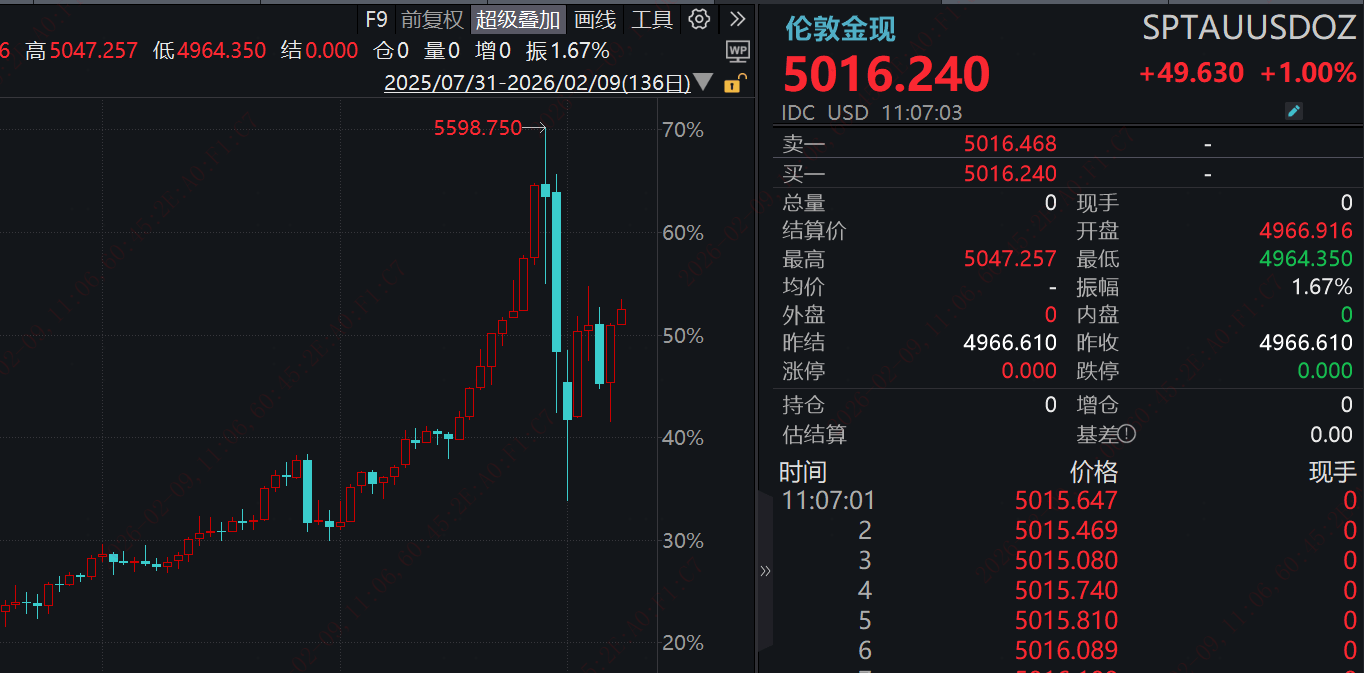
Core Viewpoint - The global gold market is experiencing significant volatility, with ongoing battles between bulls and bears, leading to fluctuations in gold prices. The focus is on the strategic allocation of gold ETFs as a convenient tool for investors to access gold assets [1]. Group 1: Market Volatility and Price Drivers - Recent fluctuations in gold prices are driven by an imbalance in the forces of supply and demand, influenced by various macroeconomic and market factors [8]. - Key supporting factors for gold prices include changes in global macroeconomic policies, which lower the opportunity cost of holding gold, and ongoing geopolitical uncertainties that drive investors towards gold as a safe-haven asset [5][8]. - Short-term factors suppressing gold prices include market sentiment and capital flows, with profit-taking leading to increased selling pressure and cautious positioning among investors due to concerns over policy shifts [8][9]. Group 2: Gold ETF Allocation Strategy - Gold ETFs are favored by ordinary investors for their low entry barriers, high liquidity, and transparency, making them an ideal tool for hedging market risks [11]. - Investors are advised to focus on long-term allocation value rather than short-term speculation, as gold can effectively diversify investment portfolios and enhance resilience against volatility [11][12]. - It is crucial to monitor macroeconomic policies and geopolitical developments to identify strategic allocation opportunities, adjusting positions based on market conditions [12].

美国宏观数据共振,黄金资产价值持续跃升
Sou Hu Cai Jing· 2026-01-08 08:22
Core Viewpoint - The article emphasizes the increasing value of gold as a safe-haven asset amid a changing global economic landscape, driven by macroeconomic trends and the weakening U.S. dollar, making gold allocation a key focus for investors seeking stable asset growth [1]. Group 1: U.S. Macroeconomic Data Resonance - The strong performance of gold assets is supported by a resonance effect from various U.S. economic indicators, including a cooling labor market and weak consumer confidence, which signal a slowdown in economic growth [4]. - Recent data shows initial jobless claims rising to 214,000, indicating increased unemployment pressure, while ADP reported a decrease of 32,000 jobs in the private sector [4]. - The unexpected decline in inflation has eliminated the necessity for the Federal Reserve to maintain high interest rates, reinforcing market consensus on the continuation of a loose monetary policy [6]. Group 2: Value Surge of Gold Assets - The short-term benefits from macroeconomic data resonance are driving a significant increase in gold demand as funds shift from risk assets to gold and related derivatives [7]. - In the long term, geopolitical tensions and economic uncertainties provide a solid foundation for gold's value, with central banks increasing gold purchases to diversify foreign exchange reserves [7]. - In Q3 2025, global central banks net purchased 220 tons of gold, a 28% increase from Q2, indicating a sustained interest in gold despite high prices [7]. Group 3: Structural Changes in Gold Pricing Logic - The importance of gold's monetary attributes is rising as the global monetary credit system faces challenges, positioning gold as a key tool for hedging against currency credit risks [10]. - Gold ETFs are highlighted as an ideal investment vehicle for ordinary investors, offering low costs, high liquidity, and flexible trading options to capitalize on the current surge in gold value [10]. - Gold's core attributes, such as inflation resistance and geopolitical risk hedging, combined with global monetary easing and central bank purchases, establish it as a cornerstone for asset allocation [11].
美元指数走弱,黄金ETF上涨空间持续打开
Sou Hu Cai Jing· 2025-12-24 03:44
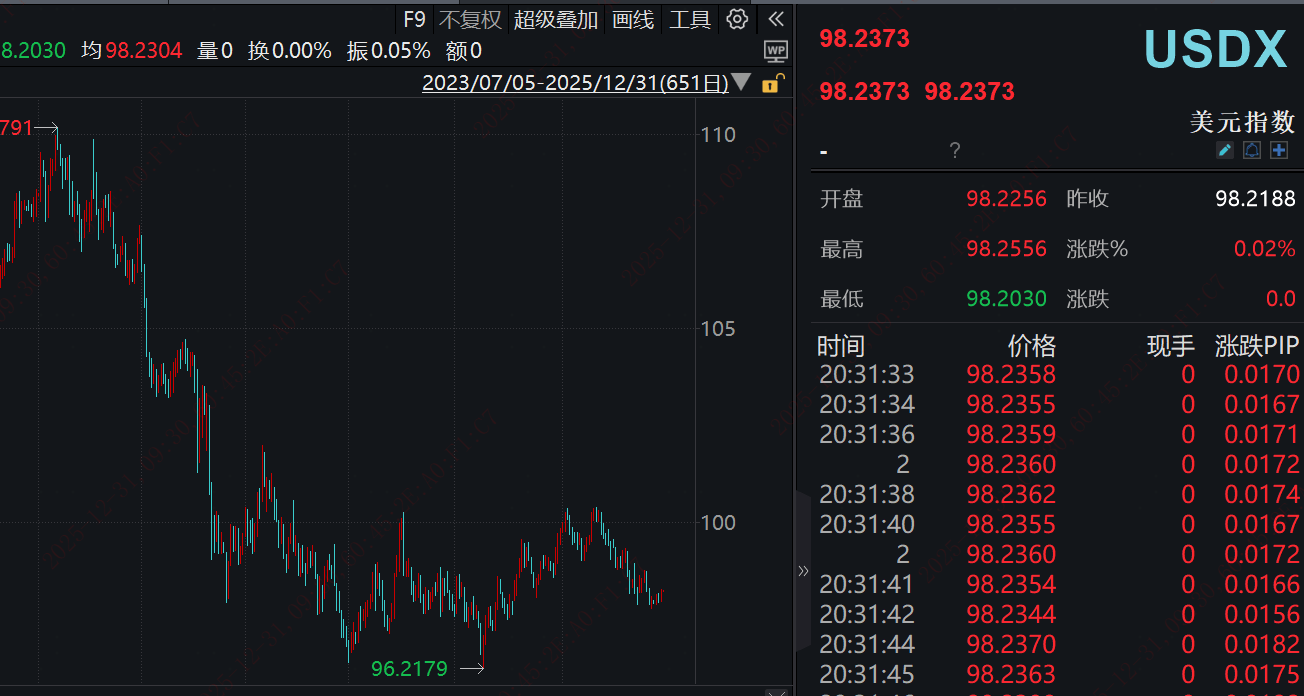
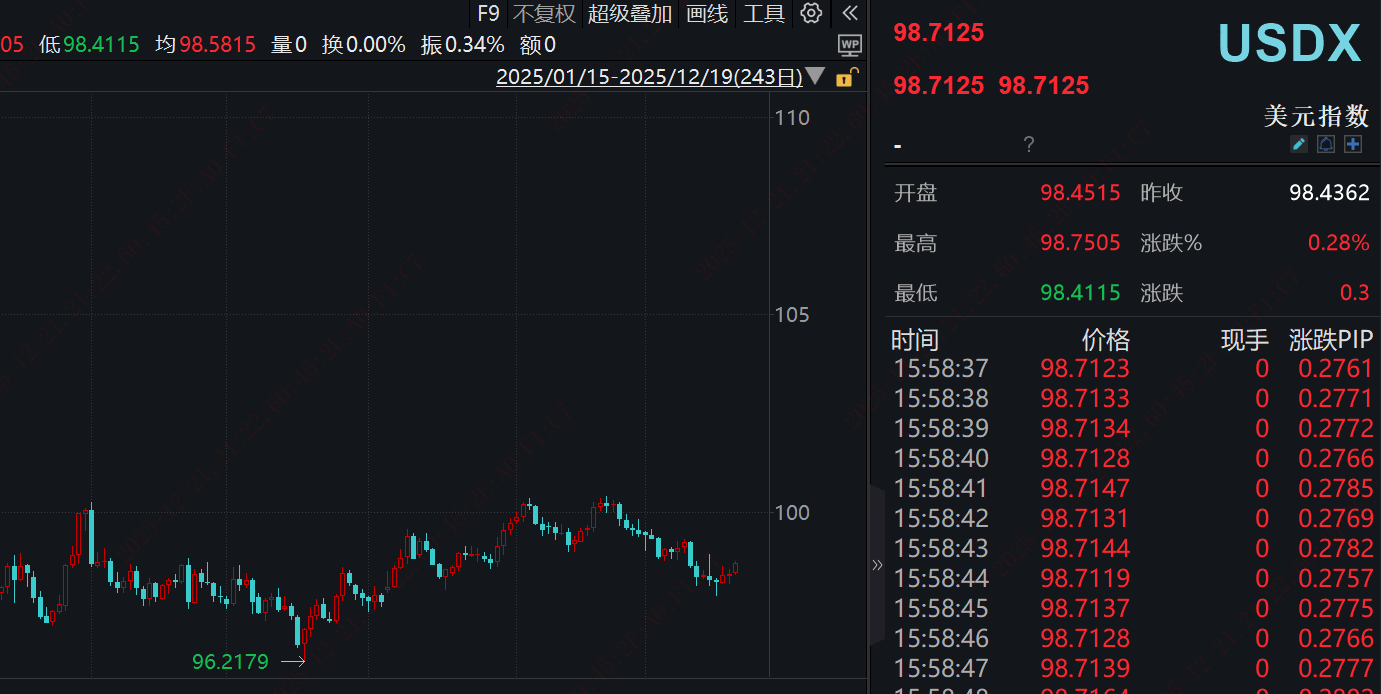
Core Viewpoint - The recent decline of the US dollar index has significantly impacted global asset allocation, with a clear downward trend observed since late November, culminating in a 1.72% drop by December 17, bringing the index to 98.71, close to the 98 mark. The overall decline for the year has reached 9.30%, with a notable 10.8% drop in the first half of the year, reinforcing the attractiveness of gold as a traditional safe-haven asset [1][3]. Group 1: Core Logic - The inverse relationship between the US dollar and gold is a well-established principle in global financial markets, where a weaker dollar reduces the cost of gold for non-dollar holders, thereby increasing demand and driving up gold prices [3]. - A weaker dollar often leads to a decrease in the attractiveness of dollar-denominated assets, prompting investors to shift their portfolios towards gold, which is perceived as a store of value amid rising economic uncertainty and inflation expectations [3]. Group 2: Investment Strategy - In a clearly defined weak dollar cycle, gold ETFs emerge as an efficient investment tool, allowing investors to capitalize on rising gold prices driven by the dollar's decline. Gold ETFs are closely aligned with gold price movements, providing a direct means to benefit from gold's appreciation [4]. - Compared to traditional gold investment methods, gold ETFs offer greater convenience and lower costs, enabling investors to trade easily through standard brokerage accounts, adjust positions in response to real-time dollar index fluctuations, and avoid the complexities of physical gold investment [4]. - The low entry barriers and costs associated with gold ETFs make them accessible for investors looking to participate in the long-term benefits of a weak dollar environment, while their liquidity allows for quick adjustments to holdings in response to market volatility [4]. Group 3: Market Outlook - The established trend of a weakening dollar, with nearly a 10% decline this year, sets a favorable foundation for gold prices to continue rising. Investors are encouraged to proactively engage with gold ETFs to navigate the challenges posed by a weakening dollar and optimize their asset allocation [5]. - Gold's intrinsic properties as a hedge against inflation and geopolitical risks, combined with ongoing global monetary easing and central bank gold purchases, position it as a cornerstone for asset allocation strategies [5].
穿越经济周期的压舱石,黄金ETF长期配置逻辑
Sou Hu Cai Jing· 2025-12-15 09:19
Core Viewpoint - In the context of a shifting global economic landscape and increasing market volatility, investors are increasingly focusing on the stability and risk resistance of their asset portfolios. Gold, as a time-tested hard currency, plays a crucial role as a "ballast" in asset allocation, and the emergence of gold ETFs allows ordinary investors to conveniently capture the long-term value of gold [1]. Group 1: Economic Context and Federal Reserve Actions - On December 11, 2025, the Federal Reserve lowered the federal funds rate by 25 basis points to a range of 3.50%–3.75%, marking the third rate cut of the year. Following the announcement, the 10-year U.S. Treasury yield declined, the dollar index weakened, and gold prices shifted from a decline to an increase, maintaining high volatility [1]. - The FOMC's voting results showed 9 votes in favor and 3 against, indicating a division in the committee regarding inflation pressures and economic slowdown assessments. The committee also announced a monthly purchase plan of $40 billion in short-term Treasury bonds starting December 12 to maintain ample reserves [4]. Group 2: Gold's Unique Attributes - Gold is recognized for its strong safe-haven properties, providing stability during geopolitical conflicts, global economic crises, and unexpected market events. Unlike traditional financial assets, gold's intrinsic value is less affected by a single economy or financial system, making it a reliable asset during times of uncertainty [9]. - Gold serves as an effective hedge against inflation, as its value is closely tied to physical commodities. In environments of monetary expansion and rising inflation, gold can maintain its value, helping investors preserve purchasing power [9]. - The low correlation of gold with traditional assets enhances its appeal for risk diversification. Gold's pricing logic is distinct from that of stocks and bonds, allowing it to act independently and even provide a counterbalance during traditional asset downturns [10]. Group 3: Gold ETFs as an Investment Tool - Gold ETFs address the challenges of traditional physical gold investment, such as storage issues, high transaction barriers, and limited liquidity, making them an optimal tool for ordinary investors to engage in gold investment [12]. - Gold ETFs facilitate convenient and low-cost investment in gold, allowing investors to trade gold as easily as stocks without the burdens of physical gold ownership, such as storage and transportation costs [12]. - The high liquidity of gold ETFs supports dynamic portfolio adjustments, enabling investors to buy or sell based on market conditions without facing liquidity constraints [13]. - Gold ETFs are designed to closely track gold prices, ensuring that investors can capture long-term appreciation without the risks associated with gold-related stocks or funds [13]. Group 4: Conclusion on Gold's Role in Asset Allocation - In the current complex market environment, the focus of asset allocation has shifted from "pursuing high returns" to "achieving stable appreciation." Gold, with its safe-haven, anti-inflation, and low-correlation attributes, serves as a "ballast" for navigating economic cycles, while gold ETFs provide accessible, low-cost, and highly liquid investment options for ordinary investors [15][16].
去美元化加速,黄金ETF长期配置价值凸显
Sou Hu Cai Jing· 2025-12-12 07:35
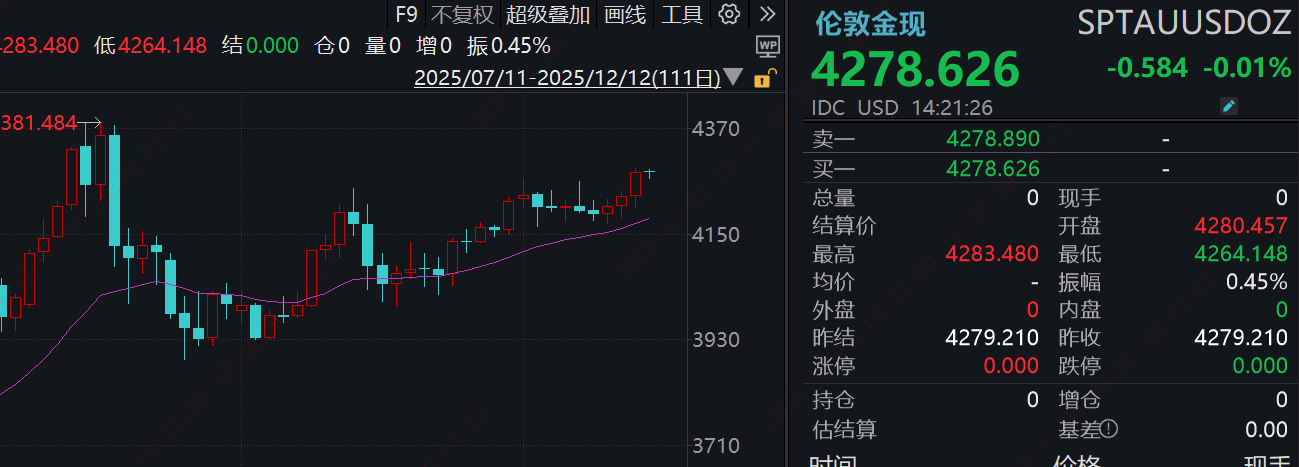
Core Insights - The global financial landscape is undergoing significant changes, with the "de-dollarization" trend reshaping asset allocation logic, highlighting the strategic value of gold as a core asset [1][3] - Gold ETFs are emerging as a preferred choice for ordinary investors to capture long-term trends and allocate gold assets due to their low cost, high liquidity, and transparency [1][4] Group 1: De-dollarization Acceleration - The status of the US dollar as a global reserve currency is weakening, with de-dollarization evolving into a structural change worldwide, driven by concerns over the US dollar's credit system [3] - High fiscal deficits and debt levels in the US, along with geopolitical tensions and financial restrictions, have raised doubts about the safety of dollar assets, prompting countries to seek alternatives [3] - Many countries are actively diversifying trade settlements through bilateral currency agreements and regional currency cooperation, collectively challenging the dollar settlement system [3] - Gold is increasingly viewed as a "reserve ballast" by central banks, with many planning to increase their gold holdings, providing structural support for gold prices [3] Group 2: Gold ETFs as Optimal Allocation Tool - The strategic value of gold is rising amid the de-dollarization process, with gold ETFs addressing the pain points of ordinary investors in gold allocation [4][7] - Gold ETFs align perfectly with current asset hedging and appreciation needs, especially as the US dollar index weakens and the Federal Reserve enters a rate-cutting cycle, reducing the opportunity cost of holding gold [4][7] - Compared to physical gold, gold ETFs eliminate storage and custody costs, have lower trading thresholds, and offer strong liquidity, making them suitable for long-term holding [7] - The irreversible trend of global de-dollarization and the establishment of a long-term bull market for gold suggest that investors should focus on this structural trend by incorporating gold ETFs into their long-term asset allocation [7]
从央行购金热到个人布局,黄金ETF怎么投更靠谱?
Xin Lang Cai Jing· 2025-12-02 09:56
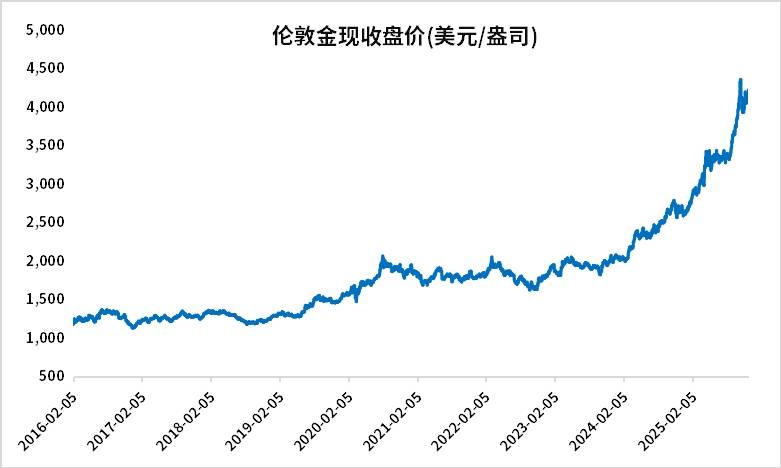
Core Viewpoint - The recent trends in the gold market indicate a stable performance, with gold prices maintaining a strong position despite minor fluctuations, reflecting its long-term investment value and the increasing recognition from institutions and central banks [1][2]. Group 1: Market Performance - The gold market experienced slight fluctuations from November 3 to November 7, with London gold prices decreasing by 0.06% to close at 4000.3, yet remaining above the 4000 mark [1]. - Year-to-date, gold assets have shown a robust increase of 52.44%, highlighting their strong long-term allocation value [1]. Group 2: Central Bank Activities - Central banks globally are increasing their gold reserves, viewing it as a core asset to mitigate geopolitical risks and stabilize foreign exchange reserves [2]. - In November 2025, China's gold reserves increased by 1.25 tons, continuing a trend of gradual accumulation, which reflects a strategic approach to reserve optimization [2]. Group 3: Investment in Gold ETFs - Gold ETFs have emerged as a popular investment option due to their accessibility, with a low entry cost allowing investors to participate in gold investment without the challenges of physical gold storage [4]. - The advantages of gold ETFs include lower investment thresholds, price traceability to international gold prices, high liquidity, and the ability to hedge against market volatility [4]. Group 4: Investment Strategies - A systematic investment approach, such as dollar-cost averaging, is recommended to balance investment costs and mitigate risks associated with price fluctuations [6]. - It is advised to maintain gold ETF holdings between 5% to 15% of total assets to achieve risk diversification while capturing potential gains from gold investments [7]. - Investors should focus on selecting high-quality gold ETFs based on fund size and tracking deviation to ensure effective price replication [8]. - Adjusting holdings based on macroeconomic signals is crucial, with recommendations to reduce exposure during economic recovery and increase during geopolitical tensions [9]. Group 5: Market Outlook - The combination of gold's anti-inflation and geopolitical risk-hedging properties, along with ongoing central bank purchases, positions gold as a cornerstone for asset allocation [11].
降息周期下,黄金资产为何值得布局
Sou Hu Cai Jing· 2025-11-04 09:06
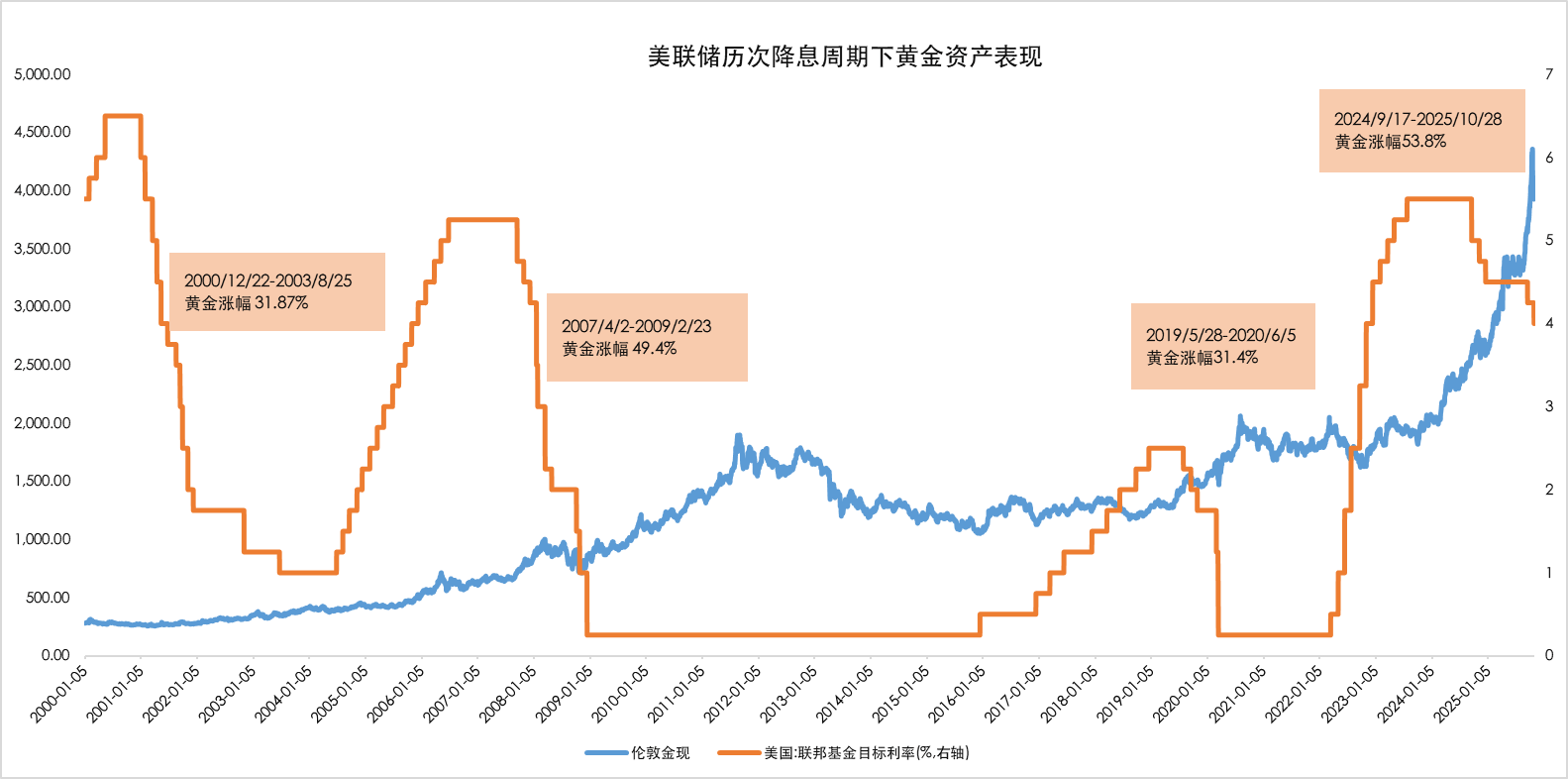
Group 1 - The core viewpoint of the articles highlights a significant rebound in the gold market, with spot gold closing at $4024.46 per ounce on October 30, marking a 2.4% increase, the largest single-day gain since the market correction in October [1] - The strong demand for gold is supported by central bank purchases and investments in gold bars and coins, with global gold demand reaching a record high of 1313 tons in Q3 2025 [1] - The performance of the technology sector in the U.S. stock market is under pressure, particularly due to Meta's net profit decline and increased AI capital expenditure expectations, leading to a significant sell-off in tech stocks [1] Group 2 - Historical data shows that every rate-cutting cycle by the Federal Reserve since 2000 has led to substantial appreciation in gold assets, with gold prices increasing by 53.8% in the current cycle from September 2024 to October 2025 [2] - Gold ETFs have consistently captured market allocation demand during these cycles, with their net value and scale growth closely tied to the strengthening of gold asset attributes in a rate-cutting environment [2] Group 3 - Currently, gold ETFs face a mixed market environment with short-term pressures from expectations of improved international trade relations, which diminish gold's safe-haven appeal, while also experiencing significant support from the recent 25 basis point rate cut by the Federal Reserve [5] - The Federal Reserve's recent rate cut lowers the holding cost of gold and potentially weakens the dollar, providing foundational support for gold prices and gold ETFs [5] - As of the end of October, the probability of a rate cut in December has decreased to 72.8%, indicating market uncertainty regarding future monetary policy [5][7] Group 4 - Investment strategies for gold ETFs should balance short-term volatility with long-term trends, as historical patterns indicate that gold typically rises following the initiation of a rate-cutting cycle [8] - Despite short-term pressures from trade relations, the ongoing rate-cutting cycle and structural support from global central bank gold purchases suggest that the upward momentum in gold prices will continue [8] - Gold's attributes as an inflation hedge and a counter to geopolitical risks, combined with global monetary easing, position it as a "ballast" in asset allocation [8]