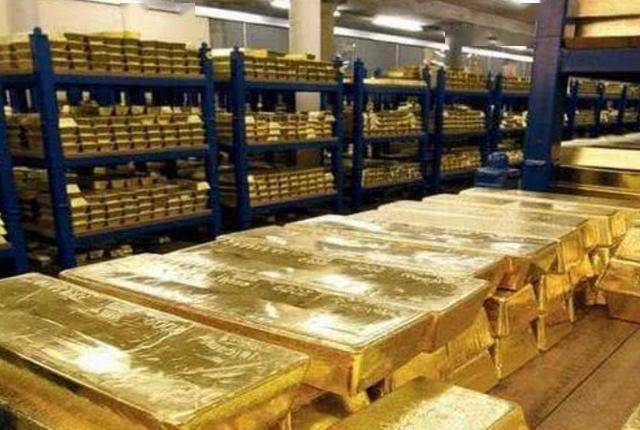
黄金文化

Search documents
金价飙到1528元/克,中国人却越涨越买?三千年文化基因藏不住了
Sou Hu Cai Jing· 2026-02-20 12:46
Core Viewpoint - The surge in gold purchases during the Chinese New Year is deeply rooted in cultural traditions and collective memory rather than solely driven by price increases or consumer trends [2][22]. Group 1: Historical Significance of Gold - Gold was historically recognized as a form of "national credit" and hard currency, symbolizing order, trust, and power within the state [5][6]. - The trust in gold originates from its historical role in the national financial system, emphasizing stability over aesthetics [7][8]. - The perception that "gold will not turn into waste paper" is a widely understood concept among the populace, reinforcing its value [10]. Group 2: Cultural Practices and Symbolism - The tradition of giving "压岁金" (lucky money) has evolved from gold pieces to modern cash, but the underlying cultural significance of providing protection and good fortune remains unchanged [12]. - In traditional Chinese art, gold is consistently depicted in celebratory contexts, symbolizing wealth and auspiciousness during significant life events such as weddings and festivals [14][16]. - Gold serves as a medium for communication in rituals, representing promises, respect for ancestors, and the embodiment of good luck [18][20]. Group 3: Economic Context and Consumer Behavior - During periods of inflation and economic uncertainty, there is a heightened inclination among consumers to invest in gold as a form of self-protection and certainty [20]. - The current trend of gold buying reflects a collective unconscious response to societal instability, where gold re-emerges as a preferred asset for the general public [20][22]. - The crowded gold counters during the Spring Festival are indicative of a cultural resurgence rather than mere consumer impulse, highlighting the enduring values of stability, fortune, and peace [25].


韩媒:“新罗金冠”藏着“黄金国”的秘密
Huan Qiu Shi Bao· 2025-11-03 23:01
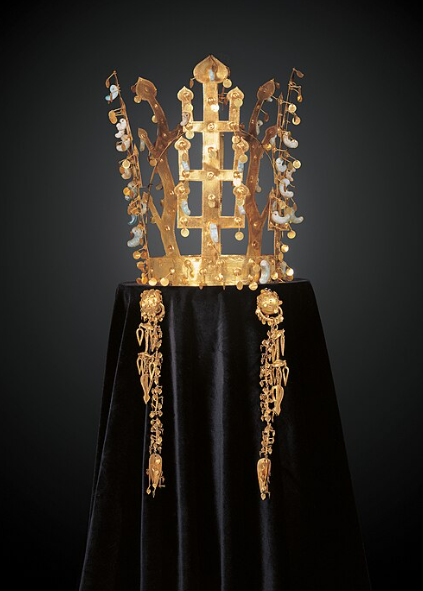
Group 1 - The article discusses the gift of a model of the Silla golden crown presented to U.S. President Trump during his visit to South Korea, highlighting its significance and Trump's positive reaction to the gift [1] - The Silla kingdom, which existed from 57 BC to 935 AD, is noted for its deep historical connection with gold, being referred to as a "golden country" in ancient texts [3] - The craftsmanship of Silla gold artifacts, including advanced techniques such as "透雕" and "嵌玉," showcases the kingdom's high level of gold processing technology [3] Group 2 - The historical significance of gold as a symbol of power is emphasized, with references to its use in ancient civilizations such as Mesopotamia and Egypt [4] - The article mentions the exhibition of six Silla golden crowns at the National Gyeongju Museum, which highlights their artistic and cultural importance [5] - The Silla golden crowns have faced challenges over time, including damage, yet they remain renowned for their intricate designs and historical value [5]
抬头就是万张金箔!游客花30元可淘金,有景区国庆预约破万
凤凰网财经· 2025-10-07 13:27
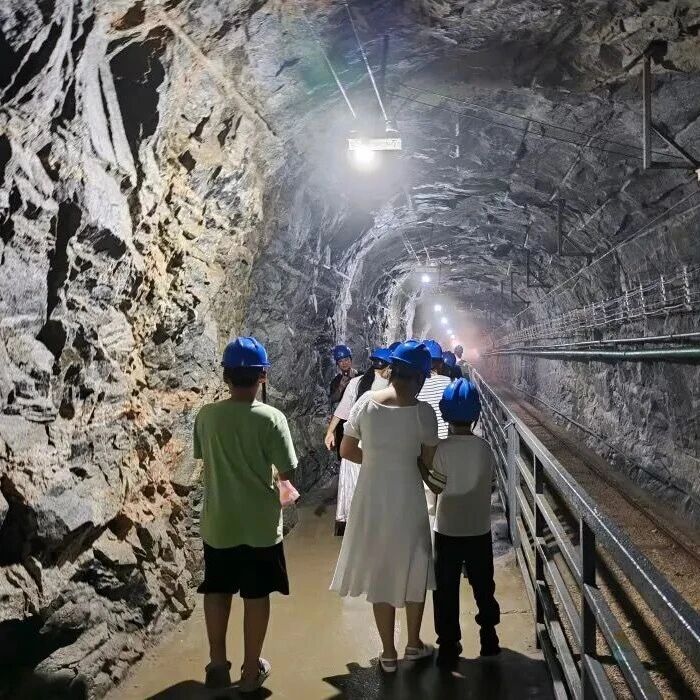
Core Viewpoint - The rise in international gold prices has led to a surge in themed tourism projects centered around gold mining, particularly in regions like Shandong and Zhejiang, attracting significant visitor interest and engagement [4][11]. Group 1: Themed Tourism Development - Regions such as Shandong Zhaoyuan and Zhejiang Suichang have developed tourism projects focused on gold mining heritage, allowing visitors to experience gold panning and learn about mining techniques [5][9]. - The Suichang National Mine Park has seen a significant increase in visitor numbers, with over 150,000 reservations during the National Day holiday, indicating a growing interest in immersive gold-themed experiences [4][10]. Group 2: Visitor Experience and Economic Impact - Visitors report affordable experiences, with costs around several hundred yuan for family outings, making it an attractive option for families [6][7]. - The Suichang mine park has generated approximately 10 million yuan in ticket revenue and 2 million yuan in hotel income, with ticket sales increasing by 13% year-on-year [9][10]. Group 3: Future Development and Market Trends - The park is undergoing upgrades to enhance visitor experiences, including the introduction of themed hotels and interactive gold processing activities, aiming to transition from simple sightseeing to immersive cultural experiences [10][12]. - The trend towards experiential tourism aligns with broader consumer preferences for participation and emotional engagement, suggesting a shift from traditional sightseeing to more interactive and educational experiences [11][12].
香港的“黄金崇拜”
吴晓波频道· 2025-09-27 00:29
Core Viewpoint - The article discusses the phenomenon of "gold worship" in Hong Kong, highlighting its cultural significance and the impact of recent events, such as the "gold heist," on the gold market and consumer behavior in the region [2][4][16]. Group 1: The Gold Heist Incident - A significant gold heist occurred in Hong Kong, where over 60 kilograms of gold worth approximately 59 million HKD were stolen, leading to a swift police response and recovery of the stolen gold [4][6]. - The incident reflects a broader trend of gold-related crimes in Hong Kong, with historical examples dating back to the 1991 Kai Tak Airport armored truck robbery [6][4]. - The heist's perpetrators came from various backgrounds, indicating a deep-rooted societal obsession with gold across different social strata in Hong Kong [6][4]. Group 2: Historical Context of Gold Wealth - The article highlights three prominent figures in Hong Kong's gold industry: Li Ka-shing, Cheng Yu-tung, and Lam Sai-wing, who built their fortunes through gold-related businesses [8][9][12]. - Li Ka-shing began his career in gold trading and later transitioned to real estate, emphasizing the importance of gold as a starting capital for wealth accumulation [11]. - Cheng Yu-tung founded Chow Tai Fook, revolutionizing the jewelry industry with modern business practices and high-purity gold products, establishing a legacy that continues to dominate the market [12][11]. Group 3: Cultural Significance of Gold - Hong Kong's gold consumption is notably high, with an average per capita jewelry expenditure of 693 USD in 2022, surpassing that of Singapore and the United States [19]. - The local culture intertwines with gold, evident in common phrases and wedding customs that emphasize gold's association with wealth and good fortune [20][22]. - The article notes that gold is not only viewed as an investment but also as a cultural symbol, influencing consumer behavior and societal values in Hong Kong [27][20]. Group 4: Future of Gold Trading in Hong Kong - The Hong Kong government aims to establish the city as a global gold trading center, with plans to enhance infrastructure and regulatory frameworks to attract investment [29][30]. - Recent policy initiatives include the establishment of the Hong Kong Gold Exchange and efforts to increase gold reserves, positioning Hong Kong as a key player in the global gold market [31][30]. - The article suggests that Hong Kong's historical role as a major gold trading hub is being revitalized, with ambitions to reclaim its status amidst growing competition from other cities [34][33].

非洲最不缺黄金的地方,黄金是孩子的玩具,酋长的妻妾有70多位
Sou Hu Cai Jing· 2025-09-26 09:18
Core Insights - Gold serves as a symbol of wealth and power throughout human civilization, but in Africa, particularly in Ghana, it has a unique cultural significance that transcends mere material value [3][9] - The Asante people of Ghana, the largest ethnic group in the country, have a rich history of gold mining that dates back seven centuries, with gold being central to their cultural identity and political power [3][4] Group 1: Cultural Significance of Gold - For the Asante people, gold is not just a commodity but a core element of cultural identity and political authority, exemplified by sacred artifacts like the golden throne, which is considered a holy object [3][4] - The Asante king's collection of gold artifacts, including crowns and scepters, represents a tangible manifestation of power, with a wide variety of gold products available in local markets, making gold accessible to ordinary citizens [4][6] Group 2: Traditional Practices and Beliefs - In Asante culture, gold is integrated into daily life, with women using gold dust as decoration and wearing multiple gold ornaments, reflecting both status and cultural heritage [6][9] - The tradition of polygamy is prevalent, with a chief often having numerous wives, and upon the chief's death, his gold wealth is passed down to his successor, highlighting the intertwining of wealth and cultural customs [7][9]
看了全球一季度黄金需求总量,再看我国黄金需求量,结果令我意外
Sou Hu Cai Jing· 2025-05-02 08:41
Core Insights - The World Gold Council reported a significant increase in global gold demand, with prices surpassing $3000 per ounce and total demand reaching 1206 tons in the first quarter of 2025, reflecting a 1% year-on-year growth [35]. Group 1: India’s Gold Demand - India has emerged as a major player in gold consumption, with the government purchasing 42 tons and imports of gold products reaching 131 tons in 2024 [4]. - The cultural significance of gold in India is profound, with many citizens purchasing gold for religious purposes and as a display of wealth, despite common perceptions of poverty [6][10]. - The Amritsar Golden Temple, a significant religious site, showcases the extensive use of gold, with over 1500 pounds used in its decoration, highlighting the deep-rooted cultural ties to gold [8]. Group 2: United States Gold Culture - The U.S. has a rich history of gold mining, particularly during the Gold Rush in the 18th and 19th centuries, which has ingrained a strong gold culture in American society [14][18]. - Gold is widely used in the U.S. for decorative purposes, with a notable presence in popular culture, including among celebrities and in religious symbols [20][22]. - The demand for gold in the U.S. remains significant, driven by both historical context and contemporary cultural practices [22]. Group 3: China’s Gold Consumption - China continues to lead global gold consumption, with nearly 300 tons consumed in the first quarter of 2025, reinforcing its position as the largest gold consumer [32]. - The cultural perception of gold in China is tied to status and prosperity, with gold being a common gift in weddings and a popular investment among the populace [28][33]. - The rise of technology has also influenced gold consumption, with innovative products appealing to younger consumers [30].