黄金鉴别

Search documents
沙金不是黄金!选购黄金饰品牢记“五个要”
Sou Hu Cai Jing· 2026-02-04 06:11
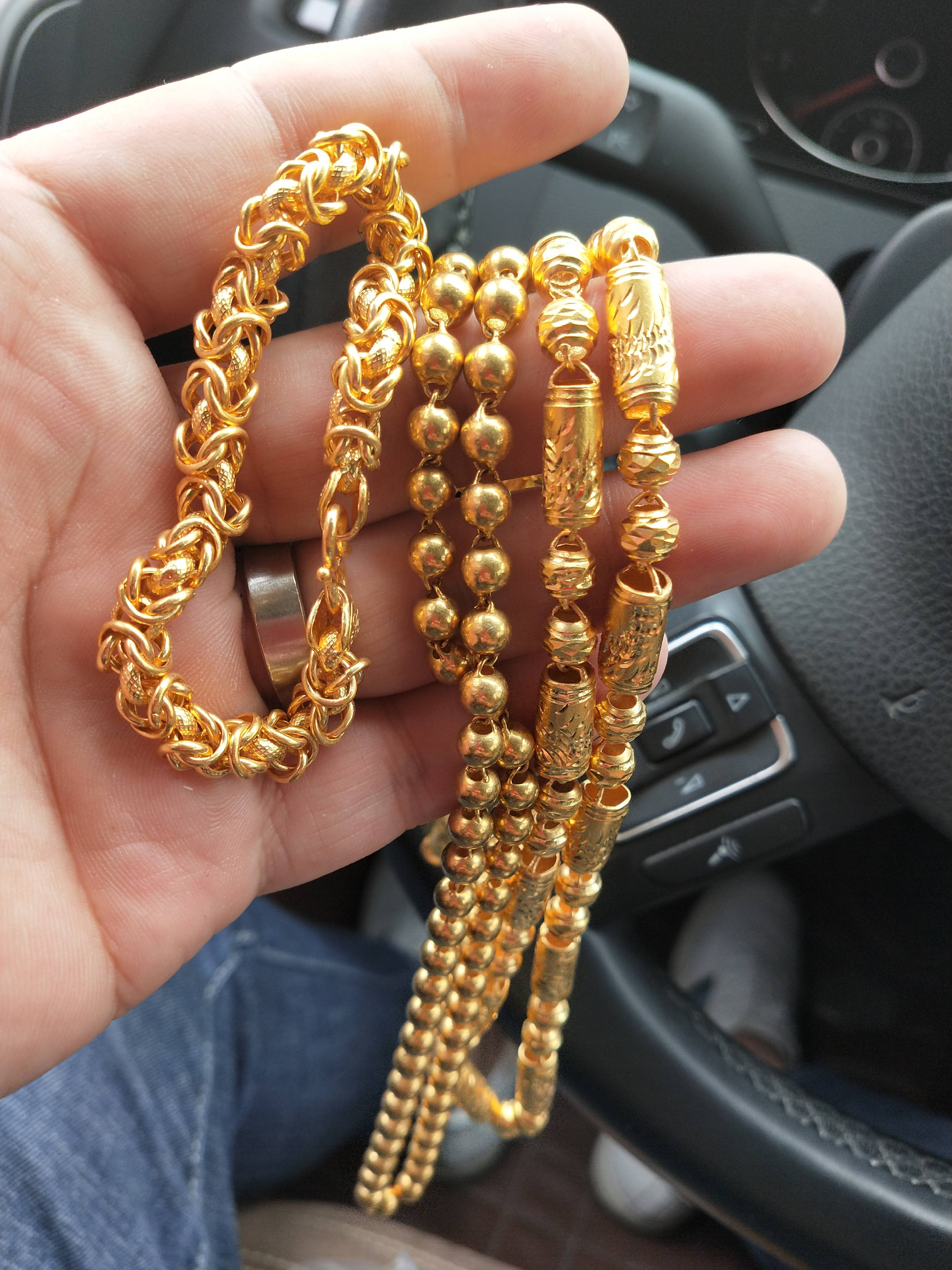
Core Viewpoint - The gold market is experiencing significant activity, prompting consumer interest and leading regulatory bodies to issue guidelines for purchasing gold and precious metal jewelry [1] Group 1: Consumer Guidelines - Consumers should choose reputable brands and official stores for purchasing gold jewelry, avoiding street vendors and unverified online shops [3] - It is essential for consumers to be rational and not fall for misleading promotions such as "super low prices" or "high buyback prices," and to be aware of the current gold prices [3] - Consumers must clarify the sales, after-sales, and buyback policies with sellers, ensuring that pricing methods are transparent and that they understand the weight and purity of the products [4] Group 2: Transaction Details - When participating in exchange activities, consumers should inquire about additional costs and understand the details regarding buyback prices and fees [4] - It is crucial to obtain a formal invoice or receipt that details the jewelry's name, material, purity, weight, and total price, especially for "one-price" items [4] - Consumers should keep all relevant documentation, including chat records and payment screenshots, to protect their rights in case of disputes [4] Group 3: Awareness of Product Quality - Consumers are warned about "sand gold," which is an alloy and not real gold, and should be cautious of low-priced offers that may indicate inferior products [5] - Basic methods for identifying real gold include checking color, weight, and sound, as pure gold has a distinct appearance, weight, and sound compared to imitation products [6][7][8]

内行人买黄金时,为啥喜欢带跟“针”?一招教你分辨“真假黄金”
Sou Hu Cai Jing· 2025-09-20 11:31
Core Insights - The article reveals a lesser-known detail in the gold trading and collecting industry, highlighting the use of a fine needle as a tool for identifying the authenticity of gold [1] Group 1: Importance of the Needle Test - The fine needle test is based on the physical properties of gold, where true gold leaves a smooth, matte scratch due to its dense molecular structure [5] - Fake gold or gold-plated products may either show no trace when scratched or reveal a different colored metal layer underneath [6] Group 2: Six Practical Techniques for Identifying Fake Gold - Observing marks and labels is crucial; genuine gold items must have purity marks and manufacturer codes that are clear and smooth [8] - Magnetic testing can be performed using a strong magnet; true gold is non-magnetic, while fake gold may contain magnetic metals [11] - Density measurement can be done at home using the Archimedes principle, where pure gold has a density of approximately 19.32 g/cm³ [11] - The nitric acid test can indicate the type of metal present, but it should be conducted carefully to avoid damage [12] - Sound recognition involves tapping gold to listen for a dull sound, which indicates authenticity [14] - Professional instruments like X-ray fluorescence spectrometers and electronic probe analyzers are used for accurate composition analysis [14] Group 3: Common Counterfeiting Methods - Common types of counterfeit gold include gold-plated jewelry with a thin layer of gold, gold-filled products, and tungsten-core gold bars that mimic gold's density [16] Group 4: Five Guidelines to Avoid Pitfalls When Purchasing Gold - It is advisable to purchase gold from reputable sources such as banks or authorized dealers and to request certification and invoices [20] - Consumers should be cautious of prices significantly lower than the current market rate, which is around 500 RMB per gram [20] - Special craftsmanship may affect purity, and retaining transaction evidence is recommended [20] Group 5: Strategies for Special Situations - In pawn shops, consumers can request water displacement tests for immediate results [22] - For online purchases, it is best to choose sellers that allow in-store verification upon receipt [22] - Inheriting gold may require melting and re-casting to ensure purity [22] Conclusion - By mastering these techniques, consumers can perform initial authenticity checks without relying solely on professional institutions, although final verification by authoritative testing agencies is recommended for significant transactions [25]