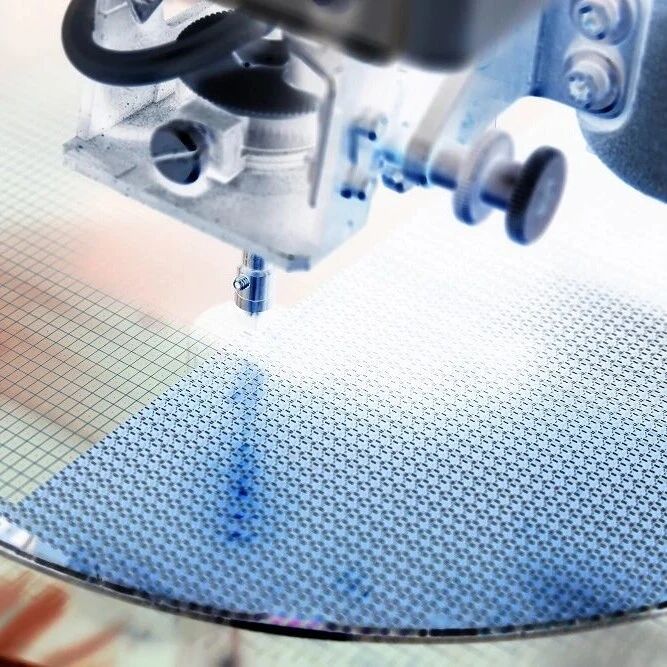
2纳米芯片

Search documents
高通与三星洽谈2纳米芯片代工合作
Huan Qiu Wang Zi Xun· 2026-01-08 03:27
Group 1 - Qualcomm's CEO Cristiano Amon confirmed the company's active discussions with Samsung Electronics regarding 2nm chip foundry collaboration, with all related chip design work completed to accelerate product commercialization [1] - Samsung has become the first company to announce mass production of 2nm chips, showcasing strong technical appeal with its second-generation 2nm process (SF2P), which will be used for the Exynos 2600 chip in the Galaxy S26 series [2] - The collaboration between Qualcomm and Samsung is significant as Qualcomm previously shifted its advanced chip foundry orders to TSMC due to stability issues with Samsung's foundry process, indicating that Samsung's SF2P process has reached competitive levels in performance, energy efficiency, and production yield [2]



日本厂商,争霸2nm
半导体行业观察· 2025-11-06 01:17
Core Viewpoint - Japanese semiconductor giants are intensifying capacity expansion to prepare for the upcoming demand for advanced chip processes from 2025 to 2030, aiming to counter competitors like Samsung and SK Hynix [2][4]. Group 1: Investment Plans - Tokyo Ohka Kogyo (TOK), JSR Corporation, and ADEKA have announced multi-billion yen investment plans to enhance their production capabilities in the semiconductor supply chain [2]. - TOK is investing 200 billion yen to build a photoresist plant in Korea, with production expected by 2030, and an additional 120 billion yen for a high-purity chemical plant [2]. - JSR's aggressive timeline includes the production of MOR-type photoresist in Korea by the end of next year, ahead of TOK's schedule [3]. Group 2: Market Dynamics - Japan holds a dominant position in the photoresist market, with over 91% global market share, and TOK alone controls 25.1% of the market, with 45.9% in advanced EUV photoresist [2]. - The demand for high-end photoresists is expected to surge due to the rapid growth in AI chip requirements, with SK Hynix's capital expenditure increasing by 75% this year [3][4]. Group 3: Strategic Importance of MOR Photoresist - MOR (Metal Oxide Resist) has become a core choice for EUV lithography, offering advantages such as 33% lower material costs compared to traditional resists, excellent performance in resolution and edge roughness, and reduced material waste [6]. - SK Hynix has confirmed the use of MOR for its 1x nm DRAM process, indicating its commercial viability [6]. Group 4: Long-term Industry Forecast - The global semiconductor market is projected to reach $1 trillion by 2030, with advanced process chip demand hitting record highs [8]. - Japanese companies are expected to maintain their monopoly on EUV photoresists until at least 2030, despite emerging competitors from China [8]. Group 5: Impact on Industry Ecosystem - Japan's investment in photoresist production will strengthen Korea's position as a global semiconductor manufacturing hub, enhancing the competitiveness of Samsung and SK Hynix [10]. - The localization of high-end materials will improve cost structures and reduce reliance on single-country supply chains, while also increasing Japan's influence in the semiconductor materials value chain [10]. Group 6: Conclusion and Outlook - The current wave of investment by Japanese photoresist giants signifies a shift in the semiconductor industry towards competition over upstream material supply chains rather than just manufacturing processes [12]. - This trend serves as a warning to emerging players, emphasizing the necessity of breakthroughs in material technology to avoid being constrained by upstream supply issues [12].