
28点和平计划

Search documents
想得太天真了,欧洲承诺出兵乌克兰,还要向俄罗斯索要战争赔款
Sou Hu Cai Jing· 2025-12-20 11:15
Group 1 - European leaders have committed to forming a "multinational force" to assist Ukraine in defending its maritime and aerial security, with support from key figures such as German Chancellor Merz and French President Macron [1] - The statement emphasizes that Ukraine's military should maintain a long-term size of approximately 800,000 personnel to ensure territorial security and military deterrence [1] - Europe has pledged to expedite Ukraine's EU membership process and respect the will of the Ukrainian people regarding territorial issues through a referendum [1] Group 2 - The declaration from European countries is seen as a direct response to the Trump administration's "28-point peace plan," indicating dissatisfaction with the unilateral approach taken by the U.S. regarding peace negotiations [2] - There are internal divisions among European nations regarding military involvement in Ukraine, with some countries like Italy willing to provide military aid but refusing to send troops, while Poland outright rejects troop deployment [6] - The proposed military action lacks clear authorization and legitimacy, raising questions about its potential effectiveness [6] Group 3 - The European commitment to send troops is contingent upon a ceasefire, which is unlikely given the current state of negotiations and the modifications to the peace plan proposed by the Trump administration [7] - Analysts suggest that Ukrainian President Zelensky's recent actions may indicate a willingness to compromise under pressure, particularly regarding territorial concessions [4] - The European nations' promises may ultimately be seen as empty rhetoric, lacking the practical execution needed to influence the situation on the ground [7]

欧洲40亿军援砸向乌克兰,俄军为何不再隐忍?敖德萨遭导弹轰炸!
Sou Hu Cai Jing· 2025-12-06 04:34
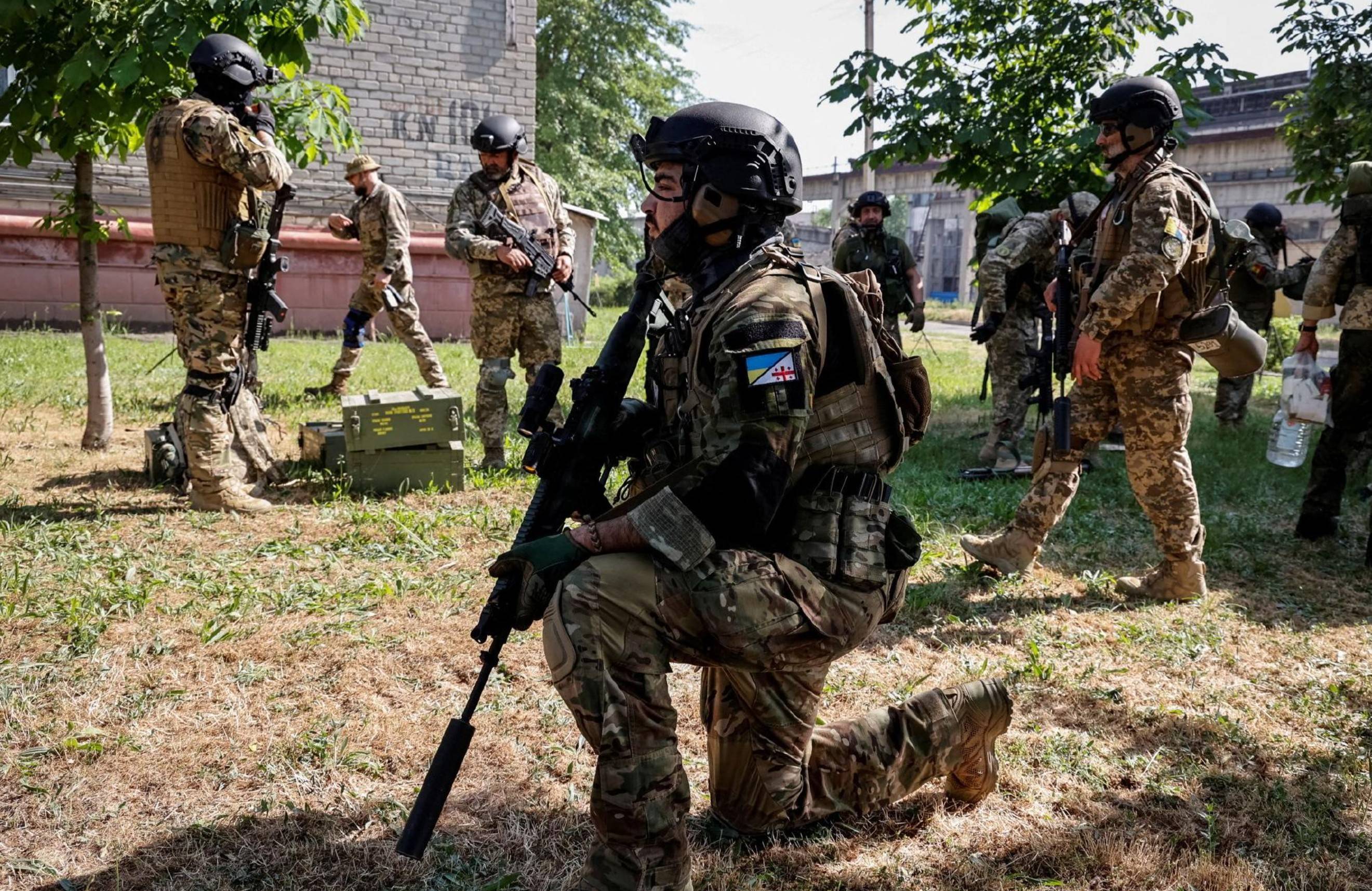
Group 1 - The core viewpoint of the articles revolves around the ongoing tensions and negotiations between Russia, the United States, and Ukraine regarding the Ukraine conflict, highlighting significant disagreements and the lack of substantial progress in peace talks [1][4][5] - Russia demands Ukraine to undergo comprehensive disarmament, eliminate any long-range weaponry capable of threatening Moscow, and cede 20% of Donetsk region along with five cities, which poses a major obstacle in negotiations [1][4] - The Trump administration's "28-point peace plan" supported Russia's conditions but faced strong resistance from Europe, which insists that territorial concessions from Ukraine cannot be a condition for peace [4][5] Group 2 - Despite Western support for Ukraine, including military and economic aid, the situation on the battlefield remains dire for Ukraine, indicating a potential stalemate in the conflict [5][7] - Russia has stabilized its economy and is prepared for a prolonged conflict, while the U.S. is concerned about being drawn deeper into the war, prompting calls for an end to hostilities [7][8] - European nations, particularly Germany, Poland, and Norway, continue to provide significant military support to Ukraine, including advanced weaponry, despite the lack of full U.S. backing [8][10] Group 3 - The provision of advanced military equipment, such as the Tiger attack helicopters from Australia and various missile systems from European countries, aims to enhance Ukraine's military capabilities against Russian forces [8][10] - Russia has responded to European military aid by targeting Ukrainian infrastructure, particularly in Odesa, indicating a strategic approach to undermine Ukraine's support [10]
致命双杀!俄军血战拿下顿巴斯能源心脏!乌克兰尸横遍野陷入绝境
Sou Hu Cai Jing· 2025-12-05 05:46
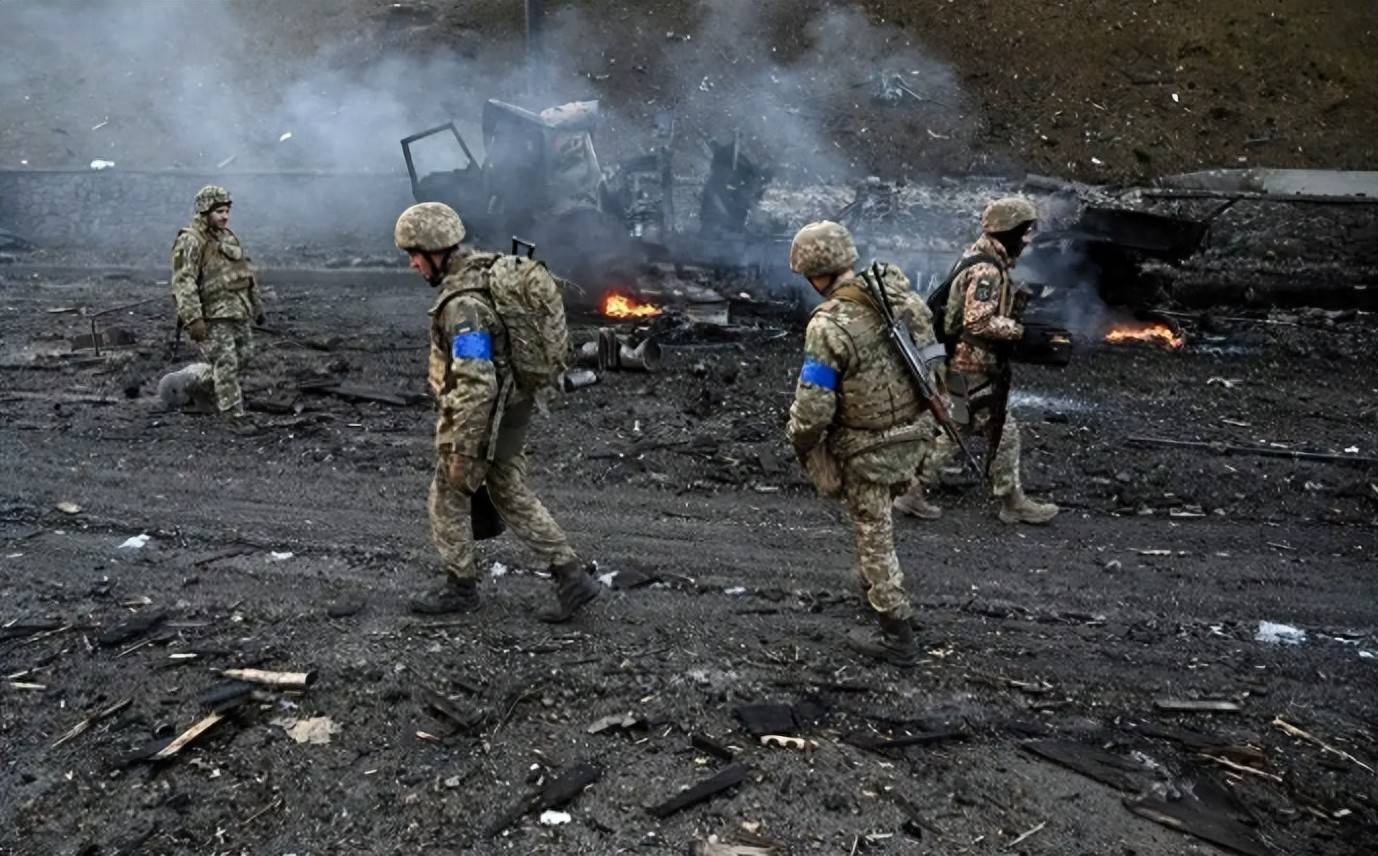
Core Viewpoint - The recent military successes of Russia in capturing the cities of Red Army City and Volchansk have significantly altered the dynamics of the Ukraine conflict, putting pressure on the Ukrainian government and raising questions about President Zelensky's ability to recover from these setbacks [1][4][21]. Group 1: Military Developments - The capture of Red Army City and Volchansk has created a critical breach in the Ukrainian defense, marking a transition from quantitative to qualitative changes in the conflict [4][11]. - The Russian military has demonstrated an unexpected increase in firepower, launching over 1,000 drones and more than 100 missiles in just one week, contradicting earlier predictions of dwindling resources [13]. - The loss of these cities has led to the collapse of Ukraine's northern defense line, severely impacting their logistical capabilities and opening up access for Russian forces to the entire Donbas region [11][21]. Group 2: Political Implications - Internal turmoil within the Ukrainian government, highlighted by corruption scandals and leadership changes, is undermining its legitimacy and effectiveness in the ongoing conflict [16][21]. - The U.S. appears to be distancing itself from Ukraine, suggesting a potential shift in support, while European leaders are expressing aggressive military postures towards Russia, complicating Ukraine's diplomatic situation [19][21]. - Zelensky faces a harsh reality as his negotiating power diminishes, with the ongoing conflict and internal strife threatening the stability of his administration [21][23]. Group 3: Strategic Importance of Captured Cities - Red Army City and Volchansk are strategically significant, serving as key logistical hubs that, once captured, enhance Russian military operations in the region [8][10]. - The simultaneous fall of these cities has shattered previous assumptions about the strength of Ukrainian defenses, leading to a reevaluation of the conflict's trajectory [10][11].
克宫:俄方已收到美乌达成一致的和平计划细节
Zhong Guo Xin Wen Wang· 2025-11-28 13:03
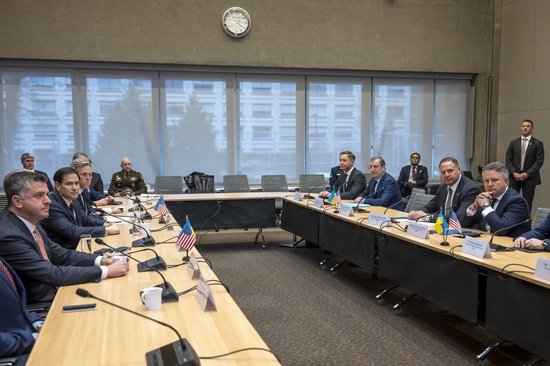
Core Viewpoint - The article reports that the United States has handed over the details of its peace plan to Russia, which will be discussed in Moscow next week [1] Group 1: Peace Plan Details - The peace plan was refined following discussions between the U.S. and Ukraine in Geneva [1] - Key details of the plan have been submitted to the Russian side, with consultations scheduled for next week in Moscow [1] - Russian President Putin indicated that the "28-point" peace plan could serve as a foundation for resolving the Ukraine issue [1] Group 2: Diplomatic Engagements - U.S. Special Envoy for the Middle East, Wittekov, is expected to visit Moscow next week, with a meeting planned between him and President Putin [1] - Other U.S. government officials may also visit Moscow during this time [1] - U.S. Secretary of State Rubio described the recent U.S.-Ukraine discussions as the most productive since the outbreak of the conflict [1]
美媒:美乌谈判至少存在三点重大分歧,涉及乌克兰“红线”
Guan Cha Zhe Wang· 2025-11-26 11:53
Core Viewpoint - The article discusses the ongoing negotiations regarding the "28-point peace plan" proposed by the Trump administration, which aims to resolve the Russia-Ukraine conflict but includes terms that are unacceptable to Ukraine, such as territorial concessions and military limitations [1][5]. Group 1: Peace Plan Details - The "28-point peace plan" includes demands for Ukraine to relinquish control of the eastern Donbas region, limit its military to 600,000 personnel, and enshrine a commitment to never join NATO in its constitution [5][6]. - Recent talks in Geneva between representatives from the U.S., Ukraine, and European nations have reportedly made "good progress," but significant disagreements remain on key issues [1][3]. - A Ukrainian source indicated that while some consensus has been reached on various topics, three critical areas still pose major challenges that could jeopardize the negotiations [1][3]. Group 2: Reactions and Implications - Analysts suggest that the terms of the "28-point peace plan" heavily favor Russia, causing concern within Ukraine about the potential consequences of any concessions [5][6]. - Following the Geneva talks, a revised "19-point peace plan" was introduced, which appears to reduce unfavorable terms for Ukraine, aligning more closely with its position [5][6]. - Russian officials have commented on the plans, indicating that they have received the "28-point peace plan" but have not engaged in detailed discussions about it yet [6].
俄乌谈判关键时刻:美俄乌三方会晤移师阿布扎比,力促落实“19点和平框架”
Hua Er Jie Jian Wen· 2025-11-25 07:46
Core Insights - The article discusses the ongoing diplomatic negotiations involving the U.S., Russia, and Ukraine, focusing on a revised "19-point peace framework" aimed at resolving the prolonged conflict [1][3]. Group 1: Negotiation Progress - Representatives from the U.S., Russia, and Ukraine have gathered in Abu Dhabi to expedite the implementation of the revised peace framework [1]. - The negotiation focus has shifted from intense disputes to finalizing specific terms, with an emphasis on operationalizing previously contentious proposals [1][3]. - The original 28-point peace plan proposed by the Trump administration has been condensed to a more favorable 19-point agreement for Ukraine after extensive discussions [3]. Group 2: Key Stakeholders and Strategies - The U.S. negotiation team, led by Secretary of State Marco Rubio and Special Envoy Steve Witkoff, is employing a strategy of separate actions while reinforcing the negotiation process with Dan Driscoll's involvement [2][4]. - The urgency of the negotiations has been highlighted, with officials indicating a "24/7" commitment to reach a consensus as quickly and effectively as possible [4]. Group 3: Diplomatic Stance and Outlook - The White House has expressed cautious optimism regarding the negotiation atmosphere, noting that Ukraine has collaborated with the U.S. on the agreement's language [5]. - There is an acknowledgment of the challenges ahead, particularly in ensuring that all parties, including Russia, agree to the terms [5].
2026俄乌局势展望
2025-11-24 01:46
Summary of Key Points from the Conference Call Industry or Company Involved - The discussion primarily revolves around the ongoing Russia-Ukraine conflict and its geopolitical implications, particularly focusing on the U.S. foreign policy under the Trump administration and its impact on Ukraine and Russia. Core Points and Arguments 1. **U.S. Policy Shift Under Trump**: The Trump administration's adjustment in policy has weakened support for Ukraine, affecting its morale and international aid, particularly in intelligence sharing [1][2][4] 2. **Russian Military Strategy**: Russia is focusing its military efforts on eastern Ukraine, aiming to control the Donbas region and establish a defensive buffer zone along the international border [2][3][19] 3. **Trump's 28-Point Peace Plan**: The plan includes recognizing Russian control over territories like Luhansk, Donetsk, and Crimea, and stipulates that Ukraine should not join NATO, which raises concerns about sovereignty and security guarantees [4][5][13] 4. **Opposition in Ukraine**: There is widespread opposition within Ukraine to the 28-point plan, with President Zelensky stating he will not make concessions that harm national dignity [7][8][10] 5. **European Response**: European countries are cautious and have not formally received the detailed text of the peace plan, but they recognize the seriousness of the situation and are exploring alternative solutions [9][10][24] 6. **Challenges to Ceasefire**: The prospects for a ceasefire are bleak, as Ukraine is unlikely to accept terms that would require them to concede territory and sovereignty [10][11] 7. **Russia's Economic Strain**: The ongoing conflict has led to significant financial pressure on Russia, with military spending reaching $159 billion, and oil revenues declining by 27% [19][20] 8. **Public Sentiment in Russia**: Despite high approval ratings for President Putin, there is growing public concern over economic difficulties, with inflation and rising living costs becoming pressing issues [20][21] 9. **China's Strategic Interests**: China benefits from the prolonged conflict as it weakens Western powers while avoiding direct involvement, maintaining trade relations with Russia [26][27] 10. **Future of U.S.-Russia Relations**: The U.S. aims to resolve the Ukraine issue to focus more on countering China, with the Trump administration's approach reflecting a desire to realign international relations [11][12][31] Other Important but Possibly Overlooked Content 1. **Internal Divisions in Europe**: There are notable differences in how old and new European countries view the threat from Russia, affecting their collective response to the conflict [22][25] 2. **Military Industrial Capacity in Europe**: Europe's military industrial capabilities are currently insufficient to significantly impact the battlefield, although Ukraine's self-sufficiency in weapon production is improving [38][39] 3. **Long-term Implications of the Conflict**: The conflict's duration and its resolution will significantly influence global geopolitical dynamics, particularly regarding U.S.-China relations and European strategic autonomy [28][40]
美乌将在瑞士谈判,乌方:将努力以体面的和平结束冲突!特朗普:27日是最后期限,普京最新表态
Mei Ri Jing Ji Xin Wen· 2025-11-22 23:57
Core Points - Ukraine's delegation will participate in negotiations in Switzerland regarding the U.S. "peace plan" to end the conflict, with President Zelensky approving the members and aiming for constructive work towards genuine peace [1][3] - The U.S. has set a deadline of November 27 for Ukraine to agree to the peace plan, with President Trump stating that failure to do so may result in the cessation of U.S. military support [7][8] - The proposed "28-point peace plan" includes various stipulations regarding territorial integrity, military limitations, and economic cooperation between the involved parties [8][9] Group 1: Negotiation Details - The Ukrainian delegation is led by Andriy Yermak, including key officials from national security, defense, and intelligence sectors [5] - The primary goal of the negotiations is to reach a consensus on the framework for a future peace agreement, with a clear understanding of Ukraine's interests [5][6] - Zelensky emphasized the difficult choice Ukraine faces: either lose dignity or lose the crucial partnership with the U.S. [6] Group 2: U.S. Peace Plan - The "28-point peace plan" outlines a comprehensive framework for resolving the conflict, including mutual non-aggression agreements and military restrictions [8][10] - Key points include Ukraine's commitment not to join NATO, limitations on its military forces, and the establishment of a humanitarian committee to address unresolved issues [11][12] - The plan also proposes significant financial commitments from the U.S. and Europe for Ukraine's reconstruction, with a portion of frozen Russian assets allocated for this purpose [9][12] Group 3: Territorial and Security Provisions - The plan recognizes Crimea and parts of Donbas as Russian territory, with specific arrangements for the freezing of front lines and non-military buffer zones [12] - It includes provisions for the return of captured individuals and a comprehensive amnesty for all conflict participants [12] - The agreement is to be overseen by a "peace committee" led by President Trump, ensuring legal enforcement and compliance [12]
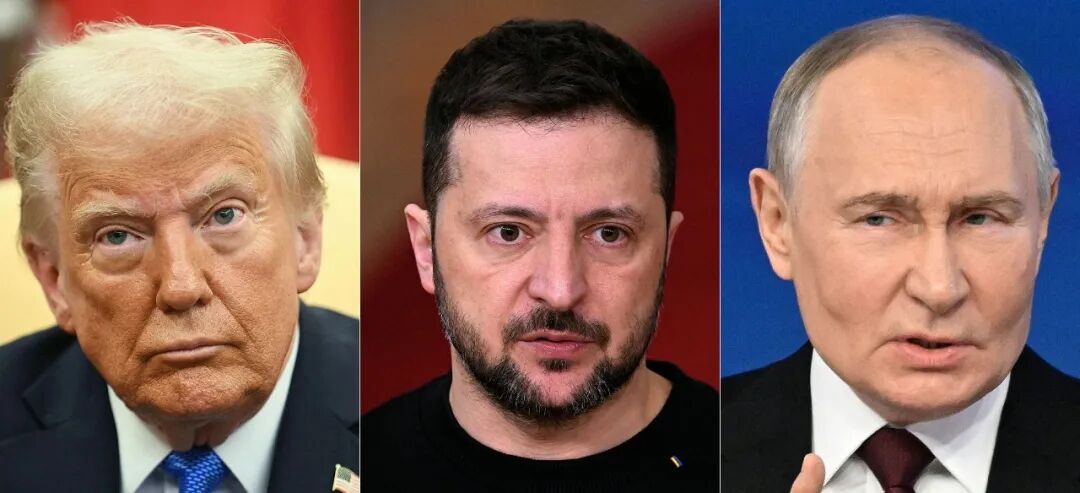
美乌将在瑞士谈判 乌方:将努力以体面的和平结束冲突!普京最新表态
Mei Ri Jing Ji Xin Wen· 2025-11-22 23:27
Group 1 - Ukraine's delegation will participate in negotiations in Switzerland regarding the U.S. "peace plan" to end the conflict, with President Zelensky approving the members and aiming for constructive work towards real peace [1] - The U.S. has set a deadline of November 27 for Ukraine to agree to the peace plan, with President Trump stating that failure to do so will result in continued conflict and a halt in U.S. military support [4][6] - The peace plan includes a comprehensive non-aggression treaty among Russia, Ukraine, and Europe, with Ukraine agreeing not to join NATO and military limitations imposed on its armed forces [8][11] Group 2 - The Ukrainian delegation is led by the head of the President's Office, Andriy Yermak, and includes key security and defense officials, indicating a high-level commitment to the negotiation process [2] - The plan outlines various aspects, including territorial divisions, military restrictions, and economic cooperation, with specific provisions for the recognition of Crimea and parts of Donbas as Russian territory [6][29] - The plan also proposes significant financial commitments from the U.S. and Europe for Ukraine's reconstruction, with $1 trillion in frozen Russian assets earmarked for investment in Ukraine [7][24]
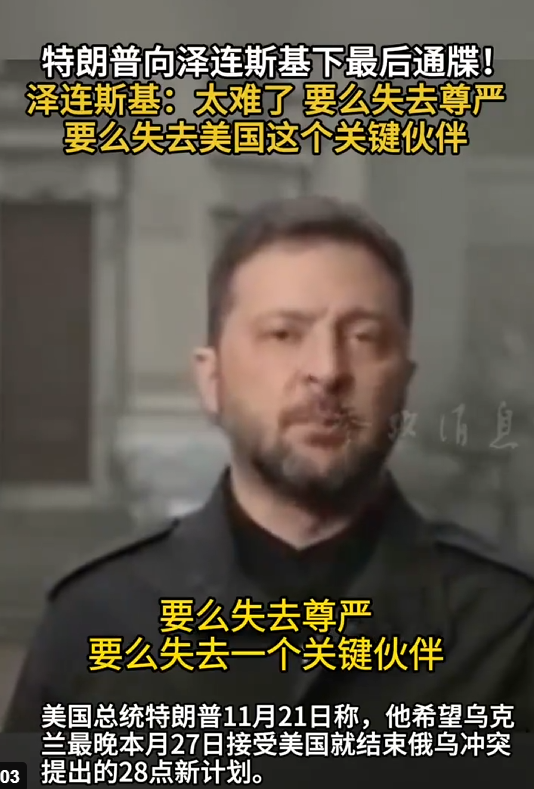
美乌将在瑞士谈判,乌方:将努力以体面的和平结束冲突!特朗普:27日是最后期限,泽连斯基必须同意“28点计划”!普京最新表态
Mei Ri Jing Ji Xin Wen· 2025-11-22 13:26
Group 1 - Ukraine's delegation will participate in negotiations in Switzerland regarding the U.S. "peace plan" to end the conflict, with President Zelensky approving the members and aiming for constructive work towards real peace [1][3] - The delegation is led by Andriy Yermak, with members including key officials from Ukraine's national security and defense sectors, indicating a high-level commitment to the negotiation process [5] - Zelensky emphasized the difficult choice Ukraine faces: either lose dignity or lose the critical partnership with the U.S. [5][7] Group 2 - The U.S. has proposed a "28-point plan" to end the conflict, which includes a mutual non-aggression pact between Russia, Ukraine, and Europe, and Ukraine's commitment not to join NATO [7][9] - Trump stated that November 27 is the deadline for Ukraine to accept the peace plan, warning that failure to do so could result in the cessation of U.S. military support and intelligence sharing [7][9] - Russia's President Putin indicated that the U.S. plan could serve as a basis for a peaceful resolution to the Ukraine issue [8] Group 3 - The leaked "28-point peace plan" outlines various aspects including territorial divisions, military restrictions, and economic cooperation, with specific provisions for Ukraine's sovereignty and security [10][11] - Key points include the recognition of Crimea and parts of Donbas as Russian territory, and a commitment from both sides to refrain from military actions that alter borders [10][44] - The plan also details the use of frozen Russian assets for Ukraine's reconstruction, with a proposed investment of $1 trillion from both the U.S. and Europe [10][34][35]