30万定律

Search documents
今后几年最好的生活方式,把自己调节到低耗模式
洞见· 2026-03-02 12:34
Core Insights - The article emphasizes the importance of adopting a low-consumption lifestyle in the face of economic uncertainty, suggesting that individuals should focus on managing their finances carefully rather than seeking high-risk investments or excessive spending [10][12][22] Group 1: Economic Challenges - Many entrepreneurs are experiencing anxiety and financial strain due to the high costs associated with starting and maintaining businesses, particularly in the live-streaming and e-commerce sectors [6][7][8] - The article highlights a common sentiment among individuals who feel overwhelmed by financial pressures and the unpredictability of their jobs, leading to a cycle of stress and dissatisfaction [18][19] Group 2: Investment and Spending Strategies - The article introduces the "300,000 rule," which suggests that once individuals accumulate a certain amount of savings, they may become reckless with their spending and investments, often leading to financial setbacks [15] - It argues that the best investment strategy is to minimize investments and avoid high-risk ventures, as even well-resourced individuals can face significant losses [15][16] - The article advises individuals to adopt a frugal mindset, emphasizing that small, frequent expenses can accumulate and significantly impact overall savings [16] Group 3: Mental Well-being and Expectations - The article suggests that lowering expectations can lead to greater happiness, as individuals often face disappointment when they set unrealistic goals for their careers and lives [18][19] - It encourages individuals to manage their anxiety by focusing on the present and accepting the uncertainties of life, rather than worrying excessively about potential negative outcomes [19][22]


为什么普通人存够30万后,钱就开始悄悄溜走?真相太扎心了!
Sou Hu Cai Jing· 2025-09-02 15:09
Core Viewpoint - The article discusses the "300,000 yuan law," which suggests that once ordinary families accumulate savings of 300,000 yuan, their money tends to dissipate due to various expenditures such as purchasing cars, homes, and education costs [3][13]. Group 1: Savings and Expenditures - The average savings per household in China is just over 300,000 yuan, but many families do not reach this amount, indicating that 300,000 yuan is a significant threshold for ordinary families [1]. - Many families, upon reaching 300,000 yuan in savings, feel compelled to purchase a car, often influenced by promotional offers that make cars seem affordable [4]. - The desire to buy a home is prevalent among families with savings, leading them to consider properties in smaller cities where they can afford the down payment, which often results in taking on long-term mortgages [6]. Group 2: Education and Healthcare Costs - Families often face substantial expenses related to children's education, including interest classes and tutoring, which can exceed 300,000 yuan over time [9]. - Medical expenses are another significant financial burden, with families spending thousands annually on healthcare, and serious illnesses can deplete savings quickly despite insurance coverage [11].
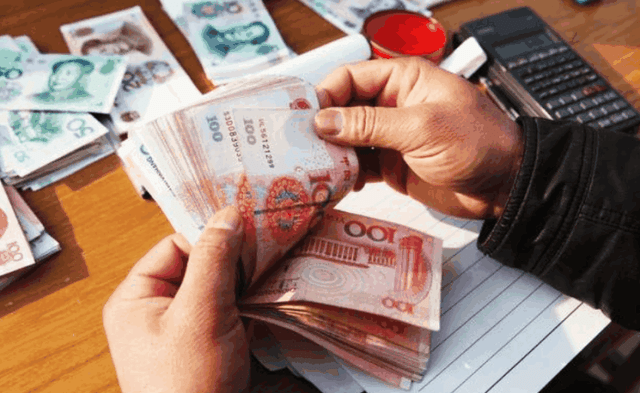
今后几年最好的生活方式,把自己调节到低耗模式
洞见· 2025-07-09 10:23
Group 1 - The article discusses the challenges faced by entrepreneurs in the live-streaming industry, highlighting the high costs and risks associated with investments in this sector [4][5][6] - It emphasizes the importance of maintaining financial stability and suggests that individuals should focus on conserving their resources rather than seeking high-risk investments [10][12] - The article introduces the "30,000 yuan rule," which suggests that once individuals reach a certain savings threshold, they may become reckless with their finances, leading to potential losses [13] Group 2 - The article addresses the psychological pressures many individuals face in today's economy, including job insecurity and financial burdens, which contribute to a sense of anxiety and dissatisfaction [17][18][21] - It offers advice on managing expectations and reducing anxiety, suggesting that lowering one's expectations can lead to greater happiness and contentment in life [25][36] - The article concludes by advocating for a "low-consumption" lifestyle, where individuals focus on managing their finances and mental well-being to navigate life's uncertainties [50][54]