301条款调查

Search documents
US Trade Representative Greer on 15% Tariff, USMCA, EU Trade Deal
Youtube· 2026-02-25 14:09
Group 1 - The new baseline tariff has been set at 10%, with plans to implement a 15% tariff as indicated by the president, aiming for continuity in trade policy [1][2][3] - The administration is reconstructing previous trade policies using alternative tools while maintaining the overall strategy, with a focus on countries that have historically had higher tariffs [4][5][6] - The president's trade policies are designed to address unfair trading practices and ensure compliance from countries with trade surpluses with the U.S. [5][16] Group 2 - Section 301 is being utilized to investigate unfair trading practices on a country-specific basis, with ongoing investigations into countries like Brazil and China [15][17] - The trade deficit has significantly increased, reaching $1.2 trillion, prompting the use of emergency powers to implement tariffs quickly [19][20] - The administration is monitoring the effectiveness of trade policies through metrics such as the trade deficit trend, real wages, and manufacturing productivity [35][36][38] Group 3 - The administration is in discussions with Canada and Mexico regarding the USMCA, addressing issues such as market access and discrimination against U.S. producers [22][23][26] - The president has expressed concerns about the performance of the USMCA and is considering separate negotiations with Canada and Mexico to address specific gaps [25][26] - The administration anticipates legal challenges to the new tariffs but is confident in the legal authority to impose them [28][29]

美国贸易代表办公室:新301条款调查将覆盖大多数主要贸易伙伴
Hua Er Jie Jian Wen· 2026-02-21 09:19
Core Viewpoint - The U.S. Supreme Court has rejected tariffs imposed by the White House under the International Emergency Economic Powers Act, prompting the U.S. Trade Representative's Office (USTR) to initiate a new round of Section 301 investigations targeting the pharmaceutical and technology sectors [1][4]. Group 1: Investigation and Tariff Implications - The new Section 301 investigations will cover a wide range of issues, including industrial overcapacity, forced labor, drug pricing, and discrimination against U.S. tech companies and digital goods [1]. - The USTR plans to set an accelerated timeline for these investigations, indicating that the process will not be lengthy [2]. - If unfair trade practices are identified, tariffs will be one of the tools available to address these issues, potentially leading to increased import costs for affected industries [3]. Group 2: Policy Response to Supreme Court Ruling - The initiation of the Section 301 investigations is a direct response to the Supreme Court's ruling that invalidated tariffs imposed under the International Emergency Economic Powers Act, which ranged from 10% to 50% [4]. - The Trump administration is employing a "combination punch" strategy to fill the policy gap left by the Supreme Court's decision, emphasizing that many tariffs imposed under other legal frameworks remain effective [5]. Group 3: Existing Trade Agreements - Despite ongoing legal battles, the USTR reassures that existing trade agreements negotiated by the Trump administration remain intact and effective [6]. - The USTR has successfully reached framework trade agreements with several countries and signed agreements with seven others, indicating a stable trade foundation despite tariff adjustments [8].
美拟对中国成熟制程芯片加征关税!
国芯网· 2025-03-11 04:45
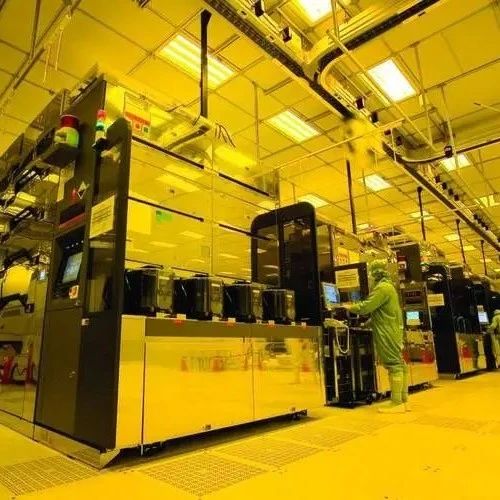
Core Viewpoint - The article discusses the potential impact of the U.S. Trade Representative's hearing on mature process chips manufactured in mainland China, which may lead to increased tariffs under the Trump administration, reflecting ongoing tensions in the semiconductor industry [2]. Group 1: U.S. Trade Actions - The U.S. Trade Representative's office is set to hold a hearing regarding mature process chips from mainland China, which could result in additional tariffs [2]. - The Biden administration previously initiated a Section 301 investigation into China's dominance in traditional semiconductors and its effects on the U.S. economy [2]. - The U.S. has been criticized for its unilateral and protectionist approach, with previous tariffs deemed in violation of WTO rules [2]. Group 2: China's Response - China has expressed strong dissatisfaction with the U.S. actions and has called for respect for facts and multilateral rules, indicating a readiness to defend its rights [3]. - The Chinese semiconductor market holds only a 1.3% share of the U.S. market, highlighting the limited impact of Chinese chips on U.S. imports compared to exports [2]. Group 3: Market Dynamics - The U.S. semiconductor market is heavily subsidized by the Chips and Science Act, with American companies holding nearly half of the global market share, raising questions about the U.S. accusations against China [2].