A股退市制度改革

Search documents
览富年终数据盘点:2025年31家上市公司退市
Sou Hu Cai Jing· 2025-12-31 02:02
Group 1 - The core viewpoint of the article highlights the ongoing reform of the A-share delisting system, which is expected to enhance the quality of the capital market and promote a healthy ecosystem of "survival of the fittest" [1][3][9] - As of December 30, 2025, a total of 31 A-share listed companies have been delisted, primarily due to financial issues, trading violations, major illegal activities, and voluntary delisting [1][3][6] - The delisting process has shifted towards a diversified model, with a focus on mandatory delisting and an acceleration of voluntary delisting [3][6] Group 2 - The year 2025 has seen a significant decrease in the number of delisted companies compared to previous years, with 21 fewer delistings than in 2024 [6] - The environmental protection industry has shown a concentration of delisting cases, with two companies, *ST Xulan and *ST Yuancheng, being delisted due to their stock prices falling below par value [6] - Recent cases of delisting include Guandao Tui, which was forced to delist due to major violations, marking the first such case since the establishment of the Beijing Stock Exchange [8] Group 3 - The regulatory authorities are emphasizing a "zero tolerance" approach to delisting, ensuring that companies that should be delisted are indeed removed from the market [9] - Investor protection measures are being strengthened, with new regulations proposed to safeguard investors' interests during the delisting process [9]



四大证券报精华摘要:12月29日
Zhong Guo Jin Rong Xin Xi Wang· 2025-12-29 00:05
Group 1 - The A-share market is undergoing significant reforms in its delisting system, with keywords for 2025 including "fraud delisting," "occupancy delisting," "voluntary delisting," and "investor protection" [1] - The average position of domestic stock private equity funds remains high at 83.16%, indicating strong confidence among leading private equity investors in the market outlook [1] - The new energy theme funds have shown a remarkable recovery, with an average net value increase of 41.33% over the past year, highlighting structural opportunities in sectors like energy storage and wind power [3] Group 2 - The commercial aerospace sector has seen a surge, with multiple satellite-themed ETFs rising over 10%, while the lithium battery sector remains strong [2] - The total market size of ETFs has surpassed 6 trillion yuan, reflecting a significant increase of over 60% compared to the end of 2024, with substantial net inflows of 915 billion yuan [2] - The lithium battery separator industry is experiencing a wave of mergers and acquisitions, indicating a trend towards industry consolidation and rising product prices due to increased demand [5] Group 3 - The A+H dual listing model is witnessing explosive growth, with 19 A-share companies successfully listing in Hong Kong in 2025, a 533% increase from 2024 [8] - The film market has achieved a record high in box office revenue for the 2025 holiday season, surpassing 5 billion yuan, driven by a diverse range of film releases [7] - Recent adjustments to real estate policies in Beijing aim to stabilize the market, leading to increased activity in both new and second-hand housing markets [7]
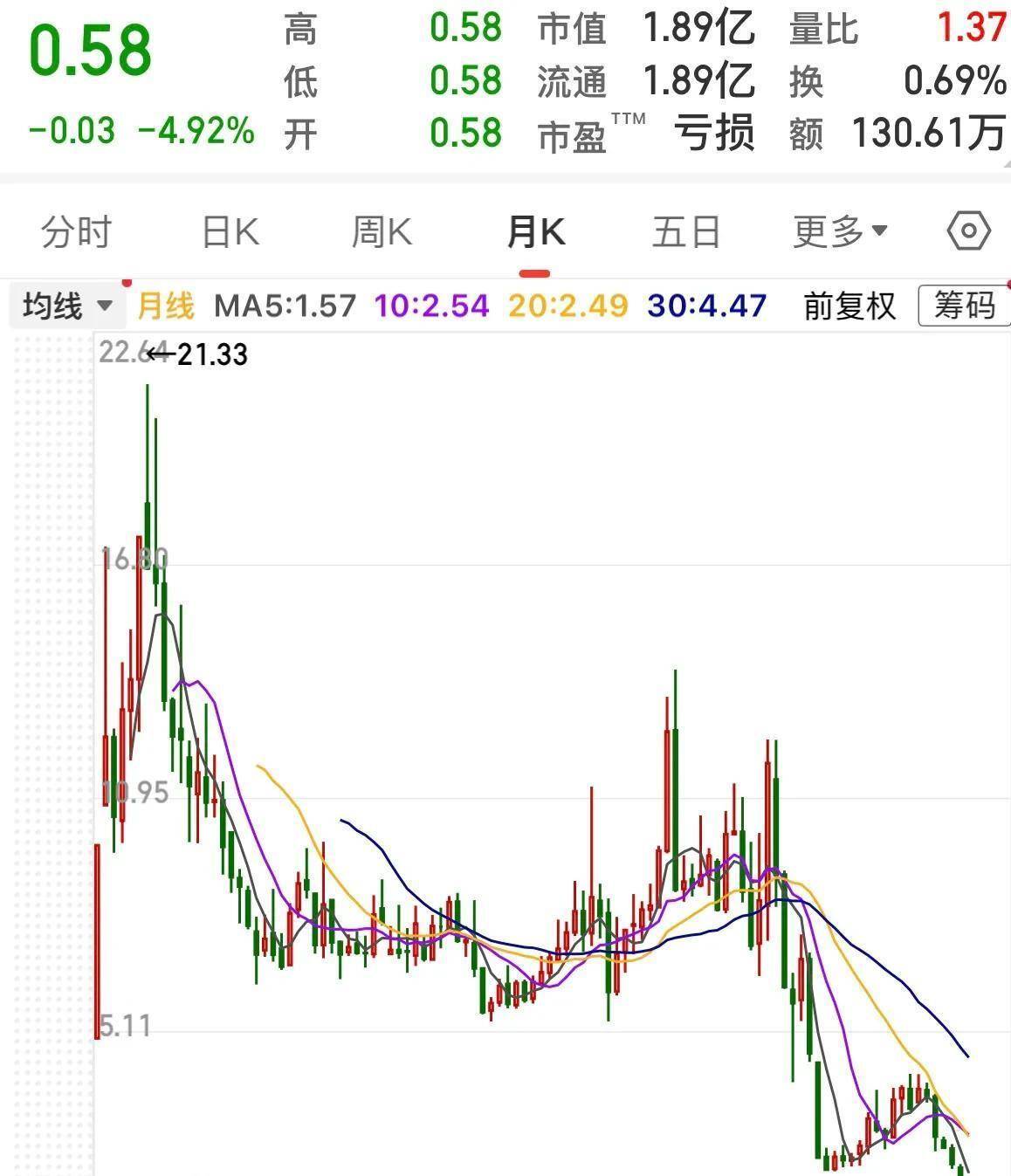
太惨了,从上市跌到退市,最后一天封死跌停,股价锁定0.58
Sou Hu Cai Jing· 2025-11-10 17:47
Core Viewpoint - ST Hongda (formerly stock code: 002002) officially delisted from A-shares on January 18, 2024, after its stock price fell below the par value of 1 yuan for 20 consecutive trading days, marking the end of its journey in the A-share market [1][4]. Group 1: Company Background - Hongda Xinye, originally Jiangsu Qionghua, was listed on the Shenzhen Stock Exchange on June 25, 2004, and was once a "star stock" in the market, primarily engaged in the production of PVC sheets and boards [3]. - After Guangdong Hongda Xinye Group took over in 2011, the company rebranded and shifted focus to hydrogen energy and new materials, claiming to have built China's first civilian liquid hydrogen plant [4]. Group 2: Financial and Operational Issues - The company faced severe financial difficulties starting around 2021, with the controlling shareholder experiencing a debt crisis that led to significant defaults and litigation, severely impacting the company's liquidity and operations [4][6]. - In September 2023, the company was investigated by the China Securities Regulatory Commission (CSRC) for suspected violations of information disclosure laws, leading to a collapse in market confidence and a series of trading halts [5][6]. Group 3: Delisting and Aftermath - Following its delisting, Hongda Xinye's stock price continued to plummet, experiencing 36 consecutive trading halts, dropping from 0.58 yuan to a low of 0.12 yuan [1][6]. - In March 2025, nearly a year after delisting, the Jiangsu Securities Regulatory Bureau issued a notice revealing that the company had inflated its revenue by 3.505 billion yuan and profits by 4.078 billion yuan from 2020 to 2023, with severe financial misconduct [6][8]. Group 4: Regulatory Actions and Market Implications - The regulatory authorities imposed fines totaling 57.8 million yuan on Hongda Xinye and eight executives, with the actual controller facing a lifetime ban from the securities market [8]. - The case highlights the ongoing reforms in the A-share delisting system, with 46 companies delisted in 2023 and an increasing focus on diverse delisting types, including those related to financial misconduct [8][12].