AI+文博

Search documents
AI讲解员上岗美术馆,能否实现艺术普惠?
Guan Cha Zhe Wang· 2026-01-24 02:38
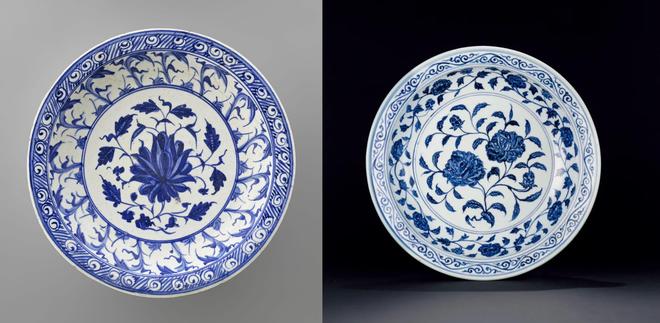
Core Insights - The article discusses the scarcity of "interpretation resources" in the public education system of art, which limits public engagement in cultural institutions [1] - AI technology is being introduced to address the challenges faced by museums and galleries in providing personalized and dynamic art explanations [2][5] Group 1: Current Challenges in Art Interpretation - The art exhibition sector faces three main challenges: limited professional human resources, static content in traditional audio guides, and a lack of depth in interpretations that cater to diverse audience needs [2] - Many visitors leave exhibitions with unanswered questions due to the absence of personalized explanations [2][5] Group 2: AI Integration in Museums - The Shanghai Pudong Art Museum has introduced an AI product, "Doubao," as an official AI guide for two international exhibitions, marking a significant step in the "AI + cultural heritage" model [1][8] - Doubao's AI model can accurately analyze and explain intricate details of artworks, providing immediate responses to audience inquiries, thus enhancing the visitor experience [5][6] Group 3: Transformation of Visitor Experience - The collaboration between Doubao and the Pudong Art Museum represents a systematic innovation in traditional exhibition models, allowing for interactive upgrades in art interpretation [6] - AI facilitates a shift from passive observation to active exploration, enabling visitors to engage more deeply with artworks [6][7] Group 4: Cultural Accessibility and Inclusivity - The partnership aims to provide a practical technological solution for "cultural inclusivity," making high-quality art interpretation accessible to a broader audience [8] - AI transforms professional art explanations into a low-cost, readily available public resource, allowing anyone with a smartphone to access expert-level insights [8][9] Group 5: Industry Implications and Future Directions - Doubao's model has been successfully implemented in various national museums, demonstrating its adaptability across different venues [9] - The introduction of AI in art interpretation is seen as a way to expand the boundaries of knowledge transfer, while still emphasizing the importance of human interaction in cultural experiences [7][9]


AI走进美术馆,能否实现艺术普惠?
Guan Cha Zhe Wang· 2026-01-24 02:25
Core Insights - The article discusses the scarcity of "interpretation resources" in the public education system of art, which limits public engagement in cultural institutions [1] - AI technology is being introduced to address the challenges faced by museums and art galleries in providing personalized and dynamic explanations of exhibits [2][4] Group 1: Current Challenges in Art Interpretation - The art exhibition sector faces three main challenges: limited professional human resources, static content in traditional audio guides, and a lack of depth in interpretations that cater to diverse audience needs [2] - Many visitors leave exhibitions with unanswered questions due to the absence of personalized explanations [2] Group 2: AI Integration in Museums - The Shanghai Pudong Art Museum has introduced an AI product named "Doubao" as an official AI guide for two international exhibitions, marking a significant step in integrating AI into the cultural sector [1][4] - Doubao's AI model can provide detailed analyses of similar artifacts, enhancing the visitor experience by allowing for immediate follow-up questions and deeper understanding of the exhibits [4][5] Group 3: Enhancing Visitor Experience - Doubao offers interactive features such as video calls and image recognition, catering to both immediate interaction and silent usage preferences [5] - The AI's role is evolving from a mere knowledge provider to a facilitator of thoughtful engagement, allowing visitors to explore art more freely and deeply [5][6] Group 4: Cultural Accessibility and Inclusivity - The collaboration between Doubao and the museum represents a technological solution for cultural inclusivity, making high-quality art interpretation accessible to a broader audience [7][8] - AI is transforming professional art interpretation into a low-cost, readily available public resource, enabling equal access to art knowledge for all demographics [8] Group 5: Future Directions and Limitations - While AI can enhance cultural services, it is emphasized that human interaction remains essential, and AI should complement rather than replace human guides [6][9] - Future developments could include more inclusive features, such as voice guides for visually impaired individuals and multilingual support for international visitors [9]