
AI+脑机

Search documents
又一地明确价格!脑机接口收费路径逐渐清晰
财联社· 2026-01-10 07:01
Core Insights - The article discusses the establishment of pricing for brain-computer interface (BCI) medical services in various provinces in China, highlighting the integration of these services into the healthcare system and the support from government policies [4][5][10]. Pricing and Policy Developments - The Sichuan Provincial Medical Insurance Bureau has set a maximum price for BCI services, effective from April 30, 2026, with different pricing based on hospital levels for invasive procedures [4]. - Other provinces, including Hubei, Zhejiang, and Jiangsu, have also established pricing for BCI services, with costs for invasive procedures ranging from approximately 6,000 to 6,600 yuan per procedure [5][6][7]. - The pricing structure includes insertion fees, removal fees, and adaptation fees, with some provinces incorporating non-invasive adaptation fees into insurance coverage [5][8]. Government Support and Strategic Planning - The Chinese government has outlined a strategic plan to support the BCI industry through policies that focus on planning, payment, and standards, aiming for significant advancements by 2030 [10][11]. - Multiple provinces have released action plans to promote BCI innovation and commercialization, with specific targets for clinical applications and production [11]. Technological Advancements and Market Potential - The article notes that while invasive BCI products are still in clinical trials, non-invasive products have begun to enter the market, indicating a growing application space [12]. - The industry is at a critical juncture where technological breakthroughs are expected to lead to commercial viability, supported by favorable policies and anticipated production from companies like Neuralink [15][17]. Investment Opportunities - Analysts suggest focusing on key segments of the BCI industry, including hardware suppliers, companies with core patents, and those involved in rehabilitation and industrial applications [15][16]. - Specific companies are highlighted as potential beneficiaries of the BCI market growth, including Aipeng Medical, Lepu Medical, and Xiangyu Medical, among others [16].

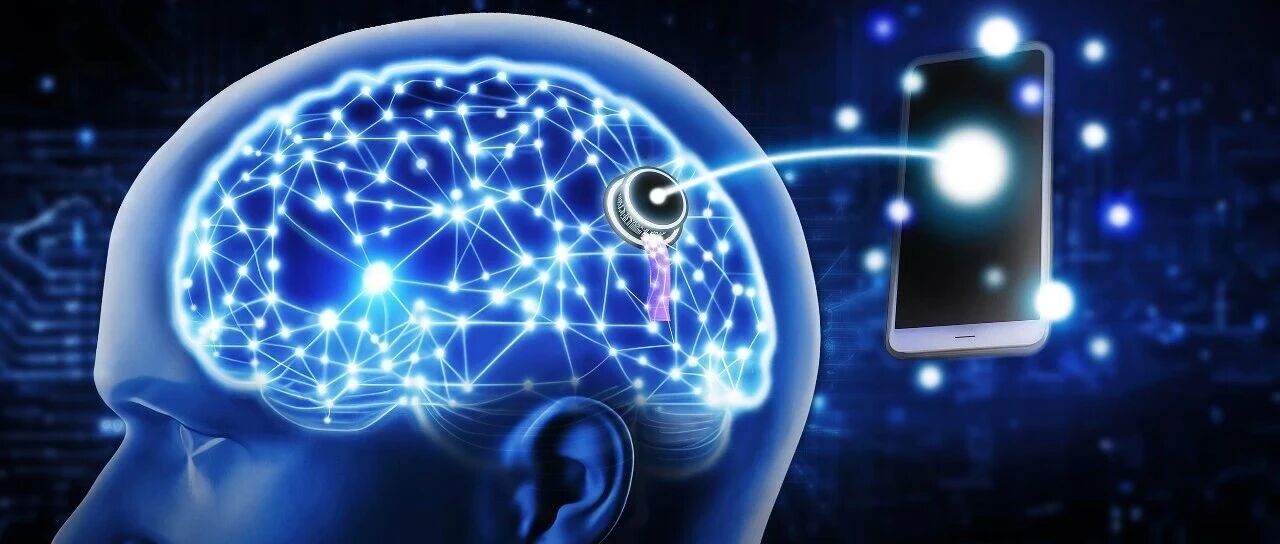
国信证券:技术突破与商业化共振 关注脑机接口未来产业
智通财经网· 2026-01-07 03:42
Core Insights - The report from Guosen Securities indicates that brain-computer interfaces (BCIs) have reached a critical juncture for transitioning from technological breakthroughs to commercial viability, anchored by the "policy + technology + scenario" framework [1] - The industry is benefiting from policy incentives such as the 14th Five-Year Plan, medical insurance coding, and the establishment of medical device standards, alongside the anticipated mass production by Neuralink and breakthroughs in domestic clinical applications, suggesting a potential explosive growth in the global market [1] Product Development - In terms of product offerings, invasive products are still in clinical trials, while non-invasive products have seen some market entry, including medical brain-computer interface systems for motor rehabilitation and consumer sleep aids [1] - With advancements in chips, electrodes, and algorithms, along with the continuous improvement of regulatory standards, it is expected that brain-computer interface products will experience intensive commercialization in the coming years [1] Investment Recommendations - The report suggests focusing on core segments of the industry chain and technological pathways, prioritizing companies with competitive advantages [1] - For upstream investments, attention should be given to hardware suppliers of EEG sensors and core chips, which will benefit from the demand surge due to equipment mass production [1] - Midstream investments should target companies with core patents and clinical resources, particularly those in the invasive sector that can benchmark against international standards and those in the non-invasive sector that can quickly implement solutions [1] - Downstream, it is advisable to track companies that form commercial closed loops in rehabilitation medicine and industrial control, while also considering synergistic opportunities in "AI + brain-computer" and "robotics + brain-computer" ecosystems [1]
北京脑机接口交互技术位于全球头部行列
Bei Jing Qing Nian Bao· 2026-01-06 18:27
Core Insights - The "North Brain No. 1" GCP multi-center clinical trial is set to officially launch in October 2025, aiming for approval of Class III medical device certification within 2 to 3 years, significantly improving the quality of life for patients with severe conditions like paralysis [4][5] - Beijing is positioning itself as a leader in the brain-computer interface (BCI) sector, with a focus on rapid transformation from research to clinical application and industrialization, as part of its strategic layout for future industries [4][5] - The establishment of a 300 million yuan special fund to support enterprise incubation in the BCI field reflects the city's commitment to fostering innovation and technological advancement [4][6] Clinical Trials and Innovations - The "North Brain No. 1" device has already undergone preliminary clinical trials, with six successful human implantations reported, demonstrating significant improvements in motor and speech functions for patients with spinal cord injuries and strokes [5][6] - The clinical trial process is rigorous, involving patient recruitment, ethical approvals, and extensive pre- and post-operative training to ensure safety and efficacy [6] - The device utilizes a semi-invasive approach, which minimizes risks associated with traditional invasive methods while maintaining high signal quality [4][5] Industry Development and Support - Beijing's "AI + Brain Machine" strategy is part of a broader initiative to integrate advanced technologies into healthcare, with the goal of establishing a robust ecosystem for BCI innovation by 2030 [4][6] - The establishment of the Changping Brain Science and Brain-Computer Interface Industrial Park is a key component of this strategy, aiming to create a billion-level industrial cluster by 2030 [5][6] - The city has also introduced policies to support research and development in the BCI sector, including financial assistance for companies seeking medical device approvals [6]
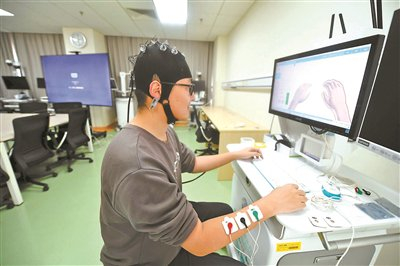
脑机接口发展进入快车道
Jing Ji Ri Bao· 2025-12-22 01:07
Group 1 - The core viewpoint of the articles highlights the rapid advancement and application of brain-computer interface (BCI) technology across various sectors, driven by government policies and initiatives aimed at fostering innovation and industrial development by 2030 [1][2][7] - The Ministry of Industry and Information Technology and other departments have issued guidelines to establish a competitive BCI industry ecosystem by 2030, promoting technology from laboratory settings to large-scale applications [1] - Multiple regions, including Beijing and Guangdong, are actively developing BCI industries through policy support, standardization efforts, and collaborative platforms to overcome initial industry challenges [2][3][7] Group 2 - Beijing's action plan emphasizes the importance of standardization in BCI technology, drawing on experiences from the 5G sector to accelerate the development of common technical standards [2] - Guangdong has seen BCI technology applied in healthcare, consumer electronics, and educational training, with local governments enhancing policy guidance and building collaborative platforms to support industry growth [3][4] - The establishment of clinical bases and innovation centers in Guangdong aims to facilitate the clinical application of BCI technology, integrating various medical disciplines to enhance the technology's implementation [7][8] Group 3 - The BCI industry is witnessing significant breakthroughs, with companies like Beijing Zhiran Medical Technology successfully completing clinical implants of advanced BCI systems, showcasing the potential for mass production and clinical applications [6] - The recent BCI product launch event in Shanghai featured multiple new products, indicating a shift from basic research to clinical application in the BCI field [4][5] - The establishment of the "Brain Intelligence World" industrial cluster in Shanghai aims to create a collaborative innovation ecosystem, attracting top enterprises and supporting the growth of the BCI industry [7][8]
多地前瞻布局,产业加速融合——脑机接口发展进入快车道
Jing Ji Ri Bao· 2025-12-22 00:07
Core Insights - Brain-computer interface (BCI) technology is rapidly penetrating various fields, with applications expanding continuously. The Ministry of Industry and Information Technology and six other departments issued a document in July, aiming to build a competitive industrial ecosystem by 2030 [1] Group 1: Policy and Standardization - Beijing's market supervision authority and other departments released an action plan for 2025-2027, focusing on standardization in strategic emerging fields like BCI, drawing from experiences in the 5G sector [2] - Shanghai has introduced a future industry cultivation action plan for 2025-2030, emphasizing project management, task lists, and funding to strengthen the BCI industry chain and innovation [2] - Shanghai is also constructing a medical device standard system for BCI under the guidance of the National Medical Products Administration, aiming to streamline testing and registration processes [2] Group 2: Application and Development - In Guangdong, BCI technology is being applied in healthcare, consumer electronics, and educational training, with products like AI wheelchairs and nursing beds undergoing clinical trials [3] - The province's 14th Five-Year Plan highlights the need to explore diverse technological routes and business models for BCI, positioning it as a new economic growth point [3] - Key research institutions in Guangdong are leading BCI applications across various fields, including elderly care and public safety, with products already in clinical trials [4] Group 3: Technological Advancements - A second-generation 256-channel wireless implanted BCI system was recently unveiled, enhancing signal collection precision for patients with motor function disorders [5] - Beijing Zhiran Medical Technology Co., established in 2022, successfully completed the first domestic clinical implantation of a high-channel invasive flexible BCI, showcasing advancements in core components and mass production capabilities [6] Group 4: Ecosystem Construction - The "Brain Intelligence World" BCI cluster in Shanghai is developing rapidly, supported by clinical resources from Fudan University and aiming to create a collaborative innovation ecosystem [7] - Guangdong's population and healthcare market are central to BCI development, with a new clinical transformation base established to facilitate smoother integration of BCI technology into medical practice [7][8] - Beijing is enhancing the integration of AI and BCI data, fostering a complete industrial chain from research to application, and launching a data platform to support innovation [9]
多地前瞻布局、产业加速融合 脑机接口发展进入快车道
Jing Ji Ri Bao· 2025-12-21 23:23
Core Insights - Brain-computer interface (BCI) technology is rapidly penetrating various fields, with applications expanding continuously. The Ministry of Industry and Information Technology and six other departments issued an implementation opinion in July, aiming to build a competitive industrial ecosystem by 2030 [1] Group 1: Policy and Standardization - Beijing's market supervision bureau and other departments released an action plan for 2025-2027, focusing on standardization in strategic emerging fields like BCI, drawing on experiences from the 5G sector [2] - Shanghai's action plan for BCI development emphasizes a comprehensive approach, including project management, task lists, and funding to create a globally influential BCI innovation hub [2] - Shanghai is also constructing a medical device standard system for BCI under the guidance of the National Medical Products Administration, aiming to streamline testing and registration processes [2] Group 2: Application and Market Development - In Guangdong, BCI technology is being applied in healthcare, consumer electronics, and educational training, with products like AI wheelchairs and nursing beds undergoing clinical trials [3] - The province's 14th Five-Year Plan highlights BCI as a future industry, exploring diverse technology routes and business models to drive economic growth [3] - Guangzhou and Shenzhen are enhancing policy guidance and collaboration platforms to address initial industry challenges, with initiatives like the construction of a BCI industrial park [3] Group 3: Technological Advancements and Clinical Applications - Various regions are accelerating the transition from technological breakthroughs to industrial applications in BCI, with Guangdong's key research institutions leading the way [4] - A recent BCI product launch event in Shanghai showcased advancements in both invasive and non-invasive technologies, indicating significant progress from basic research to clinical applications [4][5] - Beijing's Zhiran Medical Technology successfully completed the first domestic clinical implantation of a high-channel invasive BCI, marking a milestone in the field [6] Group 4: Ecosystem Development - The "Brain Intelligence World" BCI cluster in Shanghai is being developed to foster collaboration among leading and startup companies, supported by tailored policies and financial incentives [7] - Guangdong's medical market is becoming a core area for BCI, with a new clinical transformation base established to facilitate smoother integration of BCI technology into healthcare [7][8] - Beijing is enhancing the integration of AI and BCI data, aiming to create a high-level innovation and industrial hub for BCI technology [9]
多地前瞻布局,产业加速融合—— 脑机接口发展进入快车道
Jing Ji Ri Bao· 2025-12-21 21:56
Core Insights - Brain-computer interface (BCI) technology is rapidly penetrating various fields, with applications expanding continuously. The Ministry of Industry and Information Technology and six other departments issued an implementation opinion in July, aiming to build a competitive industrial ecosystem by 2030 [1] Group 1: Policy and Standardization - Beijing's market supervision bureau and other departments released an action plan for 2025-2027, focusing on standardization in strategic emerging fields like BCI, drawing on experiences from the 5G sector [2] - Shanghai's action plan for 2025-2030 emphasizes a comprehensive mechanism for BCI industry cultivation, aiming to create a globally influential innovation hub [2] - Shanghai is actively constructing a medical device standard system for BCI under the guidance of the National Medical Products Administration, with the first industry standard already published [2] Group 2: Application and Development - In Guangdong, BCI technology is being applied in healthcare, consumer electronics, and educational training, with products like AI wheelchairs and nursing beds undergoing clinical trials [3] - The Guangdong provincial plan highlights BCI as a future industry, exploring diverse technology routes and business models to drive economic growth [3] - The Guangdong Provincial Laboratory has made significant breakthroughs in BCI applications, including a mindfulness meditation system that is popular in the U.S. [4] Group 3: Industry Ecosystem and Collaboration - The "Brain Intelligence World" BCI cluster in Shanghai is being developed, leveraging clinical resources from Fudan University to create a collaborative innovation ecosystem [7] - Guangdong's clinical transformation base for BCI integrates multiple disciplines to facilitate smoother technology application in healthcare [7][8] - Beijing's "AI + BCI" industry innovation meeting introduced several initiatives to boost the development of the BCI sector, emphasizing the integration of AI and BCI data [9]
北京“AI+脑机”产业创新工作推进会发布多项成果举措
Zhong Guo Jing Ji Wang· 2025-11-25 06:21
Group 1 - The "AI + Brain-Computer Interface" industry innovation promotion conference in Beijing showcased significant initiatives and achievements, injecting new vitality into the development of the "AI + Brain-Computer" industry [1] - Brain-computer interface technology is reshaping diverse fields such as medical rehabilitation, smart terminals, industrial safety, and education, with data and model-driven dual empowerment being a key indicator for scaling applications [1] - Beijing is prioritizing the "AI + Brain-Computer" strategy, aiming to accelerate innovation and integration of technology and industry, and establish itself as a high-level innovation hub for brain-computer interfaces [1] Group 2 - Tsinghua University is committed to strengthening core technology research in brain-computer interfaces and enhancing collaboration between basic research and clinical medicine, focusing on the "AI + Brain-Computer Data" initiative [2] - A new "AI + Brain-Computer Data" platform will be launched to integrate multi-modal brain data resources, breaking down data barriers and providing high-quality, standardized data resources for innovation [2] - The establishment of the Zhongguancun Brain-Computer Interface Industry Association aims to facilitate collaborative research, result transformation, standard system construction, talent cultivation, and the development of an innovative ecosystem [2] Group 3 - The brain-computer interface industry is entering a rapid development phase, with a consensus among participants that high-quality data platform construction is essential for optimizing algorithms and accelerating product development [3] - Haidian District in Beijing is recognized as a core area for the pharmaceutical and health industry, providing a complete industrial chain from research and development to application, which supports the development and implementation of "AI + Brain-Computer" technology [3]
北京亮出多项“AI+脑机”新成果 将加速打造全球脑机接口创新与产业高地
Xin Lang Cai Jing· 2025-11-22 23:36
Core Viewpoint - The "AI + Brain-Computer Interface" industry in Beijing is gaining momentum with the introduction of innovative initiatives and achievements, particularly in the field of neural electrodes that can help visually impaired patients perceive complex images and colors [1] Group 1: Industry Developments - The event was co-hosted by multiple organizations including the Beijing Municipal Science and Technology Commission, Zhongguancun Management Committee, Haidian District People's Government, Tsinghua University, and the China Academy of Information and Communications Technology [1] - Several initiatives and achievements related to brain-computer interface technology were announced, indicating a significant push for the development of the "AI + Brain-Computer Interface" industry in Beijing [1] Group 2: Technological Innovations - The introduction of "bio-organizational scaffold neural electrodes" that can operate invisibly within the brain represents a breakthrough, allowing blind patients to "see" complex patterns and vibrant colors [1]
“AI+脑机数据”平台在京发布 加速关键技术与创新产品研发
Zhong Guo Xin Wen Wang· 2025-11-22 13:10
Group 1 - The core theme of the "AI + Brain-Computer Interface" industry innovation conference held in Beijing is to leverage brain-machine data advantages and explore innovative development paths for brain-machine interfaces and artificial intelligence, contributing to the high-quality development of the brain-machine interface industry in Beijing [1] - The conference serves as a platform for showcasing achievements and a link for industry collaboration, with multiple initiatives and results in the brain-machine interface industry being announced to inject new vitality into the "AI + Brain-Computer Interface" industry development in Beijing [3] Group 2 - A new "AI + Brain-Computer Data" platform was launched, led by Tsinghua University, aimed at integrating cross-scale and multi-modal brain data resources to break down data barriers and provide high-quality, standardized data resources and analytical tools for innovation entities, accelerating the development of key technologies and innovative products [4] - The establishment of the Zhongguancun Brain-Computer Interface Industry Association is being prepared, led by the China Academy of Information and Communications Technology, focusing on collaborative breakthroughs in brain-computer interface technology, results transformation, standard system construction, professional talent cultivation, and building an innovative ecosystem for the industry [4] - Haidian District is recognized as a national high ground for artificial intelligence development and a source of "AI + Brain-Computer" data, with a complete industrial chain from research and development to application, showcasing unique advantages in basic disciplines, clinical resources, and talent [4] Group 3 - Six innovative achievements in brain-computer interfaces were showcased, including a multi-modal general foundational model for brain science and an AI precision diagnosis system for brain diseases [5] - The company Ming Vision Brain Machine presented its latest achievement in visual reconstruction, successfully demonstrating the functional interactive verification of complex graphics and various colors, marking a significant advancement in visual reconstruction technology [5] - The event was co-hosted by the Beijing Municipal Science and Technology Commission, Zhongguancun Management Committee, Haidian District People's Government, Tsinghua University, and the China Academy of Information and Communications Technology [5]
