AI与高阶自动驾驶

Search documents
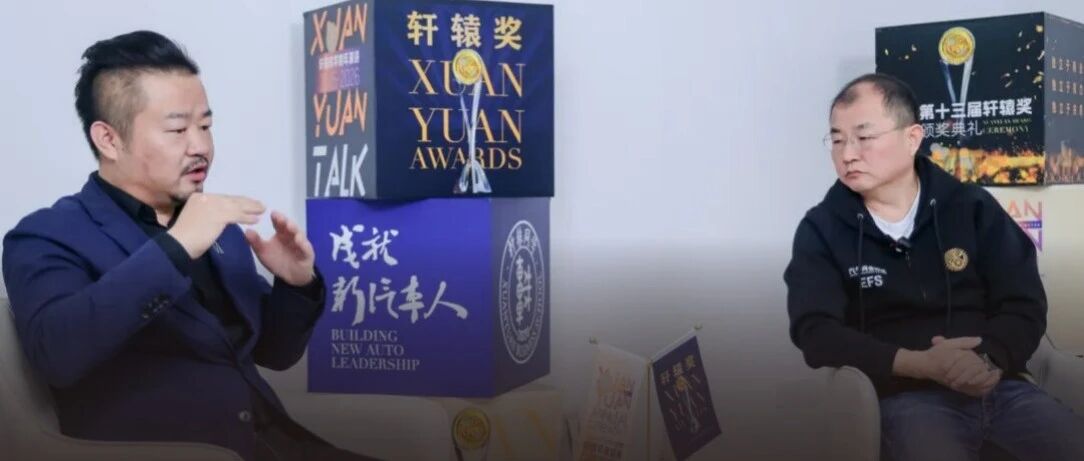
贾可对话王谭:“我在小鹏吵了职业生涯最多的架”
汽车商业评论· 2026-01-04 23:05
Core Viewpoint - The article discusses the journey of Wang Tan, the head of design at Xiaopeng Motors, highlighting his design philosophy that balances rationality and emotion, and his commitment to creating innovative automotive designs that resonate with users globally [4][6][9]. Group 1: Wang Tan's Background and Philosophy - Wang Tan transitioned from running his own design company to becoming a key figure in Xiaopeng Motors, where he has significantly influenced the company's design trajectory [8][12]. - He emphasizes a balanced approach to design, integrating rational engineering constraints with emotional user experiences, aiming for an optimal solution that resonates with consumers [11][14]. - His diverse interests in flying and music shape his design philosophy, allowing him to draw inspiration from both technical precision and artistic expression [11][12]. Group 2: Design Process and Challenges - The design process for the new Xiaopeng P7 involved extensive collaboration and debate within the team, highlighting the challenges of aligning different perspectives to achieve a cohesive design [21][23]. - Wang Tan faced significant resistance to certain design elements, such as the black trim on the hood, but he successfully advocated for these features by articulating their importance to the overall design philosophy [25][26]. - The iterative design process involved narrowing down hundreds of initial concepts to a few final options, ensuring that the design met both aesthetic and functional requirements [26][28]. Group 3: Future of Automotive Design - Wang Tan believes that the future of automotive design will be influenced by AI and advanced automation, which will necessitate new design languages to convey the intelligence of vehicles [35][36]. - He asserts that successful design must transcend cultural boundaries, focusing on universal aesthetics that appeal to a global audience while remaining rooted in understanding local user needs [32][33]. - The goal is to create vehicles that not only serve as transportation but also as innovative living spaces, reflecting a shift in how people interact with their vehicles [35][36].