
小鹏P7

Search documents
小米、比亚迪、文远知行发布2025年财报!小鹏汽车改名小鹏集团!零跑A10、莲花FOR ME、铂智7上市!与众08、问界M6开启预售!丨一周大事件
电动车公社· 2026-03-29 16:06
New Car Launches - Toyota's Platinum 7 launched with a price range of 169,800 to 229,800 yuan [2] - Lotus FOR ME launched with a price range of 508,000 to 558,000 yuan [12] - Xiaopeng P7 Max version launched with a price range of 203,800 to 301,800 yuan [4] - Leap A10 launched with a price range of 65,800 to 86,800 yuan [5] - BYD Song Ultra EV launched with a price range of 151,900 to 179,900 yuan [36] - New Tengshi D9 pre-sale started with a price range of 389,800 to 489,800 yuan [7] - Aito M6 pre-sale started with a price range of 269,800 to 309,800 yuan [9] - Zhiji LS8 pre-sale started with a price range of 259,800 to 309,800 yuan [10] - With You 08 pre-sale started with a price range of 239,900 to 299,900 yuan [12] - FAW Audi A6L e-tron pre-sale started with a price range of 313,000 to 443,000 yuan [12] - Chery Wind Cloud T9L pre-sale started with a price range of 139,900 to 169,900 yuan [13] Company Developments - Xiaomi's automotive business revenue exceeded 100 billion yuan for the first time [102] - FREELANDER brand officially announced by Chery and Jaguar Land Rover [105] - WeRide projected revenue of 690 million yuan for 2025, a 123% year-on-year increase [108] - Xiaopeng Motors rebranded as Xiaopeng Group [111] - Changan Automobile's Brazil factory officially commenced production [114] - BYD reported 2025 revenue of 804 billion yuan, a 3.46% year-on-year increase [117]






【联合发布】一周新车快讯(2026年3月14日-3月20日)
乘联分会· 2026-03-20 08:52
Core Viewpoint - The article provides an overview of new vehicle models set to launch in March 2026, highlighting specifications, market segments, and pricing strategies for various manufacturers in the automotive industry [2][3]. Group 1: Chery New Energy - The iCAR V27 is scheduled for release on March 13, 2026, positioned as a C SUV with a starting MSRP of 16.98 million to 19.68 million [7]. - It features a 1.5T range extender engine paired with an EVT transmission, offering a pure electric range of 200 to 210 km (CLTC) [6][7]. - The vehicle dimensions are 5,055 mm in length, 1,976 mm in width, and 1,894 mm in height, with a wheelbase of 2,910 mm [7]. Group 2: SAIC-GM-Wuling - The Wuling Bingguo S will launch on March 13, 2026, as an AO HB with an MSRP of 8.98 million [15]. - It is powered by a pure electric engine and EVT transmission, providing a pure electric range of 525 km (CLTC) [14][15]. - The vehicle's dimensions are 4,265 mm in length, 1,785 mm in width, and 1,600 mm in height, with a wheelbase of 2,610 mm [15]. Group 3: BYD Auto - The Fangchengbao Titanium 3 is set to debut on March 13, 2026, classified as an A SUV with an MSRP ranging from 15.38 million to 16.98 million [23]. - It features a pure electric engine with an EVT transmission, offering a pure electric range of 565 to 620 km (CLTC) [22][23]. - The vehicle dimensions are 4,605 mm in length, 1,900 mm in width, and 1,720 mm in height, with a wheelbase of 2,745 mm [23]. Group 4: Buick - The Buick Zhijing Shijia will be launched on March 17, 2026, as a C MPV with an MSRP of 48.99 million [31]. - It is equipped with a pure electric engine and EVT transmission, providing a pure electric range of 601 km (CLTC) [31]. - The vehicle dimensions are 5,260 mm in length, 2,023 mm in width, and 1,820 mm in height, with a wheelbase of 3,160 mm [31]. Group 5: ARCFOX - The ARCFOX Alpha S5 is scheduled for release on March 18, 2026, classified as a B NB with an MSRP ranging from 10.48 million to 17.38 million [37]. - It offers both range extender and pure electric options, with a pure electric range of 630 to 720 km (CLTC) [36][37]. - The vehicle dimensions are 4,886 mm in length, 1,930 mm in width, and 1,480 mm in height, with a wheelbase of 2,900 mm [37]. Group 6: XPeng Motors - The XPeng P7 will launch on March 18, 2026, as a C NB with an MSRP ranging from 20.38 million to 24.38 million [45]. - It features a pure electric engine with an EVT transmission, offering a pure electric range of 702 to 820 km (CLTC) [44][45]. - The vehicle dimensions are 5,017 mm in length, 1,970 mm in width, and 1,427 mm in height, with a wheelbase of 3,008 mm [45]. Group 7: FAW-Volkswagen - The Audi A5L is set to be released on March 19, 2026, classified as a B NB with an MSRP of 34.68 million [53]. - It is powered by a 2.0T engine paired with a DCT7 transmission [52][53]. - The vehicle dimensions are 4,908 mm in length, 1,860 mm in width, and 1,448 mm in height, with a wheelbase of 2,969 mm [53]. Group 8: Xiaomi Auto - The Xiaomi SU7 will launch on March 19, 2026, as a C NB with an MSRP ranging from 21.99 million to 30.39 million [61]. - It features a pure electric engine with an EVT transmission, offering a pure electric range of 720 to 902 km (CLTC) [60][61]. - The vehicle dimensions are 4,997 mm in length, 1,963 mm in width, and 1,460 mm in height, with a wheelbase of 3,000 mm [61]. Group 9: Chery Auto - The Chery Jetour X70 is scheduled for release on March 19, 2026, classified as a B SUV with an MSRP ranging from 9.99 million to 10.69 million [66]. - It is powered by a 1.5T engine with options for 6MT and DCT6 transmissions [66]. - The vehicle dimensions are 4,749 mm in length, 1,900 mm in width, and 1,720 mm in height, with a wheelbase of 2,745 mm [66]. Group 10: Chery Auto - The Chery Jetour Shanhai L7 will launch on March 19, 2026, as a B SUV with an MSRP ranging from 11.49 million to 13.19 million [76]. - It features a 1.5T plug-in hybrid engine with a 2DHT transmission, offering a pure electric range of 130 km (CLTC) [75][76]. - The vehicle dimensions are 4,749 mm in length, 1,900 mm in width, and 1,720 mm in height, with a wheelbase of 2,745 mm [76]. Group 11: Volvo - The Volvo EX30 is set to debut on March 20, 2026, classified as an AO SUV with an MSRP ranging from 20.38 million to 25.58 million [84]. - It features a pure electric engine with EVT transmission, offering a pure electric range of 410 to 590 km (CLTC) [83][84]. - The vehicle dimensions are 4,299 mm in length, 1,838 mm in width, and 1,555 mm in height, with a wheelbase of 2,650 mm [84].


新款小米SU7,“融冰”比销量更重要
虎嗅APP· 2026-03-20 07:39
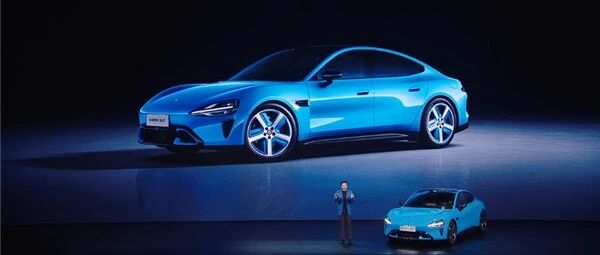
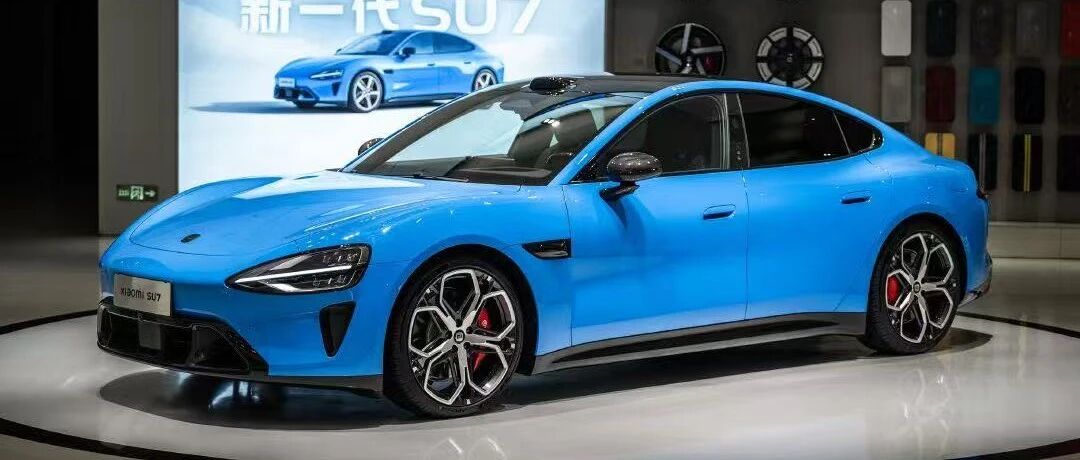
Core Viewpoint - The new Xiaomi SU7 has launched with a strong initial performance, but it has not surpassed its predecessor in terms of order numbers, highlighting the importance of rebuilding consumer trust for Xiaomi's automotive division [2][8][12]. Group 1: Launch Performance - The new Xiaomi SU7 received 15,000 locked orders within 34 minutes of its launch, with a price range of 219,900 to 303,900 yuan [2][8]. - In comparison, the original Xiaomi SU7 achieved 50,000 large deposits in 27 minutes during its launch, indicating a significant difference in initial consumer response [8][10]. - The new model's price is only 4,000 yuan higher than the original, suggesting that pricing is not the primary factor affecting order numbers [11]. Group 2: Trust Restoration - The new Xiaomi SU7 is seen as a crucial step in helping Xiaomi Automotive recover from a "trust repair period" following past controversies and safety concerns [12][13]. - Xiaomi's sales figures showed a remarkable growth of 200% year-on-year, selling 412,000 vehicles last year, but incidents in March and October raised significant safety doubts among consumers [13][14]. - The company is actively working to restore trust through initiatives such as the establishment of a safety advisory committee and leveraging live broadcasts to address consumer concerns [14]. Group 3: Future Outlook - The success of the new Xiaomi SU7 in building a positive reputation is critical for achieving the company's sales target of 550,000 vehicles this year [15]. - Xiaomi plans to launch three additional models this year, aiming to penetrate the mainstream family market and expand its growth potential [17]. - The overall market performance of Xiaomi Automotive is closely linked to its brand reputation, with past sales spikes correlating with positive consumer sentiment [15][17].


雷军回来了:新一代SU7爆杀全场
创业邦· 2026-03-20 07:25
Core Viewpoint - The new generation of Xiaomi SU7 has been officially launched after a three-month hiatus, featuring significant upgrades and a pricing strategy that aims to provide value for consumers [4][6]. Pricing and Market Position - The new SU7 is priced between 219,900 to 303,900 yuan, which is 5,000 yuan higher than the previous model's starting price, but offers substantial benefits that enhance its value proposition [4][6]. - The vehicle's popularity remains strong despite its absence from the market, indicating consumer interest and anticipation for the new model [6]. Key Upgrades - The new SU7 features three versions with improved specifications, including enhanced battery technology, safety features, and interior quality [5][7]. - The vehicle's range has been improved across all versions, with the Pro version achieving a CLTC range of 902 km, placing it among the top electric sedans [32]. Design and Interior Enhancements - The exterior design has minor updates, while the interior has seen significant improvements, aligning with luxury standards and enhancing user experience [10][11]. - Upgrades include better sound insulation, new materials, and advanced seating features, contributing to a more premium feel [14][16]. Safety Features - The new SU7 includes nine airbags and utilizes 2200MPa ultra-high-strength steel for improved safety [21]. - It features a three-redundancy door handle system for enhanced safety during emergencies, ensuring mechanical unlocking capabilities even in power failure scenarios [20]. Performance and Driving Experience - The vehicle's performance has been enhanced with a new V6s Plus motor, achieving a 0-100 km/h acceleration time of 3.08 seconds for the Max version [34]. - The suspension system has been upgraded to improve handling and comfort, with all versions featuring advanced suspension technologies [36]. Intelligent Driving and Technology - The new SU7 offers a comprehensive intelligent driving experience with standard features across all models, including advanced driver assistance systems powered by a 700TOPS computing platform [41][42]. - The upgraded Xiaomi HAD system integrates advanced AI capabilities, allowing for more intuitive driving interactions [44]. Competitive Landscape - The new SU7 faces strong competition from models like Tesla Model 3, BYD Han L, and Xpeng P7, each with unique strengths in the electric vehicle market [56][57]. - The competitive environment in the 200,000 to 300,000 yuan electric sedan segment is intensifying, with multiple strong contenders [59].
4名儿童路上「COS减速带」险被碾,车主:太后怕;博主发吉利广告被指责:把女性塑造成拜金刻薄形象,官方回应;董明珠:促消费先要加工资
雷峰网· 2026-03-11 00:56
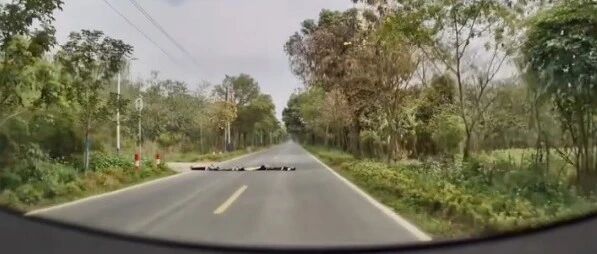
Key Points - BMW criticized Xiaomi cars during a live sales event, claiming that cars made in 180 days are not reliable, which sparked significant online discussion [4][5] - Xiaomi's investment partner responded by acknowledging BMW's status as a great car manufacturer while encouraging consumers to test drive and compare vehicles [5] - XPeng's NGP system successfully detected children lying on the road, showcasing the effectiveness of its intelligent driving features [8][9] - Anshi Semiconductor in China resumed production of 12-inch wafers despite supply disruptions from its Dutch headquarters, indicating a shift towards local manufacturing [14][15] - MiniMax's market value surged, surpassing Baidu, driven by increased usage of its AI models, particularly the M2.5 model [20][21] - Dong Mingzhu, the chairwoman of Gree Electric, emphasized the need for wage increases to stimulate consumer spending during a recent interview [18] - OPPO and other smartphone brands are adjusting prices due to rising memory chip costs, marking a significant price increase trend in the smartphone industry [16][32] - Volkswagen announced plans to cut 50,000 jobs by 2030 due to declining profits, affecting various departments including Audi and Porsche [43] - Beta Infinity, founded by a former Huawei executive, has raised nearly 100 million yuan in seed funding to develop consumer-grade robots [29][30] - Baidu launched its largest summer internship recruitment, with over 90% of positions related to AI, reflecting the growing demand for AI talent [31][32] - Meige Intelligent successfully listed on the Hong Kong Stock Exchange, raising approximately 1.1 billion HKD, and is a leading supplier of high-performance intelligent modules [55][56] - Shanghai-based Gateland Microelectronics has initiated its IPO process, focusing on automotive-grade millimeter-wave radar chips [57]
对手有话说:新款小米SU7上市后,谁是头号竞品
车fans· 2026-03-09 00:29
Core Viewpoint - The new Xiaomi SU7 is set to launch soon, with mixed pre-order responses and significant competition from brands like Tesla and others in the market [1][4][12]. Pre-order Situation - The pre-order numbers for the new SU7 are decent, with over 350 small orders recorded [3]. - Some customers are hesitant about the price increase of 10,000, expecting lower prices after the official launch [7]. - The new model's improvements, particularly in seating comfort and platform technology, have attracted interest from customers [7][12]. Competitive Landscape - Major competitors include Tesla, ZhiJie S7, and ShangJie Z7, with the latter expected to price competitively against the SU7 [9][11]. - The SU7 is seen as a significant product with strong market potential, but it may not replicate the explosive success of its predecessor [12][16]. - The competition is fierce, with brands like Xiaopeng P7 also vying for market share, although their target demographics differ [15][16]. Customer Insights - A significant portion of pre-order customers are comparing the SU7 with Tesla models, indicating a strong competitive pressure [4]. - Female customers are particularly excited about new color options, while male customers are more focused on technical specifications [4]. - Sales personnel believe that the new SU7 will achieve monthly sales of around 20,000 units, which is a conservative estimate compared to the previous model [4][7].
小鹏的2026,没有Plan B
虎嗅APP· 2026-03-08 03:04
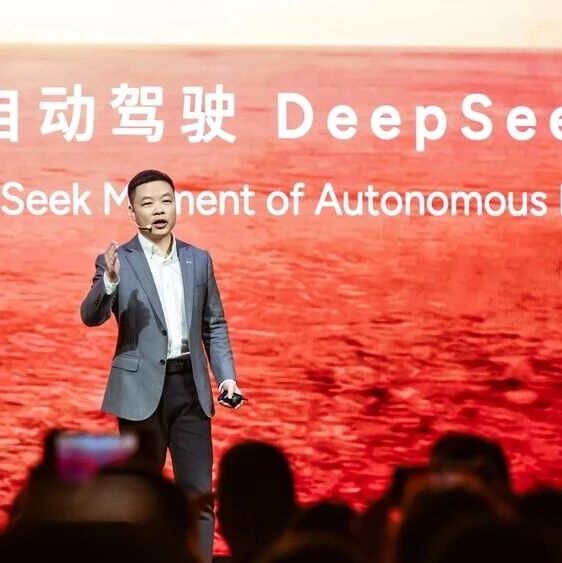
Core Viewpoint - Xiaopeng Motors is facing significant challenges in 2026, with fluctuating delivery volumes amid a market downturn and criticism of its L2-level autonomous driving technology, which the chairman describes as a "Frankenstein" solution. The company is urged to balance immediate consumer needs with long-term technological aspirations [2][3][10]. Market Conditions - The automotive market is experiencing a "淘汰赛" (elimination competition) phase, with consumer sentiment becoming increasingly conservative due to changes in subsidy policies and declining incentives for new energy vehicles. January 2026 saw a 13.9% year-on-year drop in retail sales, with February expected to hit a low point for the year [5][6]. - The shift from "增量竞争" (incremental competition) to "存量绞杀" (stock competition) indicates that maintaining monthly sales above 10,000 units is now a baseline requirement rather than a mark of success [6]. Xiaopeng's Performance - In February, Xiaopeng delivered 15,256 vehicles, significantly lower than competitors like Hongmeng Zhixing (28,212), Leap Motor (28,067), and Li Auto (26,421). NIO was the only company among the "蔚小理" trio to achieve a year-on-year growth of 57.6% [8]. - Despite a challenging sales environment, there are signs of recovery as interest in new models, such as the Xiaopeng X9, has increased following a recent technology launch [9]. Consumer Behavior - Consumers are increasingly focused on practical features rather than futuristic technologies. The market has shifted towards valuing immediate, tangible benefits over speculative advancements like flying cars or Robotaxis [10][20]. - A potential buyer expressed hesitation between Xiaopeng and Li Auto, highlighting the importance of practical features like in-car refrigerators for families, which Xiaopeng currently lacks in its SUV offerings [9]. Strategic Adjustments - Xiaopeng is responding to market pressures by introducing financing options and launching new models, including the second-generation VLA and the new Xiaopeng X9 electric version. The company plans to release seven models with advanced range-extending capabilities in 2026 [19]. - The chairman emphasizes that all technology must enhance current product experiences, indicating a shift towards more market-driven strategies rather than purely technological aspirations [19][20]. Industry Reflection - Xiaopeng's struggles reflect broader trends in the Chinese smart electric vehicle industry, where the focus is shifting from rapid growth to meticulous market engagement. The company must learn to balance technological ideals with commercial realities to survive in a competitive landscape [20].
何小鹏内部信要率先量产,什么是“高阶”人形机器人?
Guan Cha Zhe Wang· 2026-02-24 10:25
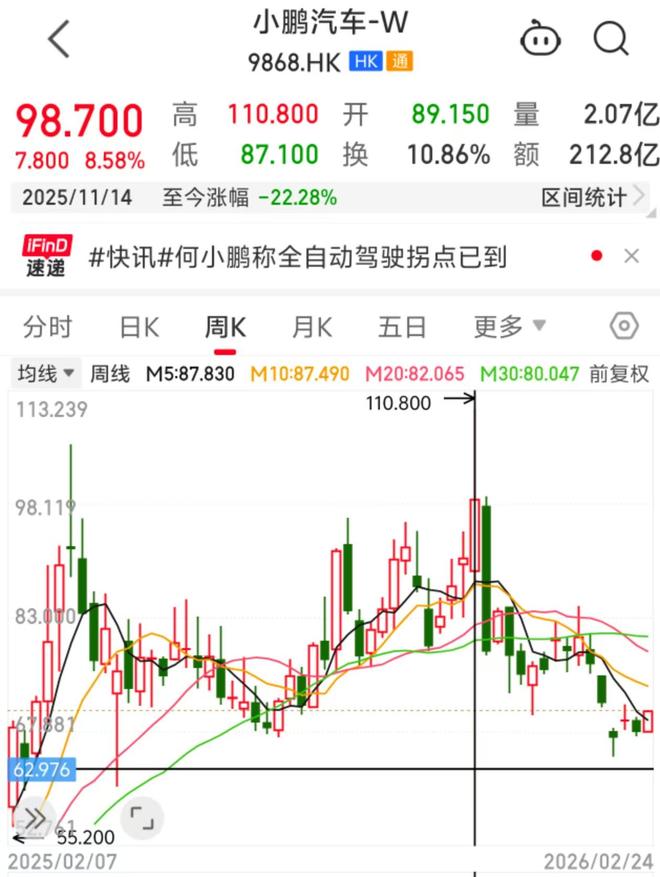
Core Viewpoint - Xiaopeng Motors aims to become the first company globally to mass-produce advanced humanoid robots by the end of the year, with a focus on integrating automotive-grade reliability and AI capabilities [1][12][14]. Group 1: Robot Development and Market Position - The new generation of IRON robots will initially be deployed in guiding and shopping scenarios, with an SDK available for global developers [1][12]. - Xiaopeng's IRON robot features a second-generation VLA model and three Turing AI chips, enabling integrated high-level intelligent capabilities such as conversation and walking [2][10]. - The company’s stock performance has shown a significant increase, reaching a market capitalization of HKD 212 billion, driven largely by the anticipated success of the IRON robot [3][5]. Group 2: Competitive Landscape and Challenges - Xiaopeng's approach to robotics emphasizes a combination of automotive-grade standards and integrated intelligence, distinguishing it from competitors like Yushun and Zhiyuan, which focus on different aspects of robotics [2][15]. - The company faces challenges in commercializing its robots, as competitors have already established a presence in the performance and rental markets [6][9]. - The IRON robot's primary applications will be in Xiaopeng's own production and retail environments, which may limit its scalability compared to competitors targeting broader B2B markets [9][10]. Group 3: Strategic Vision and Future Goals - Xiaopeng Motors is transitioning from being an automotive manufacturer to a technology company focused on advanced AI applications, including robots and flying cars [10][12]. - The company aims to leverage its technological advancements to capture significant market opportunities in autonomous driving and AI by 2026 [12][13]. - Xiaopeng's ambition is to redefine mass production standards in the robotics industry, shifting the focus from quantity to quality and reliability [14][15].

何小鹏内部信要全球率先量产,什么是“高阶”人形机器人?
Guan Cha Zhe Wang· 2026-02-24 10:21
Group 1 - The core message of the news is that XPeng Motors is set to launch its next-generation IRON robot by the end of the year, aiming to become the world's first mass-produced advanced humanoid robot [1][2] - XPeng's CEO, He Xiaopeng, emphasizes the integration of automotive-grade reliability standards with AI capabilities, positioning the IRON robot as a unique offering in the market [2][6] - The company's stock performance has shown a significant increase, reaching a market capitalization of HKD 212 billion, driven primarily by the anticipated success of the IRON robot rather than traditional vehicle sales [2][5] Group 2 - The IRON robot is currently in the research phase, with plans for mass production to begin around April next year, following competitors who have already achieved scale [6] - XPeng's IRON robot features advanced technology, including a self-developed Turing AI chip with a computing power of 3000T and a 720° vision system, enabling it to perform complex tasks [7][9] - The commercial application of the IRON robot is focused on enhancing customer experience in XPeng's automotive showrooms, which may limit its scalability compared to competitors targeting broader B2B markets [9]

小鹏汽车-W(09868.HK):看好VLA2.0能力 即将在26Q1全量推送
Ge Long Hui· 2026-02-15 21:03
Core Insights - Xiaopeng Motors is set to launch VLA 2.0 in March, significantly enhancing its intelligent driving capabilities with advanced hardware and software integration [1] - The year 2026 is projected to be a pivotal year for Xiaopeng Motors, marking the introduction of Robotaxi services and the launch of multiple new models [2] - The company is expected to see substantial growth in overseas sales, with a focus on expanding into European, Southeast Asian, Middle Eastern, and Latin American markets [3] - 2026 will also witness the mass production of advanced humanoid robots, aimed at commercial applications [4] - Investment recommendations highlight strong product cycles, overseas expansion, and emerging business opportunities in robotics and Robotaxi services [5] Group 1: VLA 2.0 and Intelligent Driving - Xiaopeng Motors will begin rolling out VLA 2.0 in March, featuring 2250 TOPS of in-car computing power and a cloud computing cluster with 30,000 cards [1] - The first batch of vehicles to receive the update includes the 2025 models of P7, G7, and X9, with subsequent models to follow [1] Group 2: Robotaxi and New Models - The company plans to launch three Robotaxi models in 2026, equipped with four Turing chips and a pure vision autonomous driving system [2] - Xiaopeng's first large six-seater SUV, the GX, has begun L4 autonomous driving tests on public roads [2] Group 3: Overseas Expansion - In 2025, Xiaopeng delivered 45,000 vehicles overseas, marking a 96% year-on-year growth, with expectations for continued strong growth in 2026 [3] - The company will introduce three new models in overseas markets, including P7+ and Mona SUVs, while focusing on local production partnerships in Europe, Indonesia, and Malaysia [3] Group 4: Robotics and Future Innovations - Xiaopeng showcased its latest generation Iron robot, with plans for mass production by the end of 2026, targeting commercial service applications [4] Group 5: Investment Outlook - The company anticipates total vehicle sales of approximately 430,000, 570,000, and 840,000 units from 2025 to 2027, with total revenues projected at 75.2 billion, 103.1 billion, and 145.5 billion RMB respectively [5] - The valuation for the partnership with Volkswagen is estimated at 30.3 billion HKD, while the main business is valued at 169.9 billion HKD, leading to a total valuation of 200.2 billion HKD [5]