AI人才流动

Search documents
“最年轻P10”林俊旸挥别阿里,大厂留不住少年天才?
凤凰网财经· 2026-03-05 13:56
Core Insights - The departure of Lin Junyang, a key figure in Alibaba's AI development, has sparked significant discussion within the AI community, highlighting potential internal issues and the ongoing talent war in the industry [1][2][6]. Group 1: Lin Junyang's Background and Departure - Lin Junyang, a graduate of Peking University with a background in computer science and linguistics, joined Alibaba in 2019 and quickly rose to prominence, becoming the youngest P10 technical executive in the company's history by 2025 [3][4]. - His resignation was announced shortly after a high-level meeting at Alibaba focused on AI strategies, indicating a potential shift in the company's direction [4][6]. - Speculations regarding his departure suggest it may be linked to internal restructuring within the Qwen team, which could have limited his management scope [6][7]. Group 2: Implications for the AI Industry - Lin's exit reflects broader concerns within major tech firms about retaining top talent amid organizational changes and the balance between open-source ideals and commercial objectives [8][9]. - The trend of AI talent leaving large companies for startups is becoming more common, with notable figures from Alibaba and other tech giants pursuing independent ventures [11][12]. - The competition for top talent is not confined to China, as major companies like Meta, Google, and Nvidia have invested over $36 billion in acquiring top talent globally, emphasizing the importance of creating an environment conducive to innovation [12].


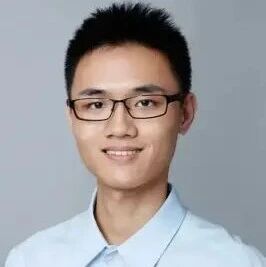
速递 | 阿里最年轻 P10 凌晨官宣离职!千问大模型震动,藏着 AI 圈最扎心真相
未可知人工智能研究院· 2026-03-04 08:04
Core Viewpoint - The article discusses the recent departures of key personnel from Alibaba's Qwen team, highlighting the implications of these changes on the organization and the broader AI industry dynamics [2][3][4]. Group 1: Key Departures and Their Significance - The departure of Lin Junyang, the technical lead of Qwen, was marked by a dramatic farewell message, indicating a significant shift within the team [6][7]. - Several other key figures, including Yu Bowen and Hui Yi Yuan, have also left the Qwen team, suggesting a trend of instability within Alibaba's AI division [8]. - The organizational restructuring at Alibaba, moving from a vertically integrated model to a horizontally divided structure, may have contributed to these departures, as it can lead to inefficiencies and a loss of cohesive vision [16]. Group 2: Challenges Faced by Open Source Leaders - The article outlines the "curse of the open-source leader," where the success in open-source projects does not translate into financial success for the company, creating a conflict between influence and revenue generation [15]. - The shift in organizational structure can lead to a loss of context and efficiency, making it difficult for teams to maintain a focus on innovative development [16]. - The notion of escaping "predictable victories" suggests that top talent may seek new challenges rather than remain in roles that become more about maintenance than innovation [17]. Group 3: Talent Movement in the AI Industry - The article categorizes the post-departure paths of former Qwen employees, with some joining overseas tech giants like Meta, while others move to more aggressive domestic teams such as ByteDance [20]. - This trend reflects a broader reallocation of AI talent, where individuals are seeking environments that offer more dynamic and challenging opportunities [22]. - The movement of talent is indicative of a strategic shift in the AI workforce, as professionals aim to convert their skills into marketable assets rather than being tied to a single organization [22]. Group 4: Lessons for Professionals - The article emphasizes the importance of focusing on transferable skills and tangible outcomes rather than titles, suggesting that professionals should prioritize creating visible results [24]. - It advises individuals to enhance their "option value" during organizational changes, preparing for potential shifts in their roles [24]. - The need to remain adaptable and not be confined to a single narrative in one's career is highlighted, as market dynamics can change rapidly [24].
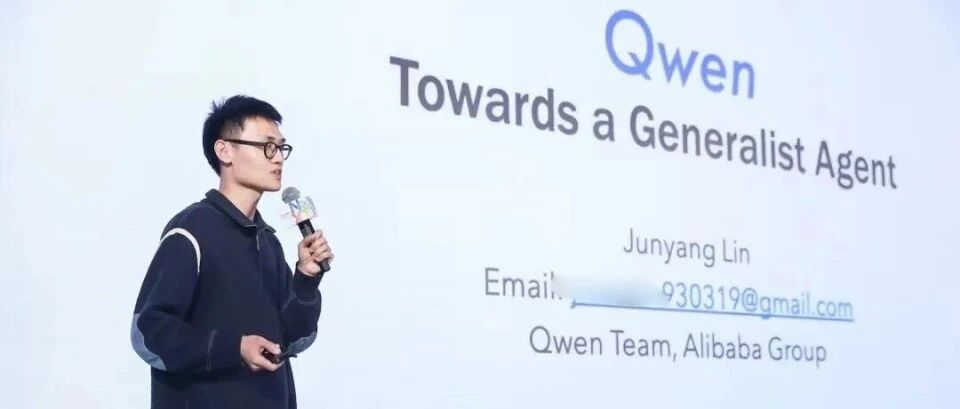
Mapping|“AI六小龙”高端人才流动史(试读)
3 6 Ke· 2026-02-03 03:25
Group 1: Core Insights - Talent density is a key factor in capital pricing within the AI sector, with high valuations reflecting the future value that talent can create [2] - The second wave of talent migration in AI was triggered by the resurgence of interest in the industry following the launch of ChatGPT in 2022 [4][5] - The "AI Six Dragons" have attracted over 10 billion in capital investments between 2023 and 2024, with companies like Zhipu and MiniMax seeing valuations exceed 20 billion [5][11] Group 2: Talent Movement - High-end talent is increasingly flowing back to major tech companies, with significant salary increases reported, such as algorithm engineers receiving up to a 30% salary boost or even doubling their pay when moving to larger firms [11] - The talent flow from the "AI Six Dragons" indicates a trend where technical roles are returning to big companies, while product and business roles are more inclined to pursue entrepreneurial ventures [6][11] - Major companies like ByteDance, Tencent, and Alibaba are actively recruiting top AI talent, with reports of salaries reaching up to 10 million for new graduates [10][11] Group 3: Competitive Landscape - The "Hundred Model War" began in March 2023, with various companies rapidly iterating and releasing new models, reflecting the competitive nature of the AI landscape [12][16] - By the end of 2023, the "AI Six Dragons" had expanded significantly, with Zhipu AI growing to over 400 employees, 70% of whom are in R&D [20] - ByteDance's strategic entry into the AI market, including the launch of its Doubao model, marked a significant shift in the competitive dynamics among AI companies [21][24]




36氪出海·AI|从巨头到初创,谁在重塑AI人才的全球流向?
3 6 Ke· 2025-07-11 11:15
Core Insights - The competition for global tech talent is intensifying, expanding beyond Silicon Valley to various countries, cities, and companies, including emerging AI startups in China [2][7]. Group 1: Global Recruitment Trends - Manus and DeepSeek, two prominent AI startups, have gained attention for their talent acquisition strategies, with Manus recently laying off staff and relocating its headquarters to Singapore while still hiring in China [3][4]. - Manus has posted 21 job openings in Singapore, focusing on engineering and functional roles, with salaries in line with local market rates, while also continuing recruitment in major Chinese cities [3]. - DeepSeek is conducting international recruitment through LinkedIn, targeting overseas Chinese tech talent, with job postings primarily in Beijing and Hangzhou [4]. Group 2: Major Players in Talent Acquisition - Major tech companies like Meta continue to be the largest buyers of AI talent, offering salaries significantly above market averages to attract researchers, including core members from OpenAI [5]. - Chinese internet giants are also actively recruiting top talent, with notable hires such as Google Fellow Wu Yonghui joining ByteDance and AI scientist Xu Zhuhong becoming a vice president at Alibaba [5]. Group 3: Evolving AI Talent Landscape - Traditional tech hubs like Silicon Valley maintain strong appeal, but new tech centers are emerging, such as Singapore, which is becoming a Southeast Asian tech hub, and Middle Eastern countries like the UAE, which are implementing policies to attract talent [6]. - In China, cities like Beijing, Shanghai, Shenzhen, and Hangzhou remain the highest density areas for AI talent, with startups like DeepSeek and others contributing to this ecosystem [6]. - Recent studies indicate that nearly half of top AI talent comes from China, with a shift in talent flow as more individuals are trained and employed within China rather than moving to the U.S. [6].