AI抄袭

Search documents
一门“洗稿”生意:AI抄袭“神韵”,爆款文章遭批量魔改
Xin Jing Bao· 2025-12-30 04:52
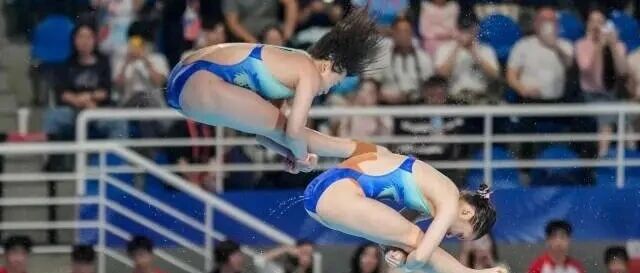
Group 1: AI and Copyright Issues - The emergence of AI tools has lowered the barrier for image plagiarism, allowing individuals to generate new images with minimal skills using original images and prompts [1][5] - AI-generated content can closely mimic the original work's essence, making it difficult to distinguish between original and AI-modified images [1][12] - Legal frameworks are struggling to keep pace with the rapid development of AI, leading to challenges in protecting original creators' rights [7][20] Group 2: AI in Writing and Content Creation - The rise of "AI washing" has created a new business model where individuals can earn money by modifying existing articles using AI tools, often without any writing skills [4][14] - Various platforms have limited capabilities in detecting AI-generated content, allowing such articles to bypass original content checks [16][18] - The detection of AI-generated content requires advanced techniques, including language feature analysis and model fingerprint detection, which are currently challenging to implement effectively [18][19] Group 3: Case Studies and Examples - Illustrators and content creators have reported instances of their work being replicated or modified using AI, leading to significant concerns about copyright infringement [6][10] - Specific examples include a running blogger discovering their photo used in an advertisement with an AI-generated face swap, highlighting the potential for misuse of personal images [7][8] - The case of an illustrator finding a nearly identical entry in an art competition raises questions about the ethical use of AI in creative fields [10][12] Group 4: Industry Responses and Recommendations - Legal experts suggest that original creators should document evidence of infringement and report unauthorized use to platforms to mitigate the impact of copyright violations [20] - Content platforms are encouraged to enhance their detection algorithms to better identify AI-generated content and prevent copyright infringement [17][19] - The collaboration between technology, legal standards, and platform governance is essential for effectively managing AI-generated content and protecting original works [19][20]

调查|一门“洗稿”生意:AI抄袭“神韵” 爆款文章遭批量魔改
Xin Jing Bao· 2025-12-30 04:40
Group 1: AI and Copyright Issues - The emergence of AI tools has lowered the barriers for image plagiarism, allowing users to generate new images with minimal skills by using original images and prompts [1][3] - AI-generated content can closely mimic the original work's essence, raising concerns about copyright infringement as modified works may still exhibit substantial similarity to the originals [3][5] - Many creators are facing challenges in protecting their intellectual property rights due to the rapid advancement of AI technology and the lagging legal framework [5][6] Group 2: AI in Creative Industries - Illustrators and content creators are increasingly encountering issues with their works being replicated or modified by AI, leading to significant overlaps in artistic expression [4][7] - The use of AI in art competitions has sparked debates about originality, as some entries may closely resemble existing works, raising questions about the ethical use of AI tools [7][9] - There is a growing acceptance of AI as a creative tool, but it necessitates a stronger awareness of originality and the risks of plagiarism among creators [9][10] Group 3: AI Writing and Content Generation - The rise of "AI washing" has led to the emergence of a business model where individuals claim to earn money by rewriting existing articles using AI tools, often without proper attribution [11][12] - Various platforms are struggling to effectively detect AI-generated content, which complicates the enforcement of copyright and originality standards [14][15] - The detection of AI-generated articles remains challenging, requiring advanced techniques to differentiate between human and AI-generated content [15][16]
陈芋汐/掌敏洁获得十五运会跳水女子双人10米台金牌,全红婵/王伟莹获得第五名
21世纪经济报道· 2025-11-06 11:29
Group 1 - The women's synchronized 10m diving final took place on November 6, with the Shanghai duo Chen Yuxi/Zhang Minjie winning the championship [1] - The silver medal was awarded to the Sichuan duo Li Ruixi/Lu Wei, while the bronze went to the Jiangsu duo Liu Junxi/Meng Zeri [1] - The Guangdong duo Quan Hongchan/Wang Weiying finished in fifth place [1] Group 2 - Quan Hongchan represented the Guangdong team in both the women's synchronized 10m platform and the women's team synchronized 10m diving events [3] - After this competition, Quan Hongchan completed her participation in the 15th National Games [3]