AI检测器

Search documents
新型「验证码」诞生?这张图让 ChatGPT、Claude、Gemini 都翻了车
3 6 Ke· 2025-10-27 10:21
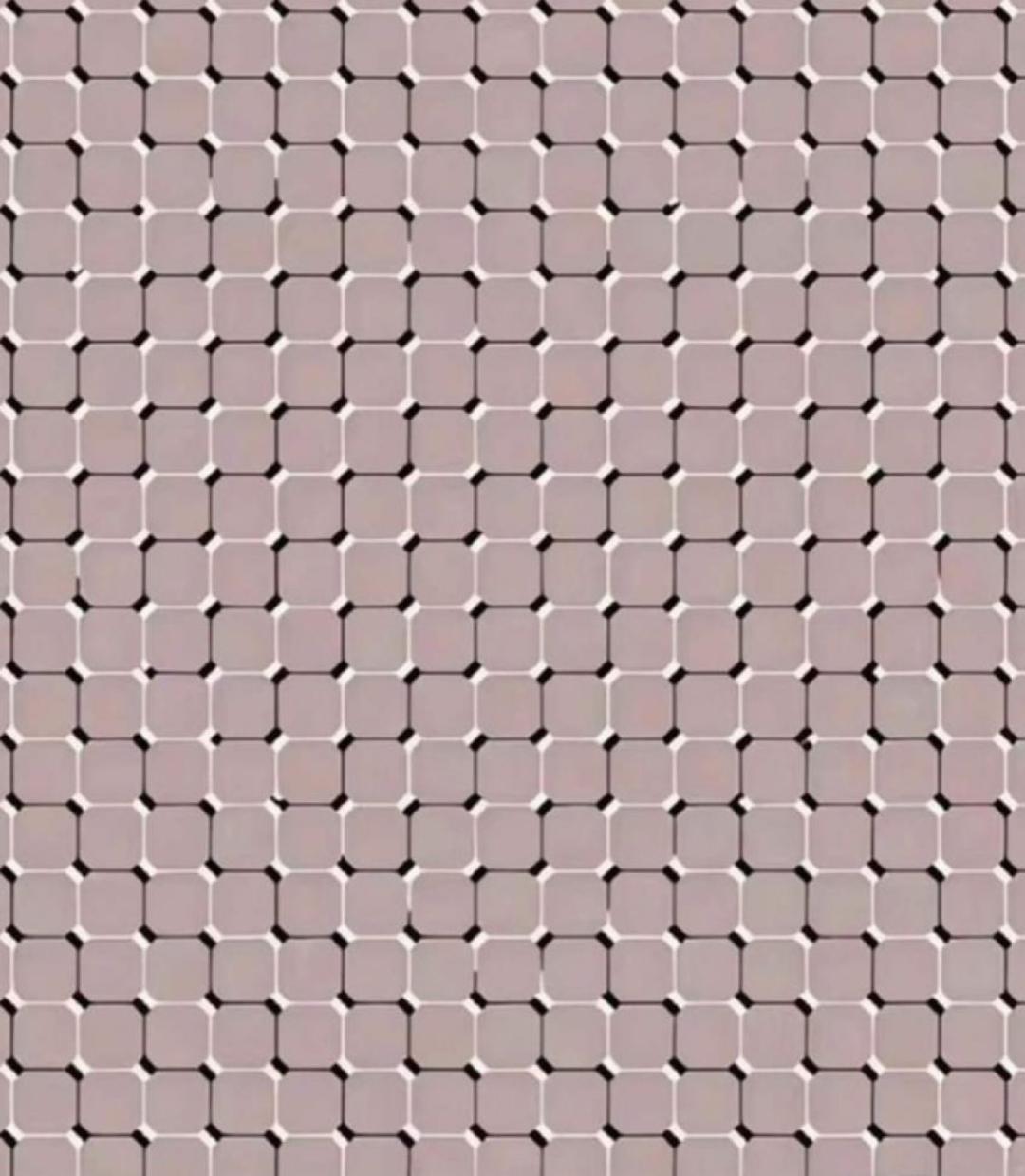
Core Insights - The article discusses a new optical illusion that can potentially serve as an "AI detector" due to the differences in how human brains and AI systems process visual information [2][21]. Group 1: Optical Illusion and AI Testing - The optical illusion is based on a grid pattern that reveals a heart shape when viewed from a distance or with squinted eyes [1][3]. - This phenomenon is linked to the human visual system's lateral inhibition mechanism, which enhances contrast and can create false perceptions at intersections [3]. - The illusion has gained significant attention on social media, with nearly 500,000 views and numerous users testing various AI models' responses to the image [5]. Group 2: AI Model Responses - Different AI models, including GPT-5 Pro, GPT-5, and Claude Opus4.1, failed to identify the hidden heart shape, with responses ranging from incorrect shapes to outright denial of seeing any hidden image [6][8]. - Some users reported that even with prompts, models like Grok struggled to identify the shape or provided nonsensical answers [9][10]. - However, there were instances where GPT-5 Pro successfully identified the heart shape when given specific instructions without relying on its memory or customization features [12][15]. Group 3: User Interaction and Feedback - Users found that prompting AI models to "blur" the image or view it in a different way could lead to correct identification of the heart shape [19]. - There is skepticism regarding the validity of using this optical illusion as a reliable test for AI, with some arguing it does not represent a meaningful benchmark for AI research [21]. - The article also mentions other fun tests that could challenge AI models, suggesting a growing interest in using optical illusions as a new form of CAPTCHA [22][23].

新型「验证码」诞生?这张图让 ChatGPT、Claude、Gemini 都翻了车
机器之心· 2025-10-27 08:44
Core Insights - The article discusses a new optical illusion that has gained popularity online, showcasing the differences in perception between humans and AI models [1][2][4] - The optical illusion involves a grid pattern that reveals a heart shape when viewed from a distance or with squinted eyes, highlighting the limitations of AI in recognizing such visual cues [2][4] Group 1: Optical Illusion and AI Testing - The optical illusion is based on a grid pattern, similar to the Hermann Grid illusion, where the human visual system perceives shapes that do not exist due to lateral inhibition in the retina [4] - Various AI models, including GPT-5 Pro, GPT-5, and Claude Opus4.1, were tested on this illusion, with none successfully identifying the heart shape initially [6][7] - Some users found that providing specific prompts or viewing the entire image helped AI models recognize the hidden shape, indicating that context and guidance can improve AI performance [19][24] Group 2: User Engagement and Reactions - The post featuring the optical illusion garnered nearly 500,000 views and sparked numerous responses from users testing different AI models [6] - Users reported mixed results, with some AI models failing to identify the heart shape and others providing incorrect answers, such as identifying a panda instead [7][18] - The article notes skepticism regarding the validity of using optical illusions as a benchmark for AI capabilities, suggesting that this is more of a playful test rather than a rigorous evaluation [24]