AI眼镜元年

Search documents
AI眼镜元年,SoC厂商抢滩
3 6 Ke· 2025-11-25 10:45
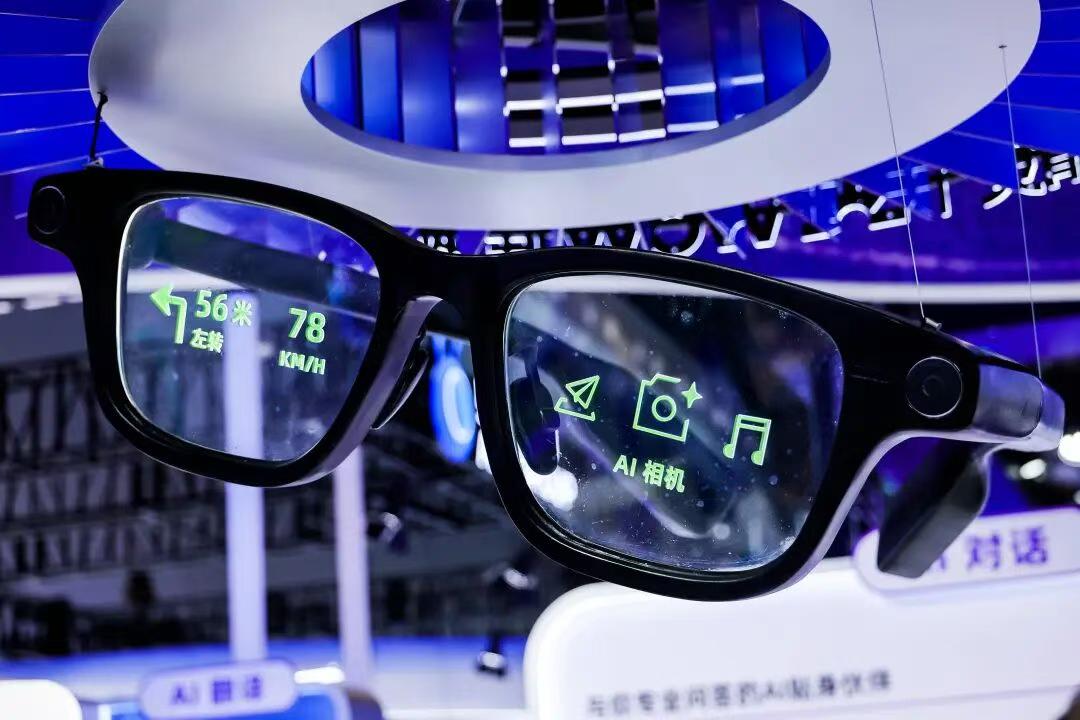
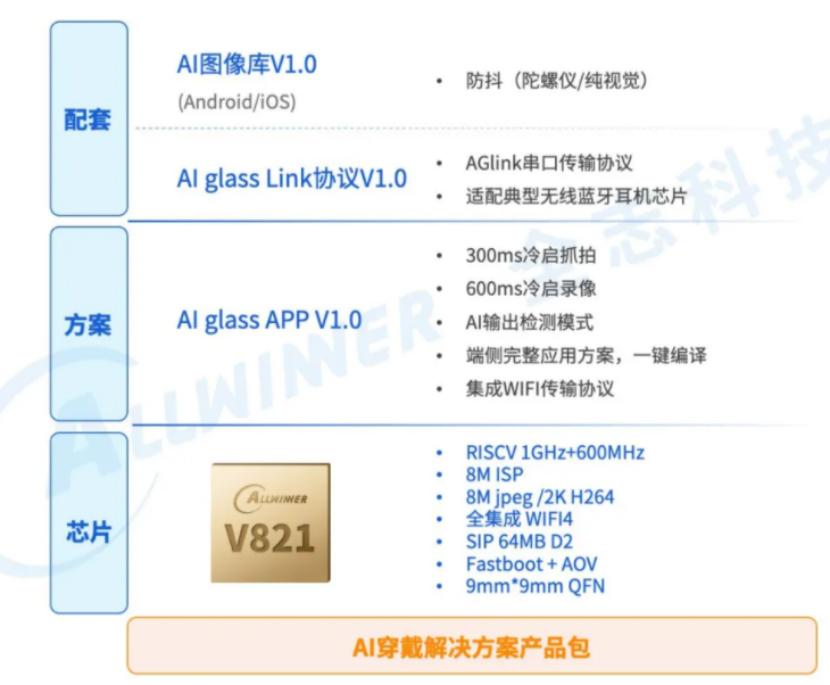
Financial Performance - Meta reported Q3 revenue of $51.24 billion, a year-on-year increase of 26%. However, net profit plummeted from $15.69 billion in the same period last year to $2.71 billion, representing an 83% decline [1] AI Glasses Market Growth - The global smart glasses shipment volume reached 2.555 million units in Q2 2025, a year-on-year growth of 54.9%. The Chinese market showed exceptional performance with shipments of 664,000 units, up 145.5% year-on-year [2] - JD.com reported that the transaction volume of smart glasses in the first half of 2025 increased over tenfold year-on-year, with the number of brands on the platform tripling [2] Technological Advancements - New high-end AI glasses are adopting a "dual-chip" design to meet high-performance AI computing and standby requirements. For instance, Alibaba's Quark AI glasses and Xiaomi's AI glasses both utilize Qualcomm's AR1 flagship chip alongside a co-processor [3] - Qualcomm's AR1 Gen1 chip has become the mainstream platform in the high-end AI glasses market, featuring a multi-core CPU+GPU architecture and supporting high-resolution displays [4] Chip Market Dynamics - The cost of the Allwinner V821 chip, which dominates the mid-to-low-end market, is significantly lower at $3 to $5 compared to Qualcomm's AR1 Gen1 priced around $60. This cost advantage allows for competitive pricing in the AI glasses segment [8] - Various companies are developing AI glasses using different chip solutions, with Allwinner Technology's V821 being widely adopted for its cost-effectiveness and performance [7][8] Industry Trends - The AI glasses industry is expected to see a consumption turning point in the next 3 to 5 years, driven by chip optimization, cloud collaboration, and differentiated application scenarios [14] - Major tech companies are entering the AI glasses market, with products like Baidu's Xiao Du AI glasses and Lenovo's AI glasses V1 being launched at competitive prices [14] Supply Chain Insights - Over 80% of the global smart glasses supply chain manufacturers are based in China, covering key areas such as camera modules and assembly, with significant market shares exceeding 50% in various components [13]


AI眼镜,一场需要“三重共振”的马拉松
3 6 Ke· 2025-11-18 09:14
Core Insights - The AI glasses market is experiencing a paradox of high sales growth alongside high return rates, indicating a disconnect between consumer expectations and product performance [1][2] - Major tech companies are entering the AI glasses space, but many products are perceived as "geek toys" rather than mainstream consumer items, leading to disappointment among users [2][3] - The industry faces significant challenges, including technological limitations, fragmented supply chains, and unclear use cases, which hinder widespread adoption [8][9] Market Dynamics - Nearly 70 manufacturers are competing in the AI glasses market, with product prices ranging from 999 yuan to 3999 yuan, covering various functionalities such as audio interaction and near-eye display [2][3] - IDC reports that global smart glasses shipments reached 4.065 million units in the first half of 2025, a year-on-year increase of 64.2% [2] - Despite impressive sales figures during events like Double 11, high return rates (up to 50% on platforms like Douyin) reveal underlying consumer dissatisfaction [2][3] Technological Challenges - The industry struggles with the "impossible triangle" of achieving lightweight design, long battery life, and high performance in AI glasses [9][13] - Current battery life for most products ranges from 4 to 7 hours, but actual usage often results in significantly reduced performance due to active features [9][11] - The lack of a unified performance evaluation standard exacerbates consumer frustration, as many products fail to meet user expectations [8][14] Competitive Landscape - Major players like Xiaomi and Baidu are adopting different strategies, with Xiaomi focusing on affordability and Baidu emphasizing localized features [5][7] - Cross-industry collaborations are intensifying competition, with companies like Shanjiji Technology offering low-cost options to capture the budget market [7][8] - The market is characterized by a rush to release products without adequate development time, leading to poor user experiences and high return rates [8][14] Future Outlook - The resolution of the current industry challenges hinges on achieving a "triple resonance" of technology, market demand, and ecosystem collaboration [17][19] - The path to success may mirror the evolution of smartphones, requiring breakthroughs in core technologies and the establishment of a cohesive industry ecosystem [17][19] - Stakeholders, including consumers and manufacturers, must exercise patience and focus on refining products and understanding user needs to foster long-term growth [19]