AI硬件入口

Search documents
理想推AI眼镜Livis,车企低成本抢AI硬件入口的一次尝试
3 6 Ke· 2025-12-04 02:21
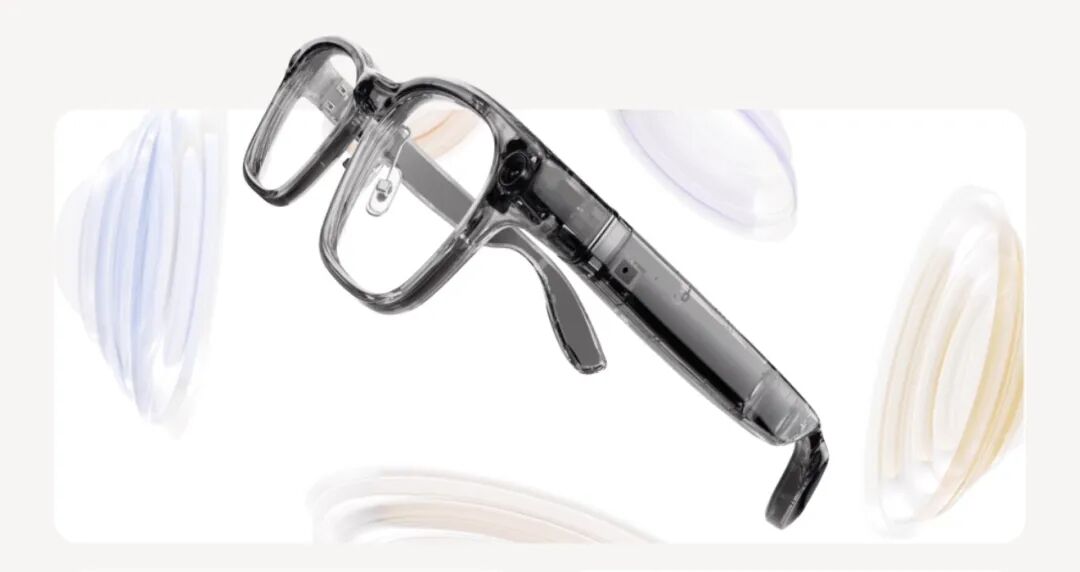
Core Viewpoint - Li Auto has launched its most affordable product, the AI glasses Livis, which reflects the company's ambition in the AI hardware space while avoiding the highly competitive smartphone market [1][3]. Group 1: Product Launch and Strategy - Livis is a low-cost attempt to expand into the AI hardware market, following the previous launch of the AI assistant app "Li Xiang Classmate" [3]. - The decision to focus on AI glasses instead of smartphones allows Li Auto to avoid competition in a saturated market, conserving valuable resources [3]. - The company aims to convert around 150,000 existing Li Auto vehicle owners into Livis users, while also hoping to attract users outside its current customer base [5]. Group 2: Market Dynamics and Competition - The current market for AI glasses is still in its early stages, with no clear winners, making hardware investment costs relatively controllable compared to smartphones [5]. - The wearable device market, including smart glasses, is seen as the next entry point for AI hardware, despite challenges such as battery life and performance [7][8]. - The smart watch market is also highly competitive, dominated by brands like Apple, Huawei, and Xiaomi, which may limit opportunities for new entrants [11]. Group 3: User Experience and Adoption Challenges - Smart glasses face significant challenges in user adoption due to concerns over weight and battery life, which can deter potential buyers [9]. - The weight of Livis is designed to be close to that of regular glasses (36g), but this compromises battery life, making it less appealing for users [9]. - In contrast, smart watches have evolved to meet daily usage needs, making them a more attractive option for consumers [9].