
AI眼镜Livis

Search documents
净利润暴跌86%,一年少赚近69亿!理想汽车究竟怎么了?
Xin Lang Cai Jing· 2026-03-13 12:22
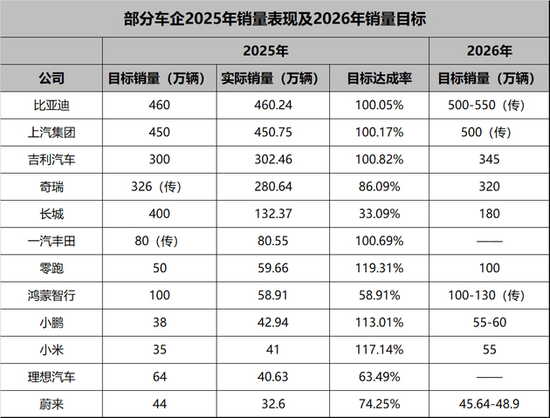
Core Viewpoint - The automotive industry is experiencing mixed results, with Honda facing significant losses and Li Auto reporting a dramatic decline in profits, raising concerns about its future performance [1][20]. Group 1: Li Auto's Financial Performance - Li Auto reported a revenue of 112.31 billion yuan for 2025, a decrease of 22.3% compared to 2024's 144.5 billion yuan [21][25]. - The company's net profit plummeted to 1.12 billion yuan, down 86% year-on-year, marking a significant drop from 8 billion yuan in 2024 [21][22]. - Li Auto's vehicle sales revenue was 106.7 billion yuan, a 23% decline from 138.5 billion yuan in 2024 [25][26]. Group 2: Sales and Market Position - Li Auto's vehicle deliveries fell to 406,343 units in 2025, an 18.8% decrease from 500,508 units in the previous year, achieving only 63.48% of its adjusted sales target [23][24]. - The company dropped from being the top seller among new energy vehicle manufacturers in 2024 to the fifth position in 2025, with competitors like Leap Motor and Xpeng showing growth [24]. Group 3: Operational Challenges - Li Auto faced its first annual operating loss, with operating profit shifting from 7 billion yuan in 2024 to a loss of 521 million yuan in 2025 [26]. - The company's gross margin decreased to 18.7% in 2025 from 20.5% in 2024, indicating pressure on profitability [26]. - A significant factor in the decline was the MEGA vehicle fire incident in October 2024, leading to a recall of 11,411 vehicles, which impacted the third-quarter net profit [26][27]. Group 4: Cash Flow and Stock Performance - By the end of 2025, Li Auto's cash and cash equivalents decreased from 65.9 billion yuan to 56.7 billion yuan, a reduction of 9.2 billion yuan [28]. - The company's stock price fell nearly 47% from a peak of 128.1 HKD to 67.9 HKD, resulting in a market capitalization loss of over 122.8 billion HKD [28][30]. Group 5: Strategic Changes and Future Plans - CEO Li Xiang announced a return to a startup model, taking direct control of operations amid significant executive turnover, with eight key executives leaving since August 2025 [34]. - Li Auto is exploring new markets, having entered Egypt, Kazakhstan, and Azerbaijan, and is increasing its focus on AI technology, with plans to invest 50% of its 11.3 billion yuan R&D budget in AI [36][38]. - The company aims to evolve into a "embodied intelligence" enterprise by 2026, emphasizing the urgency of its transformation [36][39].


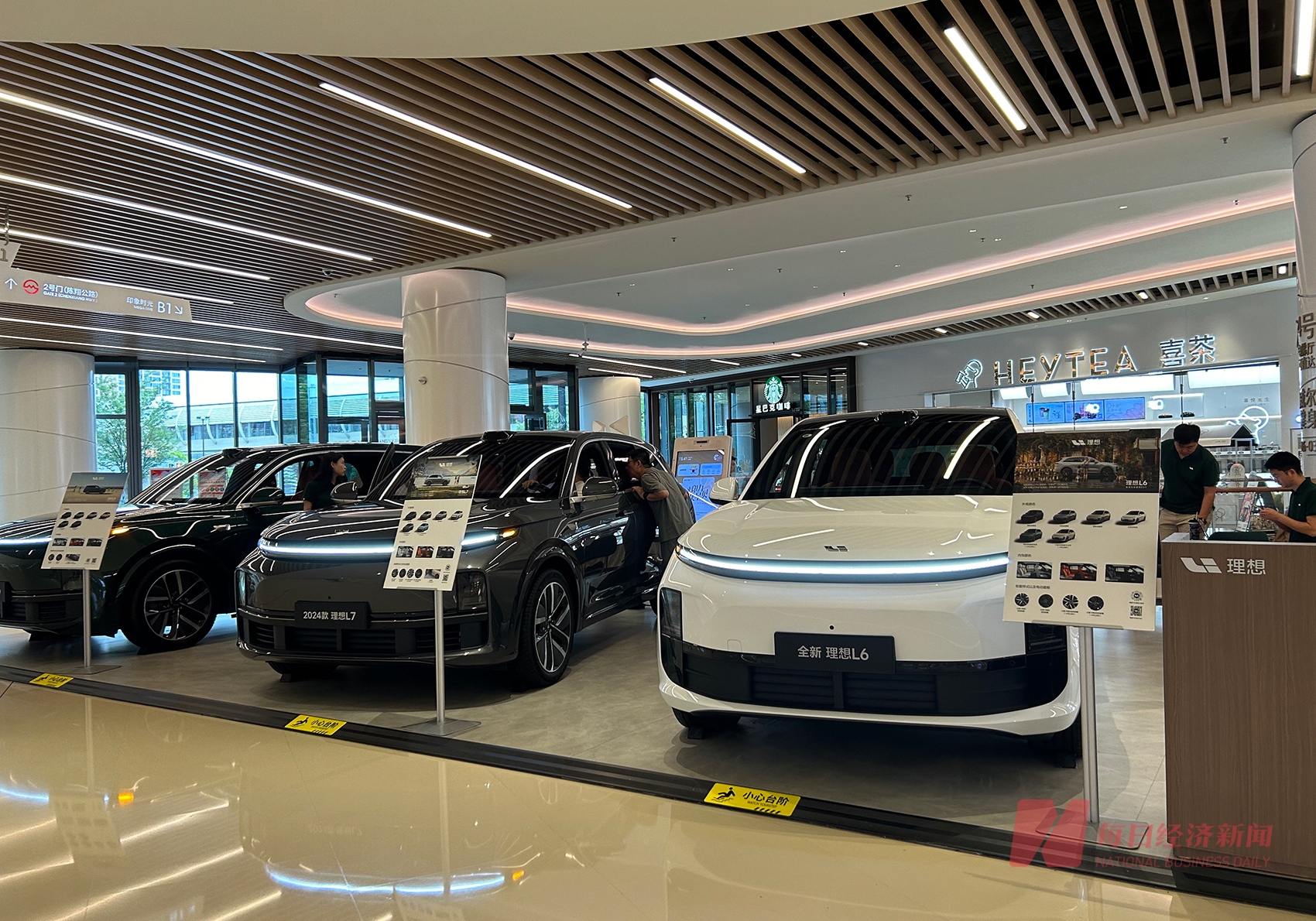
理想汽车2025年营收1123亿元,净利润同比减少85.8%
Ju Chao Zi Xun· 2026-03-13 04:24
Core Viewpoint - Li Auto's financial performance for the fourth quarter and the entire year of 2025 shows a decline in revenue and delivery volume due to product cycle changes and industry competition, but there are signs of recovery in the fourth quarter with positive cash flow and a maintained net profit of 1.1 billion yuan [2][4]. Financial Performance - In 2025, the total vehicle deliveries were 406,343 units, a year-on-year decrease of 18.8% [4]. - The total revenue for 2025 was 112.3 billion yuan (approximately 16.1 billion USD), down 22.3% year-on-year [4]. - The net profit for the year was 1.1 billion yuan (approximately 163 million USD), a significant decrease of 85.8% compared to the previous year [4]. - The non-GAAP net profit was 2.4 billion yuan (approximately 343 million USD), down 77.5% year-on-year [4]. Quarterly Performance - In Q4 2025, the company delivered 109,194 vehicles, a quarter-on-quarter increase of 17.1% [4]. - The revenue for Q4 was 28.8 billion yuan (approximately 4.1 billion USD), reflecting a quarter-on-quarter growth of 5.2% [4]. - The net profit for Q4 was 20.24 million yuan (approximately 2.9 million USD), reversing a loss of 624 million yuan in Q3 [4]. Profitability Metrics - The vehicle gross margin for 2025 was 17.9%, down 1.9 percentage points year-on-year [6]. - The overall gross margin for the year was 18.7%, a decrease of 1.8 percentage points compared to the previous year [6]. - In Q4, the vehicle gross margin improved to 16.8%, up 1.3 percentage points from Q3 [6]. Operational and Strategic Developments - As of December 31, 2025, the company operated 548 retail centers and 561 after-sales service centers across 159 cities [7]. - The company launched the AI glasses Livis, priced at 1,999 yuan, which integrates with its vehicle systems [7]. - Li Auto expanded its international presence by entering markets in Egypt, Kazakhstan, and Azerbaijan [7]. - The company reported a cash position of 101.2 billion yuan (approximately 14.5 billion USD) at the end of 2025, supporting ongoing R&D and global expansion [7]. Future Outlook - For Q1 2026, the company expects to deliver between 85,000 to 90,000 vehicles, a year-on-year decrease of 3.1% to 8.5% [8]. - Projected revenue for Q1 2026 is estimated to be between 20.4 billion to 21.6 billion yuan (approximately 2.9 billion to 3.1 billion USD), reflecting a year-on-year decrease of 16.7% to 21.3% [8]. - The CEO indicated that 2026 will be a crucial year with the launch of the upgraded Li Auto L9 in Q2, focusing on advancements in power systems, intelligent driving, and chassis technology [8].
从Seedance2.0到Pony Alpha 投资圈热议AI“春节档”
Zhong Guo Zheng Quan Bao· 2026-02-12 22:16
Group 1 - The core point of the news is the rapid advancement and commercialization of AI technologies, particularly highlighted by the launch of models like Seedance2.0 and GLM-5, which are driving significant interest and investment in the AI sector [1][3][4] - The launch of Seedance2.0 by ByteDance has been described as a revolutionary AI video generation model, achieving major breakthroughs in video creation efficiency and quality, significantly lowering production costs [2][5] - The introduction of the GLM-5 model by Zhiyu has led to a surge in its stock price, indicating strong market confidence in its capabilities and the potential for AI applications in various sectors [1][3] Group 2 - The AI commercialization trend is expected to benefit various sectors, including media, entertainment, and gaming, with companies like Kanjue Technology and Light Media showing strong stock performance [4][5] - Long-term beneficiaries of the AI advancements are anticipated to be upstream computing power providers, such as GPU manufacturers and AI server suppliers, due to increased demand for computational resources [5][6] - Internet technology companies are seen as having a natural advantage in AI commercialization, with potential revenue streams from subscriptions, enterprise applications, and advertising, which could lead to substantial returns [6]
Seedance2.0爆火,神秘模型登顶!投资圈热议AI"春节档"
Zhong Guo Zheng Quan Bao· 2026-02-12 04:49
Core Insights - The article highlights the rapid advancements in AI technology, particularly focusing on the launch of new models like GLM-5 by Zhiyu and Seedance2.0 by ByteDance, which are significantly impacting the AI landscape and investment opportunities in the sector [1][4][5]. Group 1: AI Model Developments - Zhiyu's new model GLM-5 has gained significant attention, with its stock price surging over 50% in just two trading days, reflecting strong market interest [1][4]. - ByteDance's Seedance2.0 has been described as a revolutionary AI video generation model, achieving high-quality outputs that have impressed both domestic and international users [2][3]. - Seedance2.0 addresses previous limitations in video generation, such as audio-visual synchronization and character consistency, leading to a substantial reduction in production costs and time [3][2]. Group 2: Market Reactions and Implications - The launch of these AI models has led to a notable increase in stock prices for companies in the media, film, and gaming sectors, indicating a strong market response to AI advancements [7][8]. - Analysts predict that the commercialization of AI applications will accelerate, benefiting not only media sectors but also computational and platform-based enterprises in the long run [7][8]. - The integration of AI in content creation is expected to create a significant demand for computational resources, benefiting GPU manufacturers and AI server suppliers [7][8]. Group 3: Future Trends and Opportunities - The emergence of AI models like GLM-5 and Seedance2.0 is seen as a precursor to a broader wave of intelligent agent applications, which could transform user interactions with digital environments [5][6]. - Companies that can create a complete ecosystem from model development to content production and distribution are likely to gain a competitive edge, as they can leverage user feedback for continuous improvement [8]. - The future of AI commercialization is anticipated to focus on subscription models and enterprise applications, with potential revenue streams from advertising and value-added services [8].
2026,车企反攻智能硬件
3 6 Ke· 2026-01-18 23:37
Core Viewpoint - The rise of smart glasses, particularly from automotive companies, signifies a shift in the automotive industry towards integrating AI and smart hardware, transforming traditional business models from one-time vehicle sales to ongoing subscription-based services [1][3][9]. Group 1: Transition from Hardware to Smart Hardware - The transition from hardware to automotive manufacturing began in 2019, driven by a peak in smartphone sales and a surge in electric vehicle sales, leading hardware manufacturers to explore automotive opportunities [3][5]. - Companies like Xiaomi and Huawei have either entered the automotive market directly or partnered with automakers to develop smart driving and vehicle integration solutions [3][5]. - The evolution of smart hardware in vehicles is seen as a natural progression, with the automotive industry now embracing AI to create a unified smart ecosystem [1][3]. Group 2: New Profit Models for Automotive Companies - The introduction of smart glasses, such as Li Auto's Livis, illustrates a shift towards products that enhance brand loyalty and provide continuous data collection, which can improve AI model capabilities [10][11]. - The automotive industry is moving towards a model where vehicle sales become part of a broader consumer lifestyle platform, focusing on software services that offer higher profit margins compared to traditional vehicle manufacturing [13][14]. - The integration of AI into both vehicles and smart hardware allows for shared components and reduced costs, enhancing overall efficiency and profitability [14][16]. Group 3: Challenges in the AI Transition - The transition to AI-driven models presents significant challenges, including high costs associated with data, algorithms, and computational power, which create barriers to entry for new players [17][19]. - Successful companies in this space must have substantial financial resources, technical expertise, and the ability to scale operations to effectively compete [18][19]. - The competitive landscape is likely to solidify around a few leading brands capable of leveraging their existing consumer base and data to enhance their AI capabilities [19].


向质而行!2025中国汽车驶出增长新动能
Zhong Guo Jin Rong Xin Xi Wang· 2026-01-15 13:33
Group 1 - The core viewpoint of the article highlights that China's automotive industry has achieved significant milestones in 2025, with production and sales both exceeding 34 million units, and new energy vehicles (NEVs) surpassing 16 million units, marking a continuous 17-year dominance in the global market [1][2] - The market share of NEVs in domestic new car sales has exceeded 50%, indicating that NEVs have become the dominant force in China's automotive market [2][3] - Major breakthroughs in the automotive sector include BYD surpassing Tesla in annual pure electric vehicle sales, and significant milestones achieved by other companies like FAW-Volkswagen and Changan Automobile [2] Group 2 - The penetration of intelligent assisted driving technology has accelerated, with over 60% of new passenger cars sold featuring advanced driving assistance systems [3] - The cost of battery cells has decreased, and improvements in battery life and charging speed have alleviated "range anxiety" for electric vehicles, with a growing charging infrastructure [3] - The automotive industry is experiencing a convergence with robotics and low-altitude economy, creating a new ecosystem that enhances technological integration and innovation [6] Group 3 - The automotive industry in China is undergoing a phase of standardization, with measures being implemented to regulate market competition and ensure safety [7][9] - A series of reforms have been introduced to combat "involution" in the market, promoting a shift from scale expansion to value enhancement among car manufacturers [9][10] - The "14th Five-Year Plan" emphasizes the importance of building a modern industrial system and enhancing the supply-demand adaptability of consumer goods, with smart connected vehicles being a key focus area [10]


掌舵新央企、鸣锣争上市,十大热门人物的攻与守
Xin Jing Bao· 2026-01-13 01:01
Core Insights - The Chinese automotive market in 2025 concluded with intense competition, shifting from price wars and scale expansion to a comprehensive evaluation of system capabilities, technological depth, and global operations [1] - Key figures in the automotive industry made significant strides, marking a transformative year for the market [1] Group 1: Key Figures and Achievements - Wang Chuanfu led BYD to become the global sales champion of pure electric vehicles with a total sales volume of 2.2567 million units, surpassing Tesla for the first time [2] - Zhu Huarong became the chairman of China Changan Automobile, aiming for an annual sales target of 5 million vehicles by 2030, following the establishment of the new state-owned enterprise [3] - Yin Tongyue successfully listed Chery on the Hong Kong Stock Exchange after a 21-year journey, marking a significant milestone for the company [4][5] - Li Shufu consolidated resources within Geely, focusing on strategic integration and efficiency improvements, while maintaining a balance between traditional fuel vehicles and new energy vehicles [7][8] Group 2: Industry Challenges and Innovations - Wei Jianjun of Great Wall Motors criticized the industry's excessive "involution" and highlighted issues such as the "zero-kilometer used car" phenomenon, urging a return to rationality in the industry [9] - He Xiaopeng of Xpeng Motors aimed to transform the company into a global embodied intelligence firm, planning to launch humanoid robots by the end of 2026 [10] - Zhu Jiangming of Leap Motor celebrated the company's tenth anniversary with nearly 600,000 deliveries, while maintaining control within the founding team [11] - Zeng Yuqun of CATL pursued a secondary listing in Hong Kong to secure capital for expansion, positioning the company as a comprehensive zero-carbon technology provider [12][13] - Feng Xingya took over as chairman of GAC Group, initiating the "Panyu Action" to address market challenges and redefine the company's future direction [14] - Li Xiang of Li Auto introduced the AI glasses Livis, marking the company's entry into the embodied intelligence sector, with plans to become a leader in this field [15]
字节“撤回”了豆包眼镜,但市场已经准备好了
3 6 Ke· 2026-01-07 03:24
Core Viewpoint - ByteDance's "Doubao" AI glasses are set to enter the shipping phase, attracting significant attention despite the company stating there is no clear sales plan yet [1][3]. Company Summary - ByteDance is primarily responsible for the upper-level app development of the "Doubao" AI glasses, while Longqi Technology handles mass production and underlying UI development, reflecting a collaborative approach to mitigate risks associated with self-research [3]. - The AI glasses feature a self-developed spatial algorithm chip, weigh less than 50 grams, and require the Doubao app for operation, indicating ByteDance's cautious entry into the hardware market and exploration of AI monetization avenues [3][6]. - Longqi Technology has set a minimum order requirement of 1 million units for the AI glasses, showcasing ByteDance's confidence in the market and its commitment to the AI glasses sector [6]. Industry Summary - The recent policy announcement includes "smart glasses" in the subsidy range for digital and smart products, which is expected to stimulate market demand by lowering consumer costs [4][6]. - IDC forecasts that the global smart glasses market will exceed 23.687 million units shipped by 2026, with China expected to account for 45% of this market, indicating a significant growth opportunity [6][9]. - Major companies like Alibaba, Baidu, and China Telecom have already launched their smart glasses, with a notable increase in sales during the 2025 Double Eleven shopping festival, where AI glasses sales surged by 2500% year-on-year [7][9]. - Advances in optical technology and AI model evolution are enhancing the supply chain and user experience for smart glasses, while upcoming consumer subsidies are likely to further boost demand, leading to a competitive landscape referred to as the "hundred glasses war" [9][10].

2026年国际消费电子展开幕在即 厂商加码布局AI硬件
Zheng Quan Ri Bao Wang· 2026-01-05 11:27
Group 1 - The 2026 CES is expected to be a critical observation window for the deployment of AI applications, focusing on edge AI, industrial AI, Physical AI, and automotive intelligence [1] - The technology investment trend is shifting from computational infrastructure to a complete technology loop from simulation and training to real-world deployment, with Physical AI potentially becoming a core narrative connecting various sectors [1] - The penetration rates of AI in smartphones and PCs are projected to reach 45% and 62% respectively by 2026, with the edge AI market expected to grow from 321.9 billion yuan in 2025 to 1.22 trillion yuan by 2029, reflecting a compound annual growth rate of 40% [1] Group 2 - The edge AI wave is set to reshape the smart terminal ecosystem, creating new growth opportunities for supply chain companies [2] - Shanghai Kangnait Optical Technology Group is a supplier of lenses for Quark AI glasses, capable of mass-producing high-refractive index lenses and responding efficiently to personalized customization demands in the smart glasses supply chain [2] - Dongguan Darui Electronics is collaborating with Meta and sees potential business growth opportunities in 2026, focusing on the development of composite materials for AI glasses and AR/VR devices [2] Group 3 - Domestic hardware manufacturing, core components, edge chips, storage, and smart automotive electronics are expected to benefit directly from the acceleration of AI terminal deployment [3] - Local companies with technological accumulation and mass production capabilities are likely to occupy key positions in the AI hardware ecosystem [3]
理想汽车|写入《2025 汽车行业影响力年鉴》
Jing Ji Guan Cha Bao· 2025-12-30 11:23
Group 1 - The Chinese automotive industry is entering a new development stage as the "14th Five-Year Plan" concludes, with a focus on the impact of AI on technology paths and market structures [1] - AI is transitioning from a functional enhancement to a core capability that determines the upper limits of intelligence in the automotive sector, yet few companies have fully integrated systematic AI capabilities into mass production [1] - Li Auto is positioning itself with a clear path by unifying perception, understanding, and execution capabilities of intelligent assisted driving under a single AI architecture, moving towards AGI technology evolution [1] Group 2 - Li Auto is at the forefront of productizing edge AI, with initiatives like "Li Xiang Classmate" for multimodal interaction and the development of AI glasses Livis, extending AI capabilities beyond in-car systems [2] - The company's value this year lies in integrating AI as a core element, aligning assisted driving, cabin interaction, and edge products into a cohesive evolution logic, providing a benchmark for other automakers in the AI-driven competition [2] - Li Auto has been recognized in the "2025 Automotive Industry Influence Yearbook" as a representative automaker in the annual process of intelligentization due to its achievements in AI architecture integration and edge product implementation [2]