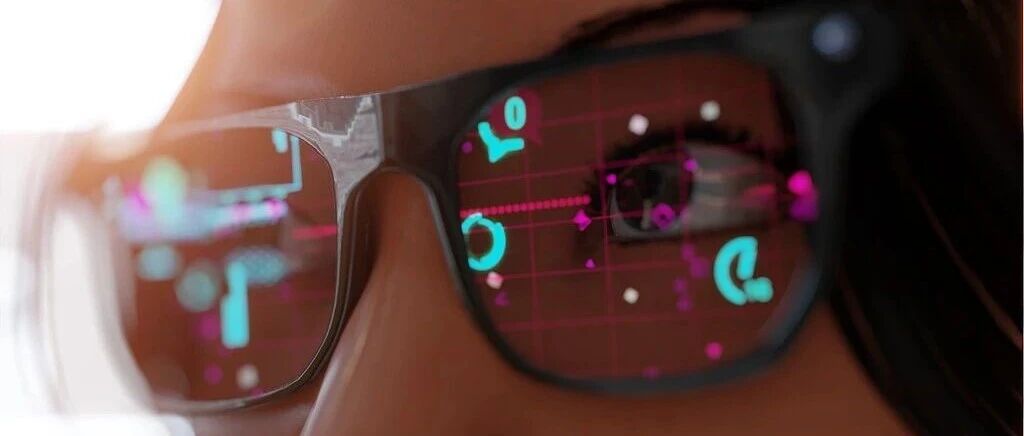
AI赋能硬件

Search documents
AI大家说 | 智能硬件创业:投资人眼中的机会、挑战与制胜之道
红杉汇· 2026-02-02 00:05
Core Insights - The smart hardware sector has gained significant attention and investment, driven by advancements in manufacturing, supply chain capabilities, and a growing pool of talent in China [7][8][10] - The emergence of AI is reshaping the hardware landscape, enhancing existing products and creating new opportunities for innovation [19][20][25] - The Maker economy presents unique opportunities, with a growing community of enthusiasts driving demand for innovative DIY products [26][27][29] Group 1: Reasons for the Surge in Smart Hardware - The resurgence of interest in smart hardware and consumer electronics can be traced back to increased attention and resources flowing into the sector since 2024 [7] - The rapid growth of manufacturing in recent years has led to a significant downscaling of technology, making it easier to meet existing consumer demand [8] - China's supply chain advantages and engineering talent density are key factors that will continue to support the growth of global hardware brands [10][11] Group 2: Characteristics of Successful Hardware Entrepreneurs - Successful hardware entrepreneurs often come from diverse educational backgrounds, including computer science, mechanical engineering, and design, but share a strong entrepreneurial spirit [14][15][16] - The best founders possess a comprehensive understanding of the entire product lifecycle, from supply chain management to software integration [16][17] - A significant portion of successful entrepreneurs in this space have engineering backgrounds, particularly in mechanical engineering [17] Group 3: AI's Impact on Smart Hardware - AI is expected to enhance hardware products by improving user experience through features like companionship, creativity, and efficiency [19][20] - The integration of AI into hardware is seen as a way to empower existing commercial value rather than creating entirely new demands [20][25] - Future advancements in AI capabilities are anticipated to further enhance the functionality of smart hardware products [24] Group 4: Opportunities in the Maker Economy - The Maker community is rapidly expanding, and the potential market size is much larger than previously estimated, driven by advancements in technology [26][27] - Engaging with the Maker community can provide valuable insights for product development, as these users are often early adopters and provide critical feedback [27][28] - The evolution of algorithms and design tools is lowering barriers for users, enabling more people to participate in the Maker economy [29] Group 5: Challenges Facing Smart Glasses - The smart glasses market faces significant challenges, including the complexity of integrating technology into wearable devices and user experience concerns [33][34] - Companies must navigate the balance between functionality and user comfort, as additional features can complicate the user experience [33] - Successful players in this market will need to clearly define their brand identity and product focus to stand out [34] Group 6: Strategies for Global Expansion - Chinese companies are increasingly leveraging their e-commerce capabilities to expand internationally, transitioning from manufacturing to brand development [42][43] - The mindset around globalization is shifting, with many startups considering global markets from the outset rather than as an afterthought [43] - Building strong brand recognition and channel capabilities is essential for successful international expansion [43][44] Group 7: Building Brands and Competitive Moats - Companies aiming to establish premium brands must focus on high-quality products and innovative designs rather than low-end copycat strategies [44] - Early market entrants often reap significant rewards, as the consumer electronics market tends to favor first movers [46] - Brands should aim to resonate with consumers by enabling them to achieve aspirations or capabilities they previously lacked [47] Group 8: Responding to Competition - Hardware startups can maintain a competitive edge by ensuring strong confidentiality during product development, allowing for an 18-month lead time before competitors can catch up [48] - Entrepreneurs should anticipate competitor actions and focus on minimizing vulnerabilities to remain competitive [49] - Rapid growth must be balanced with strategic planning to avoid becoming an easy target for larger competitors [49] Group 9: Future Product Expectations - There is a strong interest in innovative products that enhance personal experiences, such as flying vehicles and immersive technologies [50][51] - The DIY market for women presents a unique opportunity for products that encourage creativity and sharing within communities [52] - The potential for advanced AI-driven personal assistants remains a long-term aspiration for many in the industry [53][54]


AI手机战场迎来新革命:字节联手中兴 豆包掀起供应链重构风暴
Xin Lang Cai Jing· 2025-12-12 10:02
Core Insights - The collaboration between ByteDance's Doubao AI model and ZTE's Nubia M153 smartphone reflects a strategic shift towards AI-driven hardware integration, showcasing a new partnership model between model manufacturers and hardware producers [1][3][8] Market Heat: From Launch to Resale Premium - The Nubia M153 smartphone, priced at 3499 yuan, sold out rapidly upon launch, with resale prices on second-hand platforms ranging from 300 to 3500 yuan, and some rare color versions reaching over 7000 yuan, indicating a premium of over 100% [2][12] - The second-hand market displayed a clear price stratification, with standard models seeing premiums of 300-800 yuan, while engineering samples attracted prices between 2000-3500 yuan due to demand from tech enthusiasts [2][12] - The excitement in the market translated to the capital market, with the AI smartphone sector index rising significantly on the day the collaboration was announced, benefiting stocks like ZTE [2][12] Strategic Layout: ByteDance's AI Ecosystem Ambition - ByteDance's launch of the Doubao AI smartphone is a key part of its long-term strategic plan, employing a unique "whole chess game" approach in AI strategy [3][13] - Since its release in May 2024, the Doubao model has seen a 250-fold increase in daily token usage, reaching over 30 trillion tokens and covering approximately 300 million devices [14] - ByteDance aims to integrate the Doubao assistant into various smartphone brands rather than developing its own devices, allowing it to avoid heavy manufacturing risks while promoting an AI-defined hardware ecosystem [15] Supply Chain Revolution: AI Defining a New Hardware Ecosystem - The success of the Doubao AI smartphone is supported by a comprehensive supply chain ecosystem, focusing on the capabilities of AI agents rather than traditional hardware specifications [16] - The product's core strength lies in the Doubao model, which serves as the "brain" of the ecosystem, supported by various data and technology partners [16] - The collaboration with ZTE leverages its established supply chain for hardware integration, ensuring precise matching of key component suppliers [16] Industry Restructuring: Opportunities for Smaller Players - The partnership between Doubao and ZTE provides a viable path for smaller smartphone manufacturers to enter the AI market, especially as AI smartphone penetration is projected to reach 34% globally by 2025 [18] - ByteDance's choice to collaborate with ZTE instead of leading brands is strategic, as major players like Huawei and Apple maintain significant market share and are less open to external AI integrations [18] - ZTE's existing technology and loyal user base in niche markets make it an ideal partner for rapid AI assistant deployment [18] Commercialization Path: From Engineering Samples to Ecosystem Empowerment - The Doubao AI smartphone is currently in the "engineering sample" phase, with an initial stock of about 30,000 units aimed at industry professionals [20] - ByteDance and ZTE have begun developing a second-generation product expected to launch by the end of 2026, indicating a long-term commitment to their partnership [20] - The success of the Doubao AI smartphone exemplifies a new business model where model manufacturers license AI technology to hardware producers, enhancing product differentiation [20] Future Outlook: AI Redefining Mobile and Industry Landscape - The market performance of the Doubao AI smartphone indicates consumer demand for next-generation mobile interaction methods, with AI capabilities becoming a significant factor in driving replacement cycles [21] - The smartphone market is currently experiencing a "total pressure, structural optimization" trend, with average replacement cycles extending to 32 months [21] - Future competition will hinge on the depth of AI integration, adaptability to various scenarios, and overall user satisfaction, emphasizing the need for effective collaboration between AI and hardware systems [21]
AI眼镜,销售增长346%
财联社· 2025-11-13 01:54
Core Insights - The shopping festival this year has set a record for the longest duration, with promotional activities lasting over 30 days until November 14 [2] - Despite the extended duration, consumer sentiment indicates a lack of enthusiasm for this year's Double Eleven, attributed to insufficient product innovation and unclear consumption drivers [3] - AI-driven consumer electronics are transitioning from niche markets to mainstream, showing significant growth potential, particularly in the 3C digital category [3][5] E-commerce Performance - During the Double Eleven period, JD reported that sales of AI products in the 3C digital category increased by over 100% year-on-year, with smart glasses seeing a staggering growth rate of 346% [3][6] - The top three categories for sales growth in 3C digital were smart glasses (346%), digital cameras (238%), and action cameras (220%) [6] - The sales of smart glasses from brands like Xiaomi and ROKID have been particularly strong, with Xiaomi selling 2,000 units in 30 days [6][8] Market Trends in AI Products - The market for AI glasses is becoming increasingly active, with multiple new products launched during Double Eleven, indicating a robust supply side [16] - IDC forecasts that the shipment volume of smart glasses in China will reach 4.915 million units by 2026, representing a year-on-year growth of 72.7% [16] - The demand for educational robots is also rising, particularly in the areas of companionship and programming, with significant sales increases noted [21] Consumer Behavior and Market Dynamics - The shift from "geek novelty" to mainstream acceptance of AI-driven consumer electronics is evident, although the market has not yet fully exploded [21][24] - Price remains a significant barrier to widespread adoption of AI products, despite growing consumer interest in high-tech, emotionally engaging products [21][22] - The development of AI/AR glasses is still in its early stages, with future advancements needed to enhance functionality and user experience [22] Future Outlook - The integration of AI technology into hardware products is expected to redefine not only the consumer electronics sector but also nearly all battery-operated devices over the next 10 to 15 years [24] - The potential for AI-enabled hardware to serve as a growth engine in the consumer electronics industry is substantial, with expectations for ongoing innovation and market expansion [24]