Maker经济

Search documents
App 开始消失
投资界· 2026-03-03 07:35
Core Viewpoint - The article argues that the software era is ending, with AI applications like OpenClaw replacing traditional apps and services, leading to a shift towards a "create-to-consume" economy [3][7][10]. Group 1: Impact of OpenClaw - OpenClaw has significantly reduced the number of apps on users' devices by providing personalized services that replace traditional applications, such as fitness coaching and news aggregation [5][6]. - Users are increasingly relying on OpenClaw for various tasks, indicating a trend where traditional software is being replaced by AI-driven solutions [6][10]. Group 2: The "Create-to-Consume" Economy - The concept of "create-to-consume" suggests that users will directly interact with AI to generate personalized services instead of purchasing pre-existing products [8][10]. - This shift is driven by advancements in AI programming, which have transformed the role of AI from a tool for developers to a service provider for all users [9][10]. Group 3: Evolution of Software Consumption - The article posits that traditional apps will not disappear but will evolve into data interfaces and service nodes that support AI applications [10][11]. - The emergence of AI agents will change consumer habits from downloading apps to creating personalized services through AI interactions [11][16]. Group 4: Maker Economy and Community Innovation - The rise of the maker economy is highlighted, where individuals can create and share tools, leading to new revenue models based on usage rights rather than software sales [13][14]. - OpenClaw exemplifies this trend by fostering a community-driven innovation environment, similar to the early days of 3D printing [11][14]. Group 5: OpenClaw's Role in the AI Ecosystem - OpenClaw is positioned as a central hub in the AI ecosystem, connecting various agents and services, akin to an operating system in the PC era [16]. - The focus of OpenClaw is on service consumption rather than developer efficiency, aiming to meet the direct needs of users without requiring them to understand programming [15][16].


App开始消失,我们正在进入一个「不会用软件」的时代
36氪· 2026-03-02 10:17
Core Viewpoint - The article discusses how AI, particularly through tools like OpenClaw, is transforming the software landscape by replacing traditional applications with personalized AI assistants, leading to a shift from purchasing software to creating customized services through AI interactions [5][14][50]. Group 1: Impact of AI on Software Consumption - OpenClaw has led to a significant reduction in the number of apps on users' devices, as it can perform multiple functions traditionally handled by separate applications, such as fitness coaching and news aggregation [5][7][8]. - The emergence of AI tools like OpenClaw signifies a shift towards a "create instead of consume" model, where users interact with AI to generate personalized services rather than purchasing pre-existing software [14][28][50]. - The role of traditional apps is evolving; they are becoming data interfaces and service nodes rather than direct user interaction points, as users increasingly rely on AI agents to fulfill their needs [28][30][31]. Group 2: Evolution of AI Programming - The article highlights a significant transformation in AI programming, where the capabilities of models like Claude Opus 4.6 and GPT-5.3-Codex have shifted the narrative from AI as a tool for developers to AI as a self-sufficient entity that can accomplish tasks for users [15][19][21]. - This change allows ordinary users to access advanced functionalities without needing to understand programming, as AI tools handle the complexity behind the scenes [22][25][50]. Group 3: Maker Economy and Community Innovation - The rise of the Maker economy is emphasized, where individuals can create and share tools, leading to new economic models based on the sharing of AI-generated resources and templates [32][41]. - OpenClaw is positioned as a catalyst for this Maker economy, enabling users to generate tools and services that can be monetized, thus fostering a community-driven innovation ecosystem [33][36][41]. Group 4: OpenClaw as a Central Hub - OpenClaw is described as an "operating system" for the AI era, connecting various agents and services, and facilitating a new way of interacting with technology [52][53]. - The article draws parallels between the current landscape of AI tools and the early days of personal computing, suggesting that OpenClaw could redefine how users engage with technology in a more integrated and personalized manner [54][55].

AI大家说 | 智能硬件创业:投资人眼中的机会、挑战与制胜之道
Xin Lang Cai Jing· 2026-02-02 01:39
Group 1 - The smart hardware sector has gained significant attention and investment, particularly since the pandemic, with a consensus forming around its growth potential by 2025 [4][6][46] - The rapid growth of manufacturing in recent years has led to a notable trend of technology decentralization, improving cost and supply chain capabilities, which has allowed existing demand in consumer electronics to be realized [5][47] - China is seen as a fertile ground for the emergence of world-class hardware brands due to its robust supply chain advantages and high density of engineers [6][50][48] Group 2 - The ideal background for entrepreneurs in smart hardware is diverse, with many coming from engineering disciplines such as mechanical engineering, electrical engineering, and computer science [9][10][52] - Successful hardware entrepreneurs often possess a broad skill set, having experience in various roles such as product management and production, which enhances their ability to manage complex projects [12][53] Group 3 - AI is expected to enhance existing commercial value in hardware rather than create entirely new demands, with its impact being felt across various functionalities [14][57] - The integration of generative AI is anticipated to improve creative processes and efficiency in hardware development, although current limitations in edge computing and model quality remain challenges [18][59] Group 4 - The Maker economy presents opportunities, particularly as the DIY market grows, with a focus on catering to both niche and broader consumer segments [19][61] - The Maker community is seen as a valuable source of feedback and innovation for startups, as they are often early adopters and provide critical insights for product development [21][63] Group 5 - Smart glasses face significant challenges, including user convenience and technical complexities, making them more difficult to develop than traditional consumer electronics [26][68] - The market for smart glasses is characterized by a mix of fashion and technology, requiring companies to clearly define their brand identity and product focus to succeed [27][69] Group 6 - Entrepreneurs in the hardware sector are often characterized by traits such as consistency in their vision, ambition, and the ability to navigate complex market dynamics [30][72] - A detailed-oriented approach is crucial for hardware startups, especially during the product delivery phase, to avoid pitfalls that could derail their success [32][72]

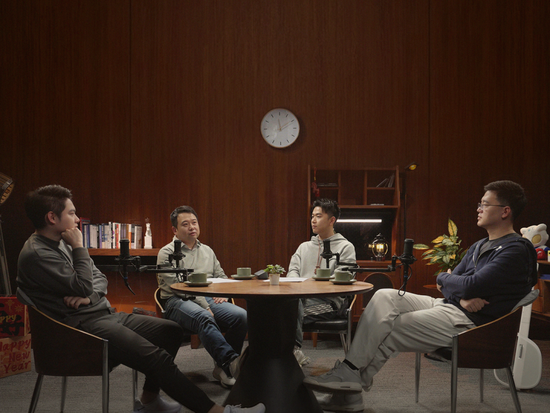
AI大家说 | 智能硬件创业:投资人眼中的机会、挑战与制胜之道
红杉汇· 2026-02-02 00:05
Core Insights - The smart hardware sector has gained significant attention and investment, driven by advancements in manufacturing, supply chain capabilities, and a growing pool of talent in China [7][8][10] - The emergence of AI is reshaping the hardware landscape, enhancing existing products and creating new opportunities for innovation [19][20][25] - The Maker economy presents unique opportunities, with a growing community of enthusiasts driving demand for innovative DIY products [26][27][29] Group 1: Reasons for the Surge in Smart Hardware - The resurgence of interest in smart hardware and consumer electronics can be traced back to increased attention and resources flowing into the sector since 2024 [7] - The rapid growth of manufacturing in recent years has led to a significant downscaling of technology, making it easier to meet existing consumer demand [8] - China's supply chain advantages and engineering talent density are key factors that will continue to support the growth of global hardware brands [10][11] Group 2: Characteristics of Successful Hardware Entrepreneurs - Successful hardware entrepreneurs often come from diverse educational backgrounds, including computer science, mechanical engineering, and design, but share a strong entrepreneurial spirit [14][15][16] - The best founders possess a comprehensive understanding of the entire product lifecycle, from supply chain management to software integration [16][17] - A significant portion of successful entrepreneurs in this space have engineering backgrounds, particularly in mechanical engineering [17] Group 3: AI's Impact on Smart Hardware - AI is expected to enhance hardware products by improving user experience through features like companionship, creativity, and efficiency [19][20] - The integration of AI into hardware is seen as a way to empower existing commercial value rather than creating entirely new demands [20][25] - Future advancements in AI capabilities are anticipated to further enhance the functionality of smart hardware products [24] Group 4: Opportunities in the Maker Economy - The Maker community is rapidly expanding, and the potential market size is much larger than previously estimated, driven by advancements in technology [26][27] - Engaging with the Maker community can provide valuable insights for product development, as these users are often early adopters and provide critical feedback [27][28] - The evolution of algorithms and design tools is lowering barriers for users, enabling more people to participate in the Maker economy [29] Group 5: Challenges Facing Smart Glasses - The smart glasses market faces significant challenges, including the complexity of integrating technology into wearable devices and user experience concerns [33][34] - Companies must navigate the balance between functionality and user comfort, as additional features can complicate the user experience [33] - Successful players in this market will need to clearly define their brand identity and product focus to stand out [34] Group 6: Strategies for Global Expansion - Chinese companies are increasingly leveraging their e-commerce capabilities to expand internationally, transitioning from manufacturing to brand development [42][43] - The mindset around globalization is shifting, with many startups considering global markets from the outset rather than as an afterthought [43] - Building strong brand recognition and channel capabilities is essential for successful international expansion [43][44] Group 7: Building Brands and Competitive Moats - Companies aiming to establish premium brands must focus on high-quality products and innovative designs rather than low-end copycat strategies [44] - Early market entrants often reap significant rewards, as the consumer electronics market tends to favor first movers [46] - Brands should aim to resonate with consumers by enabling them to achieve aspirations or capabilities they previously lacked [47] Group 8: Responding to Competition - Hardware startups can maintain a competitive edge by ensuring strong confidentiality during product development, allowing for an 18-month lead time before competitors can catch up [48] - Entrepreneurs should anticipate competitor actions and focus on minimizing vulnerabilities to remain competitive [49] - Rapid growth must be balanced with strategic planning to avoid becoming an easy target for larger competitors [49] Group 9: Future Product Expectations - There is a strong interest in innovative products that enhance personal experiences, such as flying vehicles and immersive technologies [50][51] - The DIY market for women presents a unique opportunity for products that encourage creativity and sharing within communities [52] - The potential for advanced AI-driven personal assistants remains a long-term aspiration for many in the industry [53][54]