Agentic OS

Search documents
逐际动力创始人张巍:不跟风、不内卷,我们在「造新物种」
3 6 Ke· 2026-02-04 13:49
Core Insights - The core focus of the articles is on the rapid growth and potential of the embodied intelligence sector, particularly highlighting the advancements made by the company Zhujidongli and its innovative technologies [1][2][43]. Investment Trends - In 2025, the embodied intelligence sector saw 168 companies receive funding totaling 32.9 billion, marking a 291% year-on-year increase [1]. - The first month of 2026 already witnessed nearly 20 funding rounds in the sector, with amounts frequently reaching several million RMB [1]. - Zhujidongli completed a Series B funding round, raising $200 million, making it the largest funding event in the embodied intelligence industry at the start of 2026 [8]. Technological Innovations - Zhujidongli introduced the "Embodied Intelligence System LimX COSA," which acts as an intelligent operating system for humanoid robots, enabling them to think and act autonomously [3][5]. - The company also launched the TRON 2, a versatile humanoid robot base that can switch between multiple forms, significantly reducing the cost of exploring various application scenarios [6][8]. - The focus is shifting from single model capabilities to the overall system capabilities of embodied agents, with an emphasis on original innovation [5][43]. Market Outlook - Despite concerns about a potential "winter" for the industry in 2026, industry leaders like Zhujidongli's founder express optimism, viewing the year as a pivotal moment for practical applications and proof of concept validations [2][28]. - The industry is expected to transition from a focus on technology to a focus on product experience and market validation [22][43]. Competitive Landscape - Zhujidongli differentiates itself by prioritizing product-oriented strategies over purely technological advancements, aiming to create real user value and sustainable business models [22][33]. - The company believes that the true competitive edge lies in product competitiveness and the ability to meet user needs rather than just technological superiority [31][43]. Future Directions - The company aims to eliminate remote control in humanoid robots and achieve product-market fit in several scenarios by 2026, with a focus on developing a distinctive product matrix [42]. - The anticipated key technological breakthroughs for 2026 include advancements in video data training and reinforcement learning, which are crucial for real-world application and model optimization [37][38].

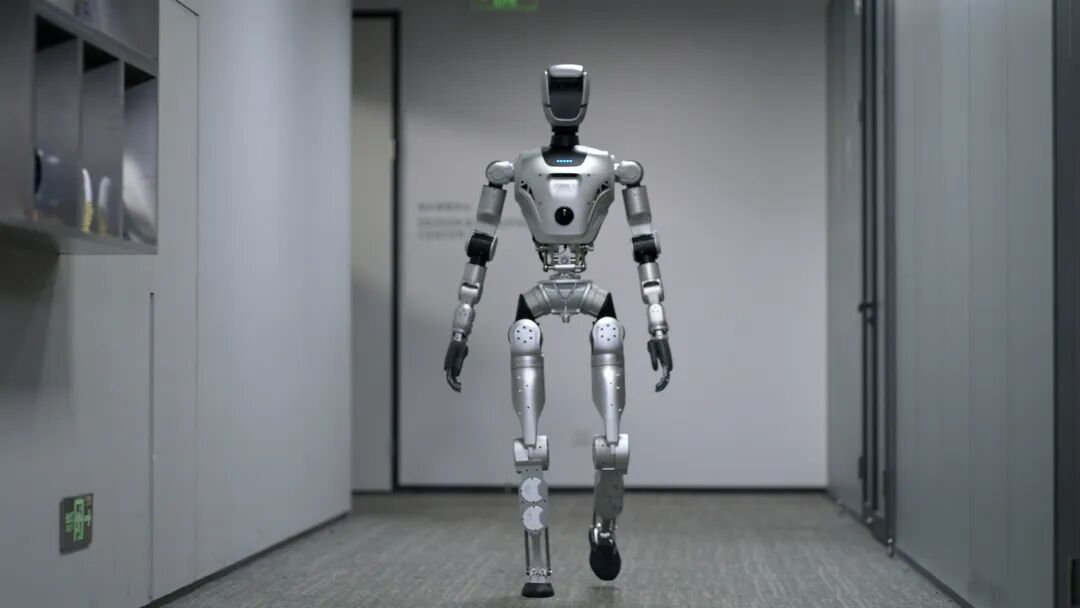
逐际动力创始人张巍:不跟风、不内卷,我们在「造新物种」
36氪· 2026-02-04 13:38
Core Viewpoint - The article emphasizes the rapid growth and potential of the embodied intelligence sector, highlighting significant investments and innovations, particularly from the company Zhujidongli, which recently secured $200 million in funding [11][12]. Group 1: Industry Overview - In 2025, the embodied intelligence sector saw 168 companies receive funding totaling 32.9 billion, a year-on-year increase of 291% [3]. - The Ministry of Industry and Information Technology has identified humanoid robots as a key driver for the development of the embodied intelligence industry [3]. - Despite the optimism, concerns about a potential "winter" for the industry are emerging due to high valuations and challenges in technology and application [3][39]. Group 2: Company Innovations - Zhujidongli is recognized for its unique approach in the embodied intelligence space, showcasing its humanoid robot Oli during a government visit [5]. - The company introduced the "Embodied Intelligence System LimX COSA," which acts as an intelligent operating system for humanoid robots, enabling them to think and act autonomously [6][7]. - The TRON 2 robot, capable of switching between multiple forms, is designed to reduce the cost of exploring various application scenarios, making it a versatile tool for businesses [8][11]. Group 3: Market Position and Strategy - Zhujidongli's focus is on original innovation, avoiding trends and competition based solely on parameters, aiming instead for practical applications and user value [11][42]. - The company is strategically positioned to leverage its technological advancements in the humanoid robot sector, emphasizing the importance of product experience over mere technical demonstrations [17][32]. - The founder believes that 2026 will mark a pivotal year for the industry, with a shift towards practical applications and proof of concept validations [39][49]. Group 4: Future Outlook - The company anticipates that 2026 will be a year of significant breakthroughs in embodied intelligence, particularly in video data training and reinforcement learning [49][50]. - The focus will be on achieving product-market fit and expanding the product matrix, with an emphasis on the Agentic OS as a key technological advancement [55][56]. - The founder asserts that true competition in the sector will revolve around creating meaningful products and solutions rather than merely competing on technology [57][58].
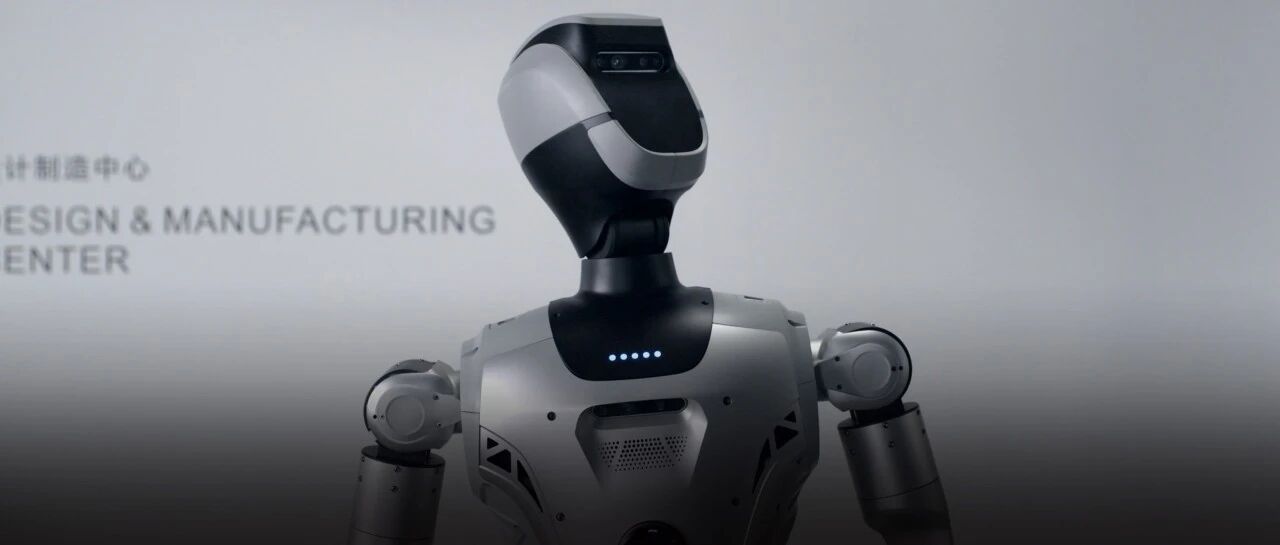
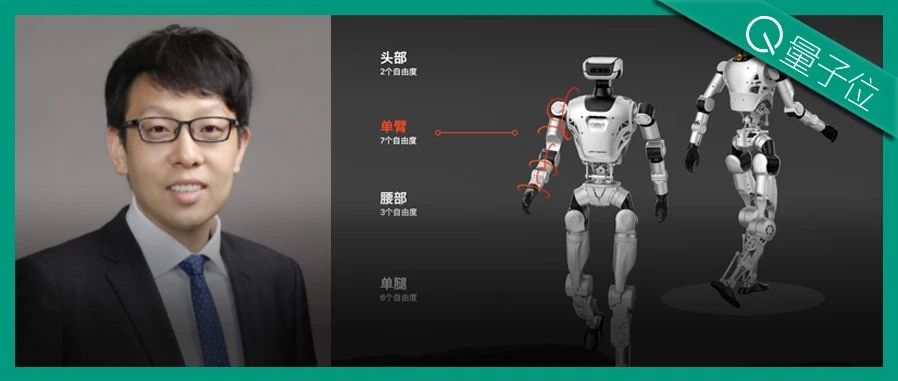
对话逐际动力张巍:造机器人很容易,关键是用起来
量子位· 2025-08-28 06:46
Core Viewpoint - The company aims to create a platform for humanoid robots, enabling developers across various fields to build applications and products, similar to how NVIDIA serves as a foundational platform for innovation in gaming, automotive, and robotics [1][2]. Group 1: Company Vision and Development - The ultimate goal is to "make it easy for everyone to deploy robots" [5][69]. - The company focuses on developing bipedal humanoid robots that are functional, easy to program using natural language, and eventually aims to create an ecosystem akin to a "Windows" operating system for humanoid robots [6][104][152]. Group 2: Technical Insights - The hardware manufacturing of humanoid robots is relatively straightforward, but the challenge lies in developing the AI control systems, referred to as the "small brain" [3][32]. - Recent advancements in AI have made it possible to achieve better control of humanoid robots, which was previously a significant barrier [36][39]. Group 3: Market Positioning and Strategy - The company positions itself as a technology platform, providing foundational capabilities and tools for developers, rather than focusing solely on end-user applications [74][80]. - The pricing strategy for their humanoid robot, LimX Oli, is competitive at 158,000 yuan, significantly lower than some market estimates, aiming to make it accessible for developers [112][114]. Group 4: Future Directions and Challenges - The company anticipates that the widespread adoption of humanoid robots in households may take 7 to 10 years, with initial focus on B2B applications such as inspection, logistics, and education [138][140]. - The biggest challenges include synchronizing technological maturity, ecosystem development, and market acceptance [156].