GLP - 1产业

Search documents
司美格鲁肽专利闸门今日落下,百亿减肥药大战开打:国产司美格鲁肽集体冲线
GLP1减重宝典· 2026-03-20 09:48
Core Viewpoint - The expiration of the core patent for Semaglutide on March 20 marks the beginning of a new phase for the GLP-1 industry in China, shifting the focus from legal barriers to market competition and commercialization strategies [2][3]. Group 1: Market Dynamics - The expiration of the patent does not guarantee the immediate availability of generic drugs; the actual competition will depend on regulatory approval, production capabilities, commercialization speed, and pricing strategies [3]. - Currently, ten domestic companies are in the application stage for Semaglutide, indicating a collective race rather than a single breakthrough [5]. - The competition will not solely be based on pricing but will also involve consistency, supply stability, channel capabilities, and the speed of advancing indications [5]. Group 2: Approval Timeline - The companies most likely to receive approval first for diabetes indications are Jiuyuan Gene and Lizhu Group, with Jiuyuan being the first to submit its application [6]. - Jiuyuan's application for diabetes indication was accepted on April 2, 2024, while Lizhu's application was accepted on June 13, 2024 [6]. - The market expects the first diabetes indication approvals to be granted by the second half of 2026, while weight management indications may not see significant approvals until after 2027 [8]. Group 3: Pricing Strategies - A price war is anticipated, with the original drug already showing price reductions, indicating a preemptive price defense strategy in the GLP-1 market [9]. - The diabetes indication is expected to enter a more intense price competition phase post-approval, while the weight management indication may not see drastic price drops initially due to brand and consumer factors [9]. - The overall trend suggests that Semaglutide will not maintain its previous high-price, scarce, and strong brand premium status in the Chinese market [9].

JPM2026|诺和诺德与礼来CEO,会上互喷
GLP1减重宝典· 2026-01-15 15:45
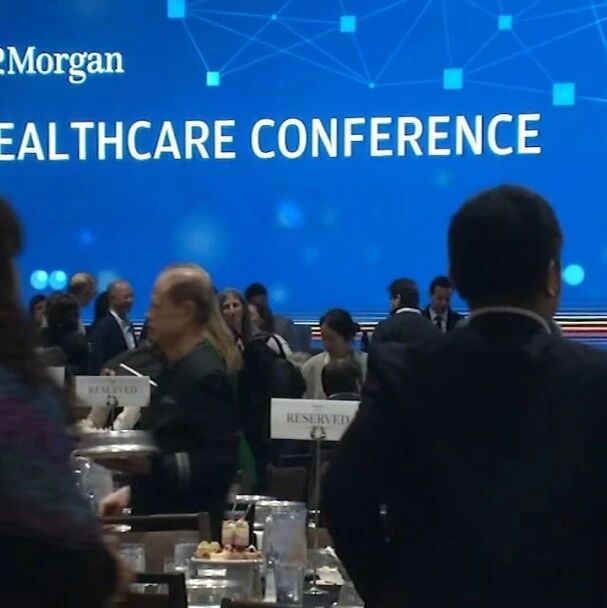
Core Viewpoint - The article discusses the competitive dynamics between Novo Nordisk and Eli Lilly in the GLP-1 market, highlighting a public confrontation at the JPMorgan Healthcare Conference regarding their respective oral weight-loss drugs and clinical strategies [4][10]. Group 1: Clinical Design and Competition - Novo Nordisk's new CEO Mike Doustdar criticized Eli Lilly's oral GLP-1 receptor agonist orforglipron, claiming its clinical design is "extremely unfriendly" for patients on certain statins due to a required waiting period before taking the drug [6]. - Eli Lilly's CEO Dave Ricks responded by emphasizing that the research on drug interactions is ongoing and that the current design should not be interpreted as a definitive barrier to commercialization [7]. Group 2: Market Strategy and Product Positioning - Novo Nordisk is shifting its focus to target a potential beneficiary population of up to 2 billion people, concentrating resources on diabetes, obesity, and related complications [11]. - The company is transitioning from a traditional prescription model to a consumer-oriented approach, aiming to sell its newly approved oral Wegovy directly to patients at a price of $149 per month [12]. Group 3: Financial Implications and Long-term Strategy - Doustdar indicated that the previous pricing of over $1,000 per month for semaglutide was unsustainable for reaching a larger patient base, advocating for a "price for volume" strategy despite short-term profit pressures [13]. - Novo Nordisk has the capacity for significant acquisitions, signaling a willingness to invest $20 billion to $40 billion for valuable assets, while also preparing for the impact of generic competition as patents expire [16]. Group 4: Communication and Market Perception - Doustdar aims to change Novo Nordisk's communication style, moving away from excessive modesty to more assertively convey the company's competitive advantages [14]. - The article concludes that the confrontation at the JPMorgan stage reflects the transition of the GLP-1 industry from a "miracle drug" phase to a period of intense competition, with no room for complacency in pricing, experience, channels, and globalization [17].