GLP - 1 therapy

Search documents
LifeMD Offers Novo Nordisk's Industry-First Wegovy® Telehealth Subscription Program
Globenewswire· 2026-03-31 12:45
Core Insights - LifeMD has launched a subscription program for Novo Nordisk's Wegovy® (semaglutide), providing significant annual savings for patients [1][2] - The subscription model enhances patient access to branded GLP-1 therapy and supports treatment adherence [2][3] Company Overview - LifeMD is a leading provider of virtual primary care services, offering telemedicine and access to laboratory and pharmacy services across more than 200 conditions [5] - The company has a vertically integrated digital care platform and a 50-state affiliated medical group [5] Collaboration Details - The Wegovy® subscription program is an extension of LifeMD's collaboration with Novo Nordisk, which has evolved from an initial pharmacy integration to a comprehensive commercial partnership [3] - LifeMD is recognized as a telehealth provider on both the NovoCare® and Wegovy® websites, highlighting the strength of their relationship [3] Patient Benefits - Patients enrolled in the Wegovy® program through LifeMD can save up to $1,200 annually for injectable formulations and $600 for oral therapy [2] - The program offers a comprehensive care experience, including virtual visits, ongoing clinical oversight, diagnostic testing, and simplified billing [4]

FDA Approves Novo Nordisk's Higher-Dose Wegovy for Obesity Patients
ZACKS· 2026-03-20 13:10
Core Insights - Novo Nordisk (NVO) has received FDA approval for Wegovy HD (7.2 mg), a once-weekly injectable semaglutide, aimed at reducing excess body weight and maintaining long-term weight reduction, with a planned launch in the U.S. in April 2026 [2][4] FDA Approval and Drug Details - The FDA granted a Commissioner's National Priority Voucher for Wegovy HD, expediting its review process and emphasizing its potential to address critical patient needs and public health priorities [3] - Wegovy HD is now FDA-approved in multiple formulations, including a once-daily pill (25 mg) and other injectable doses (1.7 mg, 2.4 mg, and 7.2 mg), for weight management and reducing major cardiovascular events in obesity patients [4] - The 7.2 mg dose is already approved in the UK and EU, with regulatory applications filed for a dedicated single-dose pen in these markets, expecting decisions in the second half of 2026 [5] Clinical Efficacy - Data from the phase III STEP UP study showed that patients receiving the 7.2 mg dose of Wegovy achieved an average weight loss of 20.7% over 72 weeks, compared to 17.5% for the 2.4 mg dose and 2.4% for placebo [7][8] - Approximately one-third of patients on the 7.2 mg dose lost at least 25% of their weight, with 84% of the weight loss attributed to fat mass reduction [9] - In a separate study (STEP UP T2D), obesity patients with type II diabetes treated with Wegovy 7.2 mg experienced a mean weight loss of 14.1%, with 21.3% achieving at least 20% weight loss [10] Market Performance - Over the past six months, Novo Nordisk shares have decreased by 38.9%, contrasting with the industry's growth of 13.1% [6]

Novo Nordisk Secures FDA Approval For Higher-Dose Wegovy
Benzinga· 2026-03-19 17:50
Core Insights - Novo Nordisk's shares are under downward pressure despite the approval of Wegovy HD, a higher dose of semaglutide for weight loss [1][8] Regulatory Approval - The approval of Wegovy HD (7.2 mg) is part of the Commissioner's National Priority Voucher (CNPV) expedited program and is intended for patients who have tolerated the 2.4 mg dose and need further weight reduction [1] - The approval is based on the STEP UP clinical program, which included a 72-week study with 1,407 adults with obesity, showing significant weight loss with the higher dose compared to placebo and the standard 2.4 mg dose [2] Clinical Efficacy - Wegovy is the only GLP-1 therapy for obesity that has been proven to reduce the risk of major cardiovascular events in patients with established heart disease [3] Commercial Rollout - Wegovy HD will be available in April at over 70,000 U.S. pharmacies, including major chains and telehealth platforms, with programs to reduce out-of-pocket costs for eligible patients [5] - Hims & Hers Health, Inc. is collaborating with Novo Nordisk to provide access to FDA-approved GLP-1 weight-loss medications, including Wegovy and Ozempic, at cash-pay prices starting at $149 a month [6] Market Expectations - The European Medicines Agency's Committee has issued a positive opinion for Wegovy 7.2 mg, with a regulatory decision expected in the first quarter of 2026 [7]

LifeMD Reports Fourth Quarter and Full Year 2025 Results
Globenewswire· 2026-03-09 20:05
Core Insights - LifeMD, Inc. reported strong financial results for Q4 and the full year 2025, indicating a robust growth trajectory in its virtual healthcare services [2][3][5]. Financial Performance - Full year 2025 revenue increased by 25% to $194.1 million, while adjusted EBITDA rose by 309% to $15.3 million [7]. - Q4 revenue grew by 4% to $46.9 million, with adjusted EBITDA increasing by 348% to $4.8 million [7][8]. - The company exited 2025 with approximately $36.8 million in cash and no debt, enhancing its financial stability for future investments [5][7]. Business Growth and Strategy - LifeMD's weight management business is experiencing record patient sign-ups, with over 80% of new patients initiating branded therapy [3][7]. - The company launched oral Wegovy to address barriers in cost and access for patients, positioning itself to capitalize on a significant market opportunity [3]. - LifeMD's infrastructure is expected to cover approximately 220 million Americans by the end of Q2 2026, supported by a specialized provider group and national pharmacy operations [4][7]. Subscriber Metrics - The number of active telehealth subscribers increased by 16% to approximately 323,000 by the end of Q4 2025 [8]. - The company anticipates annualized run-rate revenue to exceed $250 million and adjusted EBITDA to exceed $25 million by Q4 2026, driven by growth in GLP-1 and women's health segments [5][15]. Market Positioning - LifeMD is uniquely positioned for long-term leadership in the virtual healthcare market, with ongoing collaborations with major healthcare and pharmaceutical brands [4][3]. - The company emphasizes its differentiated specialty offerings in men's and women's health, which are expected to scale significantly [4].
NVO Stock Sheds Nearly $50B in Market Cap in a Month: Should You Sell?
ZACKS· 2026-03-09 14:06
Core Insights - Novo Nordisk (NVO) shares have dropped 22% in the past month, resulting in a loss of nearly $50 billion in market capitalization due to disappointing clinical developments and rising pricing pressures [2] - Eli Lilly (LLY) has emerged as a significant competitor in the GLP-1 obesity market, with its therapy Zepbound (tirzepatide) outperforming NVO's Wegovy in clinical trials [3][4] - Novo Nordisk plans to cut U.S. list prices for Wegovy, Ozempic, and Rybelsus to $675 per month starting January 2027 to enhance patient access, which may compress margins amid increasing competition [7] Competitive Landscape - Eli Lilly's Zepbound achieved 25.5% weight loss in a phase III study, surpassing Novo Nordisk's CagriSema, which recorded 23% weight loss, marking a competitive setback for NVO [4][5] - Lilly's oral GLP-1 candidate, orforglipron, has also outperformed Novo Nordisk's Rybelsus in a phase III study for type II diabetes, further strengthening Lilly's position in the market [6] Financial Performance - Novo Nordisk's stock has underperformed, losing 29.1% over the past six months compared to the industry's 20% growth [19] - The company's shares currently trade at a price/earnings ratio of 11.59, significantly lower than the industry average of 17.90, indicating a discount in valuation [22] Growth Outlook - Novo Nordisk's growth outlook is deteriorating due to slowing demand, rising costs, and limited near-term catalysts, with earnings estimates for 2026 and 2027 declining [8][24] - The company is expanding its portfolio beyond GLP-1 treatments, seeking approvals for therapies in rare diseases and liver care, including treatments for hemophilia and metabolic dysfunction-associated liver disease [15][16] Pipeline Developments - Novo Nordisk is advancing several next-generation obesity candidates, including CagriSema and amycretin, to strengthen its competitive position in the obesity market [17][18] - The company has also entered partnerships to develop oral small-molecule medicines for obesity and diabetes, indicating a strategic focus on expanding its treatment options [18]

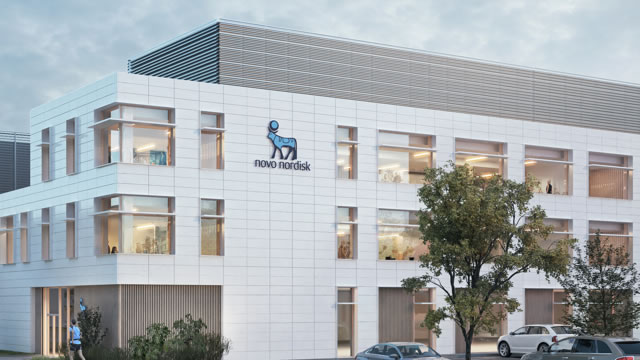
Is Novo Nordisk's GLP-1 Dominance Fading After Lilly's Clinical Wins?
ZACKS· 2026-03-02 15:02
Core Insights - Novo Nordisk's shares fell 21% following disappointing clinical results and pricing pressures, erasing gains from the approval of Wegovy in 2021 [1] Competitive Landscape - Eli Lilly has become a significant competitor in the GLP-1 obesity market with its Zepbound, which has been gaining market share due to superior weight-loss efficacy compared to Wegovy [2] - In a recent phase III study, Zepbound achieved a 25.5% weight loss at 84 weeks, outperforming Novo Nordisk's CagriSema, which recorded a 23% weight loss, marking a competitive win for Lilly [3][4] - Eli Lilly's oral GLP-1 candidate, orforglipron, also outperformed Novo Nordisk's Rybelsus in a phase III study, achieving a 2.2% reduction in A1C and 9.2% weight loss at 52 weeks, indicating a stronger competitive position [5][6] Pricing Strategy - Novo Nordisk plans to reduce the U.S. list prices of its major products, including Wegovy, Ozempic, and Rybelsus, to $675 per month starting January 2027, aiming to improve patient access but risking margin compression amid rising competition [7] Market Performance - Novo Nordisk's stock has underperformed, losing 34% over the past six months compared to the industry's 24.5% growth [11] - The company's shares are trading at a forward P/E ratio of 11.17, significantly lower than the industry average of 18.70 and below its five-year mean of 29.25 [14] Earnings Estimates - Earnings estimates for Novo Nordisk have declined, with 2026 estimates dropping from $3.54 to $3.36 per share and 2027 estimates from $3.65 to $3.30 [16]
Novo Nordisk's New Diabetes Drug Outshines Ozempic: Is The Stock a Buy?
The Motley Fool· 2026-02-16 20:45
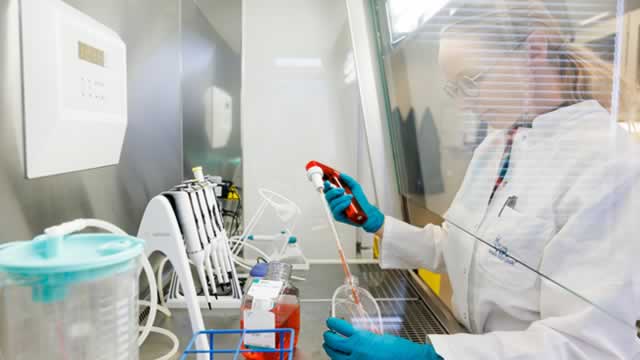
Core Insights - Novo Nordisk is focusing on regaining market share in the GLP-1 space, where it has faced competition from Eli Lilly [1][8] - The company's future growth will depend on the success of its next-generation therapies, particularly CagriSema, as current products are expected to see declining sales [2][6] Product Development - CagriSema is a dual agonist that mimics GLP-1 and amylin, showing promising results in clinical trials [4] - In a phase 3 weight-loss trial, CagriSema achieved a mean weight reduction of 22.7% after 68 weeks, outperforming Wegovy, which had a reduction of 16.1% [4] - Another late-stage study showed CagriSema led to a 1.91% reduction in blood sugar and a 14.2% weight loss in type 2 diabetes patients, surpassing Ozempic's performance [5] Regulatory and Manufacturing Challenges - Novo Nordisk has submitted regulatory applications for CagriSema as a weight loss treatment and plans to seek approval for diabetes treatment after completing additional studies [6] - CagriSema's manufacturing will be more complex and costly compared to semaglutide, which has faced supply constraints [7] Competitive Landscape - Eli Lilly's retatrutide has shown a mean weight loss of up to 28.7%, indicating that Novo Nordisk still faces significant competition [7] - Despite challenges, CagriSema's advantages over Wegovy and Ozempic may enhance Novo Nordisk's market position as the company expands its manufacturing capacity [8] Revenue Potential - Wegovy has received label expansions for treating metabolic dysfunction-associated steatohepatitis (MASH), which could positively impact sales [9] - New approvals and label expansions may help Novo Nordisk's revenue trajectory improve [9]
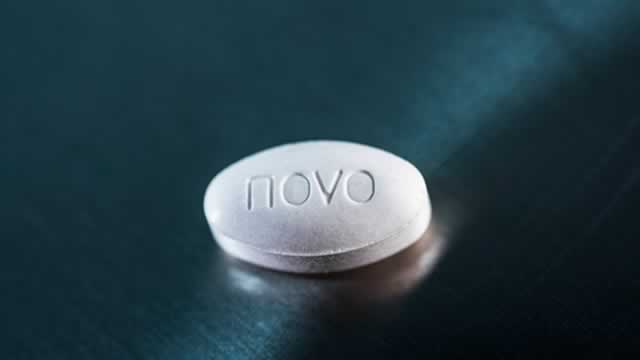
Can Higher-Dose Wegovy Help Novo Nordisk Regain Obesity Market Share?
ZACKS· 2025-12-18 15:56
Core Insights - Novo Nordisk (NVO) is a leading player in the obesity market, primarily driven by its GLP-1 therapy Wegovy (semaglutide), but sales momentum has slowed due to increased competition, particularly from Eli Lilly (LLY) and the use of compounded semaglutide in the U.S. [1] Competitive Landscape - Eli Lilly's Zepbound (tirzepatide) is gaining market share in the U.S. obesity market, supported by the SURMOUNT-5 study showing superior efficacy compared to Wegovy [2] - In a phase IIIb study, Zepbound users experienced an average weight loss of 20.2%, compared to 13.7% for Wegovy, indicating a 47% greater relative weight loss for Zepbound [3] - Novo Nordisk is seeking approval for a 7.2 mg dose of Wegovy, which has shown an average weight loss of 20.7% in its STEP UP study, outperforming both the 2.4 mg dose of Wegovy and Zepbound [4][10] Regulatory Developments - Novo Nordisk has filed for regulatory approval of Wegovy 7.2 mg in the U.S. and EU, with a positive opinion from the EU advisory committee and decisions expected in early 2026 [6][10] Market Dynamics - If approved, Wegovy 7.2 mg could enhance Novo Nordisk's competitive position, potentially shifting demand from Zepbound and supporting pricing power [7] - Eli Lilly's Mounjaro and Zepbound have generated combined sales of $24.8 billion in the first nine months of 2025, accounting for 54% of its total revenues [8] Company Performance - Novo Nordisk shares have declined by 35.4% over the past six months, underperforming the industry and the S&P 500 [11] - The company's shares currently trade at a price/earnings ratio of 13.44, lower than the industry average of 17.18, and significantly below its five-year mean of 29.25 [14] Earnings Estimates - Earnings estimates for 2025 have decreased from $3.66 to $3.57 per share, and for 2026 from $3.91 to $3.55 [17]
中国医疗-2025 年 GLP-1 消费者调研:可及性、可负担性与治疗周期改善-China Healthcare_ 2025 GLP-1 consumer survey_ improving access, affordability and treatment duration
2025-12-01 01:29
Summary of the China GLP-1 Consumer Survey Industry Overview - The report focuses on the **GLP-1 drug market** in China, particularly for treating **type 2 diabetes (T2DM)** and **weight loss**. - The survey conducted by **UBS Evidence Lab** indicates a generally improving user base for GLP-1 drugs in terms of access, affordability, and treatment duration. Key Findings User Access and Affordability - **Access Improvement**: 91% of respondents found it easy to access GLP-1 drugs in 2025, up from 67% in 2024. The percentage of those who found it "very easy" increased to 44% from 18% in 2024 [3][31]. - **Affordability**: 77% of respondents considered GLP-1 drugs "completely affordable," an increase from 69% in 2024 [3][31]. - **Channel Shift**: The ex-hospital channel has become the major access point for GLP-1 drugs, with 71% of users accessing them through this channel, up from 44% in 2024 [3][25]. Treatment Duration and Satisfaction - **Longer Duration of Treatment (DoT)**: Expected DoT for T2DM and weight loss has increased to 15.3 months (up 18.6%) and 14.6 months (up 29.2%), respectively [4][57]. - **User Satisfaction**: Nearly 100% of users reported satisfaction with GLP-1 drugs, with 63% indicating they were "very satisfied," up from 29% in 2024 [4][42]. Product Preferences - **Semaglutide Dominance**: Injectable semaglutide remains the best-selling GLP-1 product in China, holding a 75.1% market share YTD [5][24]. - **Domestic Product Awareness**: Awareness of domestic products like mazdutide has increased, with its sales ramping up significantly post-launch [5][17]. - **User Preferences**: 48% of respondents preferred imported products due to perceived lower side effects and better efficacy, while domestic products were favored for long-term supply and lower prices [3][45]. Side Effects and Concerns - **Side Effect Concerns**: The main concerns for users include digestive system issues, with 53% reporting this as a concern, down from 69% in 2024 [73][101]. - **Non-User Concerns**: Among non-users keen to lose weight, 70% cited side effects as their top concern, followed by doubts about efficacy [45][46]. Market Dynamics - **Shift in Treatment Lines**: There is a notable shift towards using GLP-1 drugs as a second-line therapy for T2DM, with 50% of users now using them as such, up from 32% in 2024 [87]. - **Future Prospects**: The report highlights strong momentum for companies like **Innovent** with mazdutide and **Hengrui** with HRS-9531, which is under NDA review for weight loss treatment expected to launch in 2026 [2][5]. Additional Insights - **Demographics of Respondents**: The survey included 830 respondents with a balanced distribution across gender, city tier, and age [7]. - **Income Levels**: The median monthly household income of respondents was Rmb22,500, with 59% earning between Rmb15,000 and Rmb24,999 [7][15]. This comprehensive analysis indicates a positive trend in the GLP-1 market in China, with increasing access, affordability, and user satisfaction, alongside a growing preference for both imported and domestic products.
Healthy Returns: A key step forward for Novo Nordisk's GLP-1 pill
CNBC· 2025-10-21 19:27
Core Insights - Novo Nordisk's oral semaglutide has received FDA approval for reducing cardiovascular risks in individuals with type 2 diabetes, marking a significant expansion of its therapeutic applications [3][4]. Group 1: Product Approval and Efficacy - The FDA approved oral semaglutide for lowering the risk of major cardiovascular complications, showing a 14% reduction in risk over four years compared to a placebo in the SOUL trial [3]. - Oral semaglutide, marketed as Rybelsus, is the only approved GLP-1 pill and has been available since 2019, also serving as the active ingredient in Novo Nordisk's obesity treatments, Ozempic and Wegovy [4]. Group 2: Market Competition - Eli Lilly is developing a competing GLP-1 pill, orforglipron, which is expected to launch globally next year, creating a competitive landscape for market share in obesity treatments [6]. - Analysts note that while Novo Nordisk's oral semaglutide has shown higher efficacy in obesity trials, Eli Lilly's orforglipron may offer advantages in absorption and manufacturing scalability [7]. Group 3: Future Developments - Novo Nordisk is exploring the use of oral semaglutide in Alzheimer's disease, while Eli Lilly is conducting trials for orforglipron in obstructive sleep apnea and hypertension [8].