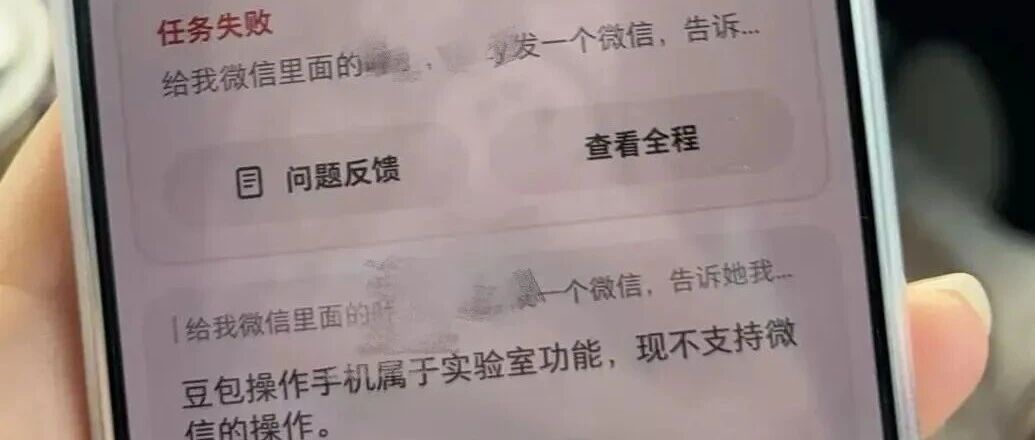
INJECT_EVENTS权限

Search documents
用户担忧“豆包手机”变板砖,AI应用创新搅动利益博弈
Nan Fang Du Shi Bao· 2025-12-07 12:07
Core Points - Doubao Assistant, an AI mobile assistant developed by ByteDance, faces significant restrictions from various apps, limiting its automation capabilities [1][14][12] - The assistant has received both praise for its advanced operational capabilities and criticism regarding potential privacy risks due to its access to sensitive system-level permissions [1][18][20] - The introduction of Doubao Assistant may disrupt existing competition among internet platforms by changing user behavior and app interaction [1][22] Group 1: Doubao Assistant's Functionality and Limitations - Doubao Assistant has been granted higher-level operating system permissions through a partnership with ZTE Nubia, allowing it to perform tasks across multiple apps [1][4] - Despite its capabilities, Doubao Assistant has encountered significant barriers, with major apps like WeChat, Alipay, and Taobao blocking its automated operations due to security concerns [12][14] - The assistant's ability to operate in the background without interrupting user activities is a notable advantage over other AI assistants that rely on accessibility permissions [10][19] Group 2: Industry Reactions and Regulatory Concerns - The assistant's launch has prompted responses from various stakeholders, emphasizing the need for privacy protection and compliance with existing regulations [2][18] - Experts highlight the potential for Doubao Assistant to challenge existing market structures and ethical standards within the industry [2][17] - The debate over the necessity of dual authorization (user and app) for AI assistants continues, with recent standards suggesting a shift towards user control [24][25] Group 3: Market Dynamics and Future Implications - The emergence of AI assistants like Doubao may shift traffic and user engagement away from traditional apps, raising concerns among app developers about revenue models [22][27] - ByteDance is exploring partnerships with various smartphone manufacturers to integrate Doubao Assistant, but major brands remain hesitant due to concerns over the assistant's maturity and effectiveness [28][29] - The competitive landscape may evolve as companies weigh the benefits of developing in-house AI solutions versus adopting external models like Doubao Assistant [28][29]


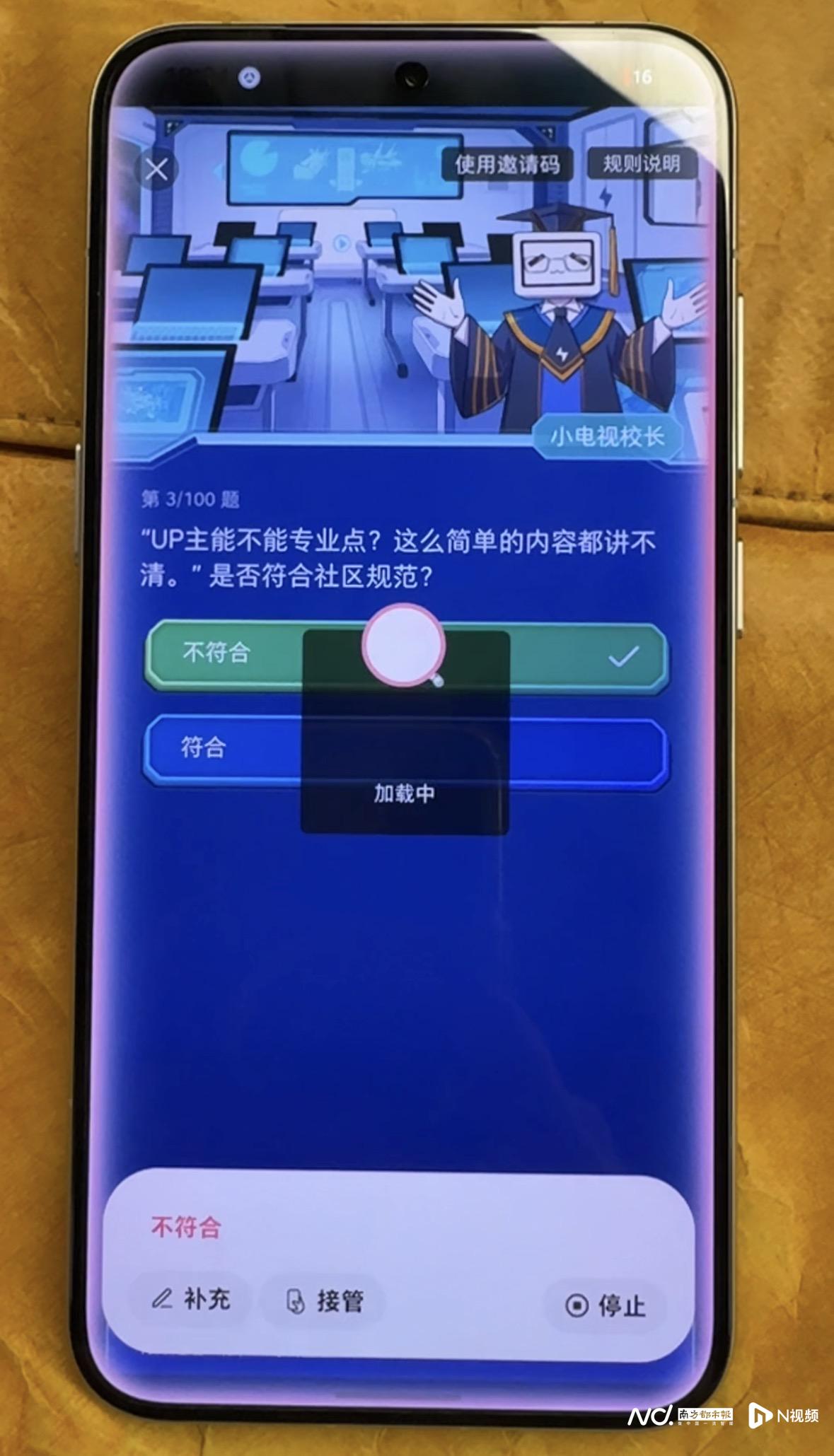
AI智能体正在重写手机安全规则,该不该让「豆包助手」模拟你的手指?
Di Yi Cai Jing· 2025-12-03 10:21
Core Insights - The article discusses the recent issues faced by the nubia M153 engineering device in accessing WeChat, highlighting a temporary login problem and the inability to perform tasks related to WeChat [3][4] - The focus is on the INJECT_EVENTS permission granted to the nubia M153, which allows applications to simulate user input events, raising concerns about security risks associated with this high-level operating system permission [6][7] Group 1: Technical Aspects - The INJECT_EVENTS permission is classified as a high-risk permission in the Android system, typically reserved for device manufacturers or deeply authorized partners, allowing applications to operate as part of the operating system [6][8] - The ability to obtain this permission requires the application to be signed with the manufacturer's system private key, indicating a deep collaboration between the model provider and the hardware manufacturer [8][9] - The article mentions that other native assistants from manufacturers like Xiaomi and Honor also possess this permission, indicating a trend in the industry towards integrating AI capabilities at a system level [8][9] Group 2: Security Concerns - Granting INJECT_EVENTS permission to third-party applications poses significant security risks, such as potential unauthorized access to sensitive information like banking passwords [7][9] - Experts emphasize the need for a robust security mechanism to ensure that AI applications operate within safe boundaries, particularly as user interactions with AI become more frequent and complex [11][13] - The article notes that the current focus on AI integration in mobile devices is not just about functionality but also about maintaining user privacy and data security [12][14] Group 3: Market Dynamics - The competition among mobile manufacturers, model providers, and traditional app developers is described as a struggle for data access and user engagement, with each entity trying to establish its own entry point into the market [14] - The target audience for the nubia M153 engineering device is primarily developers rather than ordinary consumers, indicating a niche market focus [14]

豆包手机助手触发微信账号强制下线?豆包、微信双方回应
第一财经· 2025-12-03 08:15
Core Viewpoint - The article discusses issues related to the Nubia M153 smartphone, which utilizes the Doubao mobile assistant, highlighting user complaints about WeChat crashing when operated through the assistant [1][2]. Group 1: Product Overview - The Nubia M153 is an AI smartphone developed by ZTE in collaboration with ByteDance, featuring the Doubao mobile assistant at a price of 3499 yuan [1]. - Doubao mobile assistant is based on the Doubao app and is designed to enhance user interaction and experience through AI capabilities [1]. Group 2: User Experience and Issues - Users reported that using the Doubao mobile assistant to operate WeChat led to abnormal exits and login issues [1]. - While the engineering version of the Doubao assistant can normally use WeChat, the current version no longer supports operating WeChat [1]. Group 3: Security and Permissions - WeChat representatives indicated that the issues may be related to existing security measures rather than specific actions taken against the Doubao assistant [1]. - Technical personnel noted that the Doubao assistant has the INJECT_EVENTS permission, which allows it to simulate user input, categorized as a high-risk permission in Android [1]. - Doubao responded by stating that the permissions are disclosed in their privacy policy and that user authorization is required for task execution, which can be interrupted by the user [2]. Group 4: Industry Context - Industry insiders mentioned that the INJECT_EVENTS permission is commonly used by mobile assistants from other manufacturers, such as Xiaomi's Xiao Ai and Honor's Yoyo [2].