
豆包助手

Search documents
当千问App打通阿里“全家桶”:一场“入口革命” 还是生态“围墙”?
Mei Ri Jing Ji Xin Wen· 2026-01-15 15:39
Core Insights - The launch of the Qianwen App marks a significant shift in AI assistants from simple Q&A to autonomous task execution, integrating deeply within Alibaba's ecosystem [1][2][18] - The Qianwen App has introduced over 400 AI functionalities, enabling a complete shopping loop from planning to transaction execution [1][2] Group 1: Qianwen App Features - The Qianwen App now fully integrates with Alibaba's services such as Taobao, Alipay, and Fliggy, allowing users to complete transactions without leaving the app [1][2] - A key feature highlighted is the AI food delivery function, where users can place orders directly through voice commands, streamlining the ordering process [2][3] - The app also provides product recommendations based on user needs, although it currently directs users to various Taobao stores rather than brand flagship stores [4][8] Group 2: Strategic Positioning - Qianwen App's strategy contrasts with ByteDance's Doubao Assistant, focusing on creating a closed-loop system within Alibaba's ecosystem rather than attempting to integrate across multiple platforms [2][10] - This approach minimizes risks associated with cross-platform restrictions and enhances service fluidity, relying on Alibaba's extensive data and application ecosystem [2][11] - Experts suggest that Qianwen's integration with Alibaba's ecosystem could lead to significant changes in e-commerce and food delivery, making the shopping process simpler and more efficient [14][15] Group 3: Market Context and Competition - The competitive landscape includes Doubao Assistant, which aims for a more open system but faces challenges from existing platform restrictions [10][12] - Qianwen's model may provide a more stable path to commercialization, leveraging Alibaba's resources to avoid the compliance issues faced by Doubao [11][12] - The current user engagement metrics show Qianwen achieving over 100 million monthly active users within two months, indicating strong market interest [17]


智能眼镜成“无感偷拍”工具,清洗AI标识黑灰产隐现
Nan Fang Du Shi Bao· 2025-12-21 06:32
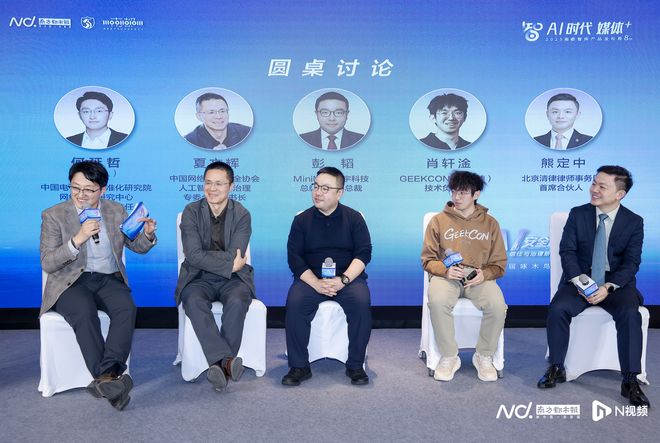
Core Viewpoint - The importance of safety in AI products is emphasized, as any lapse could lead to significant consequences for the industry and public trust [1][3]. Group 1: AI Safety Concerns - The security testing results for AI hardware products are concerning, with vulnerabilities that could allow for malicious activities, such as using AI glasses for covert surveillance [3][5]. - The current state of security for embodied intelligent robots is described as "full of holes," indicating multiple vulnerabilities that could lead to harmful actions [3][5]. - There is a significant gap in understanding the value of security among many emerging AI startups, with some companies neglecting to establish dedicated security teams until late in their development [5]. Group 2: AI Mobile Assistants - The launch of the AI mobile assistant "Doubao" has sparked controversy regarding its system-level permissions and potential risks to user privacy [6][7]. - The regulatory landscape for AI assistants is evolving, with calls for balanced oversight that prevents both excessive regulation and unchecked growth [7][8]. Group 3: AI Content Regulation - New regulations require AI-generated content to have visible and hidden identifiers to ensure accountability and traceability [9][10]. - There are emerging black market activities focused on removing AI identifiers, posing challenges for content regulation [10][12]. Group 4: AI and Youth Protection - The rise of AI companionship products has raised ethical concerns, particularly regarding their impact on youth, with incidents of self-harm linked to AI interactions [13][14]. - Companies are implementing measures to protect minors, such as usage restrictions and behavior analysis to identify underage users [14]. Group 5: AI Copyright Issues - Ongoing disputes regarding AI copyright focus on the legality of using copyrighted material for training data and the responsibilities of AI platforms [15][17]. - Recent statistics indicate a significant number of copyright infringement cases related to AI in the U.S., highlighting the urgency of resolving these issues [17]. - Collaborative agreements between AI companies and copyright holders, such as the partnership between Disney and OpenAI, are seen as potential pathways to resolve disputes and foster innovation [19].
豆包助手在争议中出圈,业内人士称有系统级权限不等于高风险
Nan Fang Du Shi Bao· 2025-12-15 10:23
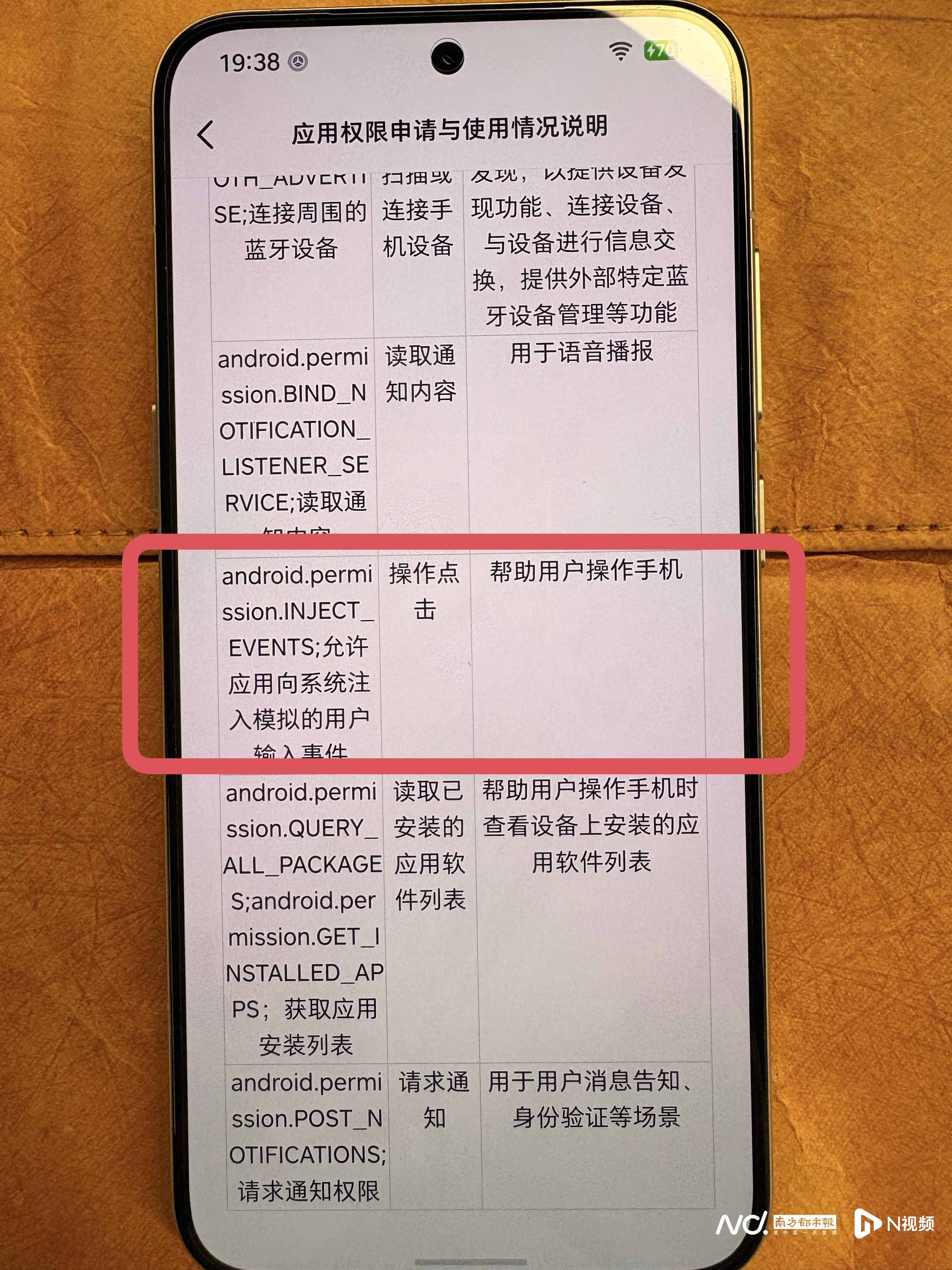
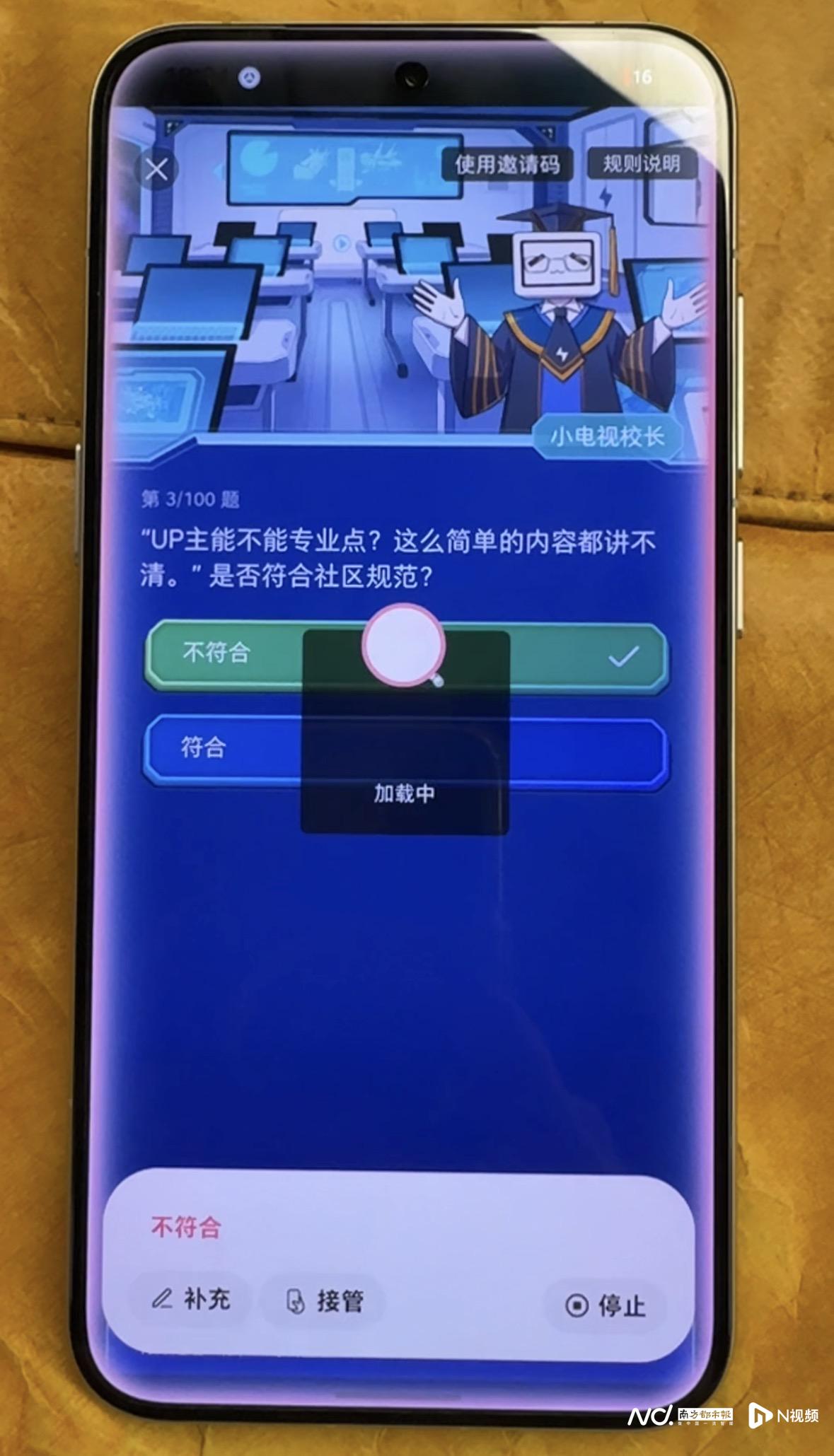
Core Viewpoint - Doubao Assistant, developed by ByteDance and ZTE, has faced restrictions from major apps like WeChat and Alipay shortly after its launch, leading to discussions about privacy and the implications of AI in app interactions [1][2][24]. Group 1: Product Launch and Initial Reactions - Doubao Assistant was released on December 1, 2023, as part of the Doubao phone (Nubia M153), which quickly boosted stocks of related companies like ZTE [1]. - Following its launch, major apps began to block Doubao Assistant, citing security concerns and prompting the assistant to limit its capabilities [1][2]. - The assistant's ability to perform complex tasks and operate like a "secretary" has generated significant interest and feedback from users [4][5]. Group 2: Technical Capabilities and Comparisons - Doubao Assistant can execute over 50 complex tasks with an estimated success rate of around 80%, distinguishing it from previous AI assistants that relied on simpler interactions [4][5]. - Unlike other assistants that use accessibility permissions, Doubao Assistant operates in the background and utilizes system-level INJECT_EVENTS permissions for smoother task execution [5][6][13]. - The assistant's design allows for a more fluid user experience, as it can perform tasks without interrupting the user's interaction with the device [5][13]. Group 3: Privacy and Security Concerns - The use of high-risk permissions like INJECT_EVENTS has raised concerns about potential misuse, but industry insiders argue that the risk is context-dependent and not inherently dangerous [15][16]. - Doubao Assistant's data processing involves both local and cloud components, with assurances that sensitive information is not stored on servers [20][21]. - Users have expressed worries about privacy, but the assistant's design includes mechanisms to ensure transparency and control over task execution [22][23]. Group 4: Industry Implications and Future Outlook - The strong reactions from app developers indicate a significant concern over the potential disruption to existing app ecosystems, although the current impact on market dynamics is limited due to the assistant's early stage and low sales volume [24][25]. - There is ongoing debate about whether AI assistants should require dual authorization from both users and app developers, reflecting broader discussions about data ownership and user rights [26][27]. - The future of AI assistants like Doubao will likely depend on their ability to navigate these regulatory and trust issues while providing valuable services to users [23].
继微信“被动下线”后,阿里系App禁止豆包手机登录
猿大侠· 2025-12-08 04:11
Core Insights - The collaboration between Doubao and ZTE has led to the launch of the "Doubao Assistant" smartphone, which has sparked significant discussion in the tech community [1][3] - Following the release, several applications from Alibaba, including Taobao and Xianyu, have begun to block logins from the Doubao phone, indicating potential security concerns [1] - The Doubao team has acknowledged the need for regulatory adjustments regarding AI operations on smartphones, aiming to establish clearer guidelines for users [3] Group 1 - The "Doubao Assistant" smartphone sold out quickly after its release, with second-hand prices ranging from 4200 to 4999 yuan, exceeding the official price by 700 to 1500 yuan [3] - Users have reported that banking apps, such as those from Agricultural Bank and Construction Bank, have implemented security measures against AI and screen sharing, requiring users to disable the AI assistant to proceed [1] - The Doubao Assistant team clarified that the AI does not bypass security measures like password or facial recognition during banking operations, ensuring user authentication is still required [3] Group 2 - The Doubao Assistant's capabilities are being adjusted to comply with various application requirements, reflecting the need for a balanced approach to AI usage [3] - The gaming app "Honor of Kings" has also detected AI control, limiting its functionality to manual activation only, which highlights the challenges faced by AI integration in gaming [1]

用户担忧“豆包手机”变板砖,AI应用创新搅动利益博弈
Nan Fang Du Shi Bao· 2025-12-07 12:07
Core Points - Doubao Assistant, an AI mobile assistant developed by ByteDance, faces significant restrictions from various apps, limiting its automation capabilities [1][14][12] - The assistant has received both praise for its advanced operational capabilities and criticism regarding potential privacy risks due to its access to sensitive system-level permissions [1][18][20] - The introduction of Doubao Assistant may disrupt existing competition among internet platforms by changing user behavior and app interaction [1][22] Group 1: Doubao Assistant's Functionality and Limitations - Doubao Assistant has been granted higher-level operating system permissions through a partnership with ZTE Nubia, allowing it to perform tasks across multiple apps [1][4] - Despite its capabilities, Doubao Assistant has encountered significant barriers, with major apps like WeChat, Alipay, and Taobao blocking its automated operations due to security concerns [12][14] - The assistant's ability to operate in the background without interrupting user activities is a notable advantage over other AI assistants that rely on accessibility permissions [10][19] Group 2: Industry Reactions and Regulatory Concerns - The assistant's launch has prompted responses from various stakeholders, emphasizing the need for privacy protection and compliance with existing regulations [2][18] - Experts highlight the potential for Doubao Assistant to challenge existing market structures and ethical standards within the industry [2][17] - The debate over the necessity of dual authorization (user and app) for AI assistants continues, with recent standards suggesting a shift towards user control [24][25] Group 3: Market Dynamics and Future Implications - The emergence of AI assistants like Doubao may shift traffic and user engagement away from traditional apps, raising concerns among app developers about revenue models [22][27] - ByteDance is exploring partnerships with various smartphone manufacturers to integrate Doubao Assistant, but major brands remain hesitant due to concerns over the assistant's maturity and effectiveness [28][29] - The competitive landscape may evolve as companies weigh the benefits of developing in-house AI solutions versus adopting external models like Doubao Assistant [28][29]

阿里系 App 禁止豆包手机登录;库克被曝出现“不明原因手部颤抖”;众擎T800人形机器人一脚踹倒自家CEO | AI周报
AI前线· 2025-12-07 05:33
Group 1 - Doubao mobile assistant faces login restrictions from Alibaba apps, including Taobao and Xianyu, due to security measures [3][4] - Doubao assistant claims it does not bypass authentication for sensitive operations and plans to adjust AI capabilities in certain scenarios [4][5] - The initial release of Doubao mobile assistant sold out quickly, with second-hand prices significantly higher than the official price, indicating strong market interest [5] Group 2 - The T800 humanoid robot from Zhongqing Robotics gained attention after a video showed it kicking the CEO, highlighting the robot's capabilities [6][9] - T800 is priced starting at 180,000 yuan and features advanced joint modules and sensory technology for various tasks [9] Group 3 - Jiuyue Automotive is undergoing bankruptcy restructuring, with plans to introduce new investors while Baidu seeks to exit its investment [10][11] - The restructuring faces challenges due to significant debt, estimated at 7 billion yuan, with major stakeholders like Geely and Baidu involved [11] Group 4 - Apple CEO Tim Cook reportedly experiences hand tremors, raising concerns among employees amid significant executive turnover at the company [12][13] Group 5 - New Oriental employee expresses dissatisfaction with the company's overtime culture, leading to internal repercussions [14][15] - The employee's complaints highlight issues with work-life balance and management practices within the company [14][15] Group 6 - Canon's Zhongshan factory announced generous severance packages for laid-off employees, with compensation reaching up to 400,000 yuan [16] - The factory's closure is part of a broader trend of production capacity shifting to Southeast Asia [16] Group 7 - A controversy arose when the chairman of Aibisen rejected the position due to dissatisfaction with a salary of 4.35 million yuan, which was later attributed to a clerical error [17] Group 8 - Meta's CEO Mark Zuckerberg plans to shift focus away from the metaverse, with the division having incurred losses exceeding 70 billion dollars [18][19] Group 9 - Microsoft denies reports of lowering AI sales targets, clarifying the distinction between growth goals and sales quotas [20][21] Group 10 - Nvidia launched the Alpamayo-R1 model, aimed at advancing autonomous driving technology through a new visual language model [28][29] Group 11 - Li Auto introduced its first AI smart glasses, Livis, with a starting price of 1,699 yuan after subsidies, aiming to integrate AI capabilities into daily life [30][31] Group 12 - MiHoYo's co-founder launched an AI chat model, AnuNeko, which aims to create interactive NPCs for gaming, reflecting a unique approach to AI integration in games [33][34] Group 13 - SenseTime released the NEO architecture for multimodal models, marking a significant advancement in AI capabilities [35]



记者实测豆包手机助手 “模型商+ 硬件厂”模式 能否重塑AI手机?|一探
Di Yi Cai Jing· 2025-12-05 09:38
Core Insights - ByteDance's Doubao and ZTE have launched an AI smartphone that is generating significant market interest [1] - The Doubao assistant within the phone shows quick response times and clear feedback logic in travel planning and ticket booking, but has issues with longer wait times and unintegrated payment processes [1] - The industry faces challenges with the integration of systems and models in current smartphone AI assistants, and the effectiveness of this collaboration between Doubao and ZTE remains to be validated by the market [1]
AI手机,这“闭门羹”有营养
Bei Jing Shang Bao· 2025-12-04 16:13
Core Viewpoint - The integration of AI assistants into hardware is gaining attention, but it faces challenges related to security and commercial interests, highlighted by the rejection of the Doubao AI phone by major apps like WeChat [1][2]. Group 1: Technology and Security - The deep integration of AI capabilities raises concerns about user permissions and data security, as AI systems may operate across applications, blurring the lines of user consent and AI autonomy [2]. - The potential for security risks, such as data misuse, exists, but these can be addressed through technological upgrades [2][3]. - The core conflict lies between the demand for convenience through AI and the necessity of maintaining security and commercial interests [1][2]. Group 2: Commercial Interests and Ecosystem - The rejection of the Doubao AI phone by WeChat reflects a broader concern over new interaction models that are not under the control of existing applications, indicating a complex commercial landscape [2]. - Various stakeholders, including hardware manufacturers, system developers, and AI service providers, are vying to establish themselves as the rule-makers in this evolving ecosystem [2]. - The ongoing debate emphasizes the need for clear boundaries regarding permissions, transparent data ethics, and a healthy commercial ecosystem to ensure the responsible advancement of AI technology [3]. Group 3: Future Directions - The current discussions and controversies are occurring during the testing phase of the engineering model, allowing for a space for consumer imagination and cautious exploration [3]. - Establishing open and secure collaborative interfaces is essential for balancing AI productivity with user rights and ecological rules [3]. - The evolution of AI must be accompanied by proactive dialogue and practical construction to achieve a dynamic balance amid multiple commercial interests [3].
魅族科技喊话豆包官方:期待有机会深入合作
Feng Huang Wang· 2025-12-04 14:30
Core Viewpoint - Meizu Technology congratulated Doubao on the successful release of its technical preview version, highlighting the expansion of AI smartphone possibilities and expressing interest in future collaboration to create better AI phones [1] Group 1: Company Developments - Meizu's Flyme AIOS 2 was released in May this year, featuring the Aicy assistant that integrates deep thinking capabilities, supporting both online search and deep reasoning, allowing users to inquire about industry trends, research ideas, and understand the stories behind hot topics [1] - Doubao's collaboration with ZTE resulted in the launch of the "Doubao Assistant" smartphone, which has generated significant buzz in the market, prompting other manufacturers to promote their AI capabilities [1] Group 2: Industry Trends - Honor's product line president, Fang Fei, commented on the Doubao Assistant, noting its support for general scenarios through UI Agent, aligning with Honor's development path from specific tasks to general execution in AI [1] - Honor claims to be one of the earliest smartphone manufacturers to initiate research and application of edge AI, with its Magic8 series capable of automatically executing over 3,000 daily life scenarios, expressing anticipation for more partnerships in the AI sector to build a prosperous ecosystem [1]
【西街观察】AI手机,这“闭门羹”有营养
Bei Jing Shang Bao· 2025-12-04 11:52
Core Insights - The integration of AI assistants into hardware is gaining attention, but faces challenges related to security and commercial interests [1][2] - The conflict between user convenience and security concerns highlights the tension in the deployment of AI technologies [1][2] - The rejection of the Doubao AI phone by WeChat signifies a broader caution towards new interaction models that are not fully controlled by existing applications [2] Group 1: Technology and Security - The deep integration of AI capabilities raises concerns about user authorization and AI autonomy, leading to potential security vulnerabilities and data misuse [2][3] - The advancement of AI technology must align with clear permission boundaries, transparent data ethics, and a healthy commercial ecosystem [3] Group 2: Commercial Implications - The pursuit of advanced AI capabilities is reshaping the flow of traffic and the centrality of existing super applications, indicating a potential disruption in market positions and revenue distribution [2] - The ongoing debate around AI technologies emphasizes the need for open and secure collaborative interfaces that respect user rights and ecological rules [3]