MEMS芯片

Search documents
敏芯股份遭公司“元老”减持 声学传感器业务或难以兑现IPO承诺 压力传感器是否存在以价换量嫌疑?
Xin Lang Cai Jing· 2025-12-19 08:47
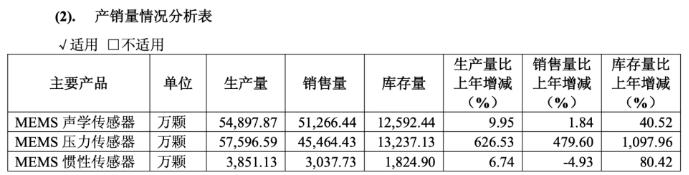
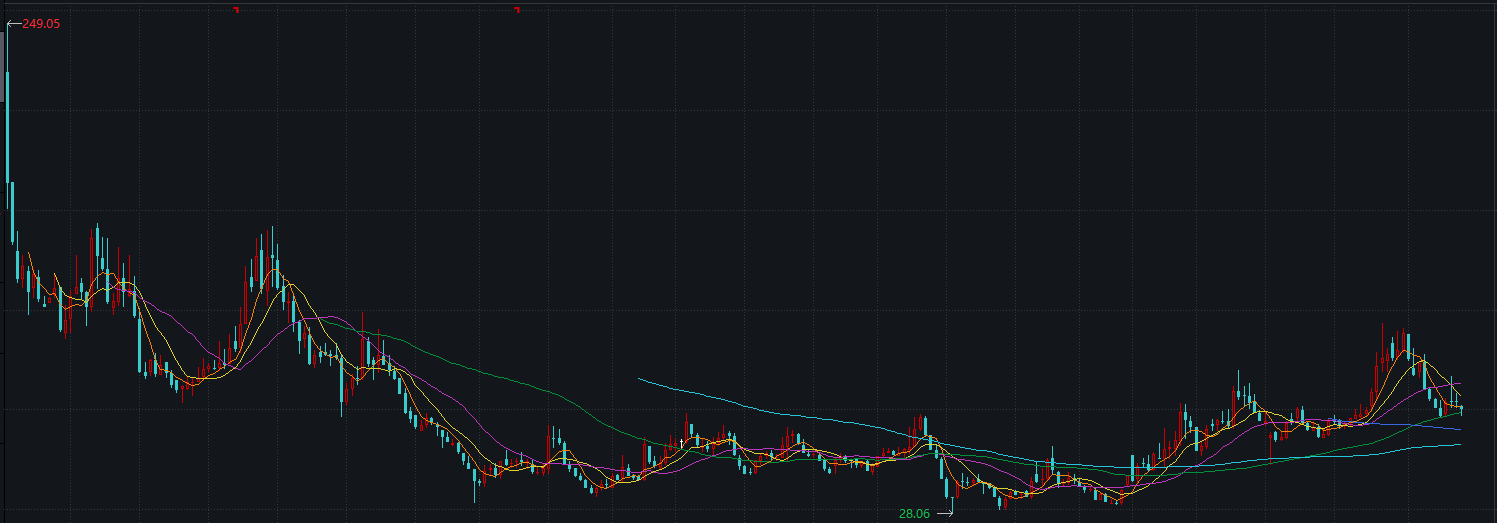
Core Viewpoint - Minxin Co., Ltd. is experiencing ongoing challenges, including stock price decline and consistent insider selling, raising concerns about the company's future prospects and internal confidence in its valuation [1][12]. Group 1: Stock Performance and Insider Selling - Minxin Co., Ltd. has been in a state of stock price decline since its IPO on August 10, 2020, with a significant drop of 16.24% the day after listing, and it has remained below its IPO price ever since [3][6]. - The company has seen regular insider selling, with the latest announcement from core technical personnel, Mei Jiaxin, planning to reduce his stake by 0.3925%, which represents 13% of his holdings [1][12]. - The stock ownership structure has become increasingly fragmented, with the top ten shareholders' ownership dropping from 53.16% at the end of 2022 to 38.63% by the third quarter of 2025 [11]. Group 2: Financial Performance and Profitability - The company has reported net losses for three consecutive fiscal years, totaling 192 million yuan, indicating significant financial pressure [2][17]. - Despite an increase in sales volume of MEMS acoustic sensors from 363 million units in 2020 to 513 million units in 2024, revenue from this segment has decreased from 291 million yuan to 241 million yuan, reflecting a decline in average selling price [15]. - The MEMS pressure sensor business is expected to see substantial growth in 2024, with a projected revenue increase of 151% to 212 million yuan, although this comes with a significant drop in product prices [16]. Group 3: Strategic Focus and Market Position - Initially, the company focused on MEMS acoustic sensors, which accounted for over 88% of total revenue at the time of its IPO, but the performance has not met expectations [14]. - The company has shifted its strategic focus towards MEMS pressure sensors, with ongoing investments in related projects totaling approximately 1.09 billion yuan [16]. - The average selling price of MEMS pressure sensors has halved from 1.08 yuan per unit to 0.47 yuan within a year, raising questions about the sustainability of this growth strategy [16].


敏芯股份连亏三年,支柱业务收入滑坡,低毛利困局难解,首发募投项目尚未盈利
Zheng Quan Zhi Xing· 2025-06-06 07:44
Core Insights - The company reported a revenue increase without profit, with a cumulative net loss of nearly 200 million yuan over three years [1][2] - The revenue growth was primarily driven by the pressure sensor business, but this was achieved at the cost of lower prices, leading to cash flow pressure and increased inventory [1][5] - The company is facing challenges with its core acoustic sensor business, which saw a revenue decline [2][3] Revenue and Profitability - In 2024, the company achieved total revenue of 506 million yuan, a year-on-year increase of 35.71%, but reported a net loss of 35.24 million yuan, although the loss narrowed compared to previous years [2][5] - The acoustic sensor business, which contributes nearly 50% of total revenue, experienced a revenue decline of 5.95%, generating 241 million yuan [2][3] - The pressure sensor business saw significant growth in sales volume, reaching 455 million units, but the average selling price dropped by 56.75% to 0.47 yuan per unit, impacting profit margins [3][5] Inventory and Cash Flow - The company's inventory increased to 241 million yuan, a 39% rise, which is higher than the revenue growth rate, leading to cash flow issues with a net cash flow from operating activities of -39.98 million yuan [5][6] - The overall gross margin has been declining, with a slight recovery to 24.88% in 2024, but still significantly lower than competitors [5][6] Business Model and Market Position - The company primarily serves ODM manufacturers in the consumer electronics sector, which limits its profit margins as these manufacturers face tight profit margins themselves [6][7] - The company has established relationships with notable end customers like Samsung and Xiaomi, but the profit distribution in the supply chain heavily favors brand owners [6][7] Financing and Investment Projects - The company plans to raise up to 300 million yuan through a new round of private placement, despite having unutilized funds from previous fundraising efforts [7][8] - Previous fundraising projects have not yielded expected profitability, with significant losses reported from earlier investments [7][8] Shareholder Actions - Major shareholders have been reducing their stakes, with significant sell-offs by the largest shareholder, raising concerns about the company's future prospects [9][10] - The stock price has dropped over 70% from its peak, reflecting market sentiment regarding the company's performance [11]