RWA(真实资产代币化)

Search documents
数字货币迎来“iPhone时刻”?从概念到规模应用还要迈过多道坎
Di Yi Cai Jing· 2025-11-05 10:14
Core Insights - China is at the forefront of developing and applying legal digital currencies, with significant advancements in theoretical design, technical architecture, and application scenarios [1] - The transition from concept validation to large-scale application of digital currencies is underway, with notable growth in their use in cross-border trade and local payments [2][3] - Digital currencies are seen as a new pathway for the internationalization of the Renminbi, especially in light of concerns over the global penetration of the US dollar [4] Group 1: Digital Currency Development - The People's Bank of China and other global monetary authorities are exploring a multilateral cooperation model for central bank digital currencies (CBDCs), enabling real-time cross-border payments [2] - The digital Renminbi has been successfully integrated with Hong Kong's "Faster Payment System," enhancing cross-border payment capabilities [2] - The rapid expansion of digital currency applications in emerging markets is positioning them as a tool for value preservation and risk hedging [2] Group 2: Challenges in Implementation - The complexity of international trade processes presents challenges for the widespread adoption of digital currencies, necessitating seamless integration of various systems [5] - Regulatory clarity is lacking in some regions, which hampers the large-scale application of digital currencies [6] - There is a significant gap in understanding and trust regarding digital currencies among traditional enterprises and individuals, which needs to be addressed for broader acceptance [6] Group 3: Future Opportunities - The attractiveness of the digital Renminbi will increase with its accessibility and convertibility in broader markets [7] - The upcoming financial environment, with expected lower US benchmark interest rates, may boost the demand for cross-border financing using digital currencies and real-world asset tokenization [7] - The internationalization of the Renminbi hinges on providing quality assets denominated in Renminbi, particularly in sectors where China has competitive advantages, such as renewable energy [8]
余沛恒律师:稳定币发展必将牵扯到金融主权的核心影响,值得深入关注
Feng Huang Wang Cai Jing· 2025-09-25 01:44
Core Insights - The "Phoenix Bay Area Finance Forum 2025" was held in Guangzhou, focusing on the theme "New Pattern, New Path" to explore development opportunities amidst changing circumstances [1] Group 1: Digital Asset Regulation in Hong Kong - The Hong Kong digital asset industry has been under regulatory development since 2018, with 3 licensed virtual asset exchanges currently operating and 8 more awaiting licenses [3] - The three key focuses for the Hong Kong market by 2025 are expected to be stablecoins, Real World Asset (RWA) tokenization, and the implementation of OTC (over-the-counter) virtual asset trading and custody licenses [3] - Hong Kong's approach to digital assets is characterized as "Web 3.0," emphasizing "de-intermediation" rather than the commonly referenced "Web3," which focuses on decentralization [3] Group 2: Stablecoin Regulations - The recently introduced Stablecoin Regulation in Hong Kong was legislated within a year after consultation, highlighting the rapid regulatory pace [4] - Key requirements of the regulation include that issuers must hold 100% or more of high-quality, liquid assets as reserves, which must be pegged to the same fiat currency as the stablecoin [4] - Independent audits are mandated for issuers, and users must be able to redeem their stablecoins within one day, ensuring stability and reliability as a payment tool rather than as an investment tool [4] Group 3: Financial Sovereignty Implications - The development of stablecoins is expected to impact core aspects of financial sovereignty, including currency sovereignty, payment sovereignty, digital sovereignty, and regulatory sovereignty [5]


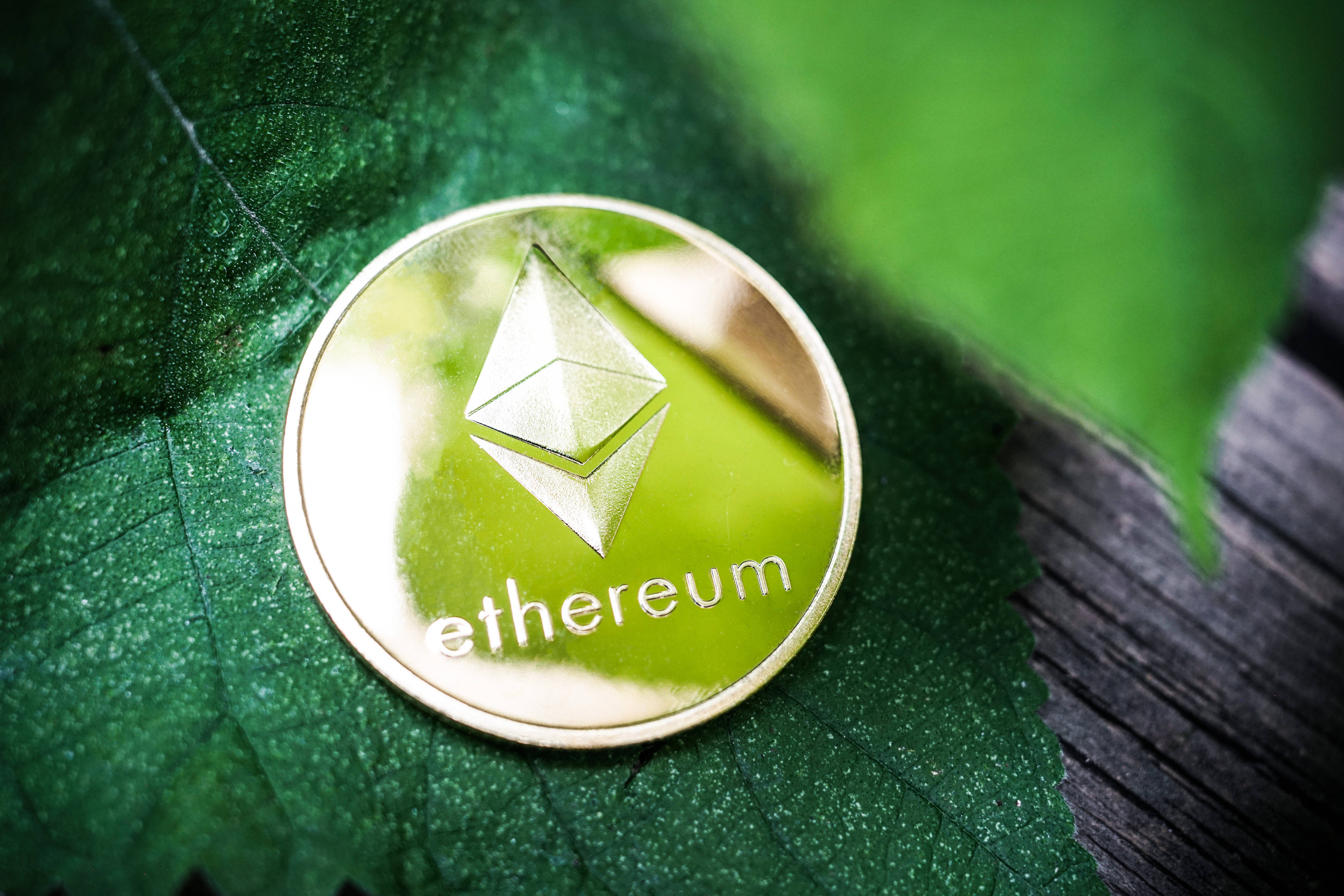
以太坊即将突破历史最高点!加密资产迎价值重估,香港多只以太坊ETF单日涨超7%
Sou Hu Cai Jing· 2025-08-13 11:44
Group 1 - The recent surge in the Hong Kong cryptocurrency ETF market, particularly for Ethereum ETFs, has drawn significant attention, with multiple ETFs recording substantial gains [1] - On August 13, four Ethereum ETFs saw notable increases, with the Jiashi Ethereum ETF (03179.HK) leading at an 8.32% rise, followed by Huaxia Ethereum ETF (03046.HK) at 7.8%, and others also performing well [1] - Ethereum's price surpassed $4600 for the first time since December 2021, driven by institutional support and favorable regulatory expectations [1][5] Group 2 - The development of stablecoins and Real World Asset (RWA) tokenization is providing support to the Ethereum ecosystem, with about half of the stablecoin supply and trading volume concentrated within it [5] - Major players like Coinbase and Robinhood are building layer-2 networks on Ethereum, enhancing its transaction processing capabilities [5] - Recent institutional buying, including large transactions of several hundred million dollars, has significantly increased demand in the spot market, contributing to the passive increase in ETF shares and net inflows [5] Group 3 - The marginal improvement in U.S. regulatory attitudes and the potential for future ETF staking yield have bolstered market bullish sentiment [6] - The current market dynamics show Ethereum leading the charge, with Bitcoin and other major cryptocurrencies following suit, indicating a reassessment of the long-term value of crypto assets [8] - The signing of an executive order by U.S. President Trump allowing alternative assets, including cryptocurrencies, into 401(k) retirement plans has structurally enhanced demand for virtual currencies [8] Group 4 - Ethereum is currently in a "strong trend + high volatility" upward phase, with expectations for cautious accumulation after potential pullbacks [8] - Short-term price movements for Ethereum may depend on the continuation of institutional buying and ETF inflows, alongside stable regulatory policies [9] - The future trajectory of cryptocurrencies will be influenced by macro policies, market sentiment, and the ongoing integration of virtual currencies into the traditional financial system [9]