Unboxed(开箱式)制造构型

Search documents
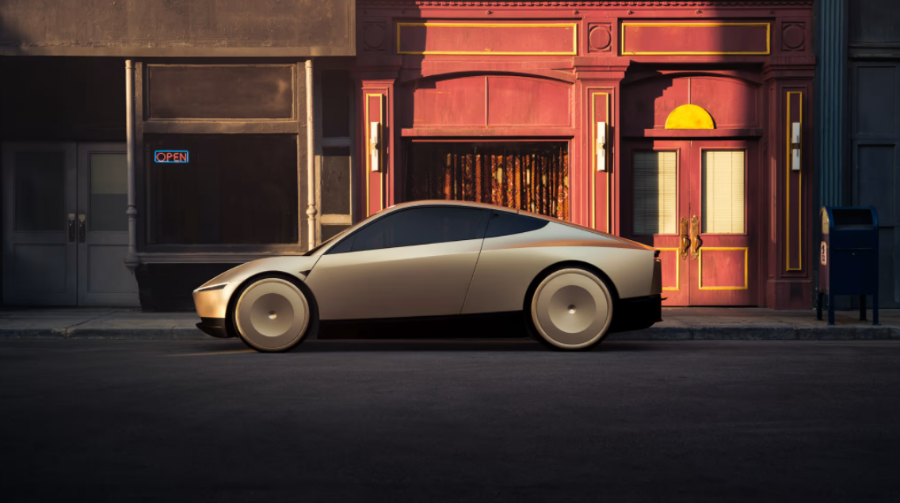
Cybercab量产在即,特斯拉把基本盘放上了赌桌
2 1 Shi Ji Jing Ji Bao Dao· 2026-02-25 12:12
Core Insights - Tesla's Cybercab has begun production, marking a significant step towards mass production of a fully autonomous taxi without traditional driving controls [1][3] - CEO Elon Musk asserts that the Cybercab will be priced below $30,000, despite previous doubts about achieving this price point [1] - The production ramp-up is set to start in April 2024, with a target of millions of units annually, showcasing an unprecedented development speed for Tesla [1][7] Production and Cost Structure - The Cybercab aims for an operational cost of $0.1 to $0.2 per mile (approximately ¥0.7 to ¥1.4 per kilometer), which is competitive with current energy costs [5] - Tesla projects a lifespan of 1 million miles (1.6 million kilometers) for the Cybercab, significantly exceeding typical vehicle lifespans [5] - The "Unboxed" manufacturing model will streamline production by using modular components, reducing complexity and costs by 67% [7][8] Market Potential and Challenges - Tesla anticipates an annual production capacity of 2 million units by 2026, with long-term goals of reaching 5 million units, which may exceed market demand for taxis and ride-sharing vehicles [8][9] - The company faces regulatory hurdles, as current U.S. laws require traditional vehicle controls, limiting the ability to deploy the Cybercab at scale [10][11] - Tesla has not yet applied for necessary regulatory exemptions, which could hinder its ability to operate the Cybercab on public roads [13][14] Regulatory Environment - The automotive industry is heavily regulated, and Tesla's innovative approach may clash with existing safety standards [10][12] - Recent legislative discussions in the U.S. could potentially increase the exemption limit for non-traditional vehicles, but this may not fully address Tesla's production ambitions [15][16] - Tesla is actively engaging with lawmakers to create a favorable regulatory environment for the Cybercab [17] Long-term Considerations - The introduction of the Cybercab may necessitate adjustments to Tesla's business strategy in response to regulatory constraints [17][18] - While the modular design may lower production costs, it could lead to higher maintenance costs, which Tesla aims to manage through specialized service networks [18] - The success of the Cybercab will depend on demonstrating superior safety capabilities compared to human drivers to mitigate liability and insurance costs [18]