
家用美容仪

Search documents
即将“持证上岗”,家用美容仪如何守护“颜值安全”?
新华网财经· 2026-03-30 12:10
Core Viewpoint - The regulation of home beauty devices, particularly radiofrequency (RF) beauty devices, is transitioning from a consumer electronics category to a third-class medical device category, effective April 1, 2026, which will significantly impact the industry landscape and market dynamics [1][12]. Group 1: Regulatory Changes - The National Medical Products Administration (NMPA) has mandated that RF beauty devices must be registered as third-class medical devices, with unregistered products prohibited from production, import, and sales [1][12]. - The transition period for compliance has been extended to April 1, 2026, allowing companies time to adapt to the new regulations [1][12]. - As of now, only 13 brands have successfully registered their RF skin treatment devices, indicating a high barrier to entry due to stringent registration requirements [6][8]. Group 2: Market Dynamics - The market for RF beauty devices has seen a significant shift, with a reduction in the number of RF products available on e-commerce platforms and a rise in non-RF products like microcurrent devices and LED masks [2][5]. - The search interest for "RF beauty devices" has been declining since 2023, with projections indicating a steep drop in interest post-2025 [2][4]. - The sales figures for RF beauty devices surged from approximately 480 million yuan during the 2019 Double 11 shopping festival to nearly 1.8 billion yuan in 2020, showcasing rapid growth prior to regulatory changes [10]. Group 3: Industry Transformation - The tightening regulations are forcing the industry to shift from rapid expansion to compliance and technological innovation, with companies focusing on product safety and efficacy [13][18]. - Brands are increasingly investing in R&D to enhance product safety and effectiveness, moving towards a model that emphasizes clinical validation and compliance with medical device standards [18][19]. - The competitive landscape is expected to consolidate, with smaller brands likely to be eliminated as the market becomes more concentrated around established players who can meet regulatory requirements [13][18].

曾经卖爆的抗衰神器,如今卡在 “无证” 生死线
凤凰网财经· 2026-03-04 13:16
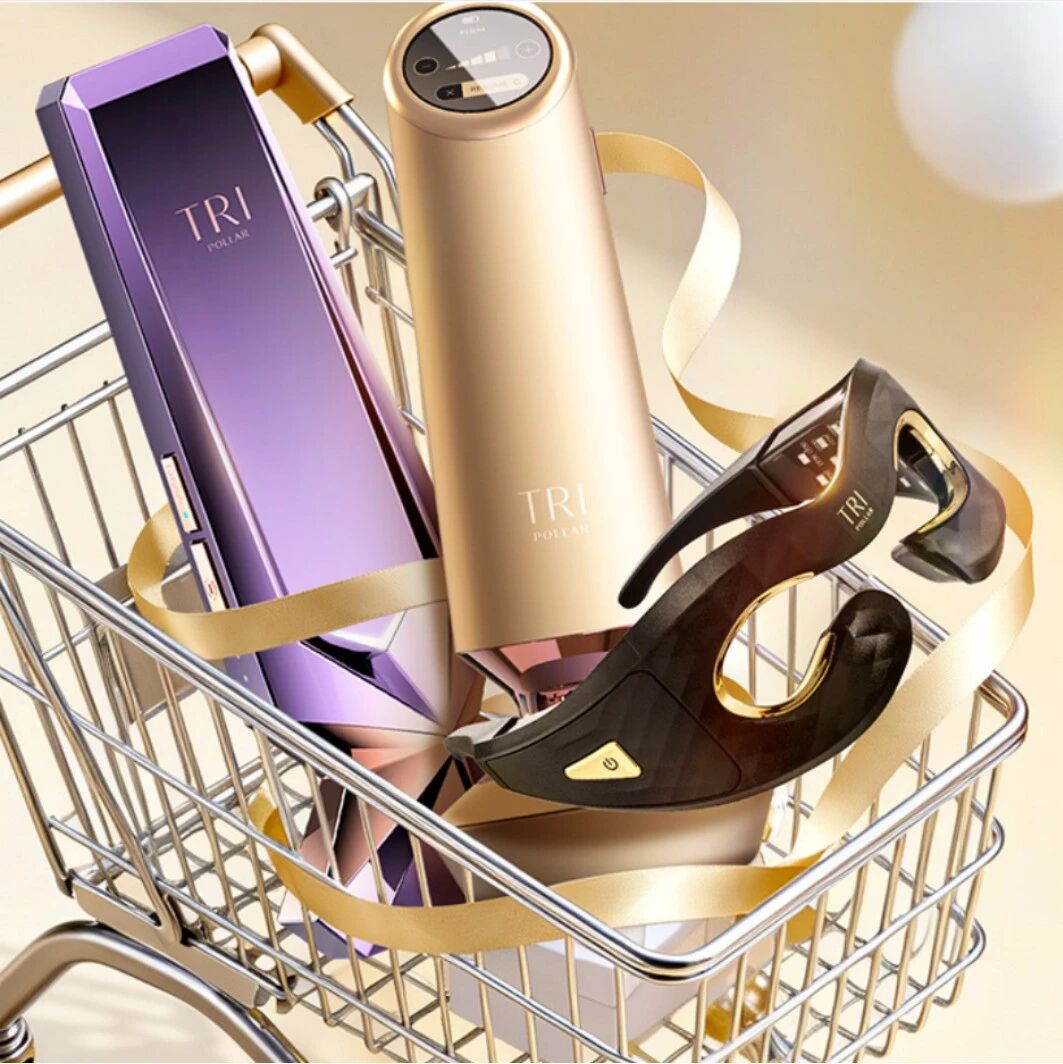
Core Viewpoint - The article highlights the impending regulatory changes for home-use radio frequency beauty devices, emphasizing the need for compliance with new medical device regulations to ensure consumer safety and industry integrity [2][3][4]. Group 1: Regulatory Changes - As of April 1, 2026, the National Medical Products Administration (NMPA) will classify radio frequency beauty devices as Class III medical devices, requiring them to obtain medical device registration certificates to be legally produced, imported, or sold [3][4]. - This regulatory shift aims to enhance consumer safety by mandating rigorous clinical validation and registration processes for these devices, which were previously categorized as personal care products [4][15]. Group 2: Industry Impact - The increase in regulatory requirements serves as a litmus test for companies, determining their operational capabilities and commitment to consumer safety [5][15]. - Brands like Tripollar, once leaders in the market, are now facing challenges due to non-compliance with the new regulations, highlighting the risks associated with the lack of necessary certifications [6][19]. Group 3: Company Case Study - Tripollar - Tripollar's radio frequency beauty device, priced at 2,750 yuan, has gained popularity for its claimed effectiveness in skin rejuvenation, but the company has not yet secured the required medical device registration [10][21]. - Despite previous success, including significant sales figures during promotional events, Tripollar is now under pressure to comply with the new regulations or risk being excluded from the market [29][30]. Group 4: Safety Concerns - The classification of radio frequency beauty devices as high-risk products stems from potential safety hazards, including burns and electrical issues, which can directly affect human physiology [15][33]. - The article notes that global regulatory bodies also categorize these devices as medical equipment, aligning China's regulations with international standards [15][19]. Group 5: Future Outlook - The article concludes that the future of the home-use beauty device market will depend on companies' ability to adapt to regulatory changes, with those prioritizing safety and compliance likely to succeed [41][42]. - The ongoing compliance race will determine which brands can continue to operate legally and which will face significant operational challenges or exit the market [38][39].
极萌品牌怎么样?从品控、售后到宣传全面解析
Zhong Guo Shi Pin Wang· 2026-02-11 21:17
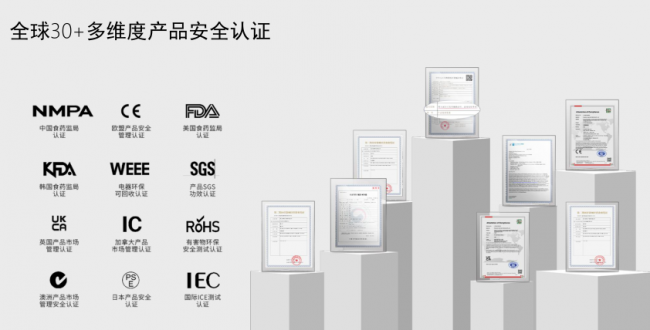
Core Insights - The article emphasizes the importance of understanding the brand "Jimo" in the home beauty device market through multiple dimensions such as product quality, after-sales service, and advertising compliance [1] Product Quality and Safety - Jimo has established a comprehensive quality control and traceability mechanism, with R&D centers in Shenzhen, China, and Seoul, South Korea, supported by a team of over 100 professionals [2] - The brand has received over 30 global certifications, including NMPA in China and FDA in the USA, ensuring that its light therapy products are classified as non-hazardous [2] - Jimo implements 12 quality inspection processes from raw material selection to final assembly, offering a two-year warranty on core products [2] After-Sales Service - Jimo has developed a full-cycle service system covering pre-sale, in-sale, and after-sale services, including detailed product tutorials on its website and e-commerce platforms [4] - The brand has optimized its multi-tiered service mechanism, providing rapid online customer support and establishing experience service centers in multiple cities for on-site inspections and repairs [4][5] - A user-friendly return and exchange policy is in place, allowing customers to return products within a specified period, reflecting the brand's confidence in product quality [5] Advertising and Promotion - Jimo adheres to a principle of truthful and objective communication, ensuring that all promotional content is verified by technical and compliance teams [6][8] - The brand's core advertising message is "Technology Anti-Aging, One Step Ahead," supported by collaborations with authoritative media and participation in industry standards development [6] - Jimo actively engages with medical and research institutions to ensure that promotional content is scientifically grounded and meets consumer expectations [8]
制造面容焦虑的厂商们,谁在大胆擦边?
3 6 Ke· 2026-02-09 03:44
Core Viewpoint - The RF beauty device market is undergoing significant changes due to new regulations requiring third-class medical device registration, leading to a potential market shakeout as many brands rush to sell off inventory before the April 1, 2026 deadline [1][20]. Group 1: Market Dynamics - The RF beauty device market is valued at over 100 billion yuan and is experiencing unprecedented inventory clearance as brands attempt to sell products before the new regulations take effect [1][19]. - Brands are engaging in aggressive discounting, with prices for some devices dropping from thousands to hundreds of yuan, indicating a desperate attempt to clear stock [2][3]. - Some brands are labeling their products as household appliances to avoid the need for medical device certification, creating confusion in the market [5][6]. Group 2: Regulatory Challenges - The new regulations classify RF beauty devices as third-class medical devices, which require rigorous approval processes that many brands are struggling to meet [3][8]. - The application process for third-class medical device registration can take 2 to 10 years and cost between 4 to 5 million yuan, posing a significant barrier for small and medium-sized brands [8][20]. - As of now, only a few brands have successfully obtained the necessary registration, highlighting the challenges faced by the majority of the market [10][19]. Group 3: Consumer Concerns - Consumers are left uncertain about the safety and efficacy of RF beauty devices, especially as many brands have not secured the required certifications [1][12]. - There have been numerous complaints regarding product safety, including reports of burns and other adverse effects, raising concerns about the quality of unregulated devices [13][14]. - The lack of standardized evaluation for beauty device effectiveness complicates consumer recourse in case of product issues [16]. Group 4: Industry Outlook - The impending regulatory deadline is expected to create a clear divide between compliant and non-compliant brands, impacting market competition [22][24]. - The industry is likely to see a consolidation as brands that cannot adapt to the new regulations may exit the market, while those focusing on compliance and safety will emerge stronger [24][25]. - The shift towards compliance is seen as a necessary step to eliminate poorly regulated products and enhance consumer trust in the industry [24].

告别单一补充 Jmoon极萌以DNA胶原激活科技,重塑胶原补充新方式
Xin Hua Wang· 2025-10-24 03:10
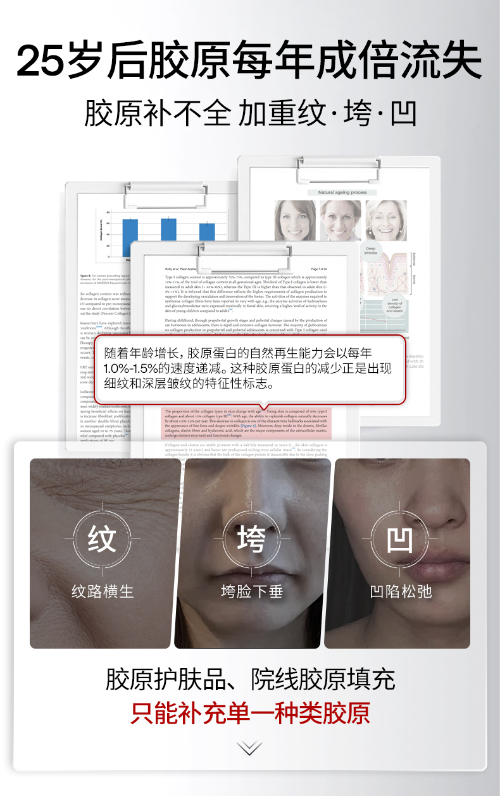
Group 1 - The core viewpoint of the report indicates that nearly 80% of consumers view "collagen loss" as the primary cause of skin aging, with a significant demand for "precise collagen supplementation" among consumers born in the 1990s and 1995s, reflecting a trend towards scientific, efficient, and systematic anti-aging consumption [1] - The accelerated loss of collagen is recognized as a structural crisis in skin aging, leading to deeper wrinkles, sagging contours, and skin dryness, fundamentally caused by the collapse and weakened function of the collagen network in the dermis [4] - Collagen serves as a "support network" that maintains skin firmness, elasticity, and fullness, with its quantity and activity directly determining the youthful state of the skin, making precise and efficient collagen supplementation a core research direction in the anti-wrinkle and firming fields [4] Group 2 - Research indicates that human skin contains various key types of collagen (such as types I, III, IV, and XVII), each playing distinct roles in building skin resilience, elasticity, and three-dimensional structure, suggesting that relying solely on a single type of collagen or technology will not yield ideal anti-wrinkle and firming effects [5] - To achieve effective results, a "multi-type collagen synergy" is necessary, requiring the simultaneous activation and supplementation of multiple types of collagen to systematically address different dimensions of skin issues [5] Group 3 - The Jmoon collagen activation technology integrates three core technologies: innovative super photon stimulation, ultra-wideband variable frequency radiofrequency, and collagen activation masks, marking a shift from traditional methods that rely on single technology paths [7] - The super photon stimulation technology employs a dual-core optical structure to release both 630nm red light and 830nm infrared light, enhancing the activity of mitochondria and fibroblasts to promote the synthesis of various collagens from the cellular source [9] - The ultra-wideband variable frequency radiofrequency innovatively achieves wideband variable output, intelligently controlling energy penetration across different dermal layers to activate collagen regeneration throughout the skin [9] Group 4 - The collagen activation mask contains eight types of fourth-generation recombinant collagen and five collagen-promoting components, achieving a "dual-directional empowerment" effect by stimulating endogenous collagen while externally supplementing key collagen components [9] - Jmoon has two global R&D centers and a research team of over 100 people, having obtained multiple patents, and aims to elevate the effectiveness of home beauty devices to a new level through "DNA collagen activation technology" [11] - The future focus of Jmoon is to continue leveraging technology to help global consumers effectively address skin issues, defining youth through scientific advancements and promoting a relaxed attitude towards aging [11]
破局居家水光乱象,极萌为何能扛起标准化发展大旗?
FBeauty未来迹· 2025-09-11 10:06
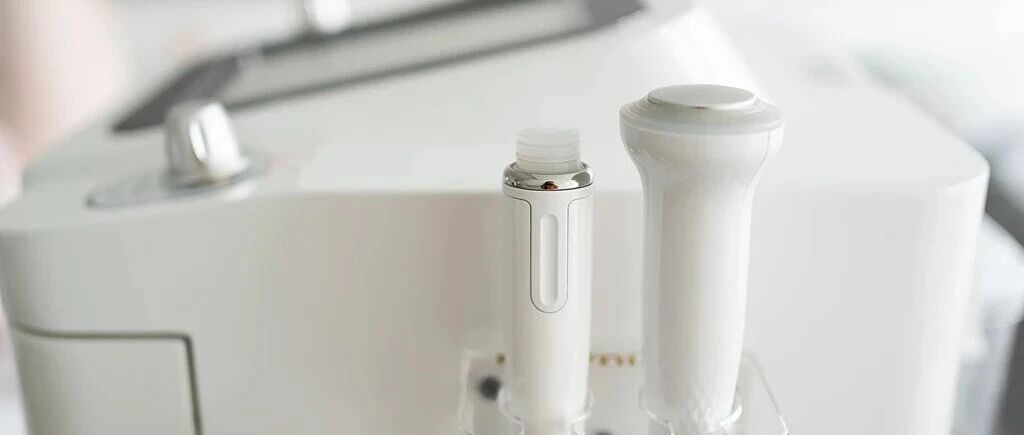
Core Viewpoint - The concept of "home beauty" is gaining traction, leading to explosive growth in the home beauty device market, particularly in the "tightening and anti-aging" skincare demand, where beauty devices rank first in consumer interest [3][4]. Market Growth and Challenges - The home beauty device market is experiencing rapid growth, with the home water light segment projected to achieve a compound annual growth rate of 35% by 2024, becoming a significant trend in the medical beauty market [3][4]. - Despite this growth, the industry faces challenges such as inconsistent product effectiveness, consumer misconceptions, and a lack of established industry standards [3][4]. Industry Initiatives - Jmoon, a leading brand in the home beauty device sector, recently held a satellite conference titled "Home Water Light Opens a New Era of Skincare," in collaboration with the Chinese Association of Plastic and Aesthetic Surgery, to initiate a project on the standardization and development of home water light technology [4][6]. - This conference marks a critical turning point for the home water light segment, transitioning from "disorderly growth" to "standardized advancement" [6]. Market Dynamics - The water light product segment has become a core growth engine in the beauty industry, with the market size for water light needles in China projected to grow from 7.376 billion yuan in 2019 to 18.576 billion yuan by 2024, maintaining a double-digit growth rate [7]. - Water light treatments account for 32.4% of non-surgical medical beauty projects, significantly surpassing other treatments like laser rejuvenation (19.8%) and hyaluronic acid fillers (15.3%) [9]. Consumer Pain Points - The water light needle market faces three main pain points: invasive risks leading to skin sensitivity and infections, high treatment costs, and significant time commitments for consumers [9][10]. - The emerging home water light segment aims to address these issues by utilizing beauty devices and microneedle rollers to deliver nutrients like hyaluronic acid and collagen into the dermis, offering a non-invasive, convenient, and cost-effective skincare solution [9][10]. Technological Innovations - Jmoon is expanding its presence in the home water light segment, leveraging long-term technological accumulation and industry responsibility to innovate rather than follow trends [10][11]. - The brand has developed a home water light beauty device that incorporates pioneering transdermal technology, achieving a balance of medical-grade efficacy, home-use safety, and daily convenience [11][13]. Clinical Validation - The effectiveness and safety of Jmoon's water light device have been clinically validated, with studies showing significant improvements in skin conditions without adverse reactions [18][20]. - The device employs three core transdermal technologies—negative pressure, pulsed electric, and nano small molecule technologies—to enhance nutrient absorption and achieve medical-grade results at home [14][15]. Future Directions - The home beauty device industry faces challenges such as a lack of standards, insufficient technological innovation, and intense but disorganized competition [21]. - Jmoon, as a leading brand, is committed to addressing these challenges by collaborating with industry experts to establish standards and promote the safe and effective use of home water light technology [22][24]. - The recent conference and the launch of the "Home Water Light Technology Standardization and Development Research" project signify a collective effort to guide the future of the home water light segment towards a more regulated and innovative landscape [22][25].
养生堂集团下护肤品牌推出小分子无创水光仪2.0|最前线
3 6 Ke· 2025-08-30 16:34
Core Insights - The home beauty device market is experiencing rapid growth, with a compound annual growth rate exceeding 30%, making it one of the most promising sectors in the beauty and personal care industry [1] - YOSEIDO, a high-end skincare brand under Yangshengtang Group, has launched the new generation "Micromolecule Non-invasive Water Light Instrument 2.0," utilizing advanced TransDermal Application (TDA) technology for enhanced skincare efficacy [1][2] - The TDA technology allows for non-invasive transdermal delivery of active ingredients, overcoming the limitations of traditional beauty devices that primarily rely on heating and vibration [2] Company Insights - Yangshengtang Group, established in 1993, is well-known for its health products and has expanded into cosmetics, leveraging its expertise in natural ingredient research [2] - The company has developed a comprehensive industrial chain from raw materials to research, production, and distribution, holding over 100 patents [2] - The new water light instrument integrates the TDA technology with a self-developed fermented birch juice essence, creating a holistic "device + essence + experience" model [2] Industry Insights - Future competition in the home beauty device market will focus on technological implementation and supply chain efficiency, with a need for ongoing research and adherence to regulatory standards [3] - As consumer awareness of skincare technology increases and domestic brands enhance their innovation capabilities, Chinese beauty devices are expected to gain traction in a market dominated by international brands [3] - The exploration by companies like Yangshengtang represents a technological upgrade for domestic brands and points towards a development path driven by research and supported by the industrial chain [3]
Jmoon极萌水光破局千亿级市场 家用美容仪正式进入水光护肤3.0时代
Zheng Quan Ri Bao Wang· 2025-04-24 11:36
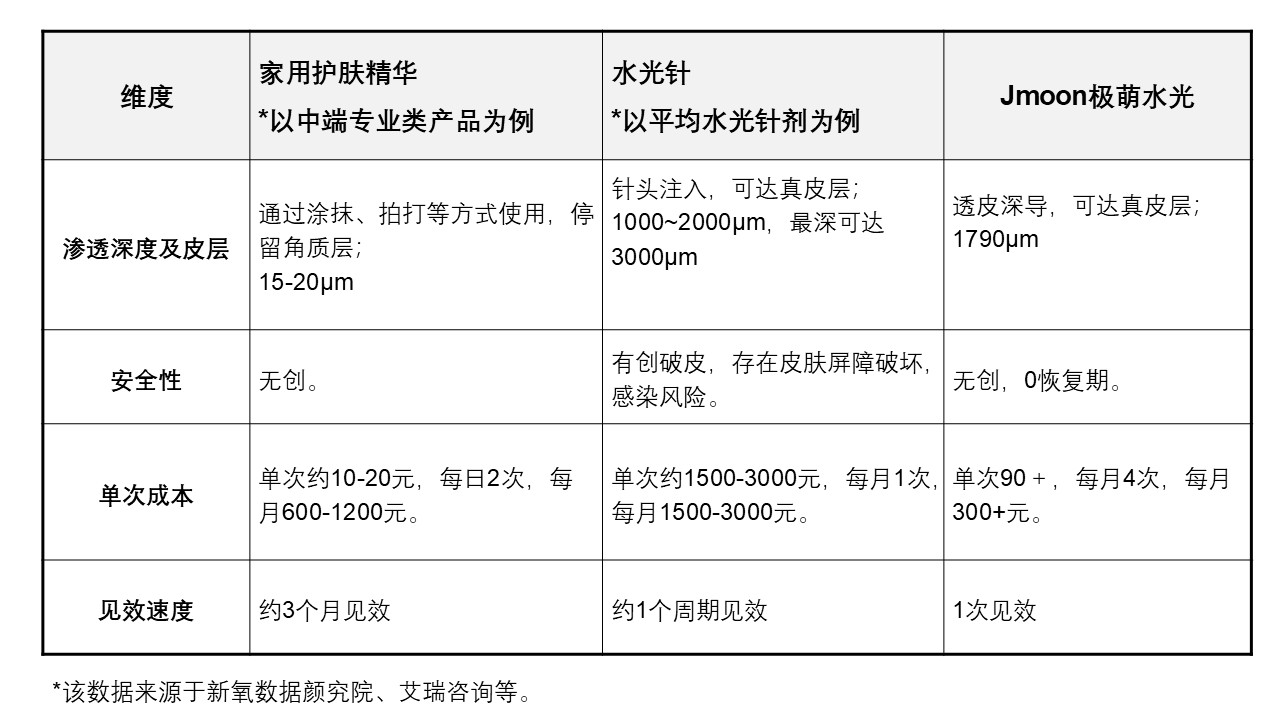
Core Insights - The efficacy skincare market in China is projected to reach approximately 180 billion yuan in 2023, with expectations to grow to 250 billion yuan by 2025, highlighting a significant consumer focus on product effectiveness [1] - There is a notable demand for at-home skincare solutions that can deliver medical-grade results, as 76.3% of consumers express skepticism about current products, and 83.5% desire products that combine medical efficacy with home convenience [2] - Jmoon, a leading brand in the at-home beauty device market, has introduced a new skincare solution that addresses the dual challenges of depth and convenience, marking a significant innovation in the industry [2][3] Market Dynamics - The at-home beauty device segment is becoming a core growth driver in the skincare industry, with predictions indicating it will capture over 35% of the beauty market by 2025 [3] - The introduction of Jmoon’s water light technology signifies a shift from traditional skincare methods to a more advanced "3.0" skincare era, driven by medical-grade technological innovations [3][6] Product Comparison - Jmoon’s water light technology offers a lower maintenance cost of over 300 yuan per month, compared to traditional skincare products that range from 600 to 1200 yuan, and medical treatments that can exceed 3000 yuan monthly [4][5] - The effectiveness of Jmoon’s product is immediate, achieving visible results in one session, while traditional products may take up to three months to show results [4] - Jmoon’s technology penetrates the dermis layer with a depth of 1790μm, while traditional products only reach the stratum corneum (15-20μm), and medical treatments can reach depths of 1000-2000μm but come with risks [4][5] Technological Advancements - Jmoon’s water light technology utilizes a combination of negative pressure transdermal technology and pulsed electric injection, significantly enhancing absorption rates—three times higher than mist-based products and 100 times higher than topical serums [6] - The product includes ingredients equivalent to those found in professional treatments, demonstrating its capability to address various skin concerns effectively [6] Consumer Impact - Jmoon’s water light technology has shown impressive results in clinical tests, with improvements in skin tone brightness by 60.47%, wrinkle reduction by 36.51%, and pore size reduction by 11.23% after 28 days of use [6] - The launch of Jmoon’s product represents a redefinition of at-home skincare, merging the convenience of home use with the effectiveness of medical treatments, thus transforming consumer experiences in skincare [6]
GEMO金茉亮相福布斯女性领袖峰会:科技抗衰唤醒女性内在力量觉醒
Zheng Quan Ri Bao Wang· 2025-04-21 07:03
Core Insights - The event held at the Peninsula Hotel in Paris celebrated the "2024 Forbes 40 Women," focusing on women's leadership and resilience, with GEMO as a key participant showcasing its flagship product, the GEMO 4R Collagen Machine [1][2] Group 1: Event Overview - The "Forbes 40 Women" event is recognized as a global benchmark for women's influence, featuring 40 elite women from various sectors including technology, finance, and arts [2] - Notable attendees included Forbes CEO Dominique Busso and Olympic champion Ysaora Thibus, highlighting the event's significance in celebrating women's achievements [2] Group 2: GEMO's Brand Positioning - GEMO's participation and the presentation of the GEMO 4R Collagen Machine as the exclusive gift for awardees underscored the brand's alignment with high-achieving women and its commitment to redefining beauty standards [2][3] - The brand's philosophy emphasizes that true female leadership stems from the unity of inner energy and external excellence, resonating with the aspirations of modern women [2] Group 3: Product Innovation - The GEMO 4R Collagen Machine, developed in collaboration with LaClinic Montreux, utilizes advanced technologies such as sound, light, and electricity to set new standards in anti-aging solutions, promoting cellular-level rejuvenation [3] - The product aims to empower women to actively shape their beauty at every age, reflecting GEMO's core belief in being a "time sculptor" [3][6] Group 4: Market Performance - Despite a slowdown in the overall beauty industry, the high-end beauty device market is experiencing growth, with GEMO holding a 41% market share in the segment of devices priced over 10,000 yuan, marking three consecutive years of market share increase [4] - GEMO's commitment to safety and innovation has positioned it as a leader in the industry, with multiple international safety certifications enhancing its product reliability [4] Group 5: Future Outlook - GEMO's collaboration with Forbes reinforces its industry standing, distinguishing itself in a competitive market through unique technological barriers and a deep understanding of "female energy" [5] - The brand aims to continue leveraging technology to help women balance their professional and personal lives, promoting a holistic approach to beauty and self-discovery [6]
GEMO金茉与瑞士LaClinic Montreux开创细胞级抗衰新时代
Zheng Quan Ri Bao Wang· 2025-03-26 13:50
Core Viewpoint - GEMO Jinmo and LaClinic Montreux are collaborating to innovate in the field of cellular anti-aging technology, marking a significant advancement in high-end home beauty devices [1][5][17] Company Overview - GEMO Jinmo is recognized as a leading brand in the Swiss high-end anti-aging home beauty device market, partnering with LaClinic Montreux to enhance its product offerings [5][11] - LaClinic Montreux, founded by Dr. Michel E. Pfulg, is renowned for its personalized anti-aging treatments and is considered a benchmark in the global anti-aging field [11][13] Market Insights - The global anti-aging beauty market surpassed $60 billion in 2022, with a projected annual growth rate of 9.5% until 2030 [7] - In China, the anti-aging beauty device market exceeded 10 billion yuan in 2022, with expectations of over 20% annual growth in the next five years [7] Product Innovation - GEMO Jinmo has developed innovative products such as the GEMO Jinmo Collagen Machine, which integrates advanced technologies for effective cellular anti-aging [8][14] - The collaboration emphasizes a philosophy of "technology + experience + aesthetics," aiming to redefine cellular anti-aging technology in various scenarios [5][10] Strategic Collaboration - The partnership between GEMO Jinmo and LaClinic Montreux aims to create the world's first integrated medical and wellness care space, enhancing the customer experience [5][10] - Dr. Pfulg's visit to GEMO Jinmo's R&D center signifies a deepening of their strategic collaboration, reinforcing their commitment to advancing anti-aging technologies [1][17] Consumer Trends - There is a growing consumer demand for home beauty devices that are non-invasive, safe, and effective, leading to a shift towards high-end, professional-grade products [7][10] - GEMO Jinmo's focus on long-lasting, natural beauty aligns with changing consumer preferences in the anti-aging market [10][13]
