Apparel

Search documents
Stocks’ worst swoon since fallout from Liberation Day: Trump Truth Social post on ‘massive increase of tariffs’ shatters calm
Fortune· 2025-10-11 15:27
Market Reaction - U.S. stocks experienced a significant decline, with the S&P 500 dropping 2.7%, the Dow Jones Industrial Average falling 878 points (1.9%), and the Nasdaq composite decreasing by 3.6% following President Trump's tariff threat on China [1][9]. - The market had initially been poised for slight gains before Trump's announcement, which indicated a potential "massive increase of tariffs" on Chinese imports due to trade tensions [2][3]. Economic Implications - The tariff threat has raised concerns about its impact on global trade, potentially leading to reduced economic activity and lower fuel consumption [11]. - Federal Reserve Governor Chris Waller noted that tariffs have resulted in price increases for higher-income consumers, while companies have absorbed costs for lower-income shoppers [5]. Sector Performance - The stock market saw widespread declines, with approximately six out of seven stocks in the S&P 500 falling, affecting both large tech companies like Nvidia and Apple, as well as smaller firms [6]. - Levi Strauss experienced a notable drop of 12.6% despite reporting stronger-than-expected quarterly profits, indicating market challenges due to heightened expectations [8][9]. Oil Market Dynamics - The price of benchmark U.S. crude oil fell by 4.2% to $58.90 per barrel, influenced by geopolitical developments and concerns over global trade disruptions [10][11]. - Brent crude also saw a decline of 3.8% to $62.73 per barrel, reflecting the broader market sentiment following the tariff threat [11]. Consumer Sentiment - Consumer sentiment remains low, with ongoing concerns about high prices and job prospects, leading to a Federal Reserve interest rate cut [12]. - A preliminary survey indicated a slight decrease in consumer inflation expectations, which could provide some relief for the Federal Reserve in managing inflationary pressures [13].


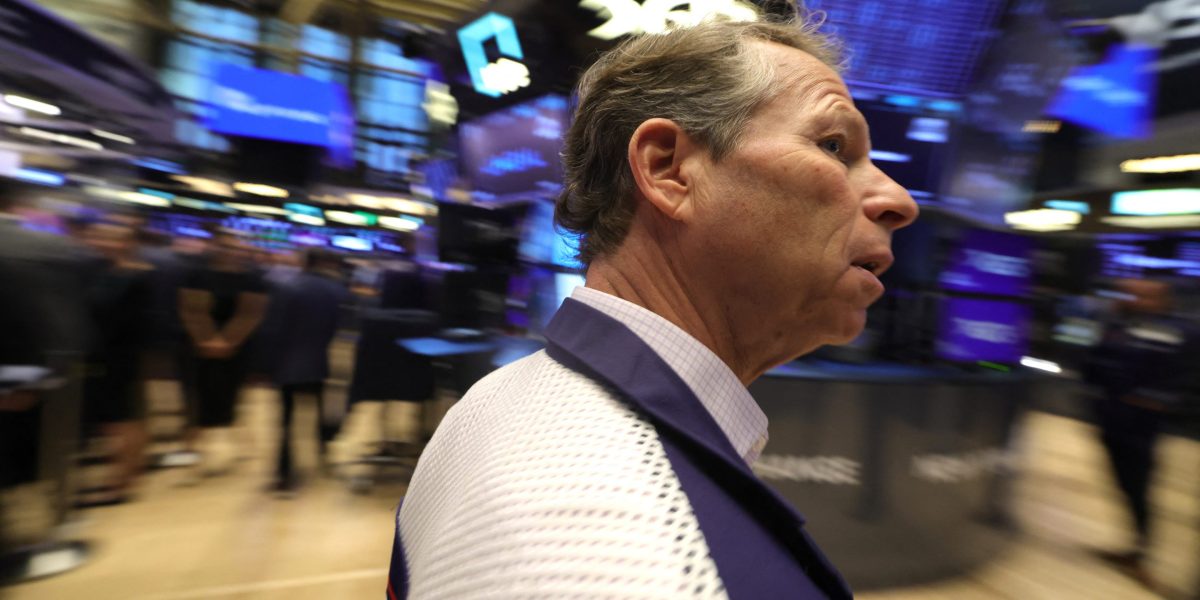
US Stock Market sinks to worst day since April but S&P 500 near all-time high, Wall Street analysts see echoes of 25-year-old event
The Economic Times· 2025-10-10 21:32
Market Overview - JPMorgan Chase CEO Jamie Dimon warned of a heightened risk of a significant Wall Street correction within the next six months to two years, citing high equity valuations as a contributing factor [1][10] - The S&P 500 index experienced a notable decline of 2.7% in one day, marking its worst performance since April, with the Dow Jones Industrial Average dropping 878 points (1.9%) and the Nasdaq composite falling 3.6% [9][10] - Approximately six out of every seven stocks within the S&P 500 fell, indicating widespread market weakness across various sectors, including Big Tech [2][10] Valuation Concerns - Critics argue that the market appears too expensive, with stock prices rising much faster than corporate profits, raising concerns particularly in the artificial intelligence sector, reminiscent of the 2000 dot-com bubble [5][10] - The S&P 500 had a nearly relentless 35% run from a low in April, leading to criticism that stock prices had shot too high, despite the index still being near its all-time high [4][9] Company-Specific Insights - Levi Strauss saw a significant drop of 12.6% in its stock price, despite reporting stronger-than-expected profits for the latest quarter, suggesting it may be facing challenges due to heightened expectations after a substantial year-to-date surge of nearly 42% [6][7][10]

Wall Street tumbles in its worst day since April after Trump threatens more tariffs on China
PBS News· 2025-10-10 20:57
Market Reaction - U.S. stocks experienced a significant decline, with the S&P 500 falling 2.7%, marking its worst day since April, while the Dow Jones Industrial Average dropped 878 points (1.9%) and the Nasdaq composite fell 3.6% [1][6] - The market was initially poised for slight gains before President Trump's tariff threat on Chinese imports caused a sharp downturn [2][3] Tariff Threat and Economic Impact - President Trump indicated a potential "massive increase of tariffs" on Chinese imports due to restrictions on rare earth exports from China, which are essential for various manufacturing sectors [2][3] - The escalation in trade tensions has led to widespread declines across Wall Street, with approximately six out of seven stocks in the S&P 500 experiencing losses [3] Stock Valuation Concerns - There are growing concerns that U.S. stocks are overvalued, particularly after a nearly 35% increase in the S&P 500 since April, raising questions about sustainability given the slower growth in corporate profits [4][5] - Levi Strauss saw a significant drop of 12.6% despite reporting stronger-than-expected quarterly profits, indicating market sensitivity to high expectations [5][6] Oil Market Dynamics - The price of benchmark U.S. crude oil fell 4.2% to $58.90 per barrel, influenced by a ceasefire in Gaza and concerns over global trade disruptions due to tariff threats [7][8] - Brent crude, the international standard, also declined by 3.8% to $62.73 per barrel following the tariff announcement [8] Consumer Sentiment and Economic Indicators - Consumer sentiment remains low, with issues such as high prices and job market concerns dominating public perception, as indicated by a University of Michigan report [9][11] - The Federal Reserve has cut interest rates in response to a slowing job market, with potential for further cuts if inflation remains high [10]
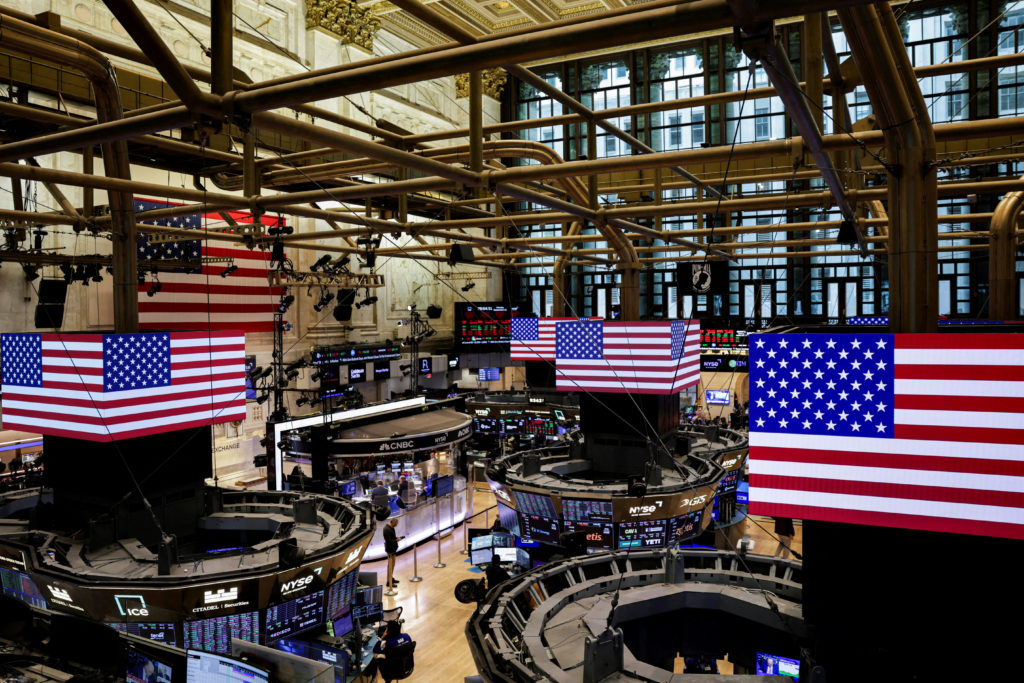
ROSEN, NATIONAL TRIAL ATTORNEYS, Encourages V.F. Corporation Investors to Secure Counsel Before Important Deadline in Securities Fraud Lawsuit – VFC
Globenewswire· 2025-10-10 20:31
Core Viewpoint - Rosen Law Firm is reminding investors who purchased V.F. Corporation securities during the specified class period of the upcoming lead plaintiff deadline on November 12, 2025 [1] Group 1: Class Action Details - Investors who purchased V.F. Corporation securities between October 30, 2023, and May 20, 2025, may be entitled to compensation without any out-of-pocket fees through a contingency fee arrangement [2] - A class action lawsuit has already been filed, and interested parties can join by submitting a form or contacting the law firm [3][6] - The lawsuit alleges that V.F. Corporation's management provided misleading information regarding the company's turnaround plans, particularly concerning the Vans brand [5] Group 2: Legal Representation - Investors are encouraged to select qualified legal counsel with a proven track record in securities class actions, as many firms may lack the necessary experience [4] - The Rosen Law Firm has a history of successful settlements, including the largest securities class action settlement against a Chinese company at the time, and has recovered hundreds of millions for investors [4] Group 3: Case Specifics - The lawsuit claims that V.F. Corporation's management concealed the need for significant reset actions to return the Vans brand to growth, which negatively impacted revenue growth [5]

Vera Bradley Extends Existing Shareholder Rights Plan
Globenewswire· 2025-10-10 20:05
Core Points - The Company announced a one-year extension of its shareholder rights plan, moving the expiration date from October 11, 2025, to October 11, 2026 [1][2] - The Board aims to protect shareholders' interests and ensure they can realize the long-term value of their investments [2][3] - The extension is a response to the ongoing risk of control being gained by an entity or group through stock accumulation or other tactics [3] Company Overview - Vera Bradley, Inc. is a leading designer of women's handbags, luggage, and other travel items, as well as fashion and home accessories [5] - The Company operates through two reportable segments: Vera Bradley Direct (VB Direct) and Vera Bradley Indirect (VB Indirect) [6] - VB Direct includes sales through full-line and outlet stores, websites, and annual outlet sales, while VB Indirect consists of sales to specialty retail locations and other channels [6]


Levi Strauss Raises Full-Year Outlook After Earnings Beat; Shares Fall on Margin Concerns
Financial Modeling Prep· 2025-10-10 19:14
Core Insights - Levi Strauss & Co. raised its full-year revenue and profit forecast after a stronger-than-expected quarterly performance driven by robust denim demand and growth in direct-to-consumer sales [1] - Despite the positive outlook, shares fell over 11% following Morgan Stanley's analysis indicating disappointing profitability flow-through from the upgraded guidance [1] Financial Performance - For Q3, Levi reported earnings of $0.34 per share, exceeding Wall Street's consensus estimate of $0.30 [1] - Revenue increased to $1.54 billion from $1.50 billion year-over-year, surpassing analyst expectations of $1.50 billion [1] Future Guidance - The company now forecasts fiscal 2025 adjusted earnings of $1.27 to $1.32 per share, up from the previous range of $1.25 to $1.30 [2] - Levi raised its reported net revenue growth outlook to around 3%, an increase from the prior estimate of 1% to 2% [2] - Projected organic growth is now roughly 6%, compared to the earlier estimate of 4.5% to 5.5% [2] Margin Expectations - Gross margin is expected to expand by 100 basis points this year, an increase from the prior forecast of 80 basis points [2] - Adjusted EBIT margin is anticipated to remain between 11.4% and 11.6% [2]
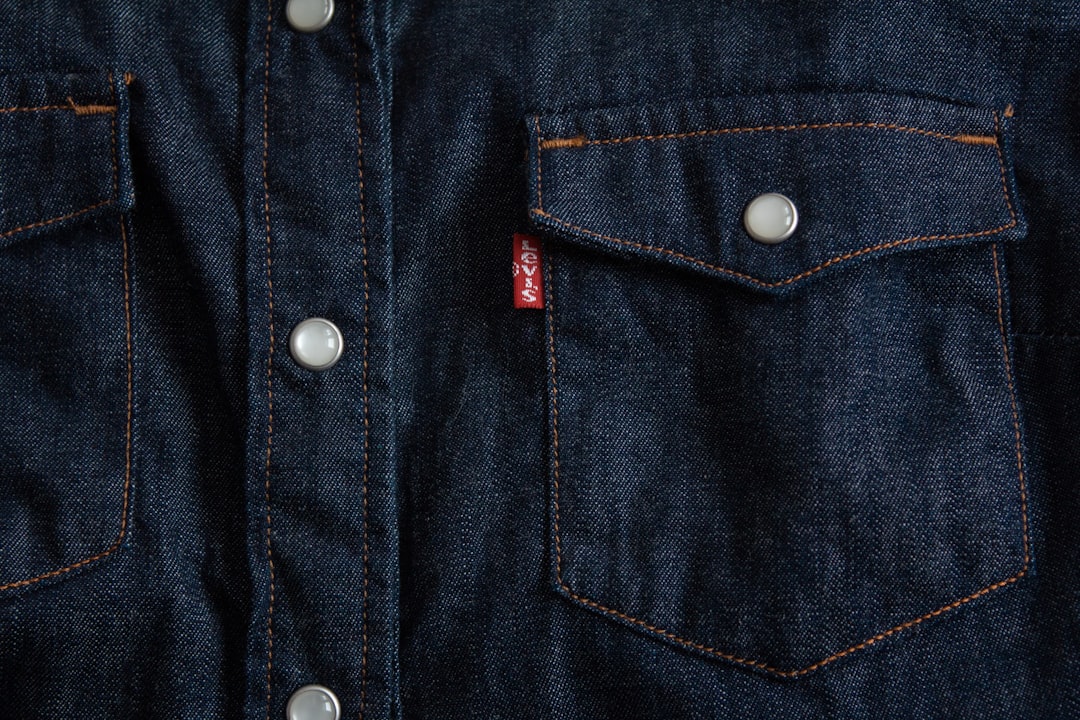
Upstream Focus: Concept III President Chris Parkes on Pricing Squeezes and Pushing Newness
Yahoo Finance· 2025-10-10 19:00
Core Insights - The apparel industry is facing significant margin pressures due to rising costs without corresponding price increases, necessitating innovation to maintain profitability [2] - Companies are increasingly seeking partnerships that prioritize relationships and textile innovation rather than mere transactions [3] - Improved inventory management is essential, requiring greater transparency and collaboration among supply chain partners to address challenges like unpredictable weather and stock issues [4] Group 1: Industry Challenges - Mills are experiencing little to no margin due to increased costs from testing, facility upgrades, and labor, while not receiving adequate price increases [2] - The expectation is that efficiencies should lead to lower costs over time, but rising costs are counteracting this trend [2] Group 2: Innovation and Partnerships - Innovation in product development is crucial for allowing brands to charge higher prices, which can help all parties involved achieve better margins [2] - The focus has shifted towards brands that emphasize textile innovation and have a solid marketing plan [3] Group 3: Supply Chain Management - Inventory management remains a challenge, with a need for more collaboration and transparency from brands to improve operations [4] - Shorter lead times complicate the supply chain, as commitments to materials involve costs that stakeholders are reluctant to bear [4]
Lululemon founder Chip Wilson: Board of directors is real issue at the company
CNBC Television· 2025-10-10 18:45
In a paid advertisement in the journal this week, Lululemon founder Chip Wilson likened the decline of the athleisure brand to a plane crash due to a quote series of mistakes. Lululemon responded in a statement to CNBC denouncing the ad and the company's founder, saying in part, "Chip Wilson has not been involved with the company for a decade, and he continues to make inaccurate and misleading statements about Lululemon, our history, and our board and leadership team. Lululemon shares are down more than 60% ...


Friday File: It’s Official, Now We’ve REALLY Reached $4,000 Gold (and $50 Silver)
Stockgumshoe· 2025-10-10 18:30
Group 1: Quarterly Earnings Reports - Major companies like Pepsi, Delta, and Levi have started reporting quarterly results, indicating the health of the global consumer [1] - A significant wave of earnings reports from mega-banks and other key players such as ASML, Taiwan Semiconductor, and Johnson & Johnson is expected next week [1] - The busiest period for Q3 earnings is anticipated in the last week of October, with a heavy reporting schedule from mid-October through mid-November [1] Group 2: Gold Market Insights - Gold futures have recently surpassed $4,000/oz for the first time, generating widespread discussion in financial news [2] - Various financial institutions, including Goldman Sachs, have made bullish forecasts for gold prices, with predictions reaching as high as $4,900/oz by the end of next year [3] - The current volatility in gold prices is seen as a reflection of broader market conditions, with many stocks performing well due to various narratives, including advancements in AI and government spending [4]


Levi's beats on earnings but gets pantsed by guidance (LEVI:NYSE)
Seeking Alpha· 2025-10-10 17:59
Core Insights - Levi Strauss (NYSE:LEVI) reported strong quarterly performance with gains across all regions, channels, segments, and categories, exceeding Wall Street expectations [3] - The company raised its FY25 profit and organic net revenue guidance, indicating positive growth outlook [3] - However, the guidance led to a negative reaction in the stock market, affecting LEVI's expected trajectory [3]