Central Banking

Search documents
US interest rates cut as concerns over Trump tariff inflation ease
Sky News· 2025-10-29 18:21
Core Points - The US central bank has cut interest rates for the second time this year, reducing the rate by a quarter of a percentage point to a range of 3.75%-4% [1] - The Federal Reserve's decision to cut rates comes despite the government shutdown, which has frozen non-essential government functions and delayed the release of key economic data [2] - Inflation data showed a 3% increase in September, which is one percentage point above the Fed's 2% target, but lower than economists' expectations, allowing for the rate cut [3] Group 1: Interest Rate Cut - The Federal Reserve has implemented a second interest rate cut this year, responding to pressures from President Trump [1] - The current interest rate is set in a range, differing from the single percentage approach used in the UK [1] Group 2: Economic Data and Assessment - The government shutdown has resulted in the absence of crucial employment figures, complicating the Fed's ability to assess economic conditions [2] - The Fed's dual mandate includes maintaining maximum employment and steady inflation, which is challenged by the lack of data [2] Group 3: Inflation Concerns - Inflation reached 3% in September, exceeding the Fed's target but not as high as anticipated, easing concerns over inflation driven by trade policies [3] - The Fed's decision to cut rates is influenced by the absence of significant inflationary pressures despite ongoing trade tensions [3] Group 4: Political Pressure - President Trump has expressed dissatisfaction with the Fed and its chair, Jerome Powell, even threatening to remove him over rate decisions [5][6] - The political climate surrounding the Fed's independence has been strained due to Trump's actions and comments regarding rate-setting officials [5][6] Group 5: Market Reactions - The anticipation of an interest rate cut has positively impacted US and European stock markets, leading to record highs in major stock indexes [8]

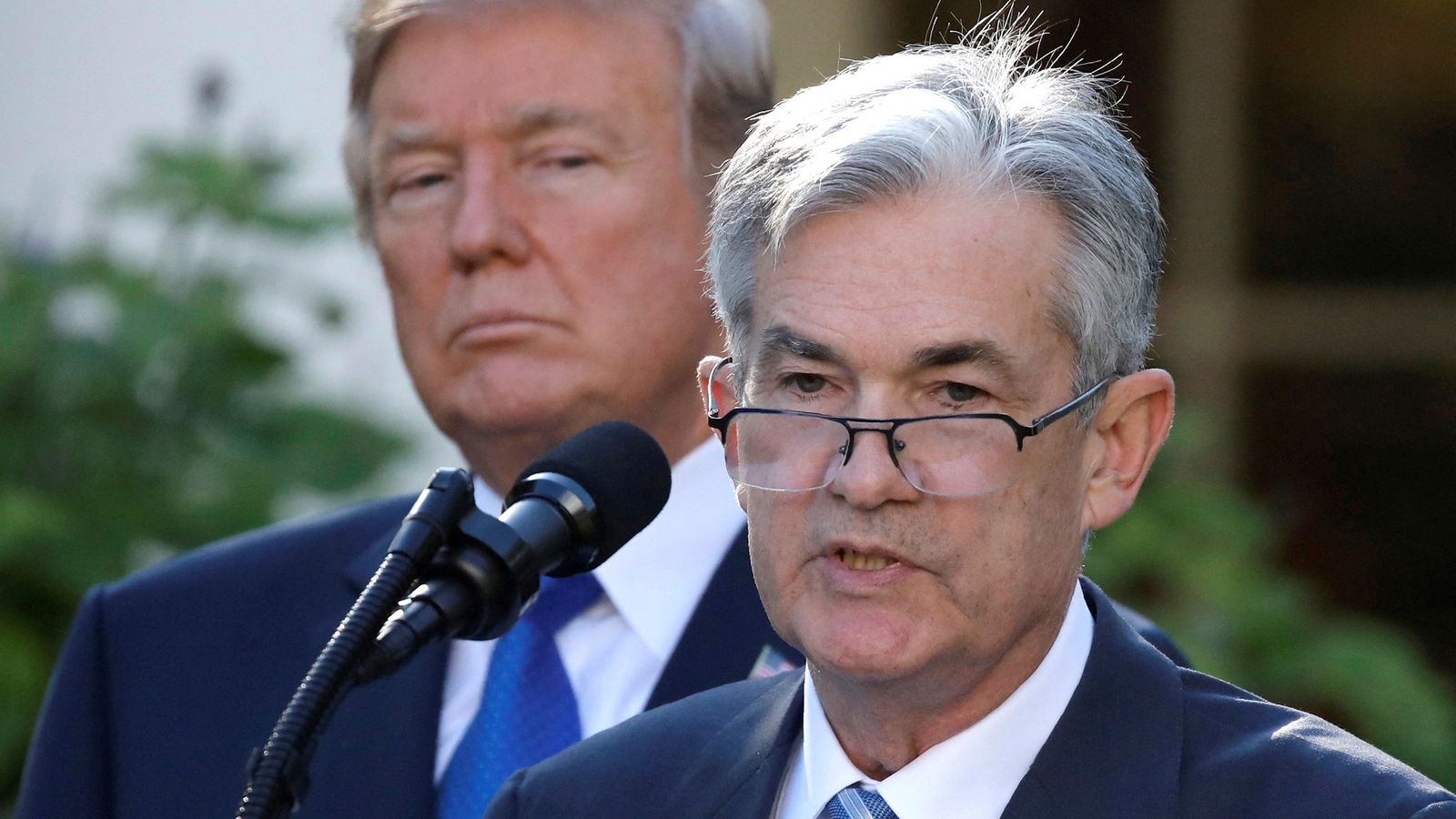
Fed cuts interest rates by quarter point for second time in a row, showing concern about job market
New York Post· 2025-10-29 18:09
Core Points - The Federal Reserve has cut interest rates by a quarter point for the second consecutive meeting, lowering the rates to a range of 3.75% to 4%, marking the first time since 2022 that rates have dipped below 4% [1][5] - Policymakers are divided on the decision, with some advocating for caution due to potential inflation impacts from tariffs, while others believe that inflation effects will be temporary and support aggressive rate cuts to stimulate labor market growth [2] - Stephen Miran, the newest Fed governor, voted against the quarter-point cut, advocating instead for a half-point reduction, while Jeffrey Schmid opposed the decision, preferring rates to remain unchanged due to inflation concerns [3][9] Economic Context - The decision to cut rates was influenced by economic reports, including a Consumer Price Index (CPI) increase to 3% in September, which was slightly lower than expected, facilitating the rate cut [6] - The ongoing government shutdown has affected data collection and analysis by agencies like the Bureau of Labor Statistics, raising concerns about the availability of future economic reports, including the October inflation report [7]
Fed cuts rates for the second time this year, will end balance sheet run-off in December
CNBC· 2025-10-29 18:02
Core Viewpoint - The Federal Reserve has approved its second consecutive interest rate cut, lowering the benchmark overnight borrowing rate to a range of 3.75%-4%, despite limited visibility on the economy due to a government shutdown [2][3] Interest Rate Decision - The Federal Open Market Committee (FOMC) voted 10-2 to implement the rate cut, with dissenting opinions regarding the pace of the cut [2][3] - The decision to end quantitative tightening (QT) will take effect on December 1, 2025, marking a shift in the Fed's monetary policy approach [2][7] Economic Indicators - The Fed acknowledged uncertainty in economic conditions due to the suspension of key data collection, including nonfarm payrolls and retail sales [4] - Available indicators suggest moderate economic expansion, with job gains slowing and the unemployment rate remaining low [5][6] - Inflation remains elevated at an annual rate of 3%, influenced by higher energy costs and tariffs [6] Labor Market Concerns - The Fed expressed concerns over rising downside risks to employment, noting a flattening pace of hiring despite contained layoffs [6][7] - The balance between full employment and stable prices is becoming increasingly challenging for policymakers [7] Balance Sheet Management - The Fed's balance sheet, which expanded from over $4 trillion to nearly $9 trillion during the Covid crisis, will not return to pre-pandemic levels [10] - The end of QT has resulted in a reduction of approximately $2.3 trillion from the Fed's portfolio of Treasurys and mortgage-backed securities [8][10] Market Reactions - Markets had anticipated the end of QT either in October or by year-end, with major averages experiencing volatility but reaching record highs, particularly in Big Tech stocks [11][12] - Historical trends indicate that markets tend to rise following Fed rate cuts, although this could lead to higher inflation risks [12]
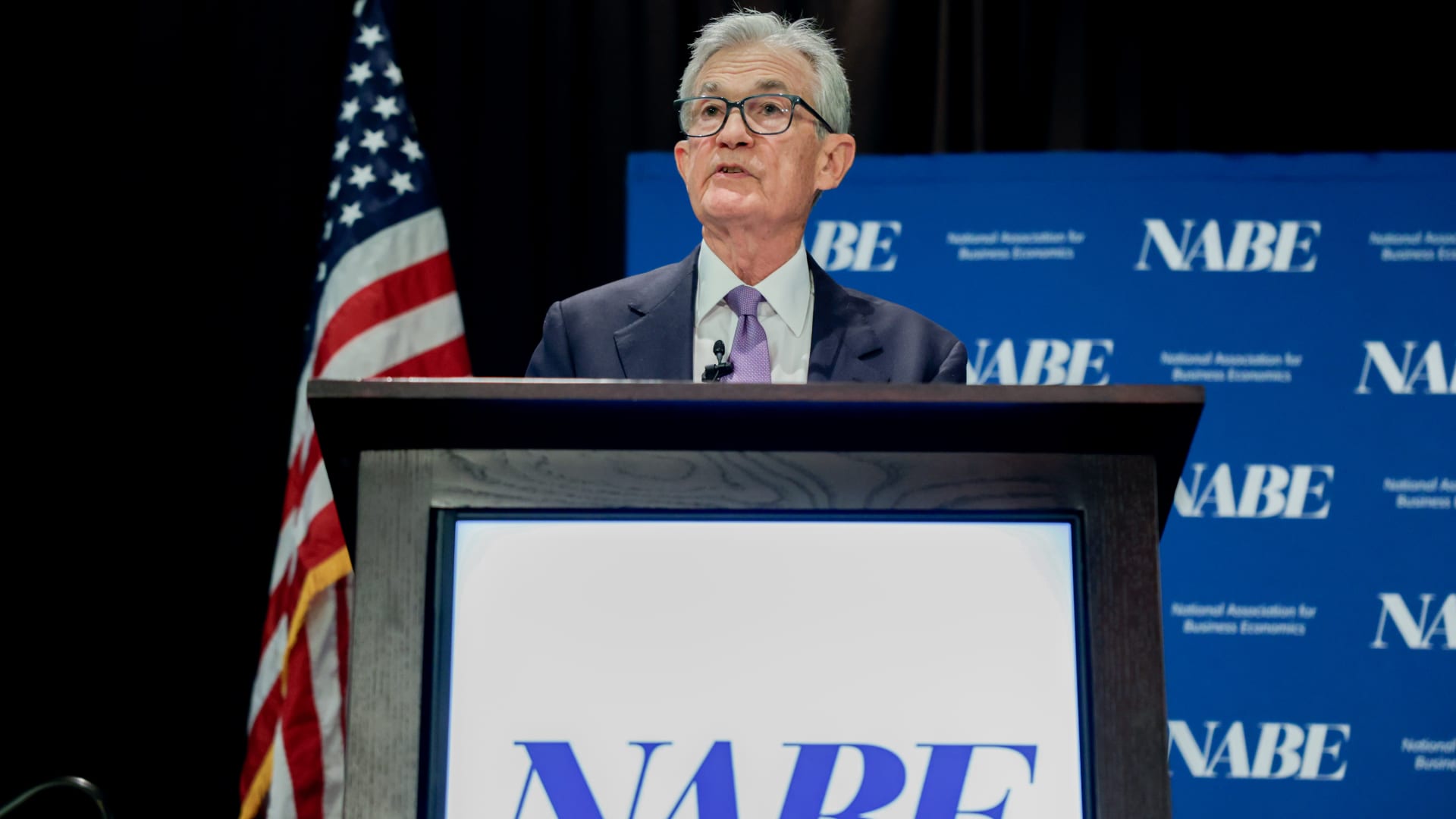
Fed Cuts Rates by Another Quarter Point, but Data Blackout Obscures the Path Ahead
WSJ· 2025-10-29 18:01
The Federal Reserve lowered interest rates at its second consecutive meeting on Wednesday, extending an effort to prevent a recent slowdown in hiring from turning into something more serious. ...

The Fed announces its second rate cut of the year during the government shutdown
Business Insider· 2025-10-29 18:00
Core Points - The Federal Reserve announced a quarter-percent rate cut, aligning with market expectations despite a government shutdown disrupting major data releases [1][2] - The Fed's decision was made without complete economic data, as key reports like the September jobs report were delayed due to the government shutdown [2][4] - Chair Jerome Powell emphasized the Fed's dual mandate of maximum employment and tempered inflation, indicating a shift towards a more neutral policy in response to a softer job market [3][4] Economic Indicators - The consumer price index rose to 3% in September, slightly below the 3.1% forecast, marking the first time it has reached this level since January [8] - Job openings have declined, and unemployment has increased, with more Americans seeking work than available roles [4] - Consumer sentiment dipped in October, indicating a decrease in financial security among Americans [9] Fed's Internal Dynamics - The Federal Open Market Committee has shown division in recent decisions, with some members advocating for more aggressive rate cuts [10][11] - New Fed governor Stephen Miran preferred a half-percentage point cut, while others wanted to maintain current rates [10] - Political pressure from the Trump administration has influenced the Fed's decision-making, with calls for rate cuts from the president [12][13] Future Outlook - Powell stated that lower rates should support economic activity, particularly for consumers borrowing for mortgages and loans [14] - The Fed aims for a strong economy with a robust labor market and stable prices, although the immediate effects of a single rate cut may not be visible [14]
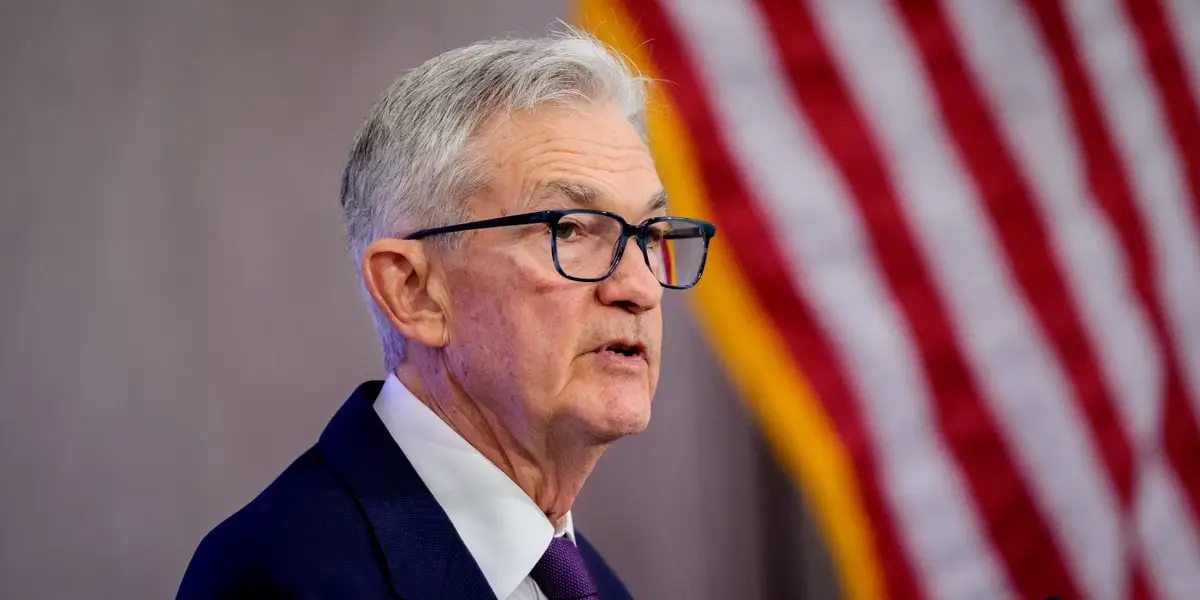
Why the Fed May Stop Shrinking Its Balance Sheet Sooner Than Expected
Barrons· 2025-10-29 15:31
Group 1 - The Federal Reserve may soon end its quantitative tightening program, potentially as early as today, according to analysts [1] - The balance sheet of the Fed is crucial for controlling monetary policy, as banks earn a guaranteed return on reserves held at the Fed [2] - The Fed influences the federal-funds rate, which was lowered to a range of 3.75% to 4% in September, impacting interest rates across the financial system [3]
Fed trims main rate by a quarter point
Yahoo Finance· 2025-10-29 14:26
Group 1 - The Federal Reserve has reduced the main interest rate by a quarter point to a range between 3.75% and 4%, marking the second rate cut of the year [6] - Inflation remains above the Fed's 2% target, with the Consumer Price Index rising by 3% annually and core CPI also increasing by 3% [4] - Job gains have slowed significantly, and labor demand has contracted, indicating a shift in the balance of risks between inflation and employment [3][4] Group 2 - Fed Chair Jerome Powell highlighted the conflicting risks, stating that inflation risks are to the upside while employment risks are to the downside, emphasizing the challenge of addressing both simultaneously [5] - The Federal Open Market Committee's differing forecasts and views on risks have raised questions about a potential rate cut in December [5][6] - There was a strong vote in favor of the recent rate cut, but dissenting opinions were expressed, with some members advocating for a more aggressive cut or no change at all [6]
The Fed looks set to end its massive market intervention. Can it do that without spooking traders?
MarketWatch· 2025-10-28 20:37
Core Viewpoint - The process of slowing down, as described by Dallas Fed President Lorie Logan, is akin to a ferry adjusting its speed to better assess when to stop at the dock [1] Group 1 - The analogy of a ferry is used to illustrate the current economic situation and decision-making process [1]

【UNforex财经事件】美联储换帅倒计时 谁将掌控美元命脉与全球金融风向?
Sou Hu Cai Jing· 2025-10-28 10:25
Group 1 - The selection process for the next Federal Reserve Chair has narrowed down to five candidates, including current governors Christopher Waller and Michelle Bowman, former governor Kevin Warsh, White House National Economic Council Director Kevin Hassett, and BlackRock's Rick Rieder [1] - Key issues in this selection include interest rate policy and central bank independence, with candidates expressing varying views on the need for policy adjustments in response to labor market conditions and economic growth [1] - The new chair's stance will directly influence the Federal Reserve's future communication and policy operations, impacting market expectations [1] Group 2 - Trump may announce his nominee for the Federal Reserve Chair earlier than usual, which could lead to market adjustments in interest rate and policy expectations [2] - The ongoing public disagreement between Trump and Powell highlights concerns over political interference in the Federal Reserve's operations, emphasizing the need for institutional independence [2] - The new chair's policy orientation will be a focal point for the market, with potential implications for interest rates, the strength of the dollar, and the performance of risk assets [2] Group 3 - The discussion around a leadership change at the Federal Reserve is gaining attention, with candidates like Warsh and Rieder being considered for their respective backgrounds and experiences [3] - The incoming chair will face a complex environment characterized by high inflation, slowing growth, and political pressures, marking a potential turning point in global monetary policy [3]
Federal Reserve faces dilemma amid expected rate cut decision
Fox Business· 2025-10-27 12:35
Economic Overview - The Federal Reserve is expected to announce a 25-basis-point cut in the benchmark federal funds rate, lowering the target to a range of 3.75% to 4% [2] - The anticipated rate cut follows a similar reduction in September and is expected to be followed by another cut in December [2] - The consumer price index (CPI) rose to 3% year-over-year as of September, indicating elevated inflation levels [4][5] Labor Market and Manufacturing - There are signs of a weakening labor market, with rising unemployment and seven consecutive months of contraction in manufacturing due to tariffs [7] - The ongoing government shutdown has delayed the September jobs report, complicating the economic outlook for policymakers [4][9] National Debt and Interest Rates - The cost of servicing the national debt, which exceeds $38 trillion, surpassed $1 trillion in the last fiscal year [7] - Elevated interest rates have led the Treasury Department to issue more short-term debt rather than locking in lower rates for longer durations [8][12] - The reliance on short-term debt issuance is a response to the current high-interest environment, creating a need for constant rollover of debt [12] Federal Reserve's Challenges - Former Federal Reserve Governor Kevin Warsh criticized the Fed's management of inflation expectations and called for new leadership to address ongoing issues [16][17] - Warsh suggested that the Fed's actions have not effectively managed inflation, attributing recent progress to presidential policies rather than Fed interventions [17][18]