天然气

Search documents
17倍“破坏力”,世界正面临史上最大一次石油中断?
财联社· 2026-03-09 03:59
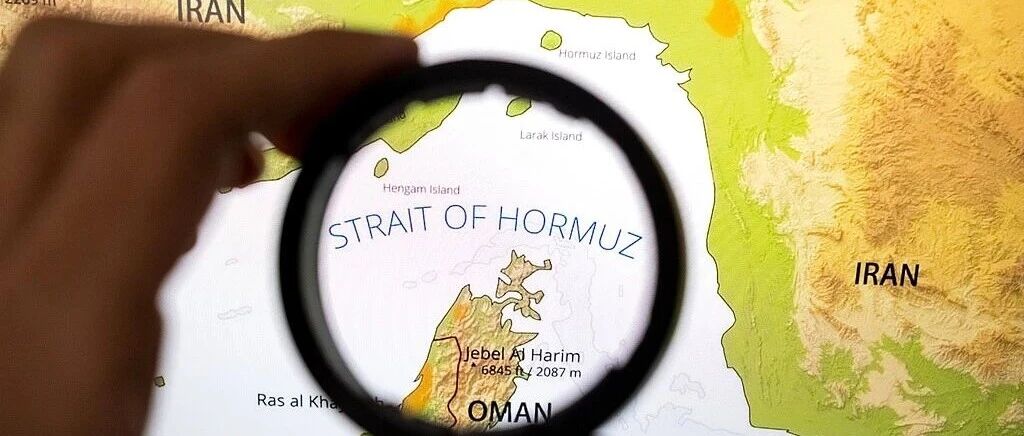
Core Viewpoint - The closure of the Strait of Hormuz has led to a significant disruption in oil supply, with Iraq's production dropping by over two-thirds and global oil prices soaring above $100 per barrel, marking the highest level since the onset of the Russia-Ukraine conflict [1][4] Group 1: Oil Supply Disruption - Iraq, as OPEC's second-largest oil producer, is facing a critical storage situation due to the inability to transport crude oil, leading to a production drop of over 66% [1] - Analysts predict that daily oil production in the region could decrease by over 4 million barrels, potentially expanding to about 9 million barrels by the end of March, which is nearly 10% of global demand [1] - Current statistics indicate that oil exports from the Persian Gulf have decreased by 17.1 million barrels per day, a figure that is 17 times greater than the decline in Russian oil production after the peak in April 2022 [1] Group 2: Economic Impact - The energy market is experiencing its most severe shock since the 1970s, with rising gasoline and diesel prices affecting consumers and increasing mortgage rates and borrowing costs in the U.S. [4] - The geopolitical crisis is expected to have lasting effects, particularly in Europe and Asia, as the Strait of Hormuz is a critical passage for about 20% of global oil and LNG supplies [5] - The ongoing conflict has led to a surge in aluminum prices due to Middle Eastern refineries declaring force majeure, indicating a broader impact on commodity markets [5] Group 3: Historical Context - Historical precedents show that Middle Eastern oil disruptions have previously derailed the global economy, with the 1973 oil embargo causing oil prices to quadruple within three months [8] - The Iranian Revolution in the late 1970s also led to a significant drop in oil production, resulting in a doubling of oil prices and contributing to an economic recession in the U.S. [11] - The current situation is noted to be potentially more severe than past crises, with the Middle East accounting for about one-third of global oil production [12] Group 4: Future Outlook - The ongoing crisis may lead to long-term changes in energy dependencies, as Qatar has emerged as a major LNG exporter, but recent attacks have exposed vulnerabilities in this supply chain [16][17] - The competition for LNG supplies has intensified, with countries like India, Pakistan, and Bangladesh facing increased risks due to soaring prices and reduced availability [17] - Even if the Strait of Hormuz reopens, the recovery of Qatar's production capacity is expected to take weeks, complicating the global energy landscape [17]

终于,海湾石油危机还是来了!
华尔街见闻· 2026-03-09 03:52
Core Viewpoint - The Strait of Hormuz is effectively blocked, pushing the global energy market towards a potential crisis not seen since the 1970s, with oil prices surging dramatically [1][3]. Group 1: Oil Price Surge - WTI crude oil futures surged by 26%, surpassing $115 per barrel [1]. - Brent crude oil futures increased by 25%, reaching $116 per barrel [3]. Group 2: Production Cuts in the Middle East - Major oil-producing countries in the Middle East are forced to announce production cuts due to blocked oil exports and rapidly filling storage [5][6]. - Kuwait has officially declared force majeure and significantly reduced production [7]. - The UAE is adjusting offshore production levels to alleviate storage pressure [7]. Group 3: Impact of the Crisis - Goldman Sachs has revised its optimistic outlook, warning that the actual flow reduction in the Strait of Hormuz is far greater than expected, with significant upward risks for oil prices if the situation does not improve [8][60]. - The crisis intensity has exceeded initial expectations, with Gulf officials initially believing the situation would remain controllable [9][10]. Group 4: LNG Supply Disruption - Qatar, now the world's largest LNG exporter, has halted production at its core facility, cutting off nearly 20% of global LNG supply [11][41]. - Natural gas prices in Europe and Asia have surged, with European benchmark gas prices rising approximately 70% and Asian spot LNG prices increasing about 50% [12][46]. Group 5: Market Reactions and Future Projections - The market is experiencing panic as oil tanker flows have drastically decreased, leading to urgent storage issues and widespread production cuts [24][25]. - Morgan Stanley estimates that if the Strait remains closed, daily production could drop by over 4 million barrels, potentially reaching a reduction of nearly 9 million barrels by the end of March, which is close to 10% of global demand [35]. Group 6: Goldman Sachs' Revised Predictions - Goldman Sachs has dramatically revised its predictions, estimating that the flow through the Strait has decreased by about 90%, equating to a reduction of approximately 18 million barrels per day [56]. - The report emphasizes that if the situation does not improve, oil prices could exceed historical peaks seen in 2008 and 2022 [60]. Group 7: Regional Impacts - The energy crisis is affecting different regions differently, with the Chinese chemical industry potentially benefiting from increased market share due to rising European production costs [74]. - In Asia, countries are facing real energy supply shortages, with significant reliance on Middle Eastern LNG, particularly in India, Thailand, and the Philippines [75].


海峡断航大考:冗余与脆弱性
Hua Tai Qi Huo· 2026-03-09 03:22
1. Report Industry Investment Rating No information provided 2. Core Views of the Report - With the extension of the Strait's closure, the market realizes it won't reopen soon. Trump's re - insurance and naval escort have limited effects. The Strait's reopening requires a significant reduction in Iran's attacks on merchant ships, a new agreement between the US and Iran, or joint naval escort by multiple countries. In the short - term, oil prices are likely to exceed $100 per barrel, but high oil prices will impact demand and test the global economy. If the Strait event reverses, there will be a sharp decline in oil prices [2][47][49] - Oil prices are strongly driven up in the short - term due to the Strait's closure, but are also prone to sharp drops if the event reverses. It is risky to participate in the crude oil market currently, and using options to hedge risks is recommended [3] 3. Summary by Directory 3.1 Strait Continued Closure: Soaring Oil and Gas Benchmark Prices and Crack Spreads - Under the influence of the Strait's continuous closure, global energy prices have soared, including crude oil benchmarks, natural gas, and refined oil crack spreads. LNG has the largest increase, followed by refined oil prices and crude oil benchmark prices [8] - Among crude oils, Dubai, Oman, and Murban crude oil futures are the strongest, with Brent and WTI following passively. For natural gas, JKM has a larger increase than TTF, and HH has a relatively small increase. For refined oil, the crack spread increase order is jet fuel, diesel, high - sulfur fuel oil, gasoline, naphtha, and LPG [8][9] 3.2 Strait Closure Disrupts Global Energy Supply Chain - The Strait accounts for 33% of global crude oil exports, 20% of LNG exports, 14% of refined oil exports, and 30% of LPG exports. Most of the crude oil is exported to Asia - Pacific countries, and the import dependence of Asia - Pacific countries on Strait crude is high [13] - The export scale of refined oil through the Strait is 500 million barrels per day. Different refined oil products have different export destinations and import dependencies. The export scale of LNG through the Strait is 87.5 million tons per year, mainly exported to the Asia - Pacific region [15][26] - The Strait's closure affects the oil, refined oil, and natural gas industries in terms of transportation, production, and supply - demand balance [26][27] 3.3 Market Redundancy: Limited Bypass Capacity, Global High Crude Oil Inventory as Buffer but Needs Artificial Release - Only Saudi Arabia and the UAE in the Persian Gulf have bypass capabilities, but due to various factors, the theoretical bypass capacity cannot be fully achieved, and it is estimated that only 200 million barrels per day can be increased in the short - term [30] - Global crude oil inventory is a market redundancy. The total global land - sea crude oil inventory is about 4.88 billion barrels, and the underground SPR inventory is about 500 million barrels. However, releasing SPR requires government actions, and there is uncertainty about the US's SPR release [30][31] 3.4 Vulnerability: Sanctions, Tight Refining Capacity, and High - Load Liquefaction Capacity Limit Supply Elasticity of Refined Oil and LNG - Western sanctions have fragmented the oil market. In the refined oil market, Europe is more dependent on the US and the Middle East, and the supply chain's resilience has decreased. In the natural gas market, the supply efficiency of Russian projects has been affected [41] - The global refining capacity has been reduced after the pandemic, and the growth of refined oil supply is slow, which will be further exacerbated by the Middle East conflict. The LNG market lacks supply elasticity, and the current EU natural gas inventory is at a historical low [42][45] 3.5 Winners and Losers in the Conflict - Winners include the US, Russia, Oman, non - Persian Gulf oil and gas - producing countries, coal, coal chemical industry, and oil transportation. Losers include Asia - Pacific oil and gas importers, Europe, and Persian Gulf producers [47]
首席点评:政策托底,商品波折
Shen Yin Wan Guo Qi Huo· 2026-03-09 03:00
1. Report's Industry Investment Rating - The report provides a possibility judgment for various varieties, with "cautiously bullish" for many including stock indices (IH, IF, IC, IM), bonds (TF, TS), crude oil, etc., and "cautiously bearish" for some like rebar, hot - rolled coil, iron ore, etc. [6] 2. Core View of the Report - The market focuses on China's policy support and global commodity fluctuations. Domestically, there are policies like GDP growth expectations and a national - level merger fund, along with a moderately loose monetary policy. Internationally, geopolitical conflicts increase commodity uncertainties. Different commodities have their own influencing factors and price trends. [1] 3. Summary by Relevant Catalogs 3.1. Chief Comment - The market focuses on China's policy support and global commodity fluctuations. Domestically, the NDRC expects GDP growth to exceed 6 trillion yuan this year and a national - level merger fund is set up. The central bank will implement a moderately loose monetary policy. Internationally, geopolitical conflicts intensify commodity uncertainties, with energy and precious metals affected. [1] 3.2. Key Varieties Crude Oil - Due to the ongoing conflict in the Persian Gulf, the shipping in the Strait of Hormuz is paralyzed, cutting off oil supply and pushing up crude - oil futures. There are a series of supply disruptions and storage crises, and some countries have cut production. [2][12] Gold - Short - term: The Fed's lower - than - expected interest - rate cut expectations and a stronger US dollar suppress precious metals. Long - term: Multiple factors like geopolitical risks, anti - inflation needs, and de - dollarization support the upward trend of gold. Silver, platinum, and palladium follow the overall trend with larger fluctuations. [3][18] Methanol - Methanol night - trading rose 5.43%. The average operating load of coal - to - olefin (methanol) plants decreased, and the overall methanol plant operating load decreased slightly compared to the previous period but increased compared to the same period last year. Coastal methanol inventory is at a medium - high level historically and is rising. [4][13] 3.3. Variety Views - A table shows the possibility judgment of "cautiously bearish" or "cautiously bullish" for various varieties, but it is a possibility judgment rather than a definite one. [6] 3.4. Main News Focus of the Day International News - Israel warns about Iran's leadership change, threatening those involved in the election. [7] Domestic News - At a press conference, officials from the Ministry of Finance, the central bank, and the NDRC announced more active fiscal policies, interest - rate regulation, and the establishment of a national - level merger fund. The central bank will use multiple monetary policy tools. [7] Industry News - China's gold reserves increased for the 16th consecutive month in February. [7] 3.5. Daily Returns of Overseas Markets - The report provides the price, change amount, and change rate of various overseas market varieties such as the S&P 500, FTSE China A50 futures, ICE Brent crude oil, etc. from March 5th to March 6th. [8] 3.6. Morning Comments on Major Varieties Financial Stock Indices - US stock indices fell, while domestic stock indices rebounded. As annual and first - quarter reports are released, the market will shift from "expectation - driven" to "profit - driven". In the long run, stock indices will return to a structural market. [9] Bonds - Bonds fluctuated narrowly. The central bank's net reverse - repurchase withdrawal this week did not significantly tighten the money market. Overseas factors and domestic policies support bond - futures prices in the short term. [10][11] Energy and Chemicals Crude Oil - The Persian - Gulf conflict disrupts oil supply, leading to a significant increase in crude - oil futures prices. [12] Methanol - Methanol prices rose at night. The operating load of related plants decreased, and coastal inventory increased. [4][13] Rubber - Geopolitical conflicts drive up the price of crude oil, which in turn supports the price of rubber. The supply is seasonally low, and the demand is expected to recover after the holiday, so the rubber price is expected to be strong. [14] Polyolefins - Polyolefins continued the bullish trend on Friday. The increase in international crude - oil prices boosts polyolefins. [15] Glass and Soda Ash - Glass futures closed up, with inventory increasing after the holiday. Soda - ash futures rebounded, and the supply is high with inventory accumulation, facing inventory - digestion pressure. [16][17] Metals Precious Metals - Short - term suppression and long - term upward trend due to various factors such as US employment data, inflation, and de - dollarization. [3][18] Copper - Copper prices fell at night. Concentrate supply is tight, and downstream demand is mixed. The price may fluctuate in a range. [19] Zinc - Zinc prices rose at night. Concentrate supply is temporarily tight, and downstream demand is mixed. The price may follow the overall trend of non - ferrous metals. [20] Aluminum - Shanghai aluminum prices rose. The conflict affects aluminum production and transportation in the Middle East, and the long - term low inventory and supply constraints support the price. [21] Black Metals Coking Coal and Coke - Coking coal supply increased, and demand weakened in the short term. However, with the resumption of work, the demand is expected to improve, and the price may be affected by geopolitical conflicts. [22] Agricultural Products Protein Meal - Bean and rapeseed meal prices were strong at night. Brazil's soybean production forecast was lowered, and supply disruptions in the Middle East supported US soybean prices, so the domestic protein - meal price is expected to be strongly volatile. [23] Oils and Fats - Oil prices continued to be strong at night. Malaysia's palm - oil inventory is expected to decline, and geopolitical risks and bio - fuel expectations support the price, which is expected to remain high and volatile. [24] Pigs - The pig market is weak, with sufficient supply and weak consumption. The short - term price is expected to continue to bottom out. [25] Shipping Index Container Shipping to Europe - The EC index fell on Friday. The SCFI European - line price rose slightly. Geopolitical conflicts in the Middle East affect the shipping market, and the freight rate will enter a period of greater volatility. [26]
市场快讯:美伊局势紧张油脂油料板块多数涨停
Ge Lin Qi Huo· 2026-03-09 02:49
Report Summary Report Industry Investment Rating - Not provided Core Viewpoints - On March 9, 2026, driven by macro factors, the soybean meal and vegetable oil sectors hit the daily limit. The main cause was the US - Iran dispute leading to a significant increase in international crude oil prices, with fundamental factors taking a secondary role. All existing long positions should be held [1] - The risk point for a market reversal is the US - Iran peace talks [2] Summary by Relevant Catalog Impact on Global Markets - Due to the increased uncertainty in the Middle East situation, energy commodity prices soared. Brent crude oil futures prices rose, and the price increases of refined oil and European natural gas were more significant [3] - Bond yields in several European and American countries increased this week. The 10 - year bond yields of the US, Canada, the UK, Germany, and France all went up. Specifically, the US 10 - year yield rose 10.4 basis points to 4.138%, Canada's rose 19.4 basis points to 3.402%, the UK's rose 25.4 basis points to 4.626%, Germany's rose 14.6 basis points to 2.856%, and France's rose 22.2 basis points to 3.09% [3][6] Impact on the Chinese Economy - The US - Iran situation mainly affected the Chinese stock market, especially the energy industry. China's A - shares performed relatively well, but the CSI 300 index fell 1.07% [3] - Instability in the Middle East may impact the supply of electrolytic aluminum [3] - The prices of gold and silver declined, while the Fed is still in the interest - rate cut cycle, and the financial attribute supports the prices of multiple industrial - attribute metals to rise [3]
未知机构:国联民生策略周思考冲突持续升级市场需要等待原油见顶美以联-20260309
未知机构· 2026-03-09 02:15
Summary of Conference Call Notes Industry Overview - The notes discuss the impact of escalating conflicts in the Middle East, particularly the joint airstrikes by the US and Israel on Iran, which have led to significant disruptions in the Strait of Hormuz, affecting global oil and LNG transportation [1][2]. Key Points and Arguments 1. **Market Dynamics**: The market has shifted to an "event-driven" mode, where oil price movements are expected to directly influence market direction. A sustained increase in oil prices could lead to a rapid "Risk Off" scenario due to potential supply chain disruptions [1]. 2. **Conflict Escalation**: The expectation has shifted from a "lightning war" to a "protracted war," with military actions anticipated to continue for approximately four weeks, and Iran claiming it has over six months of high-intensity warfare capability [1][2]. 3. **Energy Sector Impact**: The shipping in the Strait of Hormuz has seen substantial stagnation, with insurers withdrawing coverage for the area, affecting about 20-25% of global oil transport and 20% of LNG transport [2]. 4. **Asset Price Outlook**: Three scenarios for asset price movements are outlined: - **Scenario One**: Quick resolution of the conflict leading to a peak and subsequent decline in oil prices, which would stabilize market liquidity and risk appetite [4][5]. - **Scenario Two**: Prolonged conflict with manageable intensity, resulting in fluctuating oil prices and a gradual increase in precious metals while risk assets remain volatile [5]. - **Scenario Three**: Long-term escalation of the conflict, leading to persistent high oil prices and a stagflation environment, with a risk of rapid declines in equity assets [6]. Additional Important Content - **Market Volatility**: The current market is experiencing tightening liquidity alongside constrained oil supply, leading to various asset classes, including equities and precious metals, facing downward pressure [3]. - **Equity Market Strategy**: The A-share market is in a medium volatility state, with expectations for a return to lower volatility levels before significant upward movement can occur. The correlation between A-shares and US stocks suggests that monitoring US market conditions could be beneficial for A-share strategies [7]. - **Investment Opportunities**: Short-term cyclical industries, particularly energy, are expected to enter a price increase cycle due to supply chain constraints. Conversely, sectors like aviation and social services may face pressure from rising costs and increased travel risks [9]. Conclusion - The ongoing geopolitical tensions and their implications for oil prices and market dynamics are critical for investors. The outlined scenarios provide a framework for understanding potential market movements and investment strategies in the current environment.
未知机构:华泰策略A股周观点20260309上周全球市场在交易伊朗战争和由此引-20260309
未知机构· 2026-03-09 02:15
Summary of Key Points from the Conference Call Industry or Company Involved - The report focuses on the A-share market and its response to global events, particularly the implications of the Iran war on inflation expectations and market dynamics. Core Insights and Arguments - Global markets experienced declines due to the Iran war and the resulting inflation expectations, with stocks, bonds, and gold all falling [1] - The market's pricing of risk is deemed insufficient, leading to a recommendation for caution in the short term [2][4] - A-share market saw a significant drop on Tuesday, followed by a rebound on Wednesday afternoon, indicating volatility and a potential mispricing of the war's impact as a temporary event [5] - The implied volatility of ETF options peaked on Wednesday before declining, suggesting a reduction in panic among investors [5] - In the commodity market, oil prices surged past $100, reaching $107, with significant increases in the implied volatility of oil ETFs [6] - The futures market indicates a steep contango, suggesting that the market does not expect a significant long-term shift in inflation due to the war [6][7] - The primary market concern is the war's impact on risk appetite and fundamentals, overshadowing other factors like the Two Sessions and AI developments [8] - There is a recognition that the war is escalating, with the market pricing in an overly optimistic outlook, leading to asymmetric risks where downside risks are greater than upside [10][11] - A recommendation for investors to be cautious in the short term is based on considerations of tail risks [12] Additional Important Content - Industry configuration recommendations include focusing on the oil price's impact on various sectors: - **Affected Industries**: Logistics, chemicals, leasing, mining [13] - **Benefiting Industries**: - Direct beneficiaries: Oil and natural gas [13] - Substitution effects: Coal and renewable energy [13] - Strong downstream transmission capabilities: Oilfield services, cement, chemical raw materials, personal care [13] - Defensive sectors: Aquaculture and retail [14] - The report emphasizes energy and electricity as priority sectors, aligning with government work reports on future energy and green transitions [14] - Attention is drawn to energy metals, grid equipment, and power operators, with a shift towards fundamental pricing expected from mid-March to April [15] - Opportunities may arise from rapid adjustments in high-growth industries, including small metals, chemicals, components, storage, military industry, engineering machinery, and agriculture [15]
‘Nightmare scenario’ looms as global markets head for the biggest oil output disruption in history, top energy guru warns
Yahoo Finance· 2026-03-08 17:05
The U.S.-Israeli war on Iran is quickly spiraling into a worldwide energy crisis as the de facto closure of the Strait of Hormuz forces top oil producers to start slashing output. The seeds of the crisis go back to the late 1970s when Iranian oil workers went on strike and the revolution ushered in the Islamic Republic, Daniel Yergin, vice chair of S&P Global and the author of The Prize: The Epic Quest for Oil, Money & Power, wrote in a Financial Times op-ed this weekend. “One legacy of all this has be ...
主题策略周报 20260308:外乱内稳,周期趋势加强-20260308
Orient Securities· 2026-03-08 15:26
Group 1 - The core viewpoint indicates that external disturbances lead to internal stability, and the overall market will continue to experience fluctuations, with a strengthened performance in mid-cap blue-chip stocks and a focus on resource sovereignty [7][10]. - The assessment of the domestic market's impact is manageable, and the oscillating situation remains unchanged, as the recent Middle Eastern events serve as a short-term stress test without altering the mid-term market dynamics [11][12]. - Global risk evaluation is on the rise, reinforcing existing trends, while short-term risk appetite is expected to decline but will likely recover in the mid-term as uncertainties resolve [11][12]. Group 2 - In terms of industry comparison, the short-term events are believed to have a limited negative impact on previously favored sectors, instead reinforcing existing trends, with continued optimism for cyclical sectors such as non-ferrous metals, chemicals, transportation, agriculture, coal, and natural gas [12]. - The theme of investment prioritizes resource sovereignty, emphasizing that strategic resource assets are being re-evaluated under the new geopolitical order, shifting demand from traditional economic cycles to "manufacturing upgrades" and "strategic security" [3][12]. - The technology manufacturing sector is closely following developments in AI and space, with a focus on domestic computing power advancements and the emerging space industry, which is expected to see significant growth due to increased satellite networking demands [4][13][14].
机构预警:若中东冲突持续,这类“坚挺”资产的价格面临高估
第一财经· 2026-03-08 13:59
Core Viewpoint - The article discusses the impact of escalating geopolitical tensions, particularly between Israel and Iran, on global commodity markets, highlighting the potential overvaluation of certain assets and the risks associated with prolonged conflicts [3][4]. Group 1: Commodity Market Insights - The recent surge in WTI crude oil prices, which rose by 12.67% to $91.27 per barrel, reflects concerns over supply disruptions due to geopolitical conflicts [3]. - Copper prices, despite their recent strength driven by speculative demand and expectations of becoming a "new gold," are viewed as vulnerable to downward corrections if global economic growth falters [5]. - In contrast, major commodities like oil, natural gas, and aluminum may have upward potential in a slowing growth environment, with the Strait of Hormuz being critical for global LNG trade and contributing significantly to aluminum and urea production [5]. Group 2: Gold and Silver Market Analysis - Gold prices have shown volatility rather than a consistent upward trend, primarily due to high bond yields and a strong dollar, indicating a potential short-term risk for gold [6]. - The article suggests that if supply disruptions threaten global economic growth, gold may eventually benefit from increased safe-haven demand, while silver's industrial nature makes it more susceptible to economic slowdowns [6]. Group 3: Stock Market Dynamics - Japan's stock market faces significant risks due to its reliance on external energy, with potential negative impacts on corporate profitability from rising import costs amid geopolitical tensions [6]. - The S&P 500 index is showing signs of peaking, with market sentiment becoming increasingly uneasy, although energy stocks continue to rise due to the potential for further increases in energy prices [6][7]. Group 4: Future Market Outlook - The article warns of a significant oil supply shock due to the closure of the Strait of Hormuz, with ongoing attacks on oil tankers potentially leading to further price increases [9]. - Investors are advised to maintain cautious positions until there is clear confirmation of negotiations resuming between the U.S. and Iran, as the current geopolitical situation may lead to heightened market volatility [9].