
婴幼儿用品

Search documents
以匠心品质与责任担当 Huggies好奇重塑纸尿裤行业标杆
Cai Jing Wang· 2025-05-07 08:44
Core Insights - The article emphasizes the importance of safety in infant products, particularly diapers, and highlights Huggies' commitment to quality and transparency in its manufacturing processes [1][9]. Group 1: Product Quality Control - Huggies implements a three-tier traceability mechanism for raw materials, conducting in-depth verification of over 300 components for safety and reliability over a period of 3 to 6 months [3]. - The company utilizes fully automated production lines that minimize human contact, achieving a production time of just 0.05 seconds per diaper [3]. - Huggies has established a rigorous testing protocol that exceeds national standards, incorporating up to 242 additional tests to ensure superior performance in various usage scenarios [6]. Group 2: Environmental Responsibility - Huggies has developed a closed-loop waste management system for production waste, ensuring that all scraps and waste materials are repurposed into recyclable products, thus preventing any risk of waste re-entering the market [6]. Group 3: Employee Commitment - The company emphasizes that every employee is dedicated to quality, believing that responsibility for quality equates to responsibility for children's well-being, thus raising the standards from acceptable to exceptional [6]. Group 4: Social Responsibility - Since 2022, Huggies has supported UNICEF's initiatives in China to promote newborn health and early childhood development, particularly in underprivileged regions [6]. - In 2024, Huggies plans to focus on supporting rural revitalization efforts in Guoluo Prefecture, Qinghai Province, demonstrating its commitment to community welfare [7]. Group 5: Brand Philosophy - Huggies maintains a consumer-centric approach, leveraging 47 years of expertise and continuous innovation to redefine brand value and ensure the health and growth of infants in China [9].

美关税政策推高婴幼儿产品价格
news flash· 2025-04-30 10:28
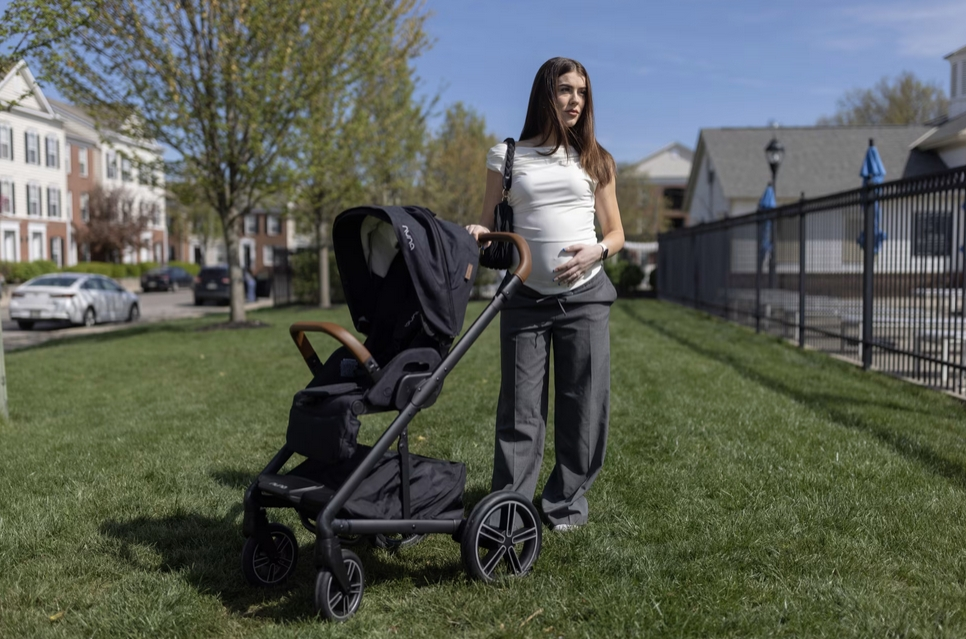
Core Viewpoint - The U.S. government's excessive imposition of tariffs has led to destructive consequences across various industries, significantly impacting the lives of American citizens [1] Price Increases in Baby Products - Recent reports indicate a substantial increase in prices for baby products such as strollers and car seats in the U.S. market [1] - The average price of strollers has risen by 25%, while the average price of children's car seats has increased by 20% due to the current tariff policies [1]
特朗普政府关税政策推高美国婴儿用品价格,行业领袖发出警告
Huan Qiu Wang· 2025-04-27 11:10
Group 1 - The article highlights the significant price increase of baby products in the U.S. due to the tariffs imposed by the Trump administration, with essential items like strollers and car seats seeing an average price rise of about 30% [1][3] - UPPAbaby's stroller price is set to rise from $899 to $1,200, while other brands have increased prices of car seats and strollers by $100 and $50 respectively [3] - Munchkin's CEO announced that approximately 90% of their product line will see price increases within the next 30-45 days, affecting everyday items like sippy cups and high chairs [3] Group 2 - The majority of baby strollers (97%) and car seats (87%) in the U.S. market are produced in China, and companies have communicated that tariffs are the reason for the price hikes [3] - A coalition of 13 well-known baby brands has publicly urged the Trump administration to exempt baby essentials from tariffs, labeling the tariffs as a "baby tax" that raises costs for new parents [3] - Munchkin's CEO has reached out to the Trump administration multiple times requesting permanent tariff exemptions, emphasizing the lack of domestic manufacturing capabilities for low-margin, high-safety baby products [3][4] Group 3 - The current situation illustrates the contradiction in the Trump administration's policies, as it promotes initiatives to encourage childbirth while simultaneously increasing parenting costs through tariffs [4] - Continuous price increases may lead families to purchase second-hand or expired safety seats, posing a risk to child safety [4] - The imposition of tariffs has faced strong opposition domestically and internationally, with warnings from financial institutions about potential inflation, economic slowdown, and even recession [4]
美关税政策反噬自身:婴幼儿用品供应吃紧 小企业主直呼“难生存”
Yang Shi Xin Wen· 2025-04-21 11:25
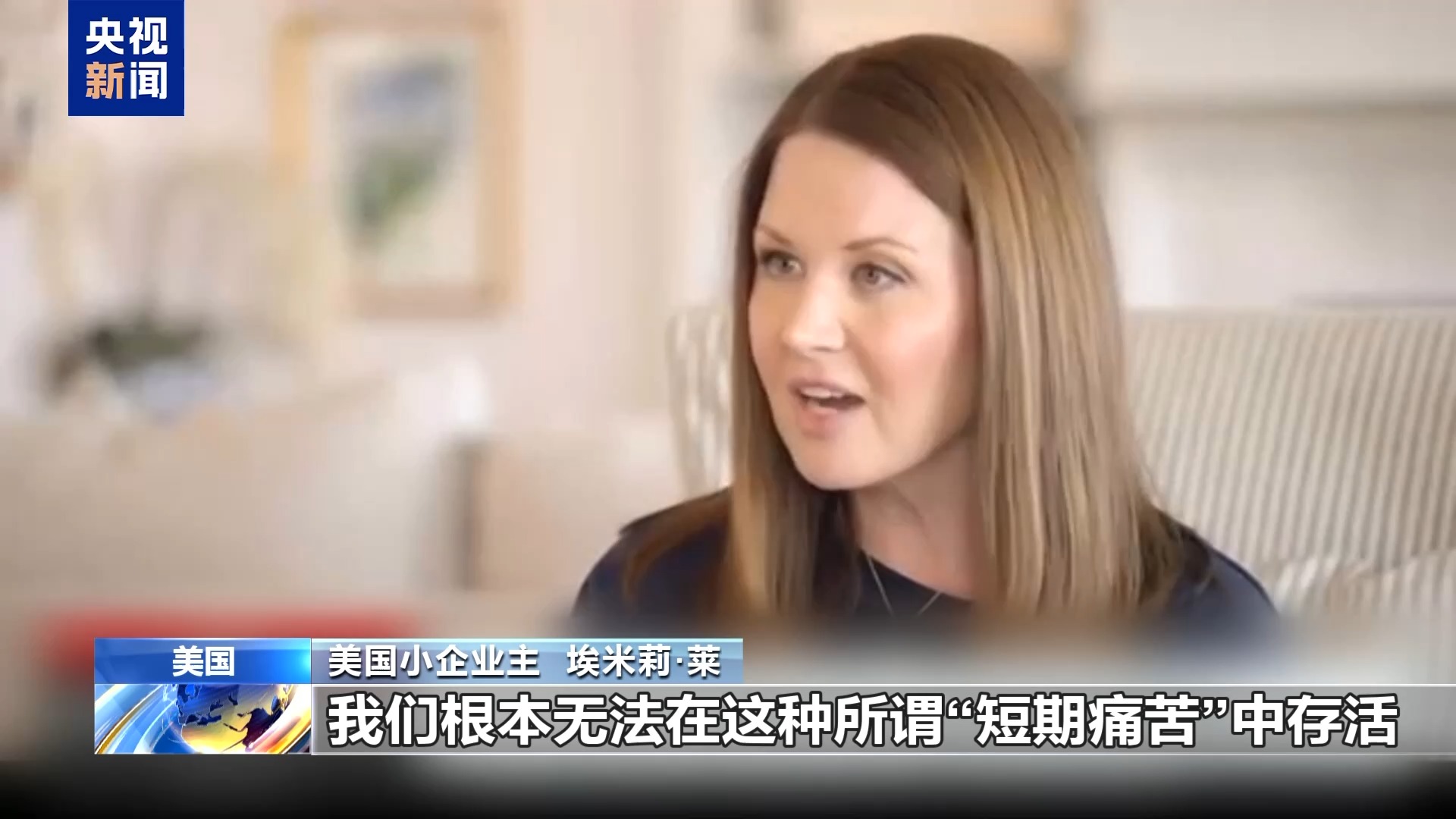
Group 1 - The majority of U.S. CEOs and business owners express pessimism about the current business climate, attributing their lack of confidence to the government's tariff policies, with 67% disapproving of these policies and 76% believing they will negatively impact their business this year [1] - Small business owners are struggling to cope with the high costs imposed by tariffs, which threaten their operations and sustainability [2] - The uncertainty surrounding the economic situation and business outlook is described as a significant enemy for businesses, making it difficult for owners to calculate future borrowing costs and set prices due to fluctuating tariffs [6] Group 2 - The new tariff policies are expected to have a detrimental effect on the supply of essential baby products in the U.S., with 90% of core baby care items and their components being produced in Asia [7] - A U.S. baby products company has halted some orders from Asia due to the new tariffs, leading to potential stock shortages within three months, as domestic manufacturing capabilities are insufficient to meet demand [9] - There is widespread domestic criticism of the tariff policies, with experts predicting a significant increase in the risk of economic stagnation or recession, as indicated by rising inflation expectations among consumers [10][12]
美关税政策反噬自身,婴幼儿用品供应吃紧
news flash· 2025-04-21 11:21
Core Viewpoint - The tariff policy is expected to impact the U.S. infant products market, with a significant portion of essential baby care items being produced in Asia [1] Industry Impact - According to the American Association of Youth Products Manufacturers, approximately 90% of core infant care products, including bottles, strollers, and car seats, are manufactured in Asia [1] - The association is advocating for the U.S. government to exempt these products from tariffs to mitigate potential negative effects on the industry [1]