时尚

Search documents
狗血时尚圈,谁的前任又成了谁的现任|2月潮汐Mail
36氪· 2025-02-28 09:25
Group 1 - Duolingo's marketing strategy involved a "revival challenge" for its mascot Duo, which successfully increased user engagement and learning activity during the campaign [5][6] - Cheetos launched a creative marketing campaign using "non-dominant hand" fonts to resonate with consumers' real-life scenarios [7] - Adidas introduced a high-end series called A-Type under Adidas Originals, featuring luxury materials and craftsmanship, with prices reaching up to $1,500 for certain items [8][10] Group 2 - Nike partnered with Kim Kardashian's Skims to create a new women's fitness brand, NikeSKIMS, focusing on body inclusivity and performance [12][13] - MUJI plans to open low-cost stores in China, selling essential goods at competitive prices, marking its first expansion of this concept outside Japan [16][17] - FamilyMart appointed designer Nigo as its creative director, aiming to enhance its brand image and product offerings through collaborations [21][22] Group 3 - Zara innovatively moved its fashion show to the streets of Shanghai, leveraging live streaming to engage consumers [25][26] - Coffee brand Kudi introduced a new business model by offering affordable meal options alongside coffee, appealing to office workers [29][30] - Apple launched the iPhone 16e, which received mixed reactions from consumers, indicating a potential disconnect between product offerings and market demand [33][34] Group 4 - Chinese director Huo Meng won the Silver Bear for Best Director at the Berlin International Film Festival for his film "The Place of Living," marking a significant achievement for Chinese cinema [37][38]



从Dior到Fendi,洋品牌为何屡踩“文化红线”?| BUG
新浪财经· 2025-02-28 01:05
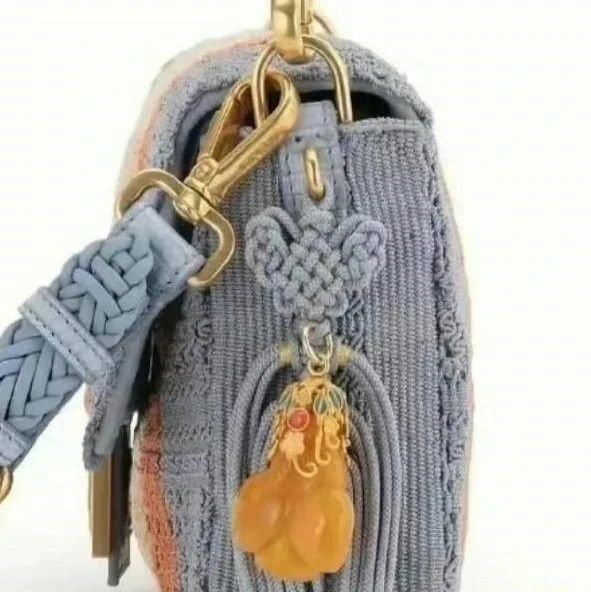
Core Viewpoint - The controversy surrounding Fendi's collaboration bag, which misattributes Chinese knot craftsmanship to Korean culture, highlights ongoing issues of cultural appropriation and insensitivity among luxury brands, particularly in the Asian market [1][4][10]. Group 1: Fendi's Cultural Controversy - Fendi's recent bag design, which resembles the Chinese knot but is marketed as a Korean traditional craft, has sparked outrage among Chinese consumers, leading to accusations of cultural appropriation [1][4]. - The brand's failure to issue an apology or a formal statement after the backlash has intensified consumer dissatisfaction and calls for a boycott [4][5]. - The incident reflects a broader trend of Western luxury brands, including LVMH's Fendi, facing criticism for their lack of respect towards traditional Chinese culture [2][10]. Group 2: Financial Impact on LVMH - LVMH reported a 10% decline in sales in Asia (excluding Japan) for Q4 2024, with an 11% drop for the entire year, indicating a challenging market environment [2][12]. - The CFO of LVMH acknowledged the ongoing sluggishness in the Chinese market, which is crucial for luxury brands [12]. - The negative publicity surrounding Fendi coincides with its efforts to expand in China, potentially jeopardizing its market penetration strategy [12][13]. Group 3: Quality Issues and Consumer Sentiment - Fendi has faced multiple quality control issues over the years, with significant non-compliance rates in product inspections, raising concerns about its craftsmanship [6][8]. - Consumer complaints about Fendi products have surged, with issues such as poor workmanship and product durability being frequently reported [8]. - The growing demand for cultural respect among consumers is becoming a critical factor in purchasing decisions, as highlighted by the backlash against Fendi [13][17]. Group 4: Broader Industry Trends - The luxury sector has seen several brands, including Dolce & Gabbana and Dior, face backlash for cultural insensitivity, leading to significant sales impacts [10][11]. - The rise of domestic brands and the "Guochao" trend indicates a shift in consumer preferences towards brands that respect and incorporate local culture [18]. - Experts suggest that foreign brands must enhance their understanding of Chinese culture and consumer expectations to succeed in the market [17][18].