
石油和天然气开采业

Search documents
中金:基期轮换映升级,春节扰动不足虑 ——2026年1月物价数据点评
中金点睛· 2026-02-11 23:38
Core Viewpoint - The January CPI decreased year-on-year from 0.8% to 0.2%, primarily affected by the misalignment of the Spring Festival, with significant drag from food and services [1][2][3]. Group 1: CPI Analysis - The year-on-year CPI drop was mainly due to the Spring Festival misalignment, with food and service prices contributing negatively [2][3]. - Food prices, particularly fresh vegetables, saw a significant decline, with the CPI for fresh vegetables dropping from 18.2% to 6.9%, impacting the overall CPI by 0.27 percentage points [2][4]. - Service prices also fell, with a year-on-year decrease from 0.6% to 0.1%, influenced by lower prices for airline tickets, travel agency fees, and domestic services [3][4]. Group 2: PPI Analysis - The PPI increased by 0.4% month-on-month, marking the fourth consecutive month of positive growth, driven by rising international prices for non-ferrous metals and improved supply-demand dynamics in certain sectors [14][15]. - The year-on-year PPI decline narrowed to -1.4%, with structural improvements observed, although downstream price transmission remains a concern [14][15]. - Certain industries, such as photovoltaic equipment manufacturing and black metal smelting, experienced price increases due to optimized supply-demand structures [15]. Group 3: Consumption Structure Changes - A five-year periodic base year rotation was conducted in January 2026, adjusting the basket content and weights to reflect new changes in production, circulation, and consumption [20][21]. - The classification of consumption categories was updated, including new categories for housing security devices and internet medical services, reflecting shifts in consumer behavior [22][23]. - The weight structure changes indicate a transition in consumer spending from goods to services, with an increase in the weight of food and dining out, while clothing and living services saw a decrease [23][24]. Group 4: Future Outlook - Looking ahead, the CPI is expected to rebound in February due to the Spring Festival misalignment, but the extent of improvement will depend on the recovery of domestic demand [25][26]. - The "anti-involution" policies may lead to a gradual narrowing of the PPI year-on-year decline, but price transmission challenges may persist, influenced by high base effects and domestic demand recovery [26].


【石油和化工行业景气指数】1月:季节需求拉动 景气指数上涨
Zhong Guo Hua Gong Bao· 2026-02-11 05:28
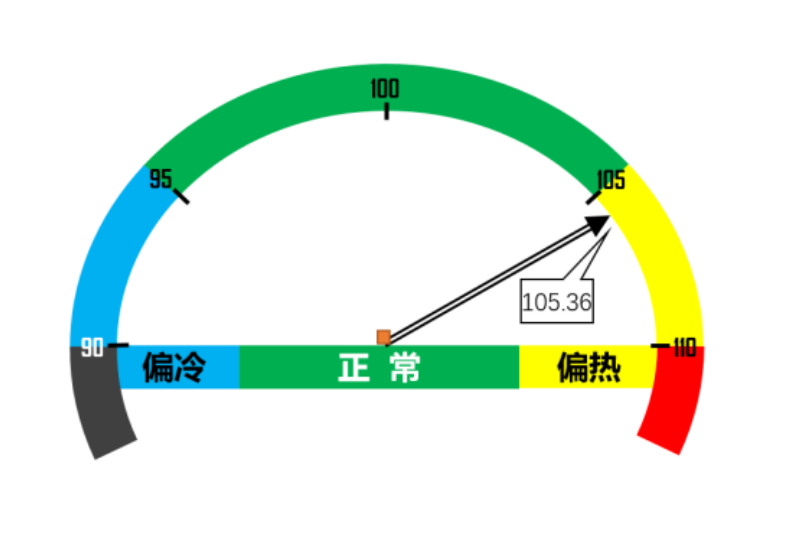
Core Insights - The oil and chemical industry prosperity index rose to 105.36 in January 2026, driven by low oil prices and seasonal demand ahead of the Spring Festival [2][11] - The upstream oil and gas extraction sector faced ongoing pressure from falling prices, but seasonal demand led to inventory reduction, resulting in a slight recovery in the prosperity index [11] - The fuel processing industry saw a profit recovery, but inventory turnover slowed, causing a decline in its prosperity index [2][11] - The chemical raw materials and products manufacturing sector, along with rubber, plastic, and other polymer products manufacturing, experienced synchronized growth in production, profits, and inventory turnover due to low raw material costs and seasonal stocking [2][11] Index Data - The oil and chemical industry prosperity index increased by 4.45 points from December to January [8][16] - The oil and gas extraction sector index rose by 5.15 points, ending a four-month decline [11][16] - The fuel processing industry index decreased by 10.33 points, indicating a shift from overheating to normal conditions [14][16] - The chemical raw materials and products manufacturing index increased by 11.72 points, reflecting favorable conditions for production and sales [14][16] - The rubber, plastic, and other polymer products manufacturing index rose by 9.92 points, indicating a strong production response to low costs and seasonal demand [16] Market Trends - The manufacturing PMI fell to 49.3% in January 2026, indicating a slowdown in overall manufacturing, contrasting with the rising prosperity index in the petrochemical sector [3][17] - Geopolitical tensions in the Middle East have led to short-term fluctuations in oil prices, with market sentiment oscillating between conflict risks and potential negotiations [4][18] - The oil price is expected to maintain a volatile pattern with upward pressure and downward support due to seasonal demand weakness [4][18] Future Outlook - The petrochemical industry is anticipated to face challenges in February 2026 due to fluctuating oil prices and weakening post-holiday demand, leading to a potential seasonal decline in the prosperity index [9][19] - The demand side remains a critical variable, with the industry entering a traditional off-peak season after the Spring Festival [19]
国家统计局:1月份全国工业生产者出厂价格同比下降1.4%
智通财经网· 2026-02-11 02:00
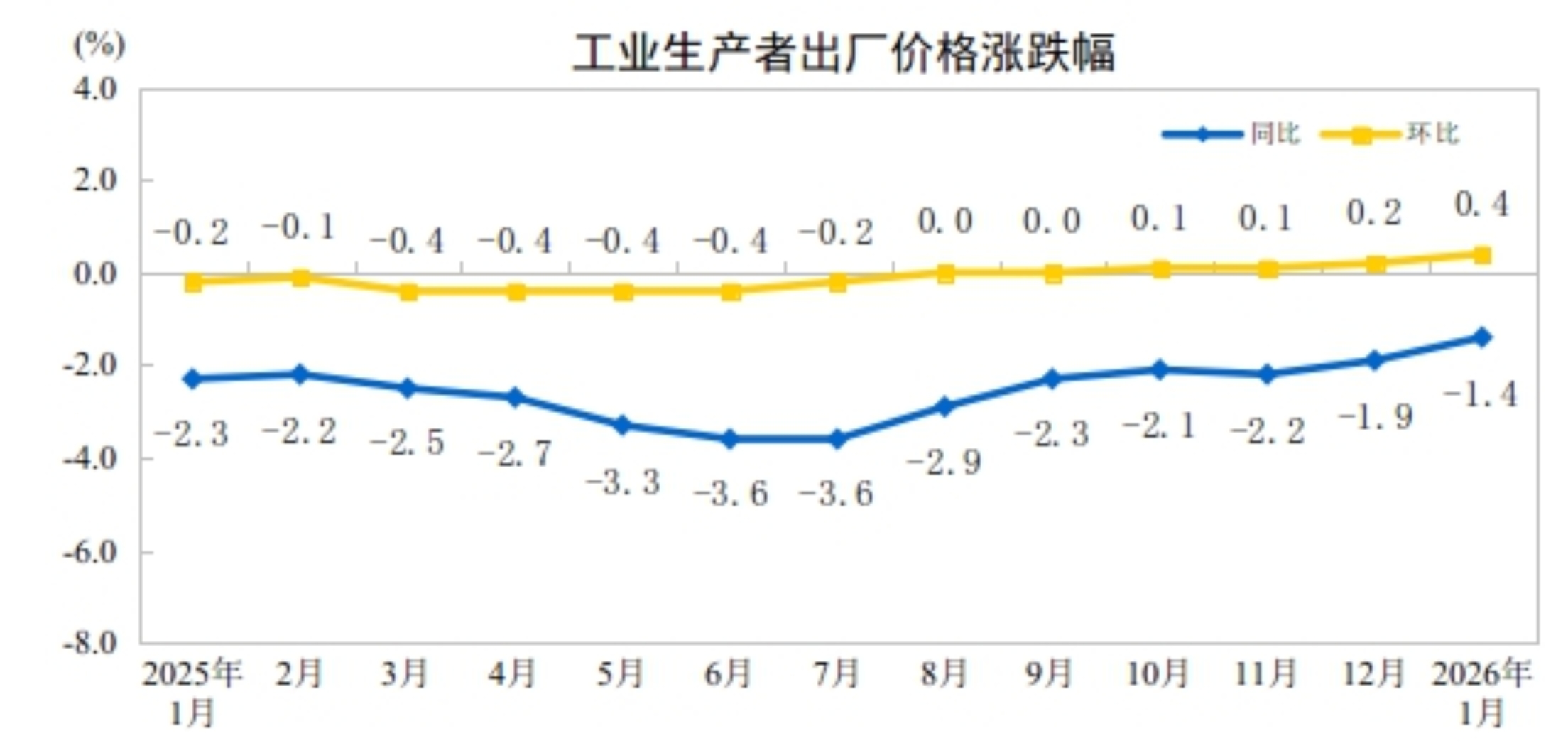
Group 1: Core Insights - In January 2026, the national industrial producer price index (PPI) showed a year-on-year decrease of 1.4%, with the decline narrowing by 0.5 percentage points compared to the previous month, while the month-on-month increase was 0.4%, expanding by 0.2 percentage points from the previous month [1] Group 2: Year-on-Year Changes - The prices of production materials decreased by 1.3%, contributing approximately 1.06 percentage points to the overall decline in the PPI. The mining industry saw a price drop of 8.1%, raw materials decreased by 2.0%, and processing industry prices fell by 0.4% [4] - Prices of living materials decreased by 1.7%, impacting the overall PPI by about 0.38 percentage points. Food prices fell by 1.9%, clothing prices decreased by 0.7%, and both general daily goods and durable consumer goods prices dropped by 1.8% [4] Group 3: Month-on-Month Changes - In January, the prices of production materials increased by 0.5%, contributing approximately 0.37 percentage points to the overall PPI increase. The mining industry prices decreased by 1.7%, while raw materials and processing industry prices increased by 0.7% and 0.5%, respectively [8] - Living materials prices saw a slight increase of 0.1%, with food prices decreasing by 0.1% and clothing prices dropping by 0.3% [8] Group 4: Industrial Purchase Prices - The industrial producer purchase prices showed a year-on-year decrease of 1.4%. Fuel and power prices fell by 7.1%, chemical raw materials decreased by 5.8%, and construction materials and non-metallic materials dropped by 4.7%. However, prices for non-ferrous metals and wires increased by 16.1% [7][10] - Month-on-month, the purchase prices increased by 0.5%, with non-ferrous metals and wires rising by 4.5%, while fuel and power prices decreased by 0.7% [8][10]
国家统计局:1月CPI同比涨幅回落主要受春节错月影响,PPI同比降幅收窄
Di Yi Cai Jing· 2026-02-11 01:46
Group 1 - The core CPI excluding food and energy prices increased by 0.8% year-on-year, indicating a moderate inflationary trend in consumer prices [1][2] - In January, the CPI rose by 0.2% month-on-month and year-on-year, reflecting a recovery in consumer demand [1][3] - The PPI increased by 0.4% month-on-month, marking the fourth consecutive month of growth, with a year-on-year decline of 1.4%, which is a narrowing of the decline compared to the previous month [1][4][5] Group 2 - The decline in CPI year-on-year was primarily influenced by the timing of the Spring Festival, which affected the comparison base from the previous year [2][3] - Food prices decreased by 0.7%, contributing to a drop in CPI by approximately 0.11 percentage points, while service prices saw a slight increase of 0.1% [2][3] - Energy prices fell by 5.0% in January, impacting CPI by approximately 0.34 percentage points, with gasoline prices down by 11.4% year-on-year [2][3] Group 3 - The core CPI excluding food and energy prices rose by 0.3% month-on-month, the highest increase in six months, driven by higher prices for air tickets and travel services [3][4] - Industrial consumer goods prices excluding energy saw a year-on-year increase of 2.6%, with significant price rises in gold jewelry and household goods [3][4] - The PPI's month-on-month increase was supported by the ongoing development of a unified national market, leading to price rises in various sectors such as cement and lithium-ion batteries [4][5]
2026年1月份工业生产者出厂价格同比降幅收窄 环比涨幅扩大
Guo Jia Tong Ji Ju· 2026-02-11 01:30
Group 1 - In January 2026, the national industrial producer price index (PPI) for factory prices decreased by 1.4% year-on-year, with the decline narrowing by 0.5 percentage points compared to the previous month; month-on-month, it increased by 0.4%, with the increase expanding by 0.2 percentage points from the previous month [1][10] - The prices of production materials decreased by 1.3% year-on-year, contributing approximately 1.06 percentage points to the overall decline in factory prices; the mining industry saw a price drop of 8.1%, raw materials prices fell by 2.0%, and processing industry prices decreased by 0.4% [4][9] - The prices of living materials decreased by 1.7% year-on-year, impacting the overall factory price level by about 0.38 percentage points; food prices fell by 1.9%, clothing prices decreased by 0.7%, and prices for general daily necessities and durable consumer goods both dropped by 1.8% [4][9] Group 2 - In January, the industrial producer purchase price index (PPPI) showed a year-on-year decrease of 1.4%, with a month-on-month increase of 0.5%; fuel and power prices fell by 7.1%, while prices for non-ferrous metals and wires increased by 16.1% [7][11] - The prices of production materials increased by 0.5% month-on-month, contributing approximately 0.37 percentage points to the overall increase in factory prices; mining prices decreased by 1.7%, while raw materials prices rose by 0.7% and processing prices increased by 0.5% [8][9] - The prices of living materials increased by 0.1% month-on-month, with food prices decreasing by 0.1% and clothing prices dropping by 0.3%, while durable consumer goods prices rose by 0.3% [8][9]
中国石油申请基于水平井剖面动用规律的注液暂堵参数确定方法专利,有效解决水平井笼统注液导致各段簇进液不均匀问题
Sou Hu Cai Jing· 2026-02-10 09:12
Group 1 - The core point of the article is that China National Petroleum Corporation (CNPC) has applied for a patent for a method to determine temporary blocking parameters based on the utilization patterns of horizontal well profiles, aimed at improving oil recovery rates in the later stages of oilfield development [1] Group 2 - The patent application, published as CN121473731A, was filed on August 2024 and belongs to the field of oil and gas field development engineering [1] - The method involves several steps including gathering geological and engineering data, calculating erosion ratios, predicting liquid intake capabilities, and optimizing temporary blocking agents [1] - CNPC, established in 1999 and headquartered in Beijing, has a registered capital of 18,302,097 million RMB and has invested in 1,298 companies [2] - The company has participated in 443 bidding projects and holds 5000 patent records along with 38 trademark records [2]

锦州9-3油田破冰保生产
Zhong Guo Hua Gong Bao· 2026-02-10 04:29
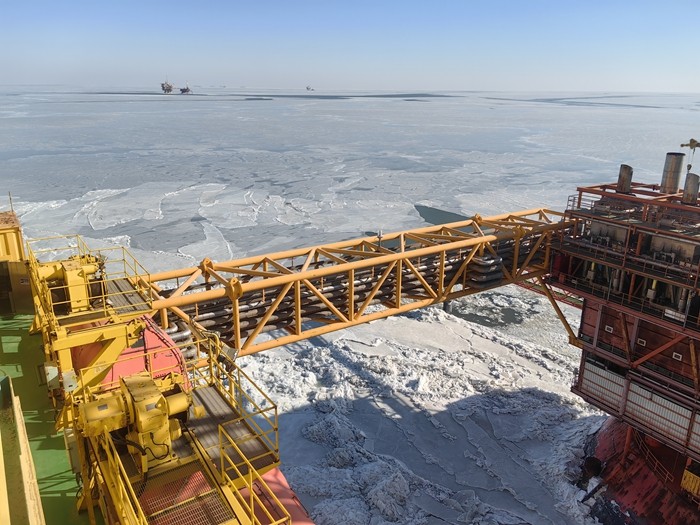
Core Viewpoint - The article highlights the challenges faced by China National Offshore Oil Corporation (CNOOC) in the Bohai Sea due to extreme cold weather, emphasizing the company's proactive measures to ensure stable oil and gas production during harsh conditions [1]. Group 1: Weather Impact - The Bohai Sea region has experienced a severe cold wave since mid-January, with temperatures dropping to -23°C and ice thickness exceeding 20 centimeters [1]. - The extreme weather conditions pose significant challenges to oil production operations in the region [1]. Group 2: Operational Response - CNOOC's Tianjin company has established a "frost prevention and production maintenance" task force, with personnel on duty 24 hours a day to ensure continuous production [1]. - The company employs a core strategy of "pre-warning, dynamic response, and on-site command" to enhance the precision and timeliness of ice prevention operations [1]. - A multi-dimensional monitoring system is utilized to analyze meteorological and sea ice forecast data, aiding in the assessment of ice formation, drift, and accumulation trends [1]. Group 3: Safety Measures - Traditional ice prevention and removal measures have been implemented, including a comprehensive inspection of production systems to identify frost hazards in critical areas such as pipelines and valves [1]. - To address the challenges of heavy oil transportation, a dual protection approach using "electric heating cables and insulation materials" has been adopted to ensure the flow of crude oil remains uninterrupted in severe cold [1]. - The company has also increased its emergency material reserves, ensuring adequate supplies of insulation materials and electric heating devices for unexpected situations [1].

中国石化取得顺酐酯化加氢催化剂专利
Sou Hu Cai Jing· 2026-02-08 14:48
Core Insights - China Petroleum & Chemical Corporation (Sinopec) has obtained a patent for a "hydrogenation catalyst for maleic anhydride esterification and its preparation method and application," with the authorization announcement number CN118513039B, applied on February 2023 [1] Company Overview - China Petroleum & Chemical Corporation, established in 2000 and located in Beijing, primarily engages in oil and gas extraction, with a registered capital of 12,173,968.9893 million RMB [1] - The company has invested in 269 enterprises, participated in 5,000 bidding projects, holds 45 trademark registrations, and possesses 5,000 patent records, along with 41 administrative licenses [1] Research Institute Overview - Sinopec (Dalian) Petrochemical Research Institute Co., Ltd., established in 2022 and located in Dalian, focuses on professional technical services, with a registered capital of 338,459.08 million RMB [1] - The research institute has invested in 1 enterprise, participated in 3,012 bidding projects, holds 5,000 patent records, and has 65 administrative licenses [1]

中国石化取得氧化铝载体及其制备方法和应用专利
Sou Hu Cai Jing· 2026-02-07 22:21
Group 1 - The State Intellectual Property Office of China has granted a patent to China Petroleum & Chemical Corporation for "an alumina carrier and its preparation method and application," with authorization announcement number CN118831579B, applied on April 2023 [1] - China Petroleum & Chemical Corporation, established in 2000 and located in Beijing, primarily engages in oil and gas extraction, with a registered capital of 12,173,968.9893 million RMB [1] - The company has invested in 269 enterprises, participated in 5,000 bidding projects, holds 45 trademark registrations, and has 5,000 patent records, along with 41 administrative licenses [1] Group 2 - Sinopec (Dalian) Petroleum and Chemical Research Institute Co., Ltd., established in 2022 and located in Dalian, focuses on professional technical services, with a registered capital of 338,459.08 million RMB [1] - This subsidiary has invested in 1 enterprise, participated in 3,012 bidding projects, holds 5,000 patent records, and has 65 administrative licenses [1]
2019年-2025年全年全国石油和天然气开采业累计产能利用率统计分析
Chan Ye Xin Xi Wang· 2026-02-07 05:36
2019年-2025年全年全国石油和天然气开采业累计产能利用率统计图 数据来源:国家统计局 相关报告:智研咨询发布的《2026-2032年中国石油石化行业市场现状调查及投资前景研判报告》 2025年第四季度,全国石油和天然气开采业单季度产能利用率为90.9%,单季度比上年同期下降0.9个百 分点;2025年全年,全国石油和天然气开采业累计产能利用率为91.4%,累计比上年同期下降0个百分 点。 2019Q4-2025Q4全国石油和天然气开采业单季度产能利用率统计图 数据来源:国家统计局 ...
