
Autonomous Vehicles

Search documents
Google faces loss of Chrome as Perplexity bid adds drama to looming breakup decision
CNBC· 2025-08-13 21:18
Core Viewpoint - Perplexity AI's bid to acquire Google's Chrome browser for $34.5 billion signifies a pivotal moment for Google, especially as it approaches the 20th anniversary of its IPO, amidst ongoing antitrust scrutiny and potential divestiture requirements [1][2]. Group 1: Antitrust Context - The bid by Perplexity AI is the first public attempt to acquire a significant part of Google, coinciding with a judge's decision on whether Google must undertake major divestiture due to its monopoly in the search market [2][3]. - The U.S. Department of Justice (DOJ) has indicated a potential breakup of Google as a remedy for antitrust violations, specifically calling for the divestiture of Chrome to foster competition [3][4]. Group 2: Financial Implications - Investors are closely monitoring the situation as the remedies decision is expected soon, with Alphabet investing heavily in AI infrastructure while facing challenges from AI alternatives to traditional search [5]. - Analysts have begun to estimate the values of Alphabet's various businesses in light of potential drastic measures, with some suggesting a breakup could benefit shareholders [9]. Group 3: Valuation of Key Assets - Analysts value Chrome at approximately $50 billion, based on its user base and revenue share agreements, despite Perplexity's offer being lower than this estimate [12][13]. - Google's cloud business, a key growth area, is valued between $549 billion and $682 billion, with significant profitability achieved in 2023 and a backlog of $106 billion in future committed revenue [18][20]. - YouTube's valuation ranges from $271 billion to $550 billion, with ad revenue increasing by 13% to $9.8 billion in Q2, contributing significantly to Google's overall ad sales [22][23][25]. - Waymo, Alphabet's self-driving car unit, has a valuation estimated between $45 billion and $300 billion, with significant growth potential in the autonomous ride-hailing market [30][31].



Pony AI: A High-Risk, High-Reward AV Start-Up
Seeking Alpha· 2025-08-13 13:52
Core Insights - Pony AI Inc. is a China-based autonomous vehicle technology company experiencing significant operational and financial growth [1] - The company has initiated a robotaxi service and has obtained commercial licenses for its operations [1] Company Overview - Pony AI is focused on developing autonomous vehicle technology [1] - The company is actively expanding its services in the autonomous vehicle sector [1] Market Position - The launch of the robotaxi service indicates Pony AI's commitment to advancing its market presence [1] - Obtaining commercial licenses is a critical step for the company to operate legally and expand its service offerings [1]

小马智行_第七代大规模生产以支持 Robotaxi 车队扩容;2025 年第二季度通用汽车表现好于预期;买入-Pony AI Inc. (PONY)_ Gen-7 mass production to support Robotaxi fleet ramp up; 2Q GM better-than-expected; Buy
2025-08-13 02:16
Summary of Pony AI Inc. (PONY) Conference Call Company Overview - **Company**: Pony AI Inc. (PONY) - **Industry**: Autonomous Vehicle Technology, specifically focusing on Robotaxi services Key Financial Highlights - **2Q25 Revenues**: Increased by 76% YoY to US$21 million, with a 53% increase QoQ [1] - **Robotaxi Fare-Charging Revenues**: Up 300% YoY, driven by the ramp-up of the Robotaxi fleet [1] - **Gross Margin (GM)**: Improved to 16.1% from -0.3% in 2Q24, attributed to a mix upgrade and better unit economics [1][10] - **Operating Loss**: Reported at US$61 million, in line with estimates of US$58 million [1] - **Production of Gen-7 Robotaxis**: Over 200 units produced, with a target of 1,000 units by the end of 2025 [1][4] Operational Developments - **Driverless Commercial Robotaxi Services**: Permits received for operations in Shanghai, with services starting in four cities [1] - **Cost Efficiency**: Lower Bill of Materials (BOM) costs and reduced remote assistance costs are expected to enhance profitability [4] Revenue Breakdown - **Robotaxi Revenues**: Increased by 158% YoY to US$1.5 million, supported by strong fare-charging growth [5] - **Licensing and Applications Revenues**: Rose by 902% YoY to US$10.4 million, driven by new orders and deliveries [10] Earnings Forecast and Valuation - **Earnings Revision**: Opex ratio revised up by 6.2 percentage points for 2025E, reflecting higher R&D and fleet deployment expenses [8] - **Target Price**: Revised to US$24.5 from US$26.0, based on a discounted EV/EBITDA method with a 13.5x multiple for 2031E [12][15] - **Market Capitalization**: Approximately US$5.2 billion [15] Risks and Challenges - **Key Risks**: Include regulatory challenges, supply chain issues, market growth for Robotaxis, personal information concerns, infrastructure limitations, pricing competition, and product liability [13] Conclusion - **Investment Recommendation**: Maintain a "Buy" rating based on the positive outlook for the Robotaxi fleet ramp-up and improving unit economics [1][15]
Why Investors Slammed the Brakes on Pony AI Stock Today
The Motley Fool· 2025-08-12 22:08
Core Insights - Pony AI's second-quarter earnings report met high expectations but resulted in a nearly 4% decline in stock price due to solid yet unimpressive performance [1] Financial Performance - Revenue increased by 76% year over year to just under $21.5 million, primarily driven by a more than tenfold rise in licensing and applications revenue, which reached $10.4 million compared to slightly over $1 million in the same quarter of 2024 [2] - Net loss widened to slightly over $46 million ($0.13 per share) on a non-GAAP basis, compared to a deficit of $30 million in the previous year [3] Operational Updates - Since the launch of mass production of robotaxis two months ago, over 200 Gen-7 models equipped with Pony AI technology have been produced, keeping the company on track to meet its target of 1,000 units by the end of the year [4]

Pony Ai(PONY) - 2025 Q2 - Earnings Call Transcript
2025-08-12 13:00
Financial Data and Key Metrics Changes - Total revenues for Q2 reached $21.5 million, a 76% year-over-year increase, driven by strong growth in robotaxi services and licensing applications [38][39] - Robotaxi service revenues grew by 158% year-over-year, with fare charging revenues expanding by over 300% [38][39] - Gross margin improved to 16.1%, with gross profit of $3.5 million [40] - Net loss for Q2 was $53.3 million, up from $30.9 million in the same period last year [43] Business Line Data and Key Metrics Changes - Robotaxi service revenues reached $1.5 million, reflecting a 158% year-over-year growth [38] - Licensing and application revenues surged by 902% year-over-year to $10.4 million [39] - Global truck services revenue decreased by 10% year-over-year to $9.5 million [39] Market Data and Key Metrics Changes - Registered users surged by 136% year-over-year in Q2, indicating strong user adoption [8][16] - The company operates across 2,000 square kilometers in Tier one cities in China, significantly larger than the size of San Francisco [55] Company Strategy and Development Direction - The company aims for mass production of over 1,000 Gen seven robotaxis by year-end 2025, with over 200 already produced [7][48] - A strategic partnership with Hehu Group aims to deploy over 1,000 robotaxis in Shenzhen [15] - The focus is on scaling up operations and enhancing user experience through improved service efficiency and user engagement [15][56] Management's Comments on Operating Environment and Future Outlook - Management expressed confidence in achieving positive unit economics for Gen seven vehicles, supported by reduced bond costs and improved operational efficiencies [51] - The company is well-positioned for large-scale commercialization, with a solid plan and execution strategy in place [22][44] Other Important Information - The company has secured Shanghai's first fully driverless commercial license and expanded its presence in international markets such as Dubai, Seoul, and Luxembourg [8][19] - The operational environment includes extreme weather conditions, validating the safety and reliability of the vehicles [11][33] Q&A Session Summary Question: Production plan throughout 2025 - Management confirmed they are on track to exceed the 1,000 robotaxi fleet size target by year-end, with over 200 vehicles already produced [47][48] Question: Key drivers behind robotaxi revenue growth - Robotaxi service revenue growth was attributed to expanding user adoption, demand in Tier one cities, and an increased fleet of robotaxis [53][54] Question: Impact of government comments on L4 robotaxi industry - Recent comments clarified the distinction between L2 and L4 systems, which is beneficial for the company as it reinforces the safety standards required for L4 autonomous driving [58][60] Question: Key technical requirements for new market expansion - The company highlighted the importance of handling corner cases and extreme scenarios, with a robust software system enabling rapid adaptation to new environments [64][66] Question: Timetable for potential Hong Kong IPO - Management refrained from commenting on market speculation but emphasized a focus on executing their go-to-market strategy while exploring capital market opportunities [70][72] Question: Future plans for overseas market expansion - The company is focused on markets with strong mobility demand and supportive regulatory environments, with ongoing operations in Dubai, South Korea, and Luxembourg [74][78]
小马智行Robotaxi车辆总数突破500台:Q2获BG等至少14家长线基金增持
IPO早知道· 2025-08-12 12:23
Core Viewpoint - The commercialization progress and technological barriers of Robotaxi are highly regarded by investment institutions, indicating strong long-term potential for companies like Pony.ai [3][4][20]. Financial Performance - Pony.ai reported a total revenue of 154 million RMB (21.5 million USD) for Q2, representing a year-on-year growth of 75.9% and a quarter-on-quarter growth of 53.5% [4]. - The passenger fare revenue from Robotaxi increased more than threefold year-on-year, with the total number of Robotaxi vehicles exceeding 500 and expected to surpass 1,000 by the end of the year [4][9]. Market Position and Growth - Pony.ai has received significant increases in holdings from at least 14 international long-term funds, including Baillie Gifford and Nikko Asset Management, reflecting confidence in its Robotaxi commercialization and technological barriers [4][20]. - The company is the only one in China providing fully autonomous Robotaxi services in major cities like Beijing, Shanghai, Guangzhou, and Shenzhen, covering over 2,000 square kilometers [9]. Technological Advancements - The seventh-generation Robotaxi production plan is progressing smoothly, with over 200 vehicles produced in two months, and extensive testing completed [5][8]. - The seventh-generation autonomous driving system is designed for L4 level capabilities, utilizing automotive-grade components, which has led to a 70% reduction in production material costs compared to the previous generation [17]. User Growth and Engagement - The number of registered Robotaxi users increased by 136% year-on-year, with enhanced user engagement and operational efficiency [11]. - Pony.ai has expanded its 24-hour Robotaxi services in cities like Guangzhou and Shenzhen, catering to late-night travel demands [11]. Global Expansion - Pony.ai is actively pursuing global expansion, with plans for Robotaxi testing in Dubai, Luxembourg, and South Korea, aiming for commercial operations by 2026 [13]. - The company has established partnerships with various ride-hailing and taxi platforms, significantly enhancing its market presence [19]. Economic Model and Profitability - The unit economic model for Robotaxi has shown significant improvement, with a focus on optimizing operational ratios and reducing insurance costs [14]. - Analysts predict that leading Robotaxi companies could achieve breakeven on a per-vehicle basis by 2026, driven by cost reductions and improved operational efficiency [15]. Investment Potential - Pony.ai's stock has gained attention from long-term investors, with a notable increase in holdings from major investment firms, indicating a potential for significant valuation re-rating [20][21]. - The market for Robotaxi in China is expected to grow rapidly, with estimates suggesting a multi-billion dollar market opportunity, similar to the early stages of the electric vehicle market [7].
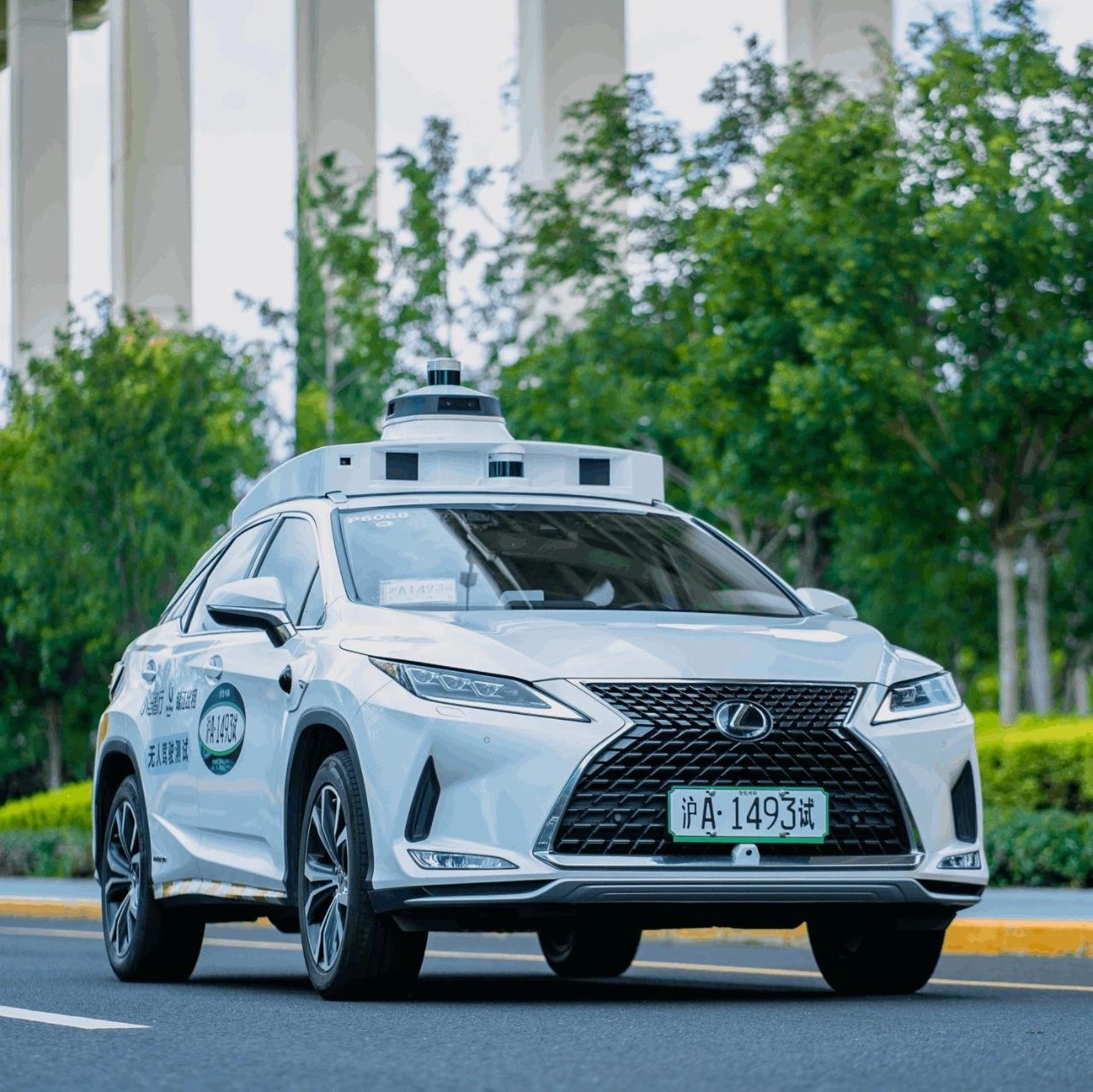
小马智行二季度营收1.54 亿元人民币 同比增长 75.9%
Sou Hu Cai Jing· 2025-08-12 09:53
DoNews8月12日消息,8 月 12 日,自动驾驶公司小马智行(NASDAQ: PONY)披露未经审计的 2025 年第二季度财报,业绩涨势强劲,Robotaxi 商业化加速。小马智行 Robotaxi 车辆总数已突破 500 台, 预期年底超 1000 台;公司二季度总营收达 1.54 亿元人民币(2150 万美元),同比增长 75.9%,环比增 长 53.5%,其中 Robotaxi 乘客车费收入同比激增超 3 倍。截至二季度末,现金等价物及长短理财投资为 53.56 亿元人民币(7.48 亿美元)。 小马智行加速 Robotaxi 业务商业化和量产落地进程,Robotaxi 收入在二季度翻倍增长,带动公司整体 营收持续上涨。小马智行创始人、CEO 彭军表示,非常有信心在 2025 年底实现千台 Robotaxi 目标。 公司自 6 月起与北汽、广汽的合作启动第七代 Robotaxi 量产,已完成产能爬坡并进入稳态生产,在两 个月内生产超 200 台 Robotaxi 车辆。此前,小马智行宣布第七代 Robotaxi 采用 100% 车规级零部件, 自动驾驶套件成本较前代大幅下降 70%,拥有 10 ...
PONY AI Inc. Accelerates Gen-7 Robotaxi Production with over 200 Newly Produced, On Track to Scale Up 1,000-Vehicle Fleet by Year End
Globenewswire· 2025-08-12 09:00
Kicking off Robotaxi Scaling-up, a Strong Validation of our Scalable Fully-Driverless Advantage NEW YORK, Aug. 12, 2025 (GLOBE NEWSWIRE) -- Pony AI Inc. ("Pony.ai" or the "Company") (Nasdaq: PONY), a global leader in achieving large-scale commercialization of autonomous mobility, today announced its unaudited financial results for the second quarter ended June 30, 2025. Dr. James Peng, Chairman and Chief Executive Officer of Pony.ai, commented, "This quarter marked a significant milestone in our journey tow ...

Neural Reconstruction for Robotics and Autonomous Vehicles
NVIDIA· 2025-08-12 02:07
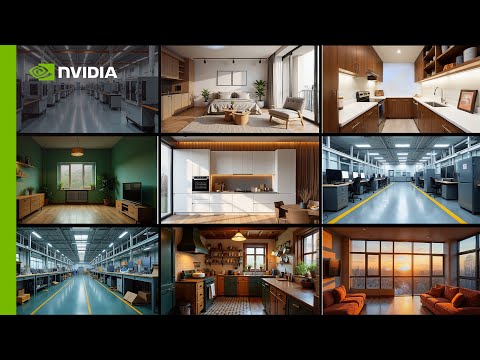
Physical AI & Simulation Advancements - Physical AI is transforming movement across various sectors [1][2] - Simulation is a key driver of advancements in physical AI [1] - Real-world data is converted into Gaussian-based 3D scenes for autonomous vehicle testing [1] - Omniverse neural reconstruction or Newrec converts video into photorealistic digital environments [1] Newrec & Generative AI Capabilities - Newrec enables rapid, high-fidelity real-time rendering of simulations [3] - Physics capabilities in Newrec bring realistic interaction to 3D Gaussian scenes [3] - Generative AI uses visual properties in simulations to add diversity and scale scenes [3] - Newrec and Cosmos can generate 3D simulation environments from text prompts [4] Applications & Future - Neural reconstruction is advancing physical AI [4] - Newrec and Cosmos refine testing and validation for next-generation robotics [4]
Aurora Innovation (AUR) FY Conference Transcript
2025-08-11 15:47
Summary of Aurora Innovations Conference Call Company Overview - **Company**: Aurora Innovations - **Industry**: Autonomous Vehicle Technology, specifically focusing on driverless trucking - **Key Personnel**: David Maday, CFO Core Points and Arguments 1. **Driverless Operations**: Aurora is currently operating driverless trucks on public roads, specifically between Dallas and Houston, marking a significant milestone in the industry [4][5][6] 2. **Market Opportunity**: The trucking market is valued at over a trillion dollars, presenting a substantial opportunity for Aurora to unlock value through self-driving technology [25][26] 3. **Partnership Ecosystem**: Aurora has established a unique partnership ecosystem with both OEMs and supply chain partners, positioning itself for scalable commercialization [6][40] 4. **Financial Position**: The company has sufficient liquidity, estimated to last until 2027, allowing for continued operations and development [6][73] 5. **Technology Development**: Aurora employs a "crawl, walk, run" approach to technology deployment, focusing on expanding operational capabilities, including nighttime driving and adverse weather conditions [7][8][34] 6. **Verifiable AI**: The company utilizes a proprietary AI system termed "verifiable AI," which enhances safety and regulatory compliance by avoiding risks associated with traditional AI models [18][19][45] 7. **Simulation Technology**: Investments in simulation technology are crucial for rapid development and validation of the autonomous driving system [22][53] 8. **Safety Standards**: Aurora emphasizes a comprehensive safety case framework, which includes over 10,000 requirements and 2.7 million tests to ensure safety before deploying driverless technology [58][60] Additional Important Insights 1. **Market Dynamics**: The trucking industry faces challenges such as an aging workforce and driver shortages, which Aurora aims to address with its technology [27][28] 2. **Revenue Model**: The company is transitioning to a "driver as a service" model, which will enhance revenue generation as the technology matures [79] 3. **Future Growth**: Aurora plans to introduce a second-generation hardware kit in 2026, which will enable scaling to hundreds or thousands of kits, followed by a third-generation kit for mass production [64][66][68] 4. **Customer Engagement**: The company aims to build strong relationships with early adopters and ensure that its technology integrates seamlessly into existing customer operations [80][81] 5. **Transparency**: Aurora is committed to being transparent about its operations and technology, exemplified by the launch of "Aurora Driver Live," which allows the public to view real-time operations of its trucks [12][85] This summary encapsulates the key points discussed during the conference call, highlighting Aurora Innovations' strategic positioning, technological advancements, and market opportunities in the autonomous trucking sector.
