城市轨道交通

Search documents
壹探轨道|济南地铁4号线平均站距1.26公里,可载2590人
Qi Lu Wan Bao· 2025-09-28 13:31
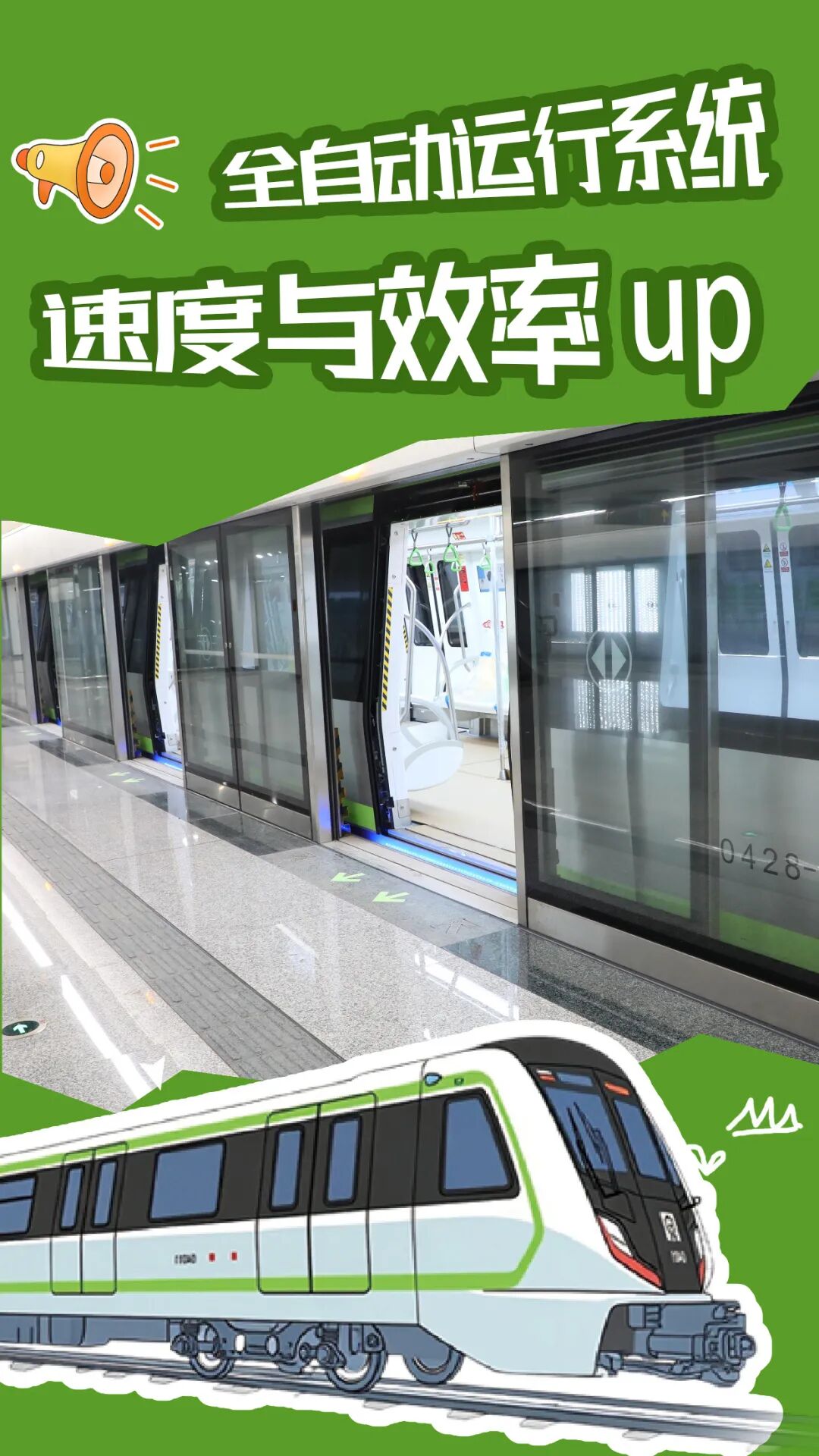
Core Insights - The Jinan Metro Line 4 is a significant transportation project that is expected to enhance urban mobility and meet the commuting needs of citizens [1][6] - The line spans 40.3 kilometers with 33 stations, designed to facilitate short-distance travel for approximately 60% of passengers [1][6] Group 1: Project Overview - Line 4 is designed according to national standards and aligns with major cities like Beijing and Shanghai in terms of station spacing [1] - The line is projected to cater to various travel needs, including commuting, shopping, and medical visits, with nearly 60% of passengers traveling less than 10 kilometers [1][6] Group 2: Technological Features - The line employs a fully automated operation system that enhances operational efficiency by optimizing speed control and reducing human error [4] - It features A-type trains with a length of approximately 140 meters and a width of 3 meters, accommodating a maximum capacity of 2,590 passengers [4] Group 3: Passenger Experience - The design of the trains allows for a more spacious environment, improving the overall commuting experience, especially during peak hours [4] - The project emphasizes a commitment to creating a more intelligent, comfortable, and user-friendly urban transportation experience for citizens [6]

买“旅游3日票”72小时内无限次乘坐,武汉地铁公布国庆中秋假期行车方案
Chang Jiang Ri Bao· 2025-09-28 01:27
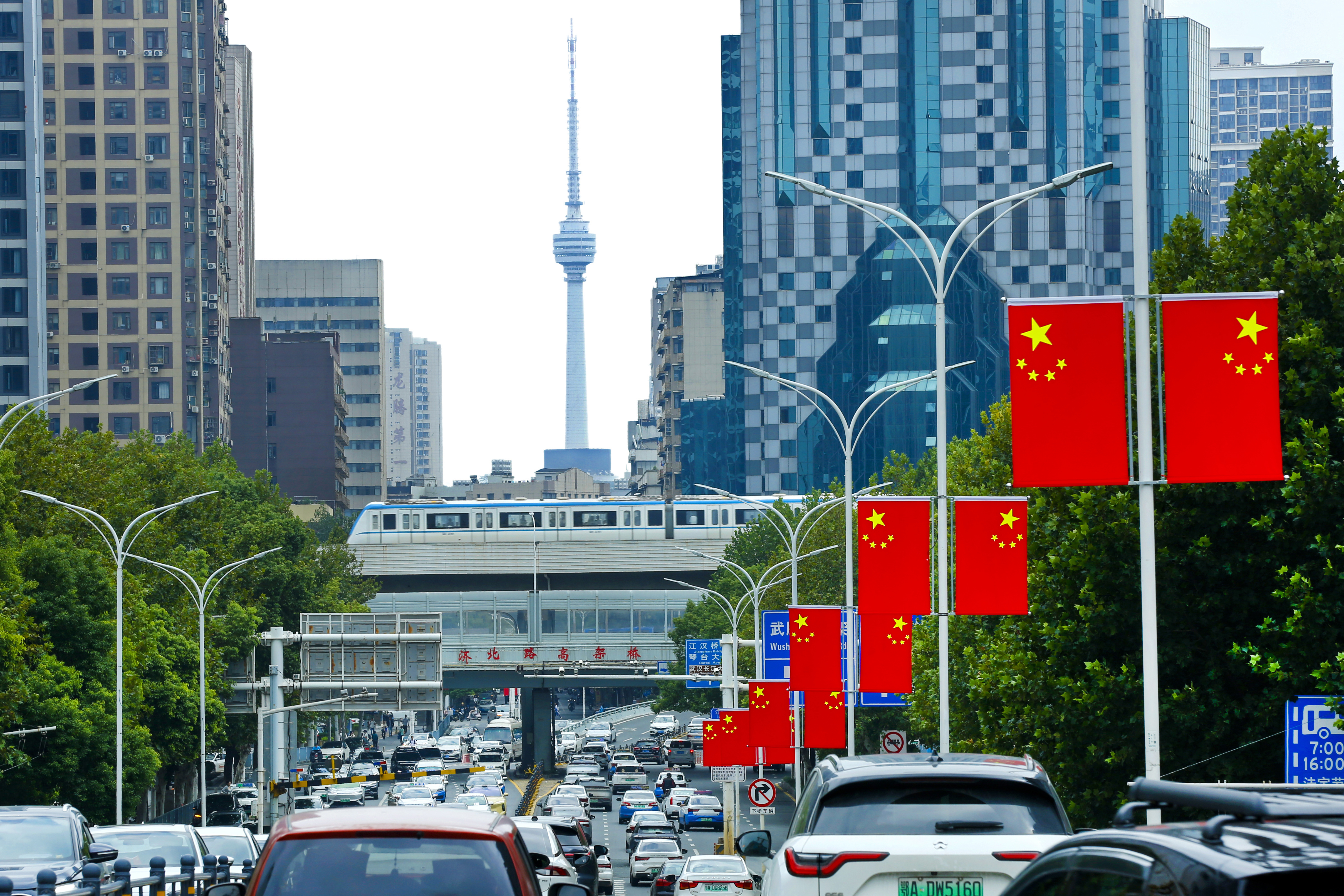
武汉地铁1号线列车从城市空中驶过,街头升挂的一面面国旗令国庆氛围浓厚 为保障国庆中秋期间地铁运营安全平稳、运力充足,武汉地铁相关专业人员提前对运营设备设施进行了全面维护和检查,备足应急抢 修物资及客流疏导备用件。节日期间,将加强行车重点设备的人员值守,强化重点车站的人力保障;加强全时段客流监测,如遇突发大客 流,将及时启动相应预案,灵活投放备用列车。 武汉地铁"旅游3日票",10月1日起正式发售 国庆准备来武汉旅游的朋友们注意啦!庆国庆、过中秋、游江城,为满足不同群体出行需求,武汉地铁设计推出"旅游3日票",并将于 10月1日起正式发售。该票卡免押金、卡片不回收,乘客可到指定车站购买,在线网任一车站客服中心激活,激活后72小时内无限次乘坐 今年国庆中秋双节合并放假8天,预计探亲访友、游园逛景、大型活动等因素叠加,国庆中秋期间地铁线网客流呈现部分站点客流增 大、首尾时段较为集中的特点。为满足乘客和市民出行需求,武汉地铁定制国庆中秋专项行车保障方案。具体如下: 10月1日假期第一天,地铁线网提前半小时于6:00开班;10月2日至10月8日,地铁线网6:30开班;9月28日、10月11日调休上班,地 铁线网6:00 ...
天津首个停车场无人机平台投用
Zhong Guo Xin Wen Wang· 2025-09-26 10:35
天津首个停车场无人机平台投用 中新网天津9月26日电 (记者 周亚强)记者从天津轨道交通集团获悉,该集团打造的地铁北站停车场及附 属地块无人机巡检示范物业项目近日正式投用。作为天津首个停车场无人机平台,该项目实现了巡检模 式从"被动响应"向"主动管理"的智慧化升级。 据介绍,项目创新开拓"轨道交通+低空经济+人工智能"应用场景,打造"无人机+飞控平台+AI算法"的 智能化巡检模式,有效提升了巡检效率,降低了运维成本,进一步优化了物业服务质量。 "无人机飞行高度约65米,可弥补人工巡检的视觉盲区。"天津轨道交通集团所属产发集团产业管理部部 长徐志超介绍说,在巡检过程中,无人机可对地铁附属设施及周边环境进行巡查,搭配热成像相机和近 红外补光灯,避免了光线不足的影响。同时,无人机航线可进行2D、3D切换,通过将"空中摄像头"升 级为"智能诊断终端",大幅提升了无人机巡检的效率与精准度。 天津北站地铁站是3号线和6号线的换乘站,附近停车场日均车流量超过500辆。目前,地铁北站停车场 采用"人机协同"管理模式,物业人员借助显示终端即可实时掌握停车场全域动态。无人机单次飞行约20 分钟,即可完成对整个停车场及附属地块的全 ...
苏州地铁国庆中秋假期延长运营服务时间
Yang Zi Wan Bao Wang· 2025-09-26 09:31
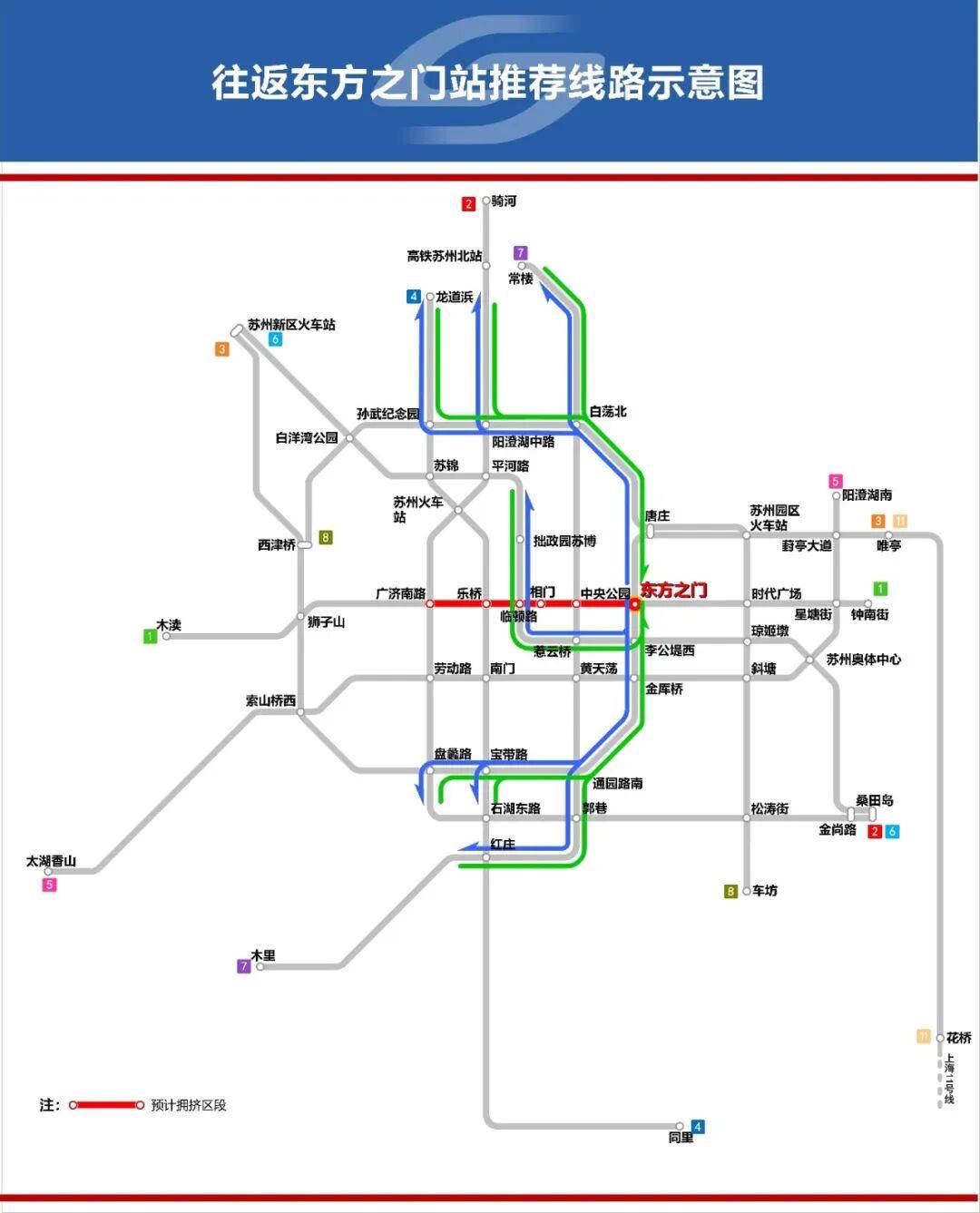
Core Points - Suzhou Metro will adjust its operation schedule during the National Day and Mid-Autumn Festival holidays to ensure safe and convenient travel for citizens and tourists [1][2] - The last train service will be extended, and peak hour intervals will be shortened across various lines [1] Schedule Adjustments - On September 30, the operation time will be extended by approximately 45 minutes compared to regular weekdays, with peak intervals for Line 1 reduced from 4 minutes to 3 minutes and 30 seconds between 20:00 and 22:00 [1] - From October 1 to 6, the operation time will be extended by about 75 minutes, with peak intervals as follows: - Line 1: 2 minutes and 35 seconds (October 1-4), 3 minutes (October 5-6) - Line 2: 4 minutes - Line 4: 4 minutes - Line 5: 5 minutes and 30 seconds - Line 6: 5 minutes and 15 seconds - Line 7: 7 minutes - Line 8: 6 minutes - Lines 3 and 11: 4-6 minutes [1] - On October 7 and 8, the operation time will again be extended by about 45 minutes, with peak intervals as follows: - Line 1: 4 minutes - Line 2: 5 minutes and 20 seconds - Line 4: 5 minutes and 15 seconds - Line 5: 5 minutes and 30 seconds - Lines 6 and 8: 6 minutes - Line 7: 7 minutes - Lines 3 and 11: 4-6 minutes [1] Expected Passenger Flow - High passenger flow is anticipated at stations such as Dongfangzhimen, Zhuozhengyuan Suzhou Museum, Xiangmen, Shantang Street, and Suzhou Railway Station during the holiday period, prompting measures like additional trains, skipping stops, and station entrance control [2] - Significant transfer traffic is expected at Guanjinan Road, Leqiao, and Lindun Road stations from 13:00 to 19:00, with severe crowding on Line 1 towards Dongfangzhimen [2] - From 19:00 to 22:00, severe crowding is also expected on Line 1 from Dongfangzhimen towards Mudu, with recommendations to transfer to Lines 3 or 8 [2] Weather Considerations - In case of adverse weather during the holidays, some lines may adjust their intervals based on travel demand, and passengers are advised to stay updated through official channels [5]
青岛地铁发布“AI+”战略
Qi Lu Wan Bao· 2025-09-25 22:25
"青岛地铁将全面推进AI科技创新、产业发展与赋能应用,力争2027年实现新一代智能终端与智能体赋能 90%以上的业务场景应用,2030年,基本实现轨道、低空人工智能100%场景赋能。"9月18日,在2025中国国 际城市轨道交通展览会暨CAMET论坛(MetroTrans2025)上,青岛地铁党委书记、董事长张君说。作为本 次展会特邀协办单位,青岛地铁集团不仅牵头承办N5馆(人工智能暨绿智融合展区)及AI论坛,更在展会期 间重磅发布《"人工智能+"三年行动方案》,正式启动"人工智能+"深度赋能行动。这一方案的发布,标志 着青岛地铁在城轨智慧化转型中迈出关键一步,也为全国城市轨道交通行业提供了可复制、可推广的"青 岛样板"。 记者赵波实习生孙雨彤青岛报道 通讯员冷雪张鹤鸣 行动启动: "人工智能+"方案锚定2027年目标 9月18日,在2025中国国际城市轨道交通展览会暨CAMET论坛上,青岛地铁集团党委书记、董事长张君发 表《AI赋能创新驱动迈向城轨高质量发展新阶段》主题演讲,系统介绍了青岛地铁在科技领域的创新实 践,展现了以人工智能推动行业转型升级的坚定步伐与显著成效。"人工智能+"已成为国家重要发展方 向 ...
绍兴通报地铁深夜撞人事件:致3死1伤
券商中国· 2025-09-25 15:20
Core Viewpoint - The article discusses a tragic accident involving the Shaoxing Metro Line 2, where four cleaning staff were struck by a returning electric passenger train, resulting in three fatalities and one injury. The company expresses deep sorrow and outlines immediate actions taken in response to the incident [1][2]. Group 1: Incident Details - The accident occurred on September 13, 2025, at 23:40, during non-operational hours when four cleaning personnel crossed the tracks and were hit by a train [1]. - Three of the cleaning staff died despite emergency medical treatment, while one individual is recovering from injuries [1]. Group 2: Company Response - Following the incident, the company promptly initiated medical assistance and support for the victims' families, completing the necessary arrangements by September 17 [2]. - The company expressed profound condolences to the victims and their families, emphasizing a commitment to safety and operational integrity [2]. Group 3: Safety Measures - The company has launched a comprehensive safety inspection and rectification initiative, including safety education for all employees and revisions to safety protocols [2]. - Preliminary investigations indicate that the accident was caused by cleaning staff not adhering to designated pathways, highlighting deficiencies in safety management practices [2].

福州地铁集团发行5亿元碳中和绿色公司债券 中信证券、兴业证券担任主承销商
Zhong Guo Zheng Quan Bao· 2025-09-25 14:01
Group 1 - Fuzhou Metro Group issued a carbon-neutral green corporate bond with a scale of 500 million yuan and a 10-year term, rated AAA with a coupon rate of 2.50% [1] - The bond is the first 10-year carbon-neutral green corporate bond issued in the exchange market since 2025, with proceeds used to repay interest-bearing debts related to various metro line projects and to supplement working capital for carbon-neutral projects [1] - The urban rail transit projects associated with the bond are expected to reduce carbon dioxide emissions by 54,509.41 tons, save energy equivalent to 25,372.43 tons of standard coal, and reduce nitrogen oxides by 69.99 tons and particulate matter (PM10) by 1.32 tons annually, demonstrating significant environmental benefits [1] Group 2 - Fuzhou Metro Group is a key state-owned enterprise responsible for the investment, planning, construction, operation, and management of metro projects in Fuzhou, as well as the development of underground space resources [2] - The company aims to provide a safer, more efficient, and greener travel experience for citizens and visitors, while continuing to implement the national "dual carbon" strategy [2] - Fuzhou Metro Group is committed to a diversified strategy of "rail transit +" and focuses on building, operating, and managing a modern urban rail transit network [2]

壹探轨道|9月26日起,坐济南地铁2号线能直达济南站了
Qi Lu Wan Bao· 2025-09-25 11:37
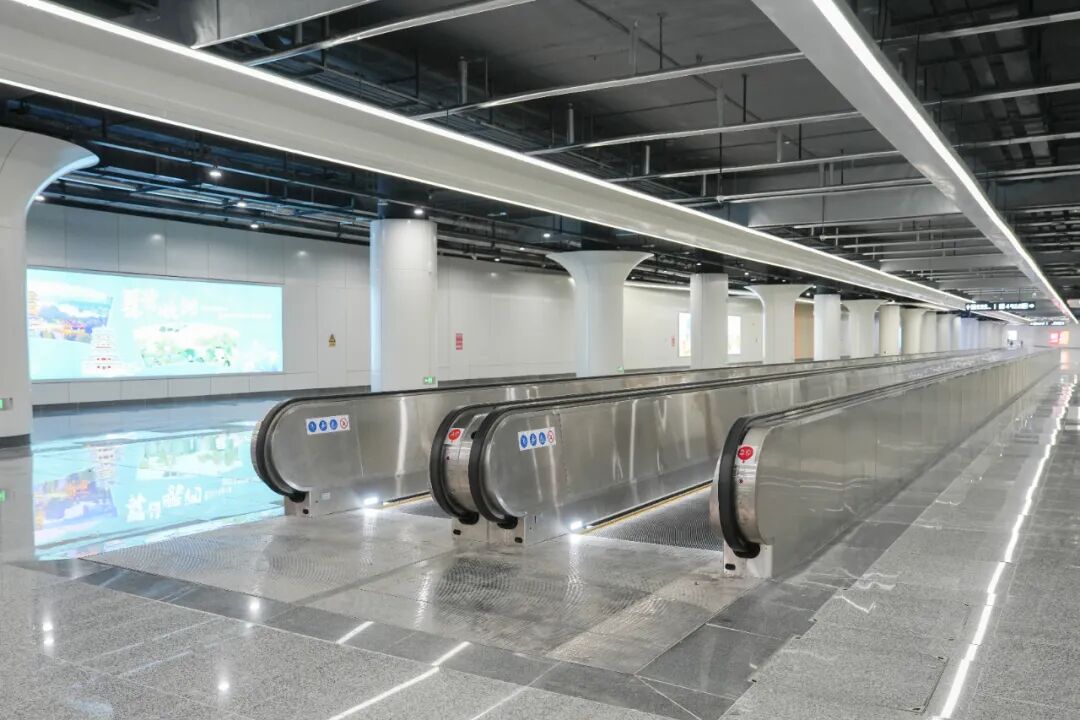
今天,记者从济南轨道交通集团获悉,9月26日,济南地铁2号线连接济南站北广场地下通道启用。该地下通道位于通普街正下方,南起火车站北广场,北 至地铁2号线济南站北站,总长约500米,宽约27米,内部净高6米,空间开阔、通行顺畅,未来将成为地铁与铁路换乘的重要纽带,极大方便市民和旅客 出行。 在设计上,通道整体以春、夏、秋、冬为元素,结合通道出入口,采用不同色调与景致的变化进行处理,通过简洁明快的渐变色,进行分段式设计。细节 上,从济南独具特色的泉水元素出发,线条多以圆润的造型为主,吊顶的"云朵"造型,通过两个"人"字变形的"牵手"形状,表达了对旅客朋友的欢迎、迎 接之意。 启用后,通道不仅实现了高铁与地铁的"无缝衔接",让乘客的换乘更为便捷高效,还东西向贯通了世茂天城与名泉春晓等社区,进一步联动火车站北广场 周边商业发展,助力激活区域经济活力。 此外,通道两侧还设有便民服务设施,为过往行人提供一站式生活服务,不仅方便旅客,也惠及周边社区居民,从交通和生活两个维度提升市民生活品 质。 ...
壹探轨道|9月30日至10月8日,济南地铁将延时运营
Qi Lu Wan Bao· 2025-09-25 11:37
Core Points - Jinan Metro will extend its network operation service hours from September 30 to October 8 to meet passenger demand during the holiday period [1] - The metro will optimize train intervals and add standby trains as needed to ensure smooth operations [1] Group 1: Operation Hours - Line 1 will operate from 6:00 to the next day 00:19 towards Pengjiazhuang and until 00:00 towards Wangfuzhuang [5] - Line 3 will run from 6:00 to the next day 00:06 towards Airport South and until 00:00 towards Longdong [5] Group 2: Train Intervals - Train intervals for Line 1 will be adjusted to approximately 10-15 minutes during peak hours [7] - Line 3 will have intervals of 5 minutes during operational hours and 10-15 minutes during off-peak hours [8] Group 3: Holiday Operations - The metro will implement a holiday operation schedule starting from September 30, with adjustments to train arrival times and intervals [10] - Real-time monitoring of passenger flow will be conducted, allowing for flexible measures such as extending stop times and adding standby trains [10]
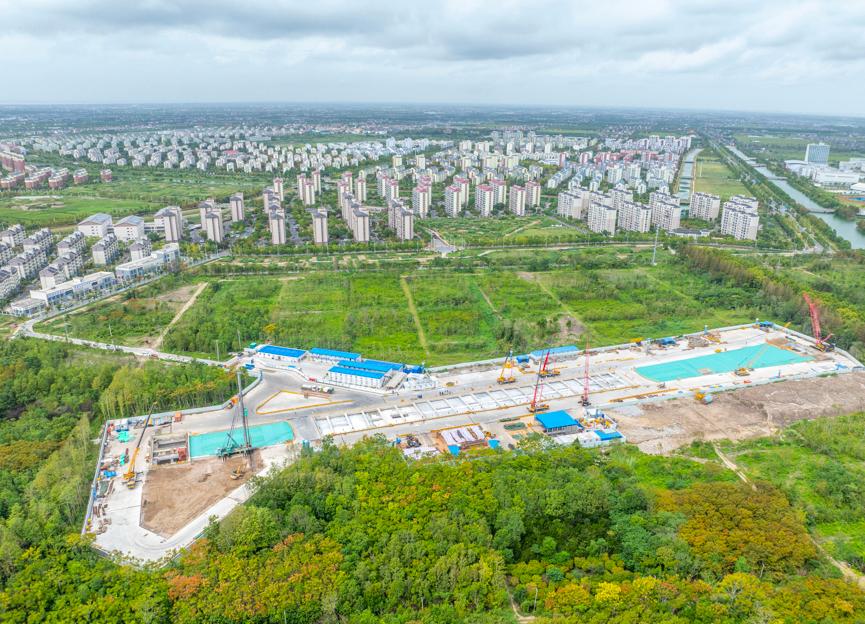
轨交崇明线车站封顶
Jie Fang Ri Bao· 2025-09-25 01:53
Core Points - The Shanghai Metro Line 22 (Chongming Line) has completed the final concrete pouring for the last station roof at Yuyuan Station, marking the completion of the main structure for all stations along the line [2] Group 1 - The completion of the last station roof signifies that the main structure of the entire Chongming Line has been capped [2]