生物基材料

Search documents
又一聚乳酸材料企业完成近亿元融资
DT新材料· 2026-01-13 16:05
Core Viewpoint - The article highlights the successful completion of nearly 100 million RMB in Series B financing by Jinghai Weixiang, a company focused on "AI + synthetic biology + bio-based materials," aiming to establish a green and low-carbon production system in the bio-based materials industry [2][5]. Company Overview - Jinghai Weixiang, established in 2020, is recognized as a national high-tech enterprise and a specialized and innovative enterprise in Shanghai, focusing on a closed-loop innovation model in bio-based materials [2]. - The company has developed a comprehensive industrial chain from non-food biomass to lactic acid, polylactic acid (PLA), products, and rPLA recycling, positioning itself as a benchmark for green transformation and high-quality development in the industry [2][4]. Technological Advancements - The company has achieved several international-leading technologies in the bio-based materials production chain, including breakthroughs in non-food biomass utilization, new-generation industrial strains, gypsum-free lactic acid technology, and rPLA recycling [4]. - The gypsum-free lactic acid technology addresses environmental pollution issues associated with traditional lactic acid production, enabling cleaner and lower-cost production [4]. - The rPLA recycling process allows for the same-level recycling of PLA, effectively reducing production costs and creating a closed-loop lifecycle for PLA products [4]. Product Applications - PLA, the core product of Jinghai Weixiang, is a high-performance biodegradable material with excellent biocompatibility, degradability, and processing capabilities, widely used in various sectors including fast-moving consumer goods, food and beverage, agriculture, 3D printing, textiles, biomedicine, and high-end manufacturing [4]. - The company's integrated production system ensures stable product quality and significant cost advantages, providing comprehensive solutions for bio-based materials [4]. Financing and Growth Strategy - The recent financing will primarily support the expansion of Jinghai Weixiang's large-scale production base, the iterative development of new technologies, and the expansion of market channels [5]. - The company has made significant progress in the industrialization of bio-based materials, with steady increases in production capacity and market share, and this financing will accelerate its growth and solidify its leading position in the industry [5].

生物制造的底层逻辑与产业链分析(附100佳核心企业)
材料汇· 2026-01-13 11:56
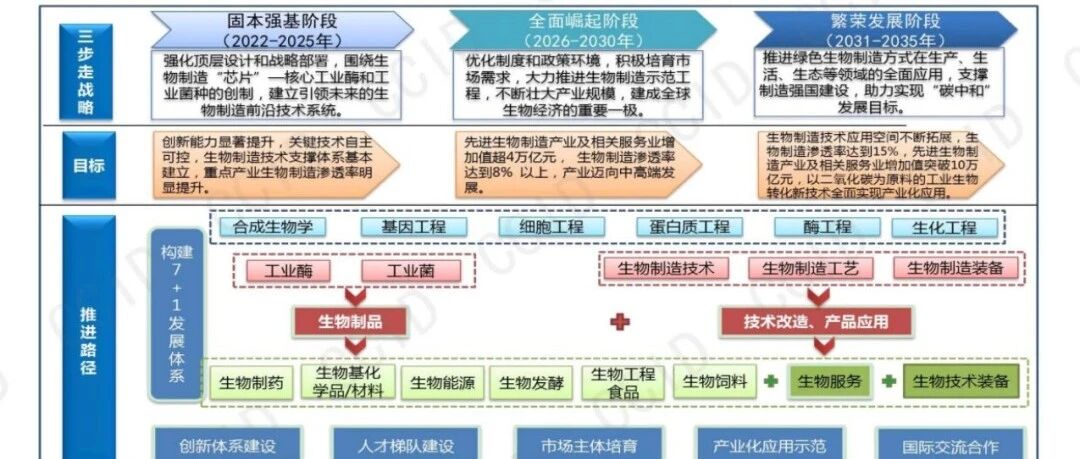
Core Viewpoint - Biomanufacturing is identified as a key future industry in China's 14th Five-Year Plan, expected to create a market worth trillions in the next decade, driven by advancements in technology and policy support [2][5]. Group 1: Industry Overview - The biomanufacturing industry in China is nearing a total scale of 1 trillion yuan, with fermentation capacity accounting for over 70% of the global total [2][4]. - Shenzhen has become a hub for biomanufacturing, with 40% of newly established companies in this sector located there in the past three years, showcasing a significant industry clustering effect [4]. - The industry is supported by a comprehensive system of policy, funding, and technological advancements as outlined in the 14th Five-Year Plan [5]. Group 2: Key Enterprises - The article identifies 100 core enterprises in biomanufacturing, spanning the entire industry chain from upstream technology development to downstream commercial applications [7]. - Notable companies include: - Huada Technology, a leader in gene sequencing technology [17]. - Kaisa Biotech, which has achieved over 80% market share in the global long-chain dicarboxylic acid market [21]. - WuXi Biologics, representing China's capabilities in the global biopharmaceutical industry [27]. Group 3: Upstream Innovations - The upstream sector focuses on providing essential tools and technologies for research and production, with a shift towards domestic innovation and smart integration [16]. - Key trends include the localization of critical tools and the rise of AI-driven platform companies that enhance research efficiency [16][17]. - Over 75% of the 20 identified upstream enterprises are private, indicating a vibrant innovation landscape [16]. Group 4: Midstream Developments - The midstream sector is characterized by a dual structure of "upgraders" and "disruptors," with companies like Meihua Biotech and Chuaning Biotech leading in traditional fermentation while others like Kaisa Biotech innovate with new bioproducts [20][21]. - This segment contains the highest number of enterprises, with 40 out of the 100 identified companies, emphasizing the importance of production capacity and cost control [20]. Group 5: Downstream Applications - The downstream sector serves as a critical market for biomanufacturing, focusing on medical, consumer, and agricultural applications [25]. - Companies like Muyuan Foods exemplify the cost-saving potential of biomanufacturing in agriculture, while WuXi Biologics and Kelaiying represent the pharmaceutical sector's output capabilities [26][27]. - Future trends indicate a broadening of applications into new areas such as biobased textiles and environmental remediation [27].


替代羊毛?从生产啤酒剩下废酵母中开发新型蛋白质纤维
合成生物学与绿色生物制造· 2026-01-13 02:33
使用蛋白质制造纤维的想法并不新鲜,但过去的尝试未能与合成材料竞争。 例如, Lanital 是20世纪30年代从牛奶蛋白中开发的一种材料, 当聚酯出现时,由于强度低而失宠。 最终, 早期的生物纤维(如来自花生和玉米蛋白的纤维)无法克服低性能和高成本的双重挑战,让廉价、坚固的聚酯占据了市场。 在这项新的研究中, 蛋白质从酵母中提取出来,溶解在溶剂中 ,并通过 喷丝头 形成连续纤维,然后纺成纱线。 /DT 生物基纺织鞋服 交流群/ 让专业的人聚在一起, 生物基纤维/纺织印染/品牌终端等产业同行❤️↓ 【SynBioCon】 获 悉,一项新的研究表明,可以用生产啤酒、葡萄酒或药品后剩下的废酵母来制造结实的服装纤维。 酒精和药物生产后剩余的酵母生物质由蛋白质、脂肪和糖等元素组成,通常被归类为副产品或废物。 美国宾夕法尼亚州立大学的研究人员从这种废料 中开发出了一种可持续的蛋白质纤 维 。 据报道,由此产生的纤维比天然纤维更坚固,每公斤的生产成本为6美元或更低(相比之下,羊毛的生产成本为10-12美元)。 有趣的是,它有可能解决世界饥饿和快时尚对环境的影响。 从废酵母中提取出来的 蛋白质纤维 关键词 | 绿色化工和新材 ...

聚焦“AI+合成生物+生物基材料”,这一公司获近亿元B轮融资!
synbio新材料· 2026-01-12 08:11
Core Viewpoint - The article highlights the successful completion of nearly 100 million RMB in Series B financing for Jinghai Weixiang Biotech Co., Ltd., which will enhance the company's technological advancements, production capacity, and market expansion in the biobased materials sector [1][3]. Group 1: Financing and Growth - The Series B financing was exclusively invested by Jiazhih Fund, with Kaicheng Capital serving as the advisor and continuing to assist in subsequent fundraising efforts [1]. - The funds will primarily be used for expanding the production capacity of the company's scale-up production base, iterative research and development of next-generation technologies, and market channel expansion [3]. - The company has achieved significant milestones in the industrialization of biobased materials, with steady increases in production capacity and market share, and this financing will further accelerate its growth process and solidify its industry-leading position [3]. Group 2: Technological Advancements - Jinghai Weixiang has developed several internationally leading production technologies for the entire biobased materials industry chain, focusing on key breakthroughs such as "non-grain biomass utilization," "next-generation industrial strains," "gypsum-free lactic acid technology," and "rPLA recycling" [2]. - The "gypsum-free lactic acid technology" addresses the environmental pollution caused by gypsum waste in traditional lactic acid production, enabling cleaner and lower-cost production [2]. - The "rPLA recycling" process not only allows for the recycling of polylactic acid (PLA) but also effectively reduces production costs, contributing to a sustainable development cycle for biobased materials [2]. Group 3: Product and Market Applications - The core product, polylactic acid (PLA), is a high-performance biodegradable material with excellent biocompatibility, degradability, and processing capabilities, widely used in various sectors including fast-moving consumer goods, food and beverage, agriculture, 3D printing, textiles, biomedicine, and high-end manufacturing [2]. - With its comprehensive industry chain layout, Jinghai Weixiang can control the entire process from raw material supply to biobased material production and recycling, ensuring product quality stability and providing significant cost advantages and market competitiveness [2].

经海纬象完成B轮融资,由嘉植基金独家投资
Cai Jing Wang· 2026-01-12 04:10
作为继中国国有企业混合所有制改革基金注资后的又一重要资本动作,此轮融资将为公司核心技术攻 关、产能建设与市场拓展注入强劲动能,助力公司在生物基材料赛道实现跨越式发展。与此同时,公司 正筹备B+轮融资。 近日,上海经海纬象生物材料有限公司(以下简称"经海纬象")宣布成功完成近亿元 B 轮融资,本轮 融资由嘉植基金独家投资,凯乘资本担任公司顾问并继续负责后续融资。 ...
生物基PHA材料企业完成新一轮融资
Sou Hu Cai Jing· 2026-01-11 21:26
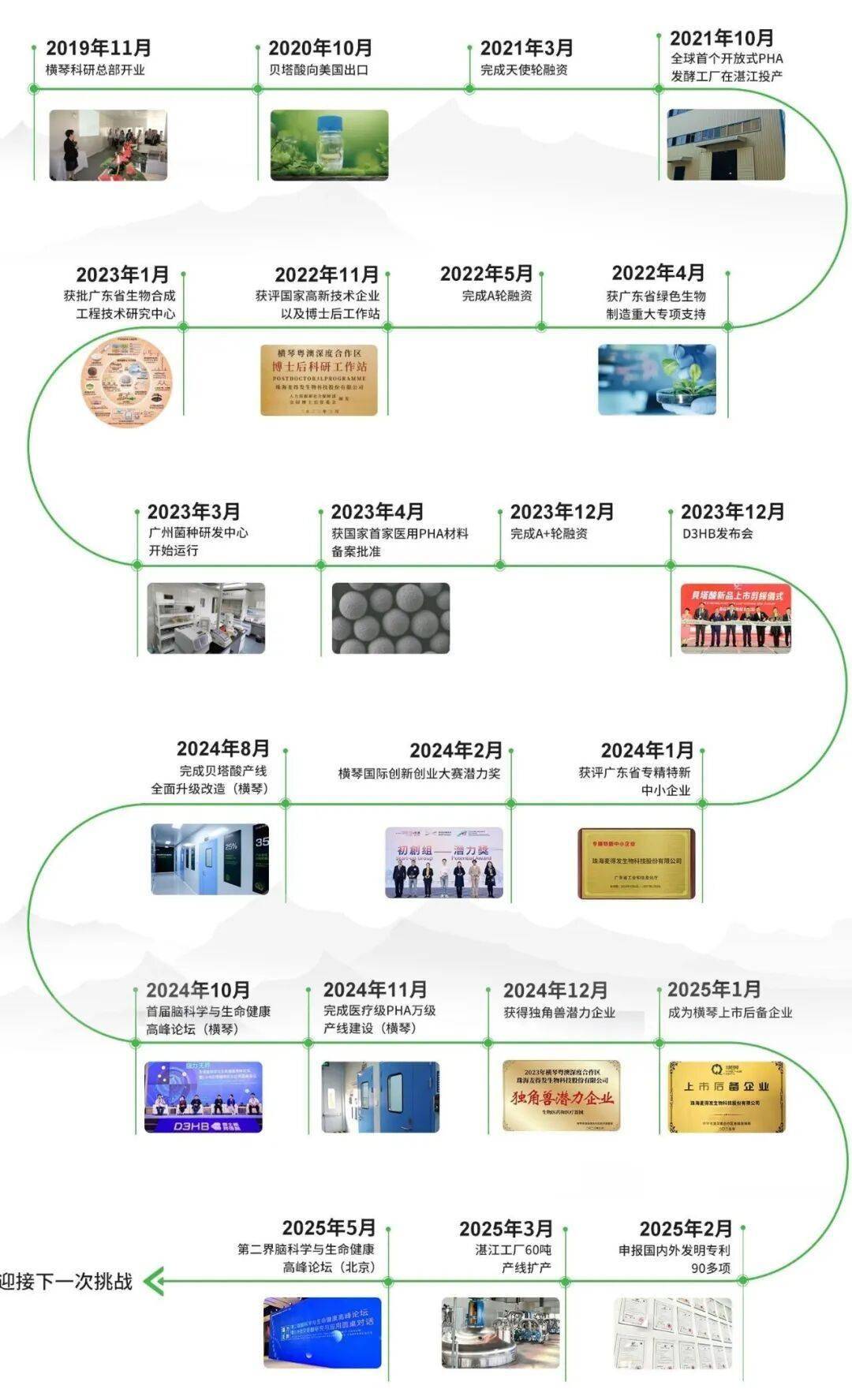
Core Viewpoint - Zhuhai MedPHA Biotechnology Co., Ltd. has successfully completed a Series B financing round, which is seen as a recognition of its technological strength and market prospects, as well as a significant step in accelerating its industrialization process [5][28]. Group 1: Financing History - MedPHA completed its angel round financing in March 2021 [3]. - In May 2022, the company raised tens of millions of RMB in Series A financing [3]. - In December 2023, MedPHA completed a Series A+ financing round, raising several tens of millions of RMB, led by Huafa Group's investment platform [3]. Group 2: Company Positioning - The name "MedPHA" combines "Medicine" and "PHA," indicating the company's unique positioning as an innovative enterprise in both pharmaceuticals and PHA materials [6]. - The third-largest shareholder, Lijun Pharmaceutical Group, has been involved since the company's inception, influencing its strategic direction from a genetic level [8]. Group 3: Shareholder Structure - The largest shareholder, Zhuhai Hengqin Baomei Enterprise Management, holds 50.63% of the shares [9]. - Lijun Pharmaceutical Group holds 5.63% of the shares, indicating a long-term strategic partnership [9][10]. - Other notable shareholders include Zhuhai Hengqin Baoli Enterprise Management and Zhuhai Huajin Lingjian Equity Investment [9]. Group 4: Product Lines - MedPHA has three main product lines: industrial-grade PHA, medical-grade PHA, and beta-hydroxybutyrate health-active small molecules [11]. - Industrial-grade PHA is used in biodegradable packaging and has gained recognition from major companies like Walmart and Costco [13]. - Medical-grade PHA is a core differentiated product, with MedPHA being the first global supplier to receive regulatory approvals from the National Medical Products Administration and the FDA [16]. - The beta-hydroxybutyrate product, branded as "Sainao Si," targets brain health and has been launched in Macau and the United States [18]. Group 5: Milestones Achieved - MedPHA has achieved significant milestones in 2025, including medical certification, capacity expansion, and the completion of Series B financing [21][25][28]. - The company successfully passed ISO 13485:2016 certification for its medical device quality management system, a key qualification for entering the medical device industry [21]. - The industrial-grade PHA production capacity has been expanded to over 2,000 tons, and a cleanroom for medical-grade PHA has been established [25].
经海纬象成功完成B轮融资,加速生物基材料合成应用
IPO早知道· 2026-01-10 01:18
Core Viewpoint - The article discusses the recent financing of Shanghai Jinghai Weixiang Biological Materials Co., Ltd., which aims to leverage biomanufacturing technology to build a green and low-carbon supercell factory, focusing on PLA (polylactic acid) as its core product [2][3]. Financing and Growth - Jinghai Weixiang completed nearly 100 million yuan in B-round financing, led by Jiazhih Fund, which will support core technology development, capacity expansion, and market growth [2][4]. - The company is preparing for a B+ round of financing to further enhance its growth trajectory [2]. Technological Advancements - The company has developed several internationally leading technologies in the biobased materials production chain, including "non-grain biomass utilization," "new generation industrial strains," "gypsum-free lactic acid technology," and "rPLA recycling" [3]. - The gypsum-free lactic acid technology addresses environmental issues by eliminating gypsum waste during production, enabling cleaner and lower-cost lactic acid production [3]. - The rPLA recycling process allows for the recycling of polylactic acid (PLA), reducing production costs and creating a closed-loop lifecycle for PLA products [3]. Product Applications - PLA, the company's core product, is a high-performance biodegradable material with excellent biocompatibility, degradability, and processing capabilities, widely used in various sectors such as fast-moving consumer goods, food and beverage, agriculture, 3D printing, textiles, biomedicine, and high-end manufacturing [3]. - The integrated production system enables the company to control the entire process from raw material supply to biobased material production and recycling, ensuring product quality and cost advantages [3]. Market Position and Future Outlook - The financing will primarily be used for expanding the production capacity of the scale-up base, developing new technologies, and expanding market channels [4]. - The company has achieved significant milestones in the industrialization of biobased materials, with steady growth in production capacity and market share [4]. - The founder and CEO emphasized the importance of this financing round as a milestone in the company's development, highlighting the unprecedented opportunities in the biomanufacturing sector driven by policy and market demand [4]. - The company aims to continue focusing on core technology research and expand its production scale and application scenarios to provide high-quality biobased material products and solutions [4].
安徽企业突破秸秆制糖成本瓶颈 非粮生物制造万亿级赛道迎来黄金发展期
Xin Hua Wang· 2026-01-09 12:22
Core Viewpoint - Anhui Province is accelerating the construction of a green closed loop in the biomanufacturing industry, transitioning from "straw resource utilization" to "material decarbonization," driven by technological breakthroughs and industry chain collaboration [1][2]. Policy Guidance - The State Council's implementation opinions aim to promote the widespread application of biotechnology in new materials, construction, energy, and environmental protection, focusing on biobased material substitution and low-carbon conversion [2]. - Various regions are formulating biomanufacturing industry plans and policies to optimize the industrial environment, with Anhui's biomanufacturing cluster expected to exceed 30 billion yuan in output value by 2026 [2]. Technological Breakthroughs - Biomanufacturing is transitioning from "natural extraction" to "life programming," with the industry expected to enter a golden development period during the 14th Five-Year Plan, driven by national strategy, technological advancements, and market demand [3]. Innovations in Biomanufacturing - Anhui Fengyuan Biotechnology Co., Ltd. has developed a second-generation biomanufacturing technology using straw as raw material, achieving high conversion rates and significant cost advantages [4][5]. - The technology allows for the production of 1 ton of mixed sugar from 3 tons of straw, with a cellulose hydrolysis rate exceeding 90% and a cost of mixed sugar not exceeding 1,000 yuan per ton, significantly lower than corn-based glucose production [4]. Industry Implementation - The "distributed factory" model is activating the county economy, with projects in Shandong and Anhui demonstrating a closed-loop industrial chain from straw processing to biobased materials and energy [6]. - Fengyuan Group is establishing modular projects across multiple provinces, creating a complete industrial chain from agricultural waste collection to biobased product production [6]. Ecological Closure - Anhui Province aims to transform straw from agricultural waste into a "green carbon source," reducing reliance on food resources and promoting green agriculture through high-value byproducts [7]. - The technology addresses the challenges of the polylactic acid market, which faces issues such as small scale and insufficient policy support [7]. Recommendations for Development - Experts suggest implementing a comprehensive ban on plastic in Anhui, promoting biobased materials in government and educational institutions, and establishing a "green procurement list" [8][9]. - Strengthening policy and financial support for straw sugar projects and encouraging the listing of key biomanufacturing enterprises to broaden financing channels [8][9]. Market Expansion - Encouraging the use of polylactic acid composite materials in automotive and construction sectors, and promoting biobased products through events and e-commerce platforms [9]. - The establishment of a biobased materials innovation laboratory in Zhejiang marks a significant step in digital research and development in the field, providing a model for Anhui [9].
Bio-based 2026生物基展火热报名中!100+赞助,1000+新品即将登场!
DT新材料· 2026-01-07 16:15
Core Viewpoint - The Bio-based 2026 Exhibition aims to provide a professional platform for showcasing and exchanging innovative products in the bio-based industry, promoting industry development and international collaboration [2][3]. Exhibition Overview - The Bio-based 2026 Exhibition will take place from May 20-22, 2026, at the Shanghai Fuyue Hotel, featuring over 60 exhibitors and more than 1000 new product displays, with an expected attendance of over 1500 participants [2]. - The exhibition will include various sectors such as bio-based chemicals, plastics, textiles, rubber, instruments, third-party testing, engineering technology, and investment [3]. Audience Profile - The expected audience for the Bio-based 2026 Exhibition includes over 1500 participants from the entire bio-based product supply chain, including senior executives, decision-makers, R&D personnel, and end-user material managers [6]. - The audience composition includes 30% from bio-based chemicals/materials companies, 20% from research institutions, and 17% from user/product units, among others [12]. Industry Transformation - The exhibition has attracted over 1000 downstream and end-brand companies focusing on low-carbon and green materials, covering sectors such as packaging, consumer goods, sportswear, automotive, fashion, beauty, and health [13]. - A key function of the Bio-based Exhibition is to identify downstream brand needs and facilitate precise industry connections to promote sustainable development across the industry [13].

曾安平教授团队技术转化!恒碳科技参选2026「DT新叶奖」
合成生物学与绿色生物制造· 2026-01-07 08:11
Core Viewpoint - 恒碳科技 is participating in the 2026 DT New Leaf Award, showcasing its innovative biobased products and technologies, particularly in the production of biobased 1,3-propanediol (PDO) [2][18]. Group 1: Company Overview - 恒碳科技 focuses on "carbon science and carbon balance," producing high-value chemicals and high-performance materials, with its Biebl® biobased PDO achieving a purity of 99.98% and near-zero carbon emissions [3]. - The company has successfully crossed the "valley of death" in pilot testing and has commenced production at its PDO manufacturing base, which has an annual capacity of 15,000 tons [9][10]. Group 2: Technological Innovations - 恒碳科技 employs a revolutionary "three non-four no" technology developed by a team led by Professor Zeng Anping, significantly reducing production costs and enhancing efficiency and stability [5]. - The PDO production process achieves a glycerol conversion rate of over 0.52 g/g, with theoretical carbon emissions of only 0.015 kg CO2/kg, resulting in a reduction of 1.2 kg CO2 per kilogram of PDO, totaling an annual carbon reduction of 18,000 tons [11]. Group 3: Market Expansion and Applications - The company is expanding its biobased PDO applications, having launched BIODEX® non-grain biobased PTT fibers and a fully biodegradable plastic made from biobased PDO, addressing plastic pollution in the fashion industry [12]. - 恒碳科技 is actively promoting its biobased PDO internationally, establishing strategic partnerships, such as with DEEWIG GmbH in Germany, to enhance its market presence in Europe [12]. Group 4: Awards and Recognition - 恒碳科技's production technology has been recognized as world-leading in Guangdong Province, and the company has received multiple international certifications, including USDA and REACH [13]. - The company won the "Most Commercially Valuable Award" at the third New Leaf Award, highlighting its innovative leadership in the biobased sector [18].