Banking

Search documents
Western Digital to sell $3.17 billion stake in Sandisk
Reuters· 2026-02-18 06:22
Core Viewpoint - Western Digital is set to sell a stake worth $3.17 billion in Sandisk, indicating a strategic move in the flash memory market [1]. Group 1: Transaction Details - Western Digital will sell over 5.8 million shares of Sandisk at a price of $545 each [1]. - The offering price represents a discount of approximately 7.7% compared to Sandisk's last closing price of $590.59 [1].


Tariffs, Tickers, and Truth Social: The New Art of the Market Deal
Stock Market News· 2026-02-18 06:00
Group 1: Market Reactions to Tariff Announcements - The announcement of a $550 billion investment package from Japan, which includes a 15% baseline tariff on Japanese imports, has significantly impacted the energy and infrastructure sectors, particularly benefiting companies like XOM (+2.4%) and LNG (+3.1%) [2][3] - The introduction of a 100% tariff on foreign-produced films led to a sharp decline in media stocks, with NFLX dropping 4.2% and DIS down 2.1%, raising concerns about the sustainability of the streaming model [4][5] - The S&P 500 index remains volatile, currently at 6,120, as market participants react to unpredictable policy changes and social media announcements [11] Group 2: Sector-Specific Developments - The energy sector is experiencing a surge due to new projects, including a major natural gas plant in Portsmouth, Ohio, which has positively influenced local utility and construction stocks [3] - The entertainment industry is facing challenges due to proposed tariffs, which could fundamentally disrupt the streaming business model, as highlighted by analysts at JPMorgan [5] - The logistics sector is under pressure as trade tensions create uncertainty in supply chains, with companies like FDX and UPS experiencing increased volatility [10] Group 3: Broader Economic Implications - The recent trade deal with India, promising reciprocal tariff rate decreases, has provided a modest boost to emerging market ETFs, although the S&P 500 showed little reaction [9] - The presence of major financial institutions at a crypto forum hosted by the Trump family indicates a shift in Wall Street's approach to decentralized finance, with COIN seeing a 5.7% increase [6][8] - The overall market sentiment reflects a need for diversification into sectors favored by the administration, such as oil, gas, and crypto, while reducing exposure to sectors impacted by tariffs [12]






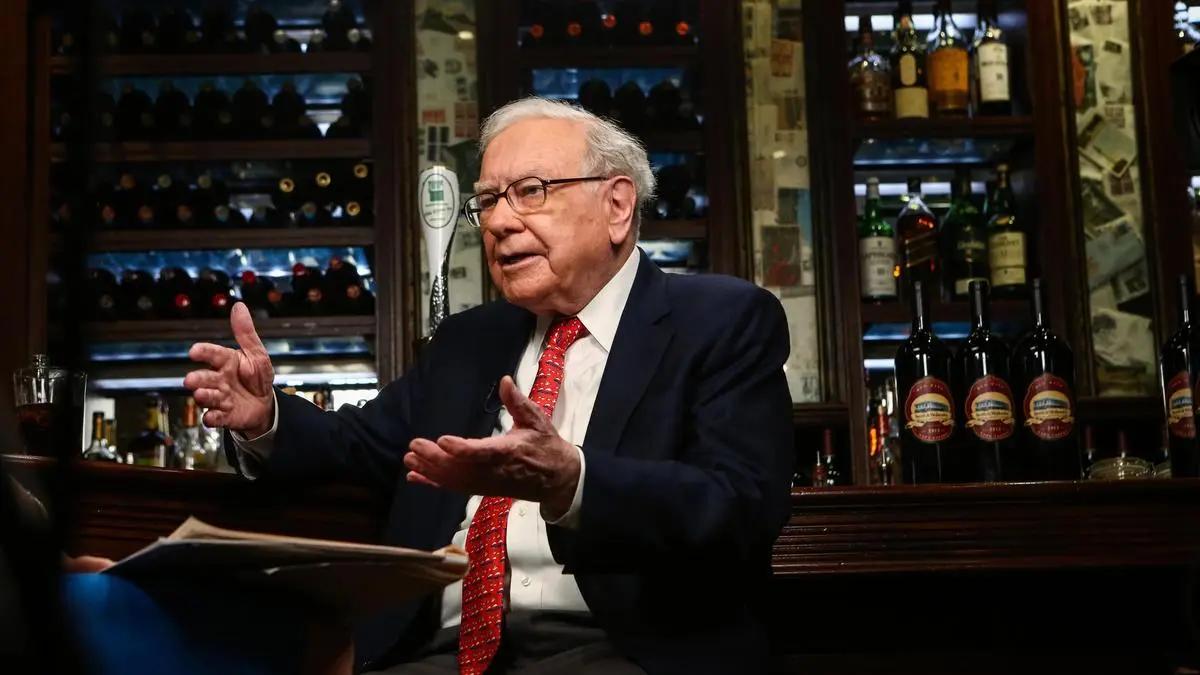
Buffett cuts Amazon stake, makes bet on New York Times
BusinessLine· 2026-02-18 03:50
Core Insights - Berkshire Hathaway Inc. significantly reduced its stake in Amazon.com Inc. by over 75% in Q4, while acquiring a new stake in the New York Times Co. valued at $351.7 million [1][2] Investment Changes - Berkshire Hathaway's current holdings in Amazon now stand at approximately 2.3 million shares after the reduction [2] - The company also decreased its stakes in Bank of America Corp. and Apple Inc. to 7.1% and 1.5%, respectively, starting in 2024 [2] New Investments - During the same period, Berkshire Hathaway increased its stakes in Chevron Corp. to 6.5% and Chubb Ltd to 8.7% [3] - The initial investment in Chubb was revealed in May 2024, following a secret accumulation of shares the previous year [3] Strategic Acquisitions - Buffett has been actively pursuing new acquisitions, including a $9.7 billion deal for Occidental Petroleum Corp.'s petrochemical business and a $5.6 billion stake in Alphabet Inc. [4] - Following the announcement of the New York Times Co. investment, its shares rose over 10% in post-market trading [4]


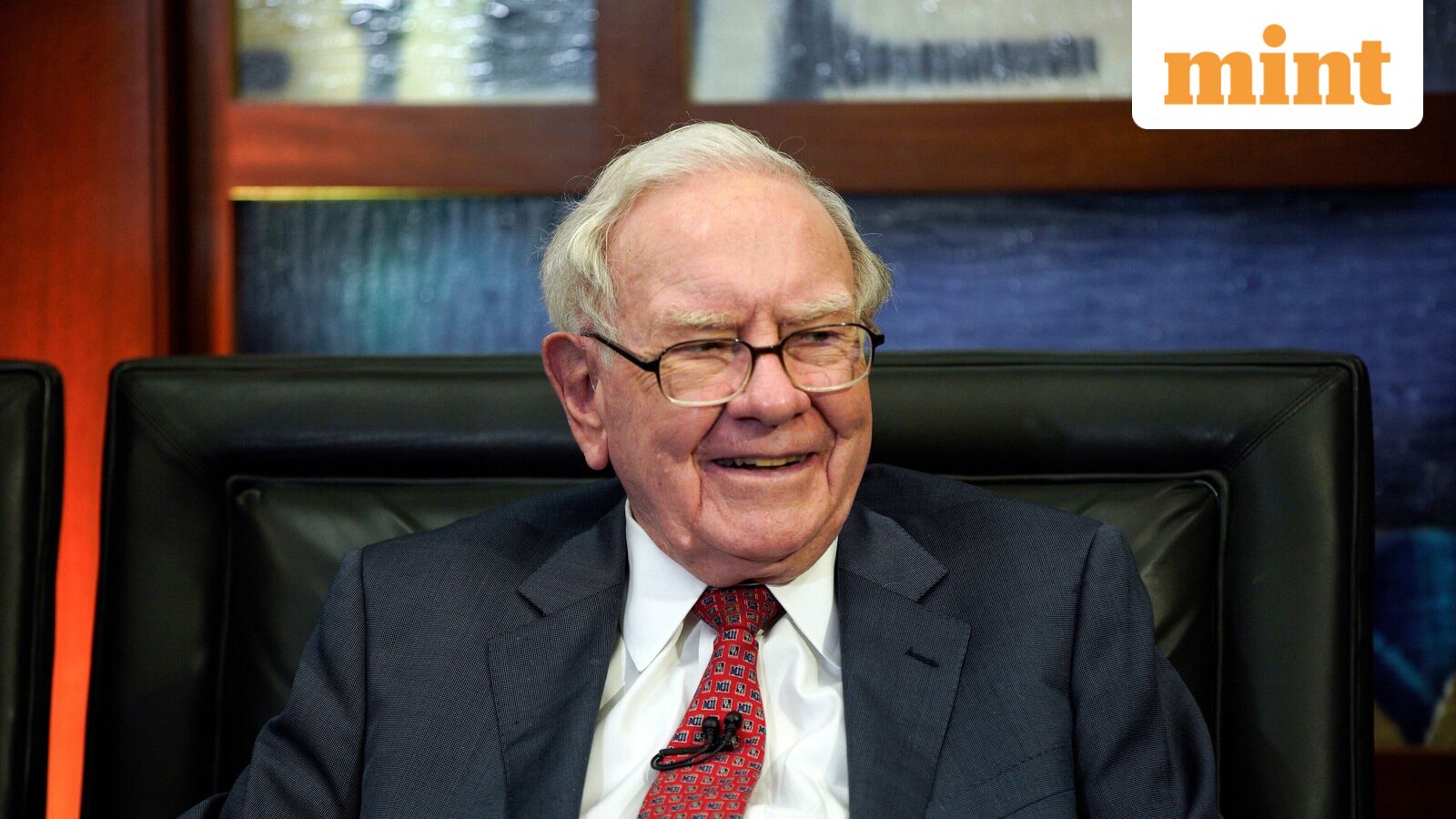
Warren Buffett's Berkshire cuts Amazon stake by 75%, bets $351.7 million on New York Times — Check what was adjusted
MINT· 2026-02-18 02:29
Group 1 - Berkshire Hathaway reduced its stake in Amazon by over 75% in Q4, while investing $351.7 million in the New York Times Company [1][3] - The company acquired 5.1 million shares of the New York Times Company, valued at $351.7 million at year-end [3] - Berkshire continued to trim its stakes in Bank of America and Apple, reducing them to 7.1% and 1.5%, respectively [4] Group 2 - Berkshire increased its stakes in Chevron and Chubb to 6.5% and 8.7%, respectively, during the same period [5] - Chubb's shares rose approximately 11% in Q4 after reports of an informal approach to acquire American International Group Inc. [5] - Warren Buffett has been active in making purchases, including a $9.7 billion deal for Occidental Petroleum Corp.'s petrochemical business and a $5.6 billion stake in Alphabet Inc. [6]


US FTC finalizes consent order in Boeing acquisition of Spirit AeroSystems
Reuters· 2026-02-17 22:02
Group 1 - The U.S. Federal Trade Commission has finalized a consent order regarding Boeing's acquisition of Spirit AeroSystems [1] - This decision marks a significant regulatory step in the aerospace industry, impacting Boeing's strategic positioning [1] Group 2 - The acquisition is part of Boeing's broader strategy to enhance its supply chain and production capabilities [1] - The finalized consent order may include specific conditions or requirements that Boeing must adhere to post-acquisition [1]


Berkshire Pares Stakes in Apple and BofA, Adds New York Times Position
WSJ· 2026-02-17 21:31
Core Insights - In Warren Buffett's final quarter as CEO, the company reduced its stake in the iPhone manufacturer [1] Group 1 - The company further trimmed its holdings in the iPhone maker during this period [1]


RBI proposes easing forex transaction norms
Rediff· 2026-02-17 18:06
Authorised banks and standalone primary dealers access the foreign exchange market for market making, balance sheet management and hedging of risks.Photograph: Francis Mascarenhas/ReutersKey PointsAn authorised dealer may also undertake transactions on ETPs outside IndiaThey can borrow and lend in foreign currencyAuthorised dealer may undertake NDDCsThe Reserve Bank on Tuesday proposed greater flexibility to authorised persons to undertake foreign exchange transactions for hedging their exposures, balance s ...
Sterling Slips as Cracks Spread Across UK Labor Market
Yahoo Finance· 2026-02-17 17:57
Core Viewpoint - The U.K. labor market data indicates a weakening trend, with rising unemployment and slowing wage growth, leading to expectations of interest rate cuts by the Bank of England [2][5]. Labor Market Data - Unemployment rose to 5.2% in the three months to December, up from 5.1%, marking the highest level in about five years [3]. - Payrolled employment decreased by 0.4% year on year to 30.3 million in January, equating to 134,000 fewer employees than a year earlier and 11,000 fewer than the previous month [3]. Wage Growth - Regular pay growth slowed to 4.2% year on year in the three months to December, while the Bank of England's private sector measure fell to 3.4%, noted as a five-year low [4]. Market Reaction - The market responded with a decline in sterling by approximately 0.5% against the dollar and a drop in U.K. government bond yields, with the 10-year yield decreasing by roughly 4 basis points [4]. Rate Expectations - Futures pricing shifted towards anticipating two interest rate cuts this year, with a significant chance of a cut at the next meeting if inflation continues to decrease [5]. Economic Implications - The labor report suggests a shift in the U.K. macroeconomic narrative, indicating potential for a more accommodative monetary policy from the Bank of England due to rising unemployment and softer wage growth [6][7]. - The decline in sterling reflects market sentiment regarding the likelihood of earlier or more substantial rate cuts, making U.K. yields less attractive [7].
First Northern Bank Acquires Beacon Wealth Strategies
Businesswire· 2026-02-17 17:53
Core Insights - First Northern Bank has acquired Beacon Wealth Strategies, enhancing its wealth management services and increasing assets under management [1] - Tom Cicchini, founder of Beacon Wealth Strategies, will join First Northern Advisors during the transition period before his retirement on June 30, 2026 [1] - The acquisition aims to maintain personalized wealth management services for clients while ensuring continuity through the experienced team at First Northern Advisors [1] Company Overview - First Northern Bank is an independent community bank established in 1910, headquartered in Dixon, California, serving multiple counties [1] - The bank specializes in relationship banking and offers services in small business, commercial, real estate, and agribusiness lending, as well as mortgage loans [1] - First Northern Bank is recognized as a "5-Star Superior" bank by Bauer Financial and a "Green-3 Star Blue Ribbon" bank by Veribanc [1] Strategic Implications - The acquisition reflects First Northern Bank's commitment to expanding its wealth management services while preserving high levels of personal service and client relationships [1] - Clients of Beacon Wealth Strategies will continue to have their accounts managed through Raymond James, ensuring stability and access to comprehensive investment resources [1] - The addition of experienced professionals like Tom Cicchini is expected to enhance client trust and service continuity during the transition [1]

Could software sell-off be big buying opportunity in 2026? Dutch Bros CEO talks expansion plans
Youtube· 2026-02-17 17:30
Market Overview - Investor sentiment is currently weighed down by concerns over AI's potential impact on various industries, leading to continued selling pressure in the markets, particularly in technology and software sectors [3][4][9] - The Dow is down 180 points, and the S&P 500 has decreased by 0.75% year-to-date, while the NASDAQ is down 4% [3][5] - Despite the negative sentiment, the S&P 500 remains near record levels, indicating that the market is not far off from its highs [4] Company Earnings and Performance - Walmart is set to report its fourth-quarter earnings, with expectations of strong performance following a successful holiday season, projecting same-store sales growth of around 4.5% [90][93] - Concerns exist regarding future guidance, particularly in light of weak consumer sentiment affecting purchasing patterns, as noted by General Mills [95][98] - Dutch Bros plans to aggressively expand, aiming to open at least 181 stores by 2026 and reach 2,029 shops by 2029, despite shares falling over 30% in the past year due to concerns about demand and costs [33][34] Technology Sector Insights - The software sector is experiencing significant selling pressure, with many stocks underperforming, although some companies, particularly those with usage-based models, may thrive in an AI-driven environment [26][31] - Companies like Micron are facing pressure despite ongoing demand for memory chips, indicating a disconnect between market sentiment and actual business fundamentals [6][7] - The private credit market is showing signs of distress, with over 15% of US leveraged technology loans marked at distressed levels, raising concerns about the overall health of the credit market [9][12] Analyst Ratings and Market Predictions - Morgan Stanley has named Citigroup as a top pick among large US lenders, raising its price target to $152, indicating confidence in the bank's performance [72] - Deutsche Bank has lowered its price target for DraftKings to $26, citing pressures from increased promotions and slowing growth [73] - True Securities upgraded Shopify to a buy rating, highlighting its recent growth and long-term drivers, raising the price target to $150 [75]