Mining

Search documents
Aero Energy Announces Closing of Charity Flow-Through Private Placement
TMX Newsfile· 2026-03-27 21:51
Core Viewpoint - Aero Energy Limited has successfully closed a non-brokered private placement of charity flow-through units, raising gross proceeds of $1,000,000 to fund eligible Canadian exploration expenses related to its projects in Saskatchewan [1][3]. Group 1: Private Placement Details - The company closed the offering of 1,694,916 charity flow-through units at a price of $0.59 per unit, with each unit consisting of one flow-through common share and one share purchase warrant [1]. - Each warrant allows the purchase of one common share at a price of $0.60 until March 27, 2028 [1]. - A separate subscription receipt offering of up to 26,250,000 receipts at $0.40 each is expected to close around March 31, 2026, with potential gross proceeds of up to $10,500,000 [2]. Group 2: Use of Proceeds - The gross proceeds from the charity flow-through unit offering will be used for eligible Canadian exploration expenses and flow-through critical mineral mining expenditures related to the company's projects in Saskatchewan [3]. - These qualifying expenditures will be renounced in favor of the subscribers effective December 31, 2026 [3]. Group 3: Company Overview - Aero Energy Limited has a robust portfolio of uranium assets in North America, particularly in Saskatchewan's Athabasca Basin, which includes the Strike and Murmac projects [5]. - The company has merged with Kraken Energy Corp., enhancing its asset base with high-grade U.S. properties, including the Apex Uranium Property and Huber Hills Property in Nevada [5]. - The strategic merger positions Aero to capitalize on the growing global demand for uranium and unlock significant high-grade mineralization [5].


US and allies push rare earths, lithium supply chains but structural hurdles remain
Proactiveinvestors NA· 2026-03-27 16:46AI Processing
About this content About Angela Harmantas Angela Harmantas is an Editor at Proactive. She has over 15 years of experience covering the equity markets in North America, with a particular focus on junior resource stocks. Angela has reported from numerous countries around the world, including Canada, the US, Australia, Brazil, Ghana, and South Africa for leading trade publications. Previously, she worked in investor relations and led the foreign direct investment program in Canada for the Swedish government ...
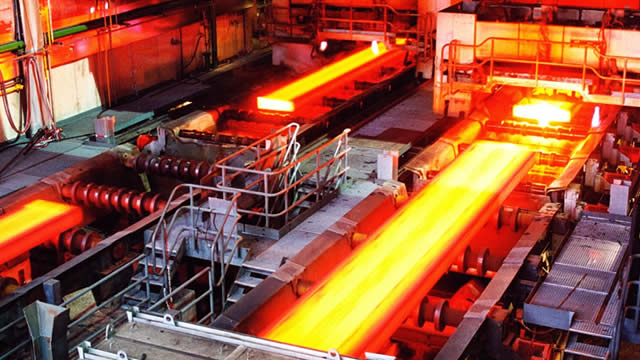
Iran War: supply chain risks and outlook for mining industry
Yahoo Finance· 2026-03-27 15:02
Core Insights - The ongoing conflict in the region is significantly impacting the refining and processing sectors more than mine production, leading to potential supply disruptions in processed metals which can quickly affect pricing and manufacturing activities [1][5] Group 1: Impact on Mining and Metals Sector - Iran's mining and metals sector is under pressure due to infrastructure disruptions, power constraints, and export bottlenecks, which could lower utilization rates in energy-intensive activities like copper smelting and steelmaking [2] - The conflict is exacerbating existing structural challenges in mining supply chains, prompting a strategic shift towards supply diversification and renewable energy integration [3] - The Strait of Hormuz is a critical chokepoint for global trade, and disruptions here are increasing operational costs for mining companies due to higher fuel bills and shipping delays [4][8] Group 2: Specific Metal Impacts - The war's effect on iron ore markets is primarily driven by cost inflation rather than direct supply loss, with Iran producing 61 million tonnes in 2025, representing a 3.8% share of global production [6] - Aluminium production in Iran has decreased by 5.2% year-on-year due to electricity shortages and financial constraints, with the country producing 552,200 tonnes in the first 11 months of the 2025 financial year [11] - Nickel, lead, and zinc markets are facing supply risks due to potential disruptions in the sulphur market, which is essential for processing these metals [13][14] Group 3: Commodity Price Volatility and Strategic Shifts - The conflict is contributing to commodity price volatility, particularly affecting metals like copper and nickel that rely on stable energy and refining inputs [16] - The geopolitical situation is highlighting the vulnerability of interconnected mineral supply chains, making them more sensitive to disruptions [17] - The conflict may increase the strategic importance of China in global mineral supply chains as Western economies seek to reduce reliance on Middle Eastern resources [18] Group 4: Broader Industrial Implications - The oil and gas disruptions are forcing Asian countries to adjust energy consumption patterns, which could impact mining operations and metal processing costs [19]
黑色系周报:铁矿石-20260327
Dong Ya Qi Huo· 2026-03-27 13:36
1. Report Industry Investment Rating - Not provided in the given content 2. Core View of the Report - Iron water production continues to rise; the global shipping volume this period has increased month - on - month. From the perspective of the four major mines, the shipping volumes of Rio Tinto and FMG have increased, while those of BHP and VALE have decreased. The arrival volume has increased month - on - month. Port inventories and steel mill inventories have decreased. Attention should be paid to the restocking actions of steel mills. The iron ore 2609 contract is oscillating [7] 3. Summary According to the Directory 3.1 Price and Spread - **Price**: The lowest deliverable iron ore product, Newman powder, has a discounted futures price of 776.7 (the second - lowest deliverable product, Jinbuba powder, has a discounted futures price of 829) [14] - **Basis**: The basis of the 01 contract is 9.2 (4.8), the 05 contract is - 40.3 (- 51.7), and the 09 contract is - 10.8 (- 17.2) [14] - **Monthly Spread**: The 01 - 05 spread is - 49.5 (- 56.5), the 05 - 09 spread is 29.5 (34.5), and the 09 - 01 spread is 20 (22) [14] - **Gross Profit and Profit Rate**: The gross profit of East China blast furnaces is 159 (146), the gross profit of North China blast furnaces is 84 (60), and the steel mill profit rate is 43% (42%) [14] 3.2 Supply - **Shipping Volume**: The global shipping volume is 3144.3 tons (3048.8), the shipping volume from Australia and Brazil is 2559.5 tons (2464.5), the shipping volume of the four major mines is 1983.2 (1956.3), and the shipping volume of the four major mines to China is 1526.7 tons (1550.4) [13] - **Arrival Volume**: The arrival volume at 47 ports is 2383.1 tons (2317), and the dredging volume is 330.31 tons (335.92). The number of ships at ports is 113 (103) [13] - **Domestic Ore Production**: The report also shows the monthly and cumulative values of domestic iron ore production from 2023 - 2026 [18] - **Import Volume**: It details the monthly and cumulative import volumes of iron ore from Australia, Brazil, India, South Africa, and other regions from 2023 - 2026 [18] 3.3 Demand - **Iron Water Production**: The average daily iron water production this period is 231.09 tons, a month - on - month increase of 2.94 and a year - on - year decrease of 6.19. The total iron water production is 20803.23 tons (20800.29 tons in the same period last year) [9] - **Consumption**: It includes the consumption of domestic and imported iron ore, as well as port and forward spot transactions [148] - **Profit Rate and Profit**: The blast furnace profit rate of 247 steel mills and the blast furnace profits in East China and North China are presented [150][152] 3.4 Inventory - **Port Inventory**: The port inventory this period is 17666.83 tons, a month - on - month decrease of 147.35 tons; the steel mill inventory is 8978.56 tons, a month - on - month decrease of 55.5 [10] - **Inventory of 47 Ports**: It shows the inventory, trade ore inventory, trade ore inventory ratio, and the number of ships at 47 ports from 2023 - 2026 [154] - **Steel Mill Inventory**: It includes the import ore inventory and inventory - consumption ratio of 247 steel mills from 2023 - 2026 [156][157]
Royalties Inc. Invites Shareholders and Investors to Attend the Hamburg Mining Conference April 10-11, 2026
TMX Newsfile· 2026-03-27 13:30
Company Overview - Royalties Inc. is attending the Hamburg Mining Conference on April 10-11, 2026, with a presentation scheduled for April 10 from 12:55 to 13:10 [1] - The company owns a 100% interest in the Bilbao silver-zinc-lead project located in Zacatecas, Mexico, subject to a 1.5% net smelter royalty [4] - Royalties Inc. holds 88% of the outstanding shares of Minera Portree de Zacatecas, S.A. de C.V. (MPZ), which has a court-confirmed claim to a 2% net smelter royalty on five mining concessions known as the 'Portree claims' [4] - The company has a 5% stake in Music Royalties Inc. (MRI), which has distributed over $15 million in dividends since 2019 from 31 cash-flowing catalogs [4] Industry Context - Capstone Copper Corp. has been mining at the Cozamin mine since 2010, which is the main source of production for the Portree claims [4] - There is an ongoing issue where Capstone attempted to assign the royalty to themselves without proper consent or payment to MPZ, the rightful owner since 2002 [4]

Leading Edge Materials Annual General Meeting of Shareholders to be Held on April 23, 2026
Globenewswire· 2026-03-27 13:30
Core Points - Leading Edge Materials Corp. will hold its Annual General Meeting of Shareholders on April 23, 2026, at 9:00 am Vancouver Time [1] - The record date for the Meeting is March 19, 2025, and related materials are available on SEDAR and the company's website [2] - Shareholders holding Euroclear Registered Securities will receive a voting instruction form from Computershare Sweden, which must be returned according to provided instructions [3] Meeting Agenda - The agenda includes receiving the CEO's report, considering financial statements for the year ended October 31, 2025, and electing directors [5] - The meeting will also address the appointment of auditors and the ratification of the stock option plan [5] - Additional business may be transacted as permitted [5] Company Overview - Leading Edge Materials is focused on developing critical raw material projects in the European Union, linked to high-growth technologies such as lithium-ion batteries and permanent magnets [6] - The company's portfolio includes the Woxna Graphite mine, Norra Kärr Heavy Rare Earth Elements project, and Bihor Sud Nickel Cobalt exploration alliance [6] - The company is listed on multiple exchanges, including TSXV, OTCQB, and Nasdaq First North [8]

One and One Green Technologies. INC Launches Luzon Copper-Gold Ore Tailings Slag Venture to Address Projected 150,000-Ton Global Copper Supply Deficit
Globenewswire· 2026-03-27 12:30
Core Insights - One and One Green Technologies, a licensed hazardous waste importer and recycler in the Philippines, has launched a new business venture focused on recovering copper-gold ore tailings slag in Luzon to address a supply deficit in the global copper market [1][2][4]. Company Overview - One and One Green Technologies operates as a recycler of non-ferrous metals and industrial materials, transforming electronic waste and scrap metal into high-value products such as copper alloy ingots and aluminum scraps [5]. - The company is strategically positioned to meet the increasing demand for sustainable resource management, with significant permitted annual capacity and advanced processing capabilities [5]. Industry Context - The International Copper Study Group (ICSG) has projected a supply deficit of 150,000 metric tons of copper in 2026, indicating a tightening global copper market [2]. - By 2040, S&P Global anticipates a supply imbalance of 10 million metric tons of copper, driven by factors such as energy transition, electrification, and the expansion of AI data centers [3]. Strategic Initiatives - The company plans to collaborate with small-scale mining companies in the mineral-rich Luzon region to source copper-gold ore tailings slag, which will be processed at its main plant and exported [2][4]. - This integrated approach aims to create a new, high-growth income source while capturing value from both recycled copper and primary tailings slag [3][4].

钢材铁矿周度报告-20260327
Zhong Hang Qi Huo· 2026-03-27 11:46
1. Report Industry Investment Rating - No relevant information provided 2. Core Views of the Report - For steel, the current steel plate shows a narrow sideways oscillation, with no obvious upward or downward drive, and the current plate follows the price fluctuations of furnace materials. The output of hot-rolled coils is increasing while that of rebar is decreasing. After the Two Sessions, the blast furnace capacity utilization rate is gradually recovering, and enterprises are more willing to produce hot-rolled coils than rebar. The production profit of hot-rolled coils is rising while that of rebar is falling. After the festival, the downstream industries are gradually resuming work and production, and the demand for building materials is increasing, but the increase rate is gradually slowing down. The downstream manufacturing industry is promoting the resumption of work and production, and the procurement demand for hot-rolled coils in industries such as home appliances and automobiles is gradually increasing. With the increase in demand, the inventory in factories and society has both decreased. During the traditional peak seasons of "Golden March and Silver April", the steel inventory is expected to be reduced, and the pressure will be alleviated. The plate is still treated as a range oscillation. In the future, attention should be paid to the inventory reduction strength brought by the traditional "Golden March and Silver April" peak seasons, as well as the drag on the demand side caused by the high global energy prices and the interruption of some raw material supply chains due to the blockade of the Strait of Hormuz [9][40]. - For iron ore, the current plate is mainly affected by three factors: the negotiation between Chinese and Australian miners, overseas cyclone weather, and the geopolitical conflict in the Middle East. In terms of the Sino-Australian negotiation, the Jinbuba powder sold to China was selected as the key restricted product, and the Newman powder was also affected by the ban, which intensified the market shortage. If the ban on BHP's Jinbuba powder and Newman powder is lifted later, the release of the frozen inventory will have a downward impact on the current price. In terms of the geopolitical conflict, the diesel supply in Australia is tight, and the soaring diesel price will increase the unit cost of major iron ore producers in the Pilbara region. The high energy cost erodes the profits of mining enterprises and increases the risk of unexpected supply interruptions. In terms of climate, the tropical cyclone "Narelle" closed the ports this week, and the impact weakened later. Overall, the short-term fundamentals of iron ore lack driving force, and external news has increased the disturbance to the plate. Attention should be paid to the negotiation situation between Chinese and Australian miners, as well as the impact of fuel costs on mining and transportation costs after the energy price rises due to the geopolitical conflict [10][42]. 3. Summary According to the Directory 3.1 Report Summary - Market Focus: There was a regional freight adjustment in the steel logistics market in the southwest region. The direct delivery and warehouse self-pickup freight of some steel mills in Sichuan and Chongqing increased slightly, with a rise of 4% - 11%, while the overall situation in Yunnan and Guizhou was stable. An Australian ore mining company warned that due to the limited diesel supply caused by the Iran war, the operation of the Australian mining industry began to be affected, forcing the iron ore mining company to reduce some business activities. Affected by the tropical cyclone "Narelle", several ports in Western Australia were closed. The general manager of Navigate Commodities said that the cyclone did not damage the important port infrastructure in Western Australia, but the supply and replenishment plan of marine fuel was still a major concern for iron ore transporters. The situation in the Iran war continued to deteriorate, leading to energy supply interruptions, intensifying fuel rationing, and pushing up transportation costs. The commissioning ceremony of the Simandou bonded crushing project at Liaoning Port (Dalian Port) and the arrival ceremony of the first ship of iron ore from SimFer were held. The iron ore on this ship was all from the Simandou project. The Indian steel ministry sought help from the petroleum ministry to ensure that steel mills would not be affected by the shortage of liquefied petroleum gas. India, the world's second-largest crude steel producer, was facing the most serious liquefied petroleum gas supply crisis in decades due to the Iran war [6]. - Fundamental Situation: The output of hot-rolled coils is increasing while that of rebar is decreasing. The production profit of hot-rolled coils is rising while that of rebar is falling. After the festival, the steel mills' demand is gradually recovering. The inflection point of steel inventory reduction has appeared. The global iron ore shipment has increased slightly, and the freight rate has decreased slightly. The steel mills' iron ore inventory is at a low level, while the port inventory is at a high level. The hot metal output and the steel mills' daily iron ore consumption have increased simultaneously. The spread between hot-rolled coils and rebar has widened slightly [7][11]. 3.2 Multi-Empty Focus - Analysis of Multi-Empty Factors for Finished Products: The positive factors include the strong furnace material prices providing cost support and the entry into the traditional peak demand seasons of "Golden March and Silver April", with the inflection point of steel inventory appearing. The negative factors include the real estate not yet stabilizing and the limited expected increase in demand, as well as the high energy prices, the decline in the overseas interest rate cut expectation, and the rising stagflation expectation [14]. - Analysis of Multi-Empty Factors for Iron Ore: The positive factors include the increase in the marginal cost of future mining and transportation due to the rising energy prices caused by the geopolitical conflict, the increase in hot metal output and the high daily iron ore consumption, and the disturbance of the shipping rhythm by overseas weather factors. The negative factors include the high port inventory and the expected release of frozen inventory due to the easing of the negotiation between Chinese and Australian mines [16]. 3.3 Data Analysis - Output: As of the week of March 27, the actual output of rebar in construction steel enterprises was 197,870 tons, a decrease of 5460 tons compared with the previous week; the actual output of hot-rolled coils was 305,610 tons, an increase of 5400 tons compared with the previous week. The blast furnace capacity utilization rate of 247 steel enterprises was 86.63%, an increase of 1.1% compared with the previous week; the capacity utilization rate of independent electric arc furnace steel mills was 58.87%, an increase of 2.3% compared with the previous week [18]. - Production Profit: As of March 26, the blast furnace production profit of rebar in sample enterprises was 57 yuan/ton, the blast furnace profit of hot-rolled coils was 14 yuan/ton, and the electric furnace production cost of rebar was 3422 yuan/ton [23]. - Demand: As of the week of March 27, the consumption of rebar was 225,370 tons, an increase of 17,280 tons compared with the previous week. After the festival, the downstream industries were gradually resuming work and production, and the demand for building materials was increasing, but the increase rate was gradually slowing down. The consumption of hot-rolled coils was 313,630 tons, an increase of 3120 tons compared with the previous week. The consumption of cold-rolled coils was 91,210 tons, a decrease of 3400 tons compared with the previous week, and the output of cold-rolled coils was 89,200 tons, an increase of 350 tons compared with the previous week. The downstream manufacturing industry was promoting the resumption of work and production, and the procurement demand for hot-rolled coils in industries such as home appliances and automobiles was gradually increasing [24]. - Real Estate Demand: From January to February 2026, the national real estate development investment was 96.12 billion yuan, a year-on-year decrease of 11.1%. The housing construction area of real estate development enterprises was 5.35372 billion square meters, a year-on-year decrease of 11.7%. The sales area of newly built commercial housing was 92.93 million square meters, a year-on-year decrease of 13.5%. At the end of February, the unsold commercial housing area was 799.98 million square meters, a year-on-year increase of 0.1% [26]. - Inventory: As of March 27, the in-plant inventory of rebar was 219,160 tons, a decrease of 17,040 tons compared with the previous week, and the social inventory in 35 cities was 672,750 tons, a decrease of 10,460 tons compared with the previous week. The in-plant inventory of hot-rolled coils was 83,850 tons, a decrease of 1110 tons compared with the previous week, and the social inventory in 33 cities was 369,420 tons, a decrease of 6910 tons compared with the previous week. With the increase in demand, the inventory in factories and society has both decreased. During the traditional peak seasons of "Golden March and Silver April", the steel inventory is expected to be reduced, and the pressure will be alleviated [28]. - Iron Ore Shipment and Freight Rate: As of the week of March 20, the total global iron ore shipment was 3.1443 million tons, an increase of 95,500 tons compared with the previous week. The total iron ore shipment from Australia and Brazil was 2.5595 million tons, an increase of 95,000 tons compared with the previous week. The total non-mainstream shipment was 584,800 tons, an increase of 500 tons compared with the previous week. As of March 26, the freight price of iron ore from Port Hedland to Qingdao Port by Capesize vessels was 10.63 US dollars/ton, which decreased slightly compared with the previous period but was still higher than that at the beginning of the year [32]. - Iron Ore Inventory: As of the week of March 20, the arrival volume of iron ore at 45 ports was 2.2716 million tons, an increase of 56,600 tons compared with the previous period; as of the week of March 27, the inventory of imported iron ore at 45 ports was 17.00031 million tons, a decrease of 98,090 tons compared with the previous period; the daily port clearance volume was 313,170 tons, a decrease of 7800 tons compared with the previous period; the inventory of imported iron ore of 247 steel enterprises was 8.97856 million tons, a decrease of 55,500 tons compared with the previous period. The inventory at 45 ports remained at a high level of 170 million tons, but the inventory of imported ore at the steel mill end was at a low level, and the overall supply chain did not show a serious surplus [34]. - Hot Metal Output and Iron Ore Consumption: As of March 27, the daily average hot metal output of 247 sample steel enterprises was 231,090 tons, an increase of 2940 tons compared with the previous period; the daily average consumption of imported iron ore was 284,590 tons, an increase of 3440 tons compared with the previous period. After the Two Sessions, the hot metal output will gradually increase, driving the iron ore consumption to gradually increase [36]. - Spread between Hot-Rolled Coils and Rebar: As of March 26, the spread between the main contracts of rebar and hot-rolled coils was 177 yuan/ton, which increased compared with the previous week [38]. 3.4 Outlook for the Future - For steel, the current steel plate shows a narrow sideways oscillation, with no obvious upward or downward drive, and the current plate follows the price fluctuations of furnace materials. The output of hot-rolled coils is increasing while that of rebar is decreasing. After the Two Sessions, the blast furnace capacity utilization rate is gradually recovering, and enterprises are more willing to produce hot-rolled coils than rebar. The production profit of hot-rolled coils is rising while that of rebar is falling. After the festival, the downstream industries are gradually resuming work and production, and the demand for building materials is increasing, but the increase rate is gradually slowing down. The downstream manufacturing industry is promoting the resumption of work and production, and the procurement demand for hot-rolled coils in industries such as home appliances and automobiles is gradually increasing. With the increase in demand, the inventory in factories and society has both decreased. During the traditional peak seasons of "Golden March and Silver April", the steel inventory is expected to be reduced, and the pressure will be alleviated. The plate is still treated as a range oscillation. In the future, attention should be paid to the inventory reduction strength brought by the traditional "Golden March and Silver April" peak seasons, as well as the drag on the demand side caused by the high global energy prices and the interruption of some raw material supply chains due to the blockade of the Strait of Hormuz [40]. - For iron ore, the current plate is mainly affected by three factors: the negotiation between Chinese and Australian miners, overseas cyclone weather, and the geopolitical conflict in the Middle East. In terms of the Sino-Australian negotiation, the Jinbuba powder sold to China was selected as the key restricted product, and the Newman powder was also affected by the ban, which intensified the market shortage. If the ban on BHP's Jinbuba powder and Newman powder is lifted later, the release of the frozen inventory will have a downward impact on the current price. In terms of the geopolitical conflict, the diesel supply in Australia is tight, and the soaring diesel price will increase the unit cost of major iron ore producers in the Pilbara region. The high energy cost erodes the profits of mining enterprises and increases the risk of unexpected supply interruptions. In terms of climate, the tropical cyclone "Narelle" closed the ports this week, and the impact weakened later. Overall, the short-term fundamentals of iron ore lack driving force, and external news has increased the disturbance to the plate. Attention should be paid to the negotiation situation between Chinese and Australian miners, as well as the impact of fuel costs on mining and transportation costs after the energy price rises due to the geopolitical conflict [42].
Roland Commences Venezuela Mineral Rights Acquisition Program, Accesses Placer Dome’s Former Las Cristinas Gold Deposit Data
Globenewswire· 2026-03-27 09:45
Core Viewpoint - Roland Mineral Enterprises Corp. has initiated a Venezuelan Mineral Rights Acquisition Program to acquire interests in mineral properties, particularly gold, silver, and copper deposits in Venezuela, capitalizing on recent political changes and new mining legislation [1][2]. Company Overview - Roland Mineral Enterprises Corp. is a public mineral exploration company listed on the TSX Venture Exchange, focusing on acquiring, exploring, and developing high-quality mineral assets across the Americas [20]. Venezuelan Mineral Rights Acquisition Program - The program aims to aggressively seek and acquire rights to explore and develop known mineral deposits in Venezuela, leveraging the new mining regime [6]. - The company has entered into a Strategic Access Agreement, allowing immediate access to valuable exploration data and expertise from Placer Dome Inc. and Vannessa Ventures Ltd. [3][4]. Las Cristinas Gold Deposit - The Las Cristinas gold deposit, located in Bolívar State, is one of the largest undeveloped gold deposits globally, with significant historical exploration data available [5][13]. - Historical estimates indicate that the deposit contains approximately 20.761 million ounces of gold in the measured and indicated category, with a gold grade of 1.03 g/t [9]. Strategic Access Agreement - The Strategic Access Agreement provides Roland with exclusive access to the expertise of Vannessa's geologists and contractors, enhancing the company's ability to expedite its acquisition and exploration efforts [4][6]. - The agreement includes confidentiality clauses and outlines compensation based on future outcomes [4]. Recent Developments in Venezuela - The removal of Nicolas Maduro and the focus on realizing Venezuela's mineral resource potential have made the country's mineral assets particularly attractive for investment [2]. - The new Draft Mining Law is expected to facilitate the exploration and development of mineral resources, aligning with Roland's strategic objectives [2]. Financial Aspects - Roland has announced a non-brokered private placement offering of 8,000,000 units at $0.25 per unit, aiming to raise gross proceeds of $2 million for corporate purposes [15].

JGB Yields Surge as BOJ Signals Growth Optimism; Apple Expands US Reshoring with TDK
Stock Market News· 2026-03-27 06:38
Economic Developments - The Bank of Japan (BOJ) has revised its growth potential estimates upward, leading to a significant sell-off in the sovereign debt market and a hawkish shift in interest rate expectations, with many investors anticipating rate hikes as early as April [2][3] - Japanese Government Bond (JGB) yields have surged, with the 10-year yield reaching 2.380% and the 40-year yield climbing to 3.925%, indicating the end of the era of ultra-low rates in Japan [3][9] Corporate Actions - Apple has announced a $400 million investment to source critical components from TDK manufactured in the U.S., marking the first production of tunnel magnetoresistance (TMR) sensors on U.S. soil [4][5] - This initiative is part of Apple's broader $600 billion commitment to domestic innovation and reshoring, aimed at reducing reliance on overseas manufacturing [4][5] Regulatory Developments - The German financial regulator BaFin has imposed a €1.65 million fine on Barclays for failing to report 26 voting rights notifications, highlighting a focus on capital market transparency [6][9] Geopolitical Context - There are signs of diplomatic thawing regarding the Iran conflict, with Germany's Foreign Minister expressing optimism about indirect U.S.-Iran contacts [7][9] - In South Korea, President Lee has confirmed plans to regain wartime operational control from the U.S. and is considering selective conscription to modernize defense [7][9] Global Economic Indicators - Economic data from Northern Europe indicates stagnation, with Finland's GDP growth slowing to 0.1% and consumer confidence dropping to -11.5, reflecting broader Eurozone economic cooling [10] - Indonesia has set aggressive mining quotas for 2026, allocating 580 million tons of coal and 150 million tons of nickel to stabilize global supply and pricing, crucial for the EV battery supply chain [11][9]