
纺织业

Search documents
代工20年转型年销千万!传统家纺工厂靠洗碗巾在亚马逊打造可复制方法论
Sou Hu Cai Jing· 2025-10-09 11:05
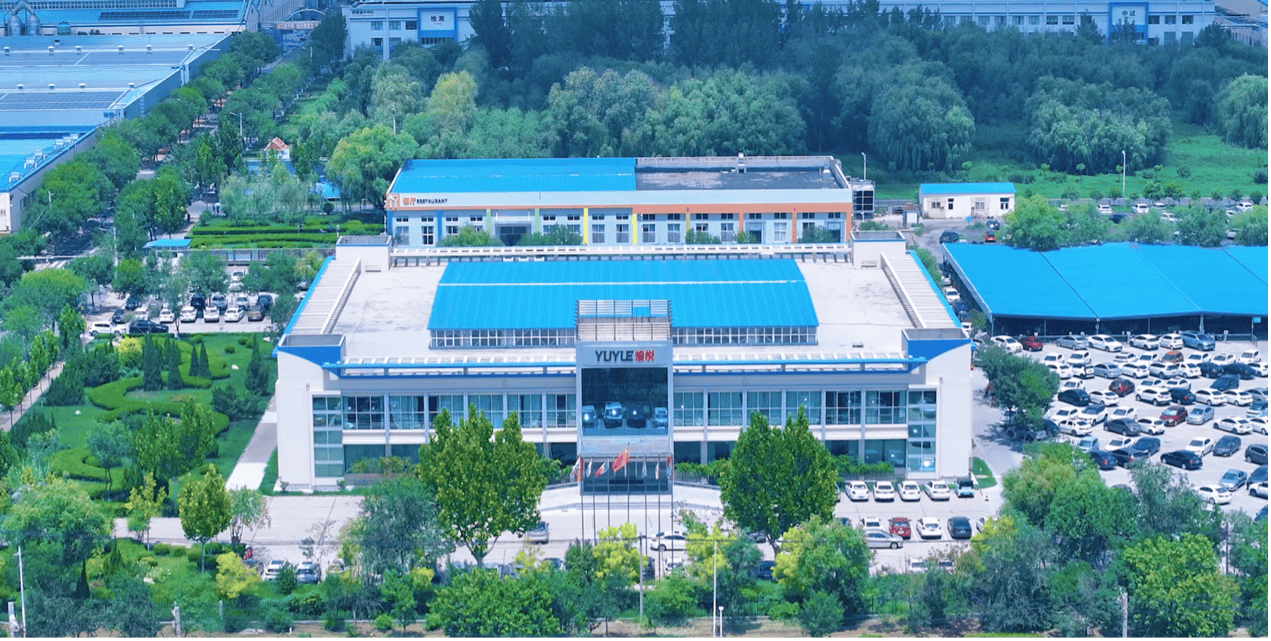
Core Insights - The article highlights the significant growth of China's cross-border e-commerce, with the scale expected to reach 2.15 trillion RMB in 2024, marking a 16.9% year-on-year increase, and the establishment of 178 comprehensive pilot zones for cross-border e-commerce [1][7] - The transformation of traditional manufacturing companies, particularly in the textile industry, is emphasized through the case of Yuyue Home Textile, which has shifted from OEM to building its own brand in the cross-border e-commerce space [1][9] Industry Overview - The textile industry in China has a long history of globalization, dating back over two thousand years, and is now leveraging cross-border e-commerce to reach global consumers efficiently [1][7] - The city of Binzhou is identified as a key cotton planting and textile industrial base, with a complete textile industry system established by the early 21st century [3][7] Company Development - Yuyue Home Textile has developed a robust supply chain that includes organic raw material planting, R&D, spinning, weaving, dyeing, and brand sales, with impressive production capabilities [7][9] - The company produces 20,000 tons of yarn, 150 million meters of woven fabric, 400 million meters of dyed fabric, and 7 million sets of bedding and clothing annually [7] Strategic Shift - The decision to enter cross-border e-commerce was driven by macroeconomic trends and the company's desire to build its own brand, moving from B2B to B2C [9][10] - Yuyue's initial foray into cross-border e-commerce began in 2021 with the launch of its first store on Amazon, coinciding with a significant increase in China's cross-border e-commerce import and export scale [9][10] Methodology and Execution - Yuyue's approach to cross-border e-commerce is characterized by a "two-step" strategy: maintaining product quality while embracing data-driven agile iterations [10][20] - The company employs a three-step strategy of data mining, differentiated design, and refined operations to leverage its manufacturing strengths in the digital marketplace [20][22] Case Studies - The first product launched by Yuyue was a kitchen dishcloth, chosen based on market analysis and consumer pain points, which quickly became a top seller [12][14] - A second successful product was an outdoor picnic mat, developed by identifying a market gap for larger, weather-resistant options, showcasing the company's ability to adapt its manufacturing expertise to consumer needs [17][20] Challenges and Solutions - Yuyue faced inventory challenges but responded with a data-driven approach, creating a flexible inventory system that connected production cycles with market demand [29][30] - The company utilized Amazon's resources and tools to enhance its operational capabilities and brand development, demonstrating the importance of platform support in the transition to e-commerce [22][27] Broader Implications - The article discusses the broader context of China's manufacturing sector's transformation, supported by government policies, market dynamics, and technological advancements [31][32] - Yuyue's journey reflects a larger trend of Chinese manufacturers seeking to establish their brands globally, leveraging the current favorable conditions for cross-border e-commerce [32][35]

巨力索具:收到1项专利证书
Mei Ri Jing Ji Xin Wen· 2025-10-09 09:15
Group 1 - The company, Jili Rigging (SZ 002342), announced the receipt of a patent certificate from the National Intellectual Property Administration of China for an "automated pipe stacking device for oil casing in maritime logistics bases" on October 9, 2025 [1] - For the first half of 2025, the company's revenue composition was as follows: 39.53% from the metal products industry, 37.06% from general equipment manufacturing, 16.9% from the textile industry, and 6.5% from other businesses [1] - As of the report date, Jili Rigging's market capitalization was 7.2 billion yuan [1]

银税合作为合规企业发展保驾护航
Xin Hua Wang· 2025-10-04 06:49
Core Viewpoint - The recent announcement by the National Taxation Administration highlights six cases of tax evasion by gas stations, emphasizing the importance of collaboration between financial institutions and tax authorities in combating tax-related crimes [1][2] Group 1: Tax Evasion Cases - Six gas stations were reported for tax evasion by concealing sales revenue and making false declarations through personal bank accounts [1] - The cases illustrate that personal bank accounts are not a safe haven for tax evasion, stressing the need for effective tax administration [1] Group 2: Financial Institutions and Tax Authorities Collaboration - Continuous deepening of data sharing between banks and tax authorities is crucial for identifying tax risks and abnormal transactions [1] - The collaboration aims to create a fair market environment for compliant businesses and facilitate their access to financial support [1] Group 3: Benefits for Compliant Enterprises - Companies with good tax records, such as A-level taxpayers, have successfully secured significant bank credit, demonstrating the financial benefits of tax compliance [1] - Examples include a bamboo shoot processing company in Yunnan receiving 17 million yuan in credit and a textile company in Fujian enjoying expedited processes for export tax refunds and bank credit [1] - Tax compliance is increasingly becoming a key reference for banks in allocating financial resources, effectively enhancing the awareness of compliant business practices [1]
2025年1-8月中国布产量为210.5亿米 累计下降0.6%
Chan Ye Xin Xi Wang· 2025-10-02 02:08
Group 1 - The core viewpoint of the article highlights the decline in China's fabric production, with a reported decrease of 0.7% year-on-year in August 2025, totaling 2.7 billion meters [1] - Cumulative fabric production from January to August 2025 reached 21.05 billion meters, reflecting a 0.6% decline compared to the previous year [1] Group 2 - The article references several listed companies in the textile sector, including Huamao Co., Ltd. (000850), Xin'ao Co., Ltd. (603889), and others, indicating their relevance to the fabric production market [1] - A report by Zhiyan Consulting titled "2025-2031 China Non-woven Fabric Industry Market Deep Analysis and Future Trend Forecast" is mentioned, suggesting a focus on industry trends and forecasts [1]

2025年1-8月中国纱产量为1542.7万吨 累计增长4.3%
Chan Ye Xin Xi Wang· 2025-10-02 02:08
Group 1 - The core viewpoint of the article highlights the growth in China's yarn production, with a reported output of 203 million tons in August 2025, reflecting a year-on-year increase of 5.3% [1] - Cumulative yarn production from January to August 2025 reached 1,542.7 million tons, showing a cumulative growth of 4.3% [1] Group 2 - The article lists several publicly traded companies in the yarn industry, including Huamao Co., Ltd. (000850), Xin'ao Co., Ltd. (603889), Huafu Fashion (002042), and others [1] - The report referenced is the "2025-2031 China Color Spun Yarn Industry Market Dynamics and Development Trend Analysis Report" published by Zhiyan Consulting [1] - Zhiyan Consulting is noted as a leading industry consulting firm in China, specializing in in-depth industry research and providing comprehensive consulting services for investment decisions [1]

2025年1-7月中国蚕丝及交织机织物(含蚕丝≥30%)产量为1.4亿米 累计下降6.9%
Chan Ye Xin Xi Wang· 2025-10-01 02:40
Core Insights - The report by Zhiyan Consulting highlights a projected decline in the production of silk and silk-blended fabrics in China, with a specific forecast for July 2025 indicating a production volume of 0.2 billion meters, representing a year-on-year decrease of 2.1% [1] - Cumulative production data for the first seven months of 2025 shows a total output of 1.4 billion meters, reflecting a significant decline of 6.9% compared to the previous year [1] Industry Overview - The silk industry in China is experiencing a downward trend in production, as evidenced by the statistics from the National Bureau of Statistics [1] - Zhiyan Consulting, a leading industry consulting firm in China, has been dedicated to in-depth industry research for over a decade, providing comprehensive reports and consulting services to support investment decisions [1]

回不去的繁荣—美国制造业的崛起与衰落
Huachuang Securities· 2025-09-30 08:05
Group 1: Historical Context of Manufacturing - The rise of manufacturing in both the UK and the US was driven by market expansion, following the logic of "market first, industry later" [3] - The UK became a trade center for cotton textiles in the 17th century, with exports increasing from 12,500 pieces in 1614 to 877,789 pieces by 1700, a nearly 70-fold increase [9] - The US experienced rapid population growth in the 19th century, increasing nearly tenfold from 1800 to 1900, which fueled domestic demand for manufacturing [20] Group 2: Decline of US Manufacturing - The US manufacturing sector has faced two significant declines in supply chain support: the first in the 1980s, primarily in machinery and automotive industries, and the second from the 2010s onward across nearly all manufacturing categories [4] - By the late 20th century, the US manufacturing share of global output remained around 30%, but has since been declining due to increased competition from other countries [32] - The US has lost significant comparative advantages in core manufacturing sectors such as machinery, general chemicals, and electronics, while gaining in pharmaceuticals and energy-related sectors [49] Group 3: Factors Contributing to Manufacturing Resilience - The US historically maintained a diverse industrial base and high export diversity, covering nearly all manufacturing categories, which provided resilience against market fluctuations [34] - The high level of supply chain integration in the US allowed for a complete domestic supply chain in many core industries until the late 20th century [40] - The US manufacturing sector benefited from a dual advantage of resource exports and manufactured goods, allowing it to maintain a strong position in global trade [36]
如意集团半年报凸显经营挑战,多元化战略寻求破局之道
Xin Lang Zheng Quan· 2025-09-30 06:59
Core Viewpoint - The textile industry is experiencing a recovery, but Ru Yi Group is facing operational challenges, with a decline in revenue and increased losses in the first half of the year despite overall industry growth [1]. Group 1: Business Performance - Ru Yi Group's core business segments are under pressure, with significant revenue declines in both its worsted woolen fabric and apparel product lines compared to the same period last year [2]. - Both domestic and international sales markets are showing weakness, with a notable decrease in domestic revenue indicating challenges in market expansion [3][4]. Group 2: Technological Innovation - Despite operational challenges, Ru Yi Group is advancing its technology research and innovation, recently launching a new series of 100% polypropylene yarn products that fill a market gap in high-performance yarns [5]. - The new yarn boasts exceptional properties, including low density and high strength, which could open up new innovative applications in downstream markets [6]. Group 3: Future Strategy - The management has outlined future growth drivers, focusing on personalized and team custom orders, technological advancements, and cost reduction to enhance production management [7]. - The company plans to strengthen industry-academia-research integration, particularly in the modification of wool fibers, while currently having no plans for strategic investments or directed share placements to alleviate financial pressures [8]. - Internal governance issues are also a concern, as the controlling shareholder's entire stake is pledged and judicially frozen, with the shareholder listed as a dishonest executor [8]. - Looking ahead, the company is optimistic about improved sales for autumn and winter products, with current orders indicating a more favorable outlook for this season [8].

棒杰股份:9月29日召开董事会会议
Mei Ri Jing Ji Xin Wen· 2025-09-29 10:43
Group 1 - The core point of the article highlights the announcement made by Bangjie Co., Ltd. regarding its board meeting and the upcoming temporary shareholders' meeting scheduled for 2025 [1] - For the first half of 2025, Bangjie Co., Ltd. reported that 96.67% of its revenue came from the textile industry, while other businesses contributed 3.33% [1] - As of the report, Bangjie Co., Ltd. has a market capitalization of 2.3 billion yuan [1] Group 2 - The article discusses the competitive landscape between Nongfu Spring and Yibao, indicating that Nongfu Spring's new green bottle product has led to a significant market share decline for Yibao, dropping nearly 5 percentage points [1] - The report suggests that despite the competition, the real beneficiary of the market changes appears to be Zhong Fu Li [1]

恒天海龙:9月29日召开董事会会议
Mei Ri Jing Ji Xin Wen· 2025-09-29 10:43
Group 1 - Hengtian Hailong (SZ 000677) held its 13th first board meeting on September 29, 2025, to discuss the election of committee members and conveners [1] - For the first half of 2025, Hengtian Hailong's revenue composition was as follows: 93.09% from tarpaulin, 4.34% from other industries, and 2.58% from personal care products [1] - As of the report date, Hengtian Hailong's market capitalization was 4.2 billion yuan [1] Group 2 - The competition between Nongfu Spring and Yibao has intensified, with Nongfu Spring's green bottle launch leading to a significant market share decline for Yibao, dropping nearly 5 percentage points [1]
