
Retail

Search documents
Fnac Darty: 2025 preliminary unaudited results
Globenewswire· 2026-01-26 06:30
Core Insights - EP Group, controlled by Daniel Křetínský, has proposed a public tender offer for the outstanding shares and OCEANEs of Fnac Darty [2] - The retail sector in France is facing significant challenges, with a decline in activity observed in December, particularly in stores, but Fnac Darty has managed to outperform the market due to its omnichannel and service-oriented strategy [3] - The Group's revenue for 2025 is projected to be stable at €10,330 million, with a slight increase in current operating income expected to reach €203.1 million [5][9] Financial Performance - The estimated revenue for 2025 is expected to show a +0.7% increase year-on-year, with France contributing +0.5% and the rest of Europe +1.1% [10] - The current operating margin is anticipated to reach 2.0% by the end of December 2025, reflecting an increase of approximately 5 basis points [6][10] - Free Cash Flow is projected to be around €145 million, consistent with 2024 figures excluding asset disposals [6][9] Strategic Developments - The Group is actively seeking a partner for Nature & Découvertes to better support its development, with a reclassification in financial statements as of December 31, 2025, in accordance with IFRS 5 [4][9] - The strategic roadmap, known as the Beyond everyday plan, is being implemented with confidence, and objectives for 2030 have been reaffirmed [7] - The audited annual results for 2025 are scheduled to be published on February 25, 2026, after market close [7][13]

以旧换新新政深圳落地:港客买华为三折叠手机能省近2000元
21世纪经济报道· 2026-01-26 05:52
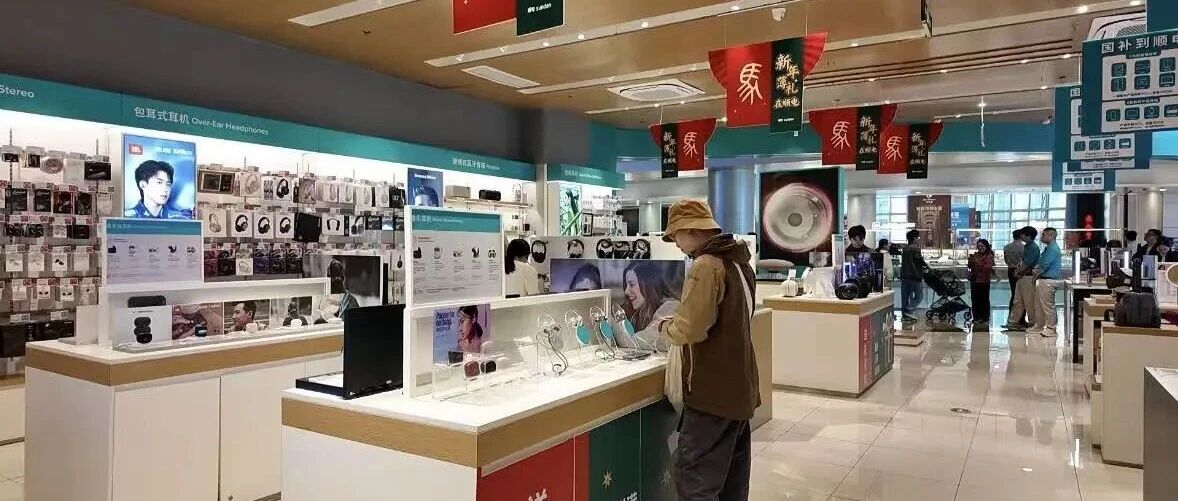
Core Viewpoint - The implementation of the old-for-new policy in Shenzhen has significantly boosted local consumption, particularly benefiting both local residents and Hong Kong visitors who can take advantage of dual policies such as tax refunds and discounts [1][2]. Group 1: Policy Impact on Consumption - The old-for-new policy, combined with the New Year holiday effect, has rapidly stimulated the local consumption market in Shenzhen [1]. - In 2025, Shenzhen saw a substantial increase in the number of tax refund stores, with over 1,000 new stores opened, bringing the total to over 2,000 [3]. - The introduction of the first city duty-free store in Shenzhen on August 26, 2025, marked a new phase in the inbound consumption market, featuring a variety of domestic products [3]. Group 2: Hong Kong Visitors' Spending Trends - In 2025, the total number of inbound and outbound personnel through Shenzhen-Hong Kong land ports reached 264 million, with Hong Kong and Macau residents accounting for over 60% [4]. - The consumption behavior of Hong Kong visitors has shifted from low-priced items to a broader range of products, including electronics and luxury goods, driven by tax refund policies [5][7]. - The average spending per transaction for Hong Kong visitors is now between 5,300 to 6,000 yuan, with higher-priced items like computers seeing significant sales [10]. Group 3: Retail Environment Enhancements - Shenzhen's commercial establishments are enhancing the shopping environment for Hong Kong visitors by implementing bilingual services, optimizing payment methods, and providing shuttle services from ports to shopping centers [14][15]. - The establishment of specialized teams in shopping malls, such as the one in Shenzhen MixC, focuses on improving services for Hong Kong visitors and expanding tax refund operations [16]. - Despite the improvements, there are still areas for enhancement, such as better information dissemination and language support for Hong Kong visitors [17]. Group 4: Broader Implications - The consumption trends driven by Hong Kong visitors are influencing other cities, with officials from places like Xiamen and Wuhan seeking to learn from Shenzhen's practices in tax refunds and visitor services [18].
“神农美特好”首批16家门店开业
Sou Hu Cai Jing· 2026-01-26 01:10
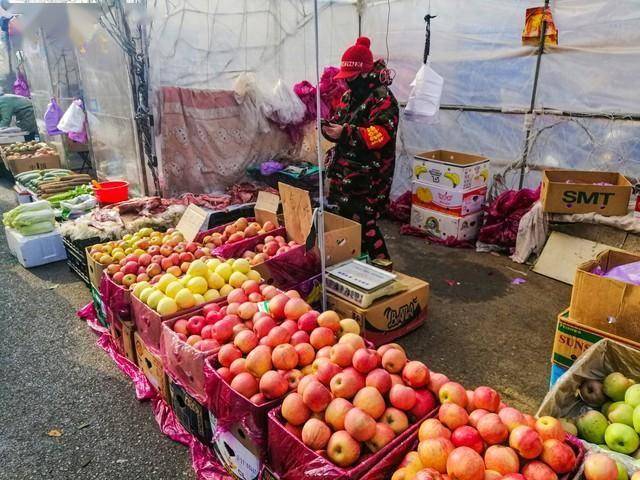
Core Insights - The opening of 16 new stores by Shen Nong Mei Te Hao offers affordable prices and a wide range of products, enhancing the shopping experience for local residents [1][3][4] Group 1: Store Operations - The new stores feature over 9,000 products, with a 30% increase in fresh goods compared to previous offerings, ensuring a steady supply before and after the New Year [5] - Prices are set at competitive rates, with examples including 30 eggs for 9.9 yuan and cherries priced at 99 yuan per box (5 pounds), which have been well-received by consumers [1][5] Group 2: Staff and Service - The stores retain experienced staff who have undergone systematic training, combining traditional skills with new standards to enhance customer service [2][5] - The presence of a state-owned enterprise has increased consumer trust, particularly regarding food purchases, as expressed by local shoppers [2][5] Group 3: Community Impact - The new supermarkets contribute to the local economy by providing reliable options for purchasing New Year goods, thereby improving the quality of life for residents in Taiyuan [6] - The initiative reflects the commitment of the provincial state-owned enterprise to meet community needs and integrate into urban development, aiming to enhance the overall sense of well-being and security for citizens [6]
专家说出实话!春节还没开始,这3个反常现象就已出现,太真实
Sou Hu Cai Jing· 2026-01-25 16:26
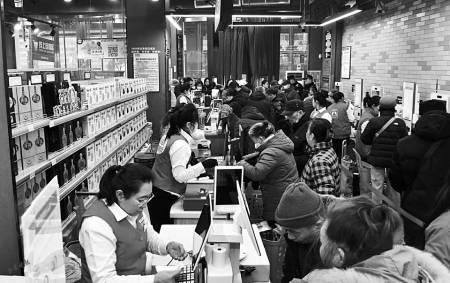
Group 1 - The core observation is that consumer behavior during the upcoming Spring Festival is shifting significantly, with a noticeable decline in traditional shopping venues and a rise in online purchasing [5][11][19] - Traditional markets and physical stores are experiencing lower foot traffic, with some vendors reporting sales at only 30% of previous years [7][9] - Online platforms, particularly live-streaming and e-commerce, are thriving, with sales of pre-packaged meals and traditional goods seeing substantial increases, indicating a shift in how consumers approach holiday shopping [11][13][15] Group 2 - There is a trend of consumers being more cautious with high-value purchases, such as gold and premium alcohol, with many opting to wait rather than buy at elevated prices [19][21][25] - The luxury goods market is experiencing a bifurcation, where high-end stores see reduced traffic while discount outlets remain busy, reflecting a preference for value over brand prestige [29] - Consumers are increasingly focused on practicality and experience rather than quantity, with a preference for smaller, high-quality purchases over large, extravagant displays [33][35][41] Group 3 - The approach to holiday meals and gifting is evolving, with a preference for convenience and simplicity, as evidenced by the rise in demand for pre-prepared meal kits and minimalist gift packaging [37][39][43] - The emphasis is shifting from excessive consumption to meaningful experiences, with families prioritizing quality time over the quantity of goods purchased [41][43]
Defensive ETFs: KXI Charges Lower Fees, While FTXG Provides More Income
Yahoo Finance· 2026-01-24 19:12
Core Insights - The article compares two ETFs: First Trust Nasdaq Food & Beverage ETF (FTXG) and iShares Global Consumer Staples ETF (KXI), highlighting their differences in focus, cost, performance, and sector concentration. Group 1: ETF Characteristics - FTXG is concentrated with only 31 holdings, primarily in the U.S. consumer defensive sector, particularly food and beverage companies like Archer-Daniels-Midland, PepsiCo, and Mondelez [1] - KXI has a broader scope with 96 holdings, including global consumer staples such as Walmart, Costco, and Philip Morris, and maintains a 97% focus on consumer defensive stocks [2][4] - KXI is significantly larger with over $930 million in assets under management (AUM) compared to FTXG's $17 million, providing greater liquidity for investors [8] Group 2: Cost and Performance - KXI has a lower expense ratio of 0.39% compared to FTXG's 0.60%, making it more affordable for investors [3][8] - FTXG offers a higher dividend yield of 2.8% versus KXI's 2.2%, appealing to income-focused investors [9] - KXI's broader global exposure may help mitigate regional risks and sector-specific shocks, while FTXG's narrower focus may attract those seeking targeted investments [5][6] Group 3: Investment Considerations - Both ETFs target defensive stocks, but FTXG focuses on U.S. food and beverage companies, while KXI offers a global perspective across the entire consumer staples sector [4][7] - Investors may choose between the two based on their goals for income generation, diversification, and sector exposure [10]
Dino Polska: Are Unions About To Bite This Growth Story?
Seeking Alpha· 2026-01-24 13:30
Group 1 - The article discusses Poland's minimum wage, which is projected to rise by approximately 3% by 2026, reaching PLN 4,806, falling short of the PLN 5,015 target set by unions [1] - The author is an equity analyst and founder of a research firm focused on the U.S. restaurant industry, covering various segments including quick-service, fast casual, fine dining, and niche concepts [1] - The research firm employs advanced financial modeling and sector-specific KPIs to identify hidden value in public equities, particularly in micro and small-cap stocks often overlooked by mainstream analysts [1] Group 2 - The analyst has a background in finance and business management, holding an MBA in Controllership and Accounting Forensics, and a Bachelor's in Business Administration [1] - Specialized training in valuation, financial modeling, and restaurant operations has been pursued, including experience as a franchise partner for a regional ice cream shop [1]
Walmart (NASDAQ:WMT) Price Target and Performance Overview
Financial Modeling Prep· 2026-01-24 00:03
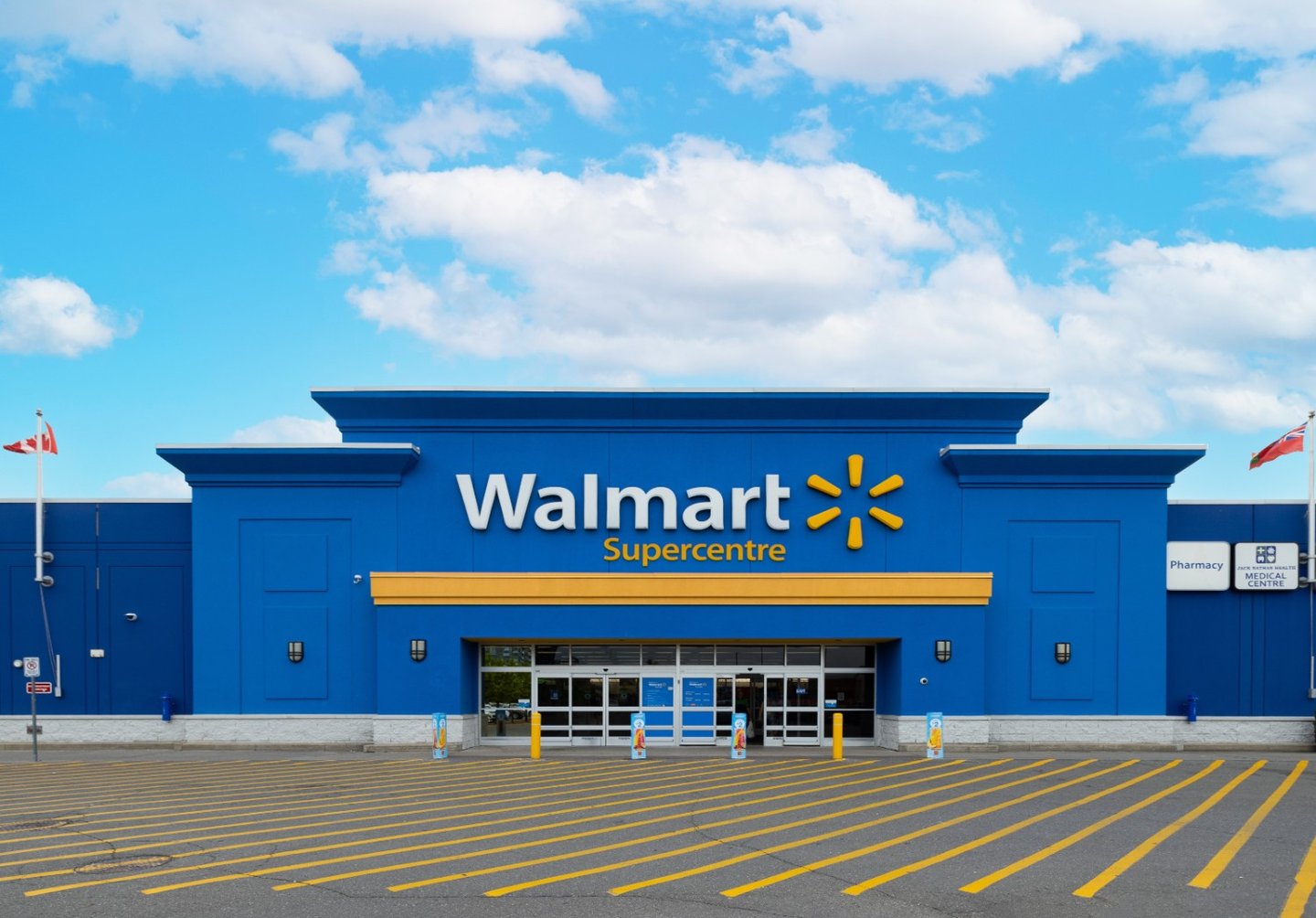
Core Viewpoint - Walmart is positioned as a resilient retail giant with strong investor confidence, anticipating growth in earnings and revenue in the upcoming report [1][2][3]. Group 1: Stock Performance - Walmart's stock price has recently declined by 1.25%, yet it has appreciated by 6.94% over the past month, outperforming the Retail-Wholesale sector's gain of 4.28% and the S&P 500's gain of 0.71% [2][5]. - The stock has traded between $117.14 and $118.61 today, with a slight decrease of 0.04% to $117.78 [4]. Group 2: Earnings Expectations - Walmart is expected to announce an EPS of $0.73, reflecting a 10.61% increase from the same quarter last year [3][5]. - Projected revenue for the upcoming earnings report is $190.04 billion, indicating a 5.25% rise from the previous year's quarter [3][5]. Group 3: Market Position - Walmart has a market capitalization of approximately $939 billion, maintaining its status as a dominant player in the retail industry [4]. - Tigress Financial has set a price target of $135 for Walmart, suggesting a potential increase of 14.59% from its current price of $117.82 [1][5].

The future of shopping has arrived — and Google wants to run it
CNBC· 2026-01-23 17:56
Core Insights - Alphabet's Google is transitioning to "agentic commerce," where AI not only suggests purchases but also executes them, fundamentally changing the online retail experience [1] - The Universal Commerce Protocol (UCP) was introduced to facilitate autonomous AI agents in managing complex shopping tasks, enhancing the customer experience and retailer participation [1] - Google is leveraging its vast user data and AI capabilities to position itself as a leader in the evolving AI commerce landscape, moving from a reactive to an offensive strategy [2] Company Developments - Google unveiled the UCP at the National Retail Federation conference, designed to streamline shopping processes such as discount codes and payment processing [1] - The UCP was developed in collaboration with major retailers like Wayfair, Shopify, Walmart, Etsy, and Target, aiming to enhance the shopping journey through AI integration [1] - The Gemini AI model has gained significant traction, with over 650 million monthly users and 2 million business users shortly after launch, indicating strong market acceptance [1] Competitive Landscape - OpenAI's ChatGPT has entered the agentic commerce space with its Instant Checkout feature, which allows users to make purchases directly within the chat interface [1] - Amazon's generative AI shopping agent, Rufus, provides product comparisons and recommendations but does not complete transactions, highlighting a gap in its capabilities compared to Google's offerings [1] - Analysts believe Google's extensive user data and established ecosystem give it a competitive edge in the AI commerce sector [1] Market Outlook - Analysts have a bullish outlook on Alphabet, with price targets set at $310 and $330, reflecting confidence in the company's AI momentum and retail partnerships [1] - The upcoming fiscal 2025 fourth-quarter report is anticipated to provide further insights into Alphabet's AI strategy and future plans for 2026 [2] - The introduction of UCP is seen as a pivotal moment that could redefine retail search and commerce, moving towards a "Chat-Then-Buy" model [1]


X @Bloomberg
Bloomberg· 2026-01-23 16:10
The online arm of Saks Global Enterprises won court approval to hire a liquidator to sell its inventory separately from the rest of the luxury retailer https://t.co/StJmKyyph7 ...
Trump's attack on the affordability crisis makes these stocks buyable
Yahoo Finance· 2026-01-23 14:37
Core Viewpoint - J.P. Morgan strategists suggest that the Trump administration's focus on affordability may create investment opportunities in value-oriented stocks ahead of the November midterm elections [1] Group 1: Investment Opportunities - A bullish outlook on low-end consumer sensitive stocks is reiterated, with factors such as fiscal spending, tax cuts, and lower gasoline prices contributing to this sentiment [2] - Stocks identified as benefiting from this trend include SouthWest Airlines, Dutch Bros., Walmart, Dollar Tree, Dollar General, Citigroup, and Chime Financial [2] - Most of these stocks have outperformed the S&P 500 in 2026, indicating potential earnings upside due to affordability-related catalysts [3] Group 2: Policy Changes - An executive order has been signed by Trump to ban large institutional investors from purchasing single-family homes, with further details on implementation still unclear [4] - Trump proposed a cap on credit card interest rates at 10% for one year starting January 20, although the feasibility and legal enforceability of this cap remain uncertain [5] Group 3: Economic Factors - A significant decline in oil prices over the past year has led to lower gasoline prices, with projections indicating that the annual average price may fall below $3 per gallon in 2026 [5] - The reduction in gas prices is expected to provide substantial savings for consumers, estimated at $20-25 billion for the year if gasoline prices average around $2.90 [6]