医疗服务

Search documents
外国人扎推来华看病挤占医疗资源?真相是
Di Yi Cai Jing· 2026-01-19 22:35
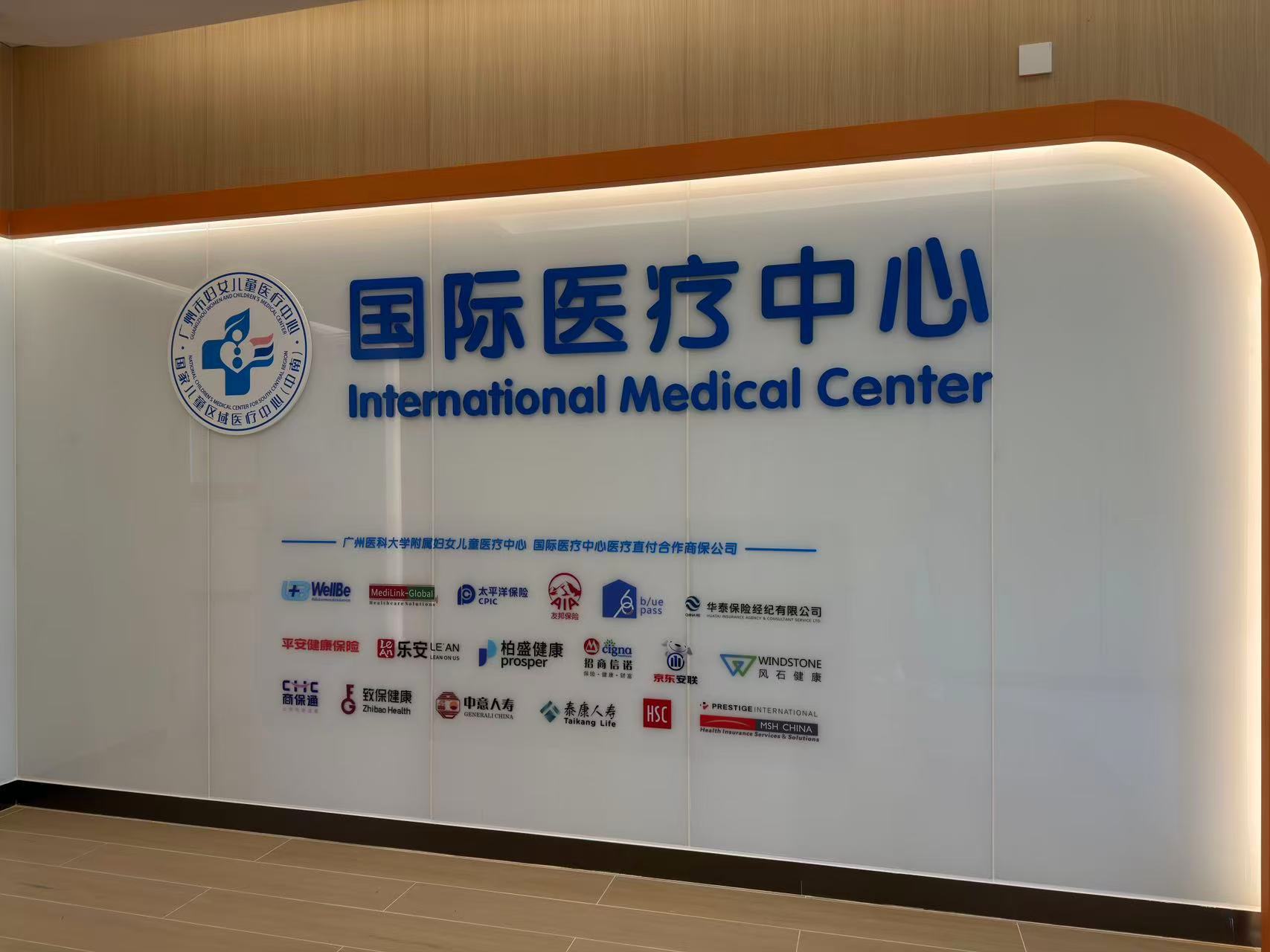
Core Viewpoint - The article discusses the current state of international patients seeking medical treatment in China, highlighting the advantages of Chinese healthcare services, the challenges in attracting more foreign patients, and the potential for cross-border medical tourism to shift from a deficit to a surplus. Group 1: Current State of International Patients in China - The number of international patients seeking treatment in China is still relatively low, primarily consisting of expatriates working in China, contrary to social media portrayals [1] - International patients are attracted to the efficiency of Chinese hospitals, with shorter wait times for treatment compared to countries like the UK [2] - The appeal of Chinese healthcare also includes the cost-effectiveness of treatments, such as dental procedures, which can be significantly cheaper than in Western countries [5] Group 2: Advantages of Chinese Medical Services - Chinese hospitals have the capability to offer advanced treatments like CAR-T cell therapy, which is not widely available in many countries, and the preparation time for such treatments is significantly shorter in China [6] - The cost of CAR-T therapy in China is substantially lower than in other countries, making it an attractive option for patients from abroad [6] - The establishment of international medical departments in public hospitals aims to cater to the needs of foreign patients without compromising domestic healthcare resources [10] Group 3: Challenges and Opportunities - Despite the advantages, there are still significant barriers to attracting more international patients, including limited awareness of Chinese medical services abroad and the need for better promotional efforts [13] - Issues such as the lack of access to international health insurance and visa restrictions for long-term treatment remain obstacles for foreign patients seeking care in China [15] - The potential for growth in cross-border medical tourism is significant, especially for patients from neighboring countries and overseas Chinese, but requires addressing existing challenges [14]

晋宁二院通过国家标准化代谢性疾病管理中心评审
Xin Lang Cai Jing· 2026-01-19 22:17
扫码关注健康昆明 代谢性疾病包括糖尿病、肥胖症、高脂血症等,是威胁人们健康的主要慢性疾病之一。国家标准化代谢 性疾病管理中心由国家内分泌代谢病临床医学研究中心牵头建设,通过整合优质诊疗资源、规范临床诊 疗流程、实现医疗数据共享,为慢病患者构建起集筛查、诊断、治疗、随访于一体的全周期健康管理体 系。 此次成功获批国家级授牌,是对晋宁区第二人民医院代谢性疾病诊疗水平与管理能力的权威认可,更是 医院深耕慢病管理领域、推进学科高质量发展的重要里程碑。 本报讯 记者黄河清 通讯员张俊锁报道 近日,昆明市晋宁区第二人民医院国家标准化代谢性疾病管理中 心通过国家级评审,正式获批授牌。 ...
内蒙古跨境“航空+医疗”成功救治蒙古国患者
Xin Lang Cai Jing· 2026-01-19 21:14
(来源:内蒙古日报) 转自:内蒙古日报 本报锡林郭勒1月19日电 (记者 巴依斯古楞 通讯员 梁晓虹)1月16日至17日,二连浩特赛乌素国际机场 成功保障蒙古国患者乌云其其格搭乘"乌兰巴托—二连浩特—赤峰"航线来我国就医,从入境中转到完成 腰椎压缩骨折微创手术仅耗时约24小时,中蒙跨境医疗便捷通道迈入常态化运行新阶段。 在接到患者因腰椎压缩骨折求助后,二连浩特赛乌素国际机场立即启动跨境"航空+医疗"响应机制,联 动首都医科大学宣武医院内蒙古医院(赤峰市医院)开展远程会诊、制定治疗方案,协调联检单位、航 空公司等开通绿色通道,提供专人陪护、中转保障等专属服务,克服降雪天气影响确保航班顺畅。患者 一行16日入境二连浩特市后中转赴赤峰市,抵达后直赴医院完成术前检查,17日上午顺利完成微创手 术。 跨境"航空+医疗"首例患者成功转运,充分彰显了二连浩特航空口岸在整合跨境资源、构建高效服务闭 环方面的能力。二连浩特赛乌素国际机场凭借区位优势与口岸功能,以国家区域医疗中心为支撑,依 托"乌兰巴托—二连浩特—赤峰"国际+国内支线联运航线,系统整合了航空运输、医疗诊治、翻译协 助、通关保障等多方资源,构建起从"入境通关、医疗 ...
沈阳健康体重管理门诊扩至40家 全链条服务守护市民体重健康
Xin Lang Cai Jing· 2026-01-19 20:11
Core Insights - The article discusses the expansion of health weight management clinics in Shenyang, increasing from 25 to 40, with all tertiary public hospitals meeting standards to provide comprehensive services for citizens' health weight management [1] Group 1: Health Weight Management System - The Shenyang Health Commission aims for full coverage of health weight management clinics in tertiary hospitals and children's hospitals by June 2025, establishing a comprehensive service network from screening to long-term follow-up [2] - Shenyang has integrated resources from 11 departments to promote standardized construction of public hospitals, achieving full coverage in tertiary hospitals and upgrading secondary hospitals and grassroots medical institutions [2] - All 40 clinics are equipped with multidisciplinary teams, including endocrinology, nutrition, and rehabilitation, offering appointment-based consultations and referral mechanisms for citizens to access professional services nearby [2] Group 2: Multidisciplinary Collaboration - The health weight management service model in Shenyang is continuously upgraded, with leading institutions like Shenyang First People's Hospital implementing a "1+3+N" multidisciplinary collaboration model, led by general practitioners and involving clinical doctors, nutritionists, and health managers [2] - Tailored plans are developed for different populations, such as a dual-track "nutrition + exercise" plan for adolescents and low-intensity exercise guidance for elderly patients to manage obesity while considering chronic diseases [3] Group 3: Scientific Approach to Weight Management - Shenyang's public health clinics emphasize medical standardization, equipped with professional devices for comprehensive medical assessments, including body fat percentage and metabolic monitoring [4] - Interventions follow a scientific standard of not exceeding a 1% weight loss per week, utilizing dietary optimization, fragmented exercise guidance, and behavioral correction, combined with standardized medication to avoid health risks from extreme weight loss [4] - An internet-based follow-up platform allows health managers to track data on diet, exercise, and sleep, creating a closed-loop management model to effectively reduce rebound rates [4] Group 4: Future Directions - The next steps include enhancing collaboration between tertiary hospitals and grassroots medical institutions, integrating weight management services into family doctor contracts, and strengthening interventions and health education for children and adolescents [4] - Citizens can access detailed information about the 40 health weight management clinics through the Shenyang Health Commission's official website and public accounts, facilitating professional medical weight loss guidance [4]
锦欣生殖(01951.HK):1月19日南向资金增持213.85万股
Sou Hu Cai Jing· 2026-01-19 19:26
Group 1 - Southbound funds increased their holdings in Jinxin Fertility (01951.HK) by 2.1385 million shares on January 19 [1] - Over the past 5 trading days, southbound funds have reduced their holdings on 4 days, with a total net reduction of 17.843 million shares [1] - In the last 20 trading days, there were 13 days of net reductions by southbound funds, totaling 28.1335 million shares [1] Group 2 - As of now, southbound funds hold 1.439 billion shares of Jinxin Fertility, accounting for 52.17% of the company's issued ordinary shares [1] - Jinxin Fertility Medical Group Limited is an investment holding company primarily providing in vitro fertilization (IVF) services [1] - The company offers assisted reproductive services, management services, mobile surgical center facility services, auxiliary medical services, obstetrics and pediatrics medical services, as well as sales of medical consumables and equipment, mainly in China and the United States [1]

兵粤携手打造紧密型医联体守护职工群众健康
Xin Lang Cai Jing· 2026-01-19 19:14
根据协议,中山大学孙逸仙纪念医院宋尔卫院士团队将聚焦乳腺肿瘤、肿瘤综合治疗、泌尿外科、重症 医学科四大领域,长期派驻临床专家,系统开展技术帮扶、人才培训与管理提升工作。通过柔性派 驻、"师带徒"、远程协作等多种形式,双方将在医疗技术、学科建设、人才培养、医院管理等方面构 建"医、管"协同的新型合作机制,共同探索可复制、可持续的"造血式"医疗援疆新路径,推动优质医疗 资源深植兵团,更好护佑职工群众健康。 据悉,兵团医院将以此次建立紧密型医联体为契机,坚持以职工群众健康需求为导向,加快推进资源共 享与能力提升,努力将医院建设成兵团区域医疗中心。 本报乌鲁木齐讯(全媒体记者 郑娅莉) 1月18日,兵团医院与中山大学孙逸仙纪念医院签署深化援疆帮 扶、建立紧密型医疗联合体合作协议。双方将依托中山大学孙逸仙纪念医院的优质医疗资源与品牌优 势,就多个重点学科开展临床研究与技术创新,共同制定高水平诊疗共识与指南,助力兵团医院逐步建 设成为全疆疑难重症诊疗高地,打造辐射中亚地区的医学交流与服务中心。 ...
国家级培训基地落地省肿瘤医院
Xin Lang Cai Jing· 2026-01-19 17:08
(来源:南京晨报) 转自:南京晨报 "一人住院,全家奔波",这是长期以来困扰无数患者家庭的现实难题,对于肿瘤患者家庭而言,这份负 担更显沉重。当肿瘤患者对专业照护的需求日益迫切,一支规范化、专业化的医疗护理员队伍成为破解 困局的关键。近日,江苏省肿瘤医院(南京医科大学附属肿瘤医院)第一期医疗护理员培训班正式开 班,作为省内首家获批的国家卫健委人才交流服务中心培训合作三甲医疗单位,医院将依托国家级平台 与肿瘤专科优势,系统性培养医疗护理员人才,推动肿瘤患者照护从"基础生活照料"向"专业化辅助护 理"转型。 政策赋能+专科优势,"苏肿"扛起国家级培训重任 "医院能获批国家级培训基地,既是国家对我们专业能力的认可,更是我们肩负的一份社会责任。"江苏 省肿瘤医院党委书记束一平在开班仪式上致辞表示,作为省级肿瘤专科医院,医院在护理教学领域积累 了深厚底蕴,强大的师资力量与完善的教学体系,为医疗护理员培训提供了坚实保障。 据悉,江苏省内仅有两家单位获批该国家级培训基地资质,江苏省肿瘤医院是其中唯一的三甲医 院。"我们的核心优势在于临床实践资源与肿瘤专科特色。"束一平说,医疗护理员的核心职责是协助护 士完成患者的基础生活照 ...
外国人扎推来华看病挤占医疗资源?真相是→
第一财经· 2026-01-19 15:54
Core Viewpoint - The article discusses the current state and potential of cross-border medical services in China, highlighting the increasing number of international patients seeking treatment in Chinese hospitals due to factors such as efficiency, cost-effectiveness, and the availability of advanced medical technologies [1][2]. Group 1: International Patients in China - A significant portion of international patients in China are expatriates working in the country, with the actual number of foreign patients seeking treatment being lower than social media suggests [1][2]. - The efficiency of Chinese hospitals is a major draw for international patients, as exemplified by a patient who experienced a much quicker treatment timeline in China compared to the lengthy processes in the UK [4]. - Some foreign patients are attracted by China's unique traditional medicine practices, utilizing the visa-free entry policy to combine travel with medical treatment [5][6]. Group 2: Cost-Effectiveness of Medical Services - Many international patients are drawn to China due to the cost advantages of medical procedures, such as dental implants, which can be significantly cheaper than in their home countries [8][9]. - A patient from the US calculated that the total cost of dental implants in China was about half of what it would have been in the US, even after accounting for travel expenses [9]. Group 3: Advanced Medical Technologies - China's advancements in medical technologies, particularly in CAR-T cell therapy, are attracting international patients seeking cutting-edge treatments that may not be available in their home countries [9][10]. - The article notes that the preparation time for CAR-T therapies in China can be significantly shorter than in other countries, making it a more viable option for patients who cannot afford to wait [10]. Group 4: Challenges and Opportunities - Despite the potential for growth in cross-border medical services, challenges such as language barriers, unfamiliarity with domestic medical processes, and limited access to international health insurance remain significant obstacles [12][20]. - The article emphasizes the need for improved marketing and awareness of China's medical capabilities to attract more international patients, as many are still unaware of the services available [17][21]. - The development of international medical departments in public hospitals aims to cater to foreign patients without compromising domestic healthcare resources [12][14].

三博脑科(301293.SZ):目前不涉及脑机接口产品的研发、生产及销售
Ge Long Hui· 2026-01-19 15:35
格隆汇1月19日丨三博脑科(301293.SZ)在投资者互动平台表示,公司是以神经专科为特色的医疗服务集 团,下属院区主要为患者提供以高精尖神经外科为主的综合医疗服务。公司目前不涉及脑机接口产品的 研发、生产及销售。前期投资认购的北脑一期基金的投资领域将主要投资于新一代用于脑科疾病检查诊 断、治疗等领域的医疗器材、耗材及药物等。 ...

外国人扎推来华看病挤占医疗资源?一财调研披露真相
Di Yi Cai Jing· 2026-01-19 14:18
Core Viewpoint - China's cross-border medical services face significant challenges in transforming from a "deficit" to a "surplus" in attracting international patients, despite having the necessary conditions and advantages to do so [1][12]. Group 1: Current State of International Patients in China - The majority of international patients in China are expatriates working in the country, with the actual number of foreign patients seeking medical treatment being relatively low compared to social media portrayals [1]. - Foreign patients are drawn to China's medical services primarily due to the efficiency of large hospitals, as exemplified by a patient who experienced a significantly faster treatment timeline in China compared to the UK [2]. - Some foreign visitors utilize China's visa-free entry policy to combine tourism with traditional Chinese medicine experiences [3][4]. Group 2: Cost Advantages and Treatment Options - Many foreign patients are attracted to the cost-effectiveness of medical services in China, such as dental implants, which can be significantly cheaper than in their home countries [5][6]. - The clinical capabilities in China, particularly in advanced treatments like CAR-T cell therapy, are gaining international recognition, with a notable price advantage compared to other countries [6][7]. Group 3: Challenges and Opportunities - Despite the potential for growth, the number of international patients seeking innovative treatments in China remains limited, with many being highly educated individuals who actively research their options [7]. - The establishment of international medical departments in public hospitals aims to cater to foreign patients without compromising domestic healthcare resources, promoting a multi-tiered healthcare system [9][10]. - There are significant barriers to attracting international patients, including issues with commercial health insurance acceptance, visa limitations, and the need for improved payment systems for cross-border medical services [15]. Group 4: Comparative Analysis with Other Countries - China currently lags behind countries like South Korea and Malaysia in attracting international patients, with a need to enhance its global marketing efforts and healthcare service visibility [13][14]. - The potential for growth in medical tourism exists, particularly among patients from neighboring countries and overseas Chinese, who may seek affordable and high-quality medical services in China [12][13].