跨境医疗旅游

Search documents
跨境医疗图谱:中国市场如何接招?
2 1 Shi Ji Jing Ji Bao Dao· 2026-02-11 07:57
Core Insights - The global cross-border medical market is experiencing significant growth, driven by diverse patient needs and preferences for higher quality or cost-effective healthcare options [2][4][7] Group 1: Market Trends - The global cross-border medical tourism market is projected to grow from $114.2 billion in 2024 to $250 billion by 2032, with a compound annual growth rate (CAGR) of approximately 10.29% [2] - There are two main patient flows: high-net-worth individuals from developing countries seeking advanced medical care in developed nations, and lower-income groups from developed countries looking for more affordable healthcare options abroad [1][4] Group 2: Regional Insights - Switzerland's Montreux is recognized as a premier destination for high-end medical wellness, combining healthcare with tourism, which has led to significant regional economic growth [3] - India stands out in the cross-border medical market due to its cost and efficiency advantages, with an estimated medical tourism valuation of $9 billion in 2020, expected to reach $13 billion by 2026 [4][6] - South Korea has developed a strong identity in cross-border medical services, particularly in cosmetic surgery and dental care, attracting 248,000 international patients in 2022 [6][5] Group 3: China's Position - China has the potential to attract patients from neighboring emerging markets and high-cost countries, particularly those seeking efficiency and cost-effectiveness in healthcare [7][8] - Recent cases show that Chinese hospitals are beginning to receive international patients, indicating a growing trend in cross-border healthcare services [8] - The establishment of a clear public-private division in healthcare services is essential to balance the needs of international patients and local public services [9][10] Group 4: Policy and Infrastructure - The development of a comprehensive cross-border medical service requires improvements in medical visa facilitation, cross-border payment systems, and international marketing [12] - Hainan Boao Lecheng is emerging as a leading area for cross-border medical services in China, benefiting from favorable policies and a focus on innovative healthcare solutions [12]
两会三人行|北京入境游的N个新玩法
Bei Jing Shang Bao· 2026-01-26 13:42
Core Insights - The inbound tourism market in Beijing is shifting towards personalized and immersive experiences, with a focus on cultural depth and sustainability, as indicated by the increasing demand for unique travel experiences among visitors [1][4][5] Group 1: Market Trends - Inbound tourists are increasingly seeking personalized experiences, moving from traditional sightseeing to immersive cultural experiences, such as hands-on workshops and local interactions [4][5] - The demand for deep cultural engagement reflects a broader trend where tourists prefer unique destinations over conventional tourist spots, indicating a shift towards customized travel experiences [5][6] Group 2: Emerging Opportunities - The rise of immersive rural tourism is gaining popularity among inbound tourists, with Beijing's proximity to rural areas allowing for unique agricultural and cultural experiences [6][7] - Travel agencies are encouraged to diversify their offerings to include rural and experiential tourism, catering to the younger demographic that prefers customized travel arrangements [7] Group 3: Cross-Border Medical Tourism - The improvement of China's healthcare services is attracting inbound tourists interested in combining travel with medical care, particularly in areas like dental and traditional Chinese medicine [8][9] - There is a need for better integration of cultural experiences within medical services to enhance the appeal of cross-border medical tourism and promote Chinese cultural understanding [9]



外国人扎推来华看病挤占医疗资源?真相是
Di Yi Cai Jing· 2026-01-19 22:35
Core Viewpoint - The article discusses the current state of international patients seeking medical treatment in China, highlighting the advantages of Chinese healthcare services, the challenges in attracting more foreign patients, and the potential for cross-border medical tourism to shift from a deficit to a surplus. Group 1: Current State of International Patients in China - The number of international patients seeking treatment in China is still relatively low, primarily consisting of expatriates working in China, contrary to social media portrayals [1] - International patients are attracted to the efficiency of Chinese hospitals, with shorter wait times for treatment compared to countries like the UK [2] - The appeal of Chinese healthcare also includes the cost-effectiveness of treatments, such as dental procedures, which can be significantly cheaper than in Western countries [5] Group 2: Advantages of Chinese Medical Services - Chinese hospitals have the capability to offer advanced treatments like CAR-T cell therapy, which is not widely available in many countries, and the preparation time for such treatments is significantly shorter in China [6] - The cost of CAR-T therapy in China is substantially lower than in other countries, making it an attractive option for patients from abroad [6] - The establishment of international medical departments in public hospitals aims to cater to the needs of foreign patients without compromising domestic healthcare resources [10] Group 3: Challenges and Opportunities - Despite the advantages, there are still significant barriers to attracting more international patients, including limited awareness of Chinese medical services abroad and the need for better promotional efforts [13] - Issues such as the lack of access to international health insurance and visa restrictions for long-term treatment remain obstacles for foreign patients seeking care in China [15] - The potential for growth in cross-border medical tourism is significant, especially for patients from neighboring countries and overseas Chinese, but requires addressing existing challenges [14]
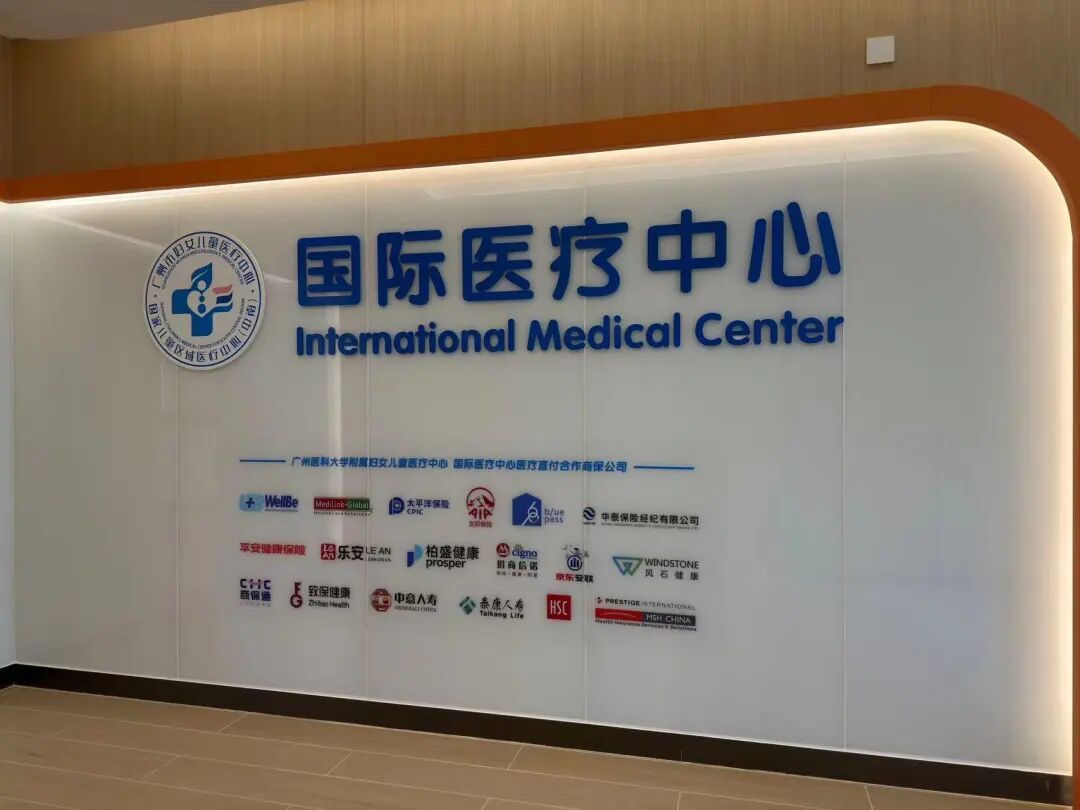
外国人扎推来华看病挤占医疗资源?真相是→
第一财经· 2026-01-19 15:54
Core Viewpoint - The article discusses the current state and potential of cross-border medical services in China, highlighting the increasing number of international patients seeking treatment in Chinese hospitals due to factors such as efficiency, cost-effectiveness, and the availability of advanced medical technologies [1][2]. Group 1: International Patients in China - A significant portion of international patients in China are expatriates working in the country, with the actual number of foreign patients seeking treatment being lower than social media suggests [1][2]. - The efficiency of Chinese hospitals is a major draw for international patients, as exemplified by a patient who experienced a much quicker treatment timeline in China compared to the lengthy processes in the UK [4]. - Some foreign patients are attracted by China's unique traditional medicine practices, utilizing the visa-free entry policy to combine travel with medical treatment [5][6]. Group 2: Cost-Effectiveness of Medical Services - Many international patients are drawn to China due to the cost advantages of medical procedures, such as dental implants, which can be significantly cheaper than in their home countries [8][9]. - A patient from the US calculated that the total cost of dental implants in China was about half of what it would have been in the US, even after accounting for travel expenses [9]. Group 3: Advanced Medical Technologies - China's advancements in medical technologies, particularly in CAR-T cell therapy, are attracting international patients seeking cutting-edge treatments that may not be available in their home countries [9][10]. - The article notes that the preparation time for CAR-T therapies in China can be significantly shorter than in other countries, making it a more viable option for patients who cannot afford to wait [10]. Group 4: Challenges and Opportunities - Despite the potential for growth in cross-border medical services, challenges such as language barriers, unfamiliarity with domestic medical processes, and limited access to international health insurance remain significant obstacles [12][20]. - The article emphasizes the need for improved marketing and awareness of China's medical capabilities to attract more international patients, as many are still unaware of the services available [17][21]. - The development of international medical departments in public hospitals aims to cater to foreign patients without compromising domestic healthcare resources [12][14].

外国人扎推来华看病挤占医疗资源?一财调研披露真相
Di Yi Cai Jing· 2026-01-19 14:18
Core Viewpoint - China's cross-border medical services face significant challenges in transforming from a "deficit" to a "surplus" in attracting international patients, despite having the necessary conditions and advantages to do so [1][12]. Group 1: Current State of International Patients in China - The majority of international patients in China are expatriates working in the country, with the actual number of foreign patients seeking medical treatment being relatively low compared to social media portrayals [1]. - Foreign patients are drawn to China's medical services primarily due to the efficiency of large hospitals, as exemplified by a patient who experienced a significantly faster treatment timeline in China compared to the UK [2]. - Some foreign visitors utilize China's visa-free entry policy to combine tourism with traditional Chinese medicine experiences [3][4]. Group 2: Cost Advantages and Treatment Options - Many foreign patients are attracted to the cost-effectiveness of medical services in China, such as dental implants, which can be significantly cheaper than in their home countries [5][6]. - The clinical capabilities in China, particularly in advanced treatments like CAR-T cell therapy, are gaining international recognition, with a notable price advantage compared to other countries [6][7]. Group 3: Challenges and Opportunities - Despite the potential for growth, the number of international patients seeking innovative treatments in China remains limited, with many being highly educated individuals who actively research their options [7]. - The establishment of international medical departments in public hospitals aims to cater to foreign patients without compromising domestic healthcare resources, promoting a multi-tiered healthcare system [9][10]. - There are significant barriers to attracting international patients, including issues with commercial health insurance acceptance, visa limitations, and the need for improved payment systems for cross-border medical services [15]. Group 4: Comparative Analysis with Other Countries - China currently lags behind countries like South Korea and Malaysia in attracting international patients, with a need to enhance its global marketing efforts and healthcare service visibility [13][14]. - The potential for growth in medical tourism exists, particularly among patients from neighboring countries and overseas Chinese, who may seek affordable and high-quality medical services in China [12][13].
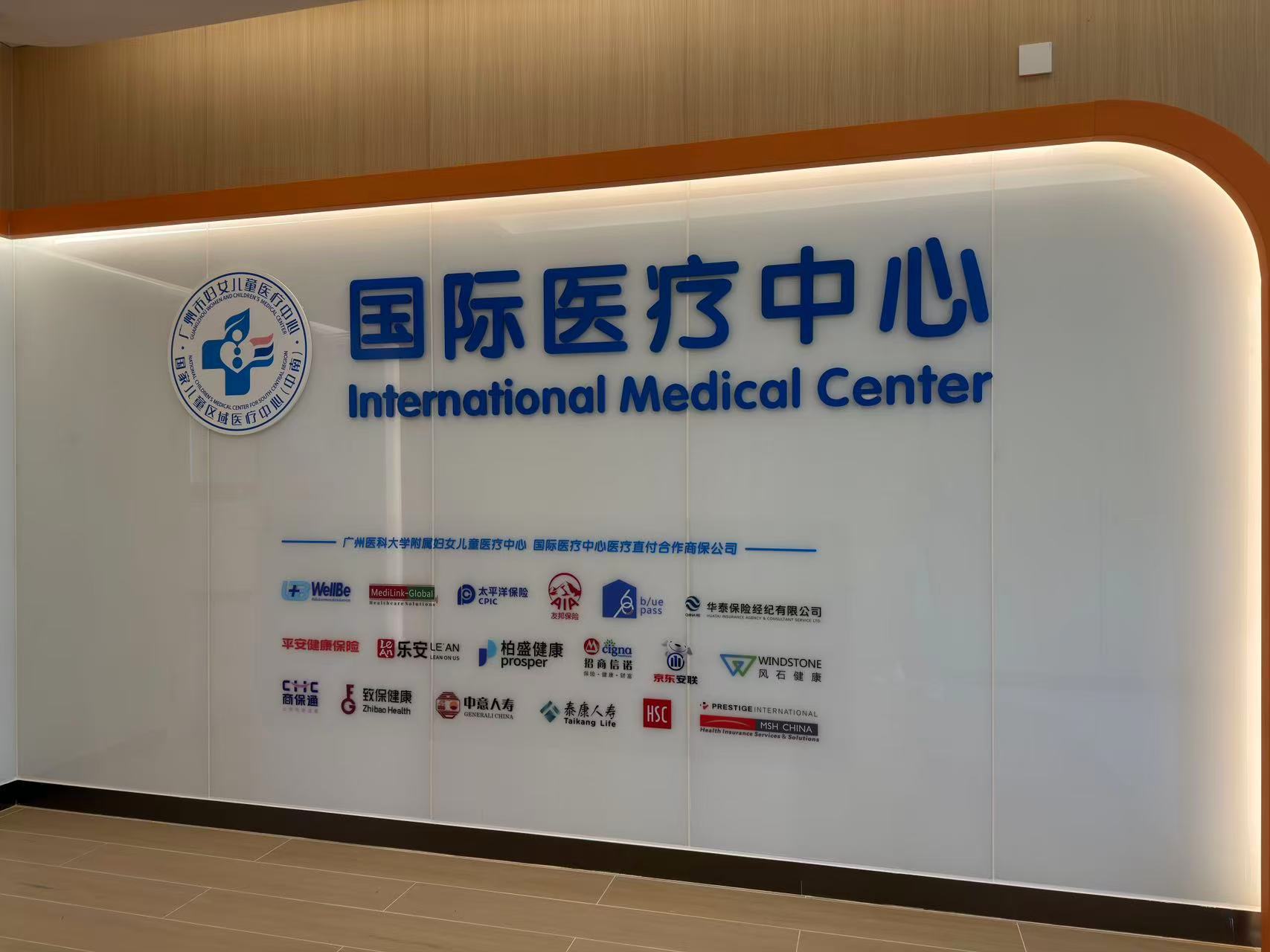
数十万消费降级的俄罗斯人,跨国到黑河就医
虎嗅APP· 2025-05-16 00:03
Core Viewpoint - The article discusses the booming cross-border medical tourism from Russia to China, particularly focusing on dental services and traditional Chinese medicine, driven by economic factors and the strengthening of Sino-Russian relations [3][4][5]. Group 1: Cross-Border Medical Tourism - The demand for dental services in cities like Heihe and Suifenhe is increasing among Russians, with many traveling long distances for treatments that are significantly cheaper than in Russia [3][4][5]. - The cost of dental procedures in China can be as low as one-third of the prices in Russia, making it an attractive option for Russian patients [4][9]. - The number of flights between China and Russia has increased, facilitating easier access for Russian patients seeking medical care in China [4][5]. Group 2: Economic Factors - The depreciation of the Russian ruble and high inflation rates have led to a decline in disposable income for many Russians, prompting them to seek more affordable medical options abroad [4][40]. - In 2024, the Russian GDP is projected to grow by 4.1%, but the primary driver of this growth is defense spending, not consumer spending [4]. - The International Monetary Fund predicts that inflation in Russia will reach 9.3% in 2025, further impacting the purchasing power of Russian consumers [4]. Group 3: Industry Growth and Infrastructure - The influx of Russian patients has led to the establishment of a robust dental service industry in Heihe, with numerous private clinics catering specifically to Russian clientele [11][12]. - The local economy in Heihe has seen significant growth, with the tertiary sector increasing by 26.48% in 2024, largely due to the medical tourism industry [9]. - The cross-border medical tourism has created a network of intermediaries and service providers, forming a new industry around attracting Russian patients [12][13]. Group 4: Cultural and Social Dynamics - Russian patients exhibit a more relaxed attitude towards spending compared to their Chinese counterparts, often prioritizing enjoyment and experience over frugality [31][33]. - The article highlights the differences in healthcare perceptions between Russians and Chinese, with Russians showing a strong trust in medical professionals and a willingness to spend on health services [31][32]. - The cultural exchange is evident, as many Russians are increasingly interested in traditional Chinese medicine, with many seeking treatments like acupuncture and massage [19][23].