
保安业

Search documents
去年日本企业破产数超1.2万
Di Yi Cai Jing Zi Xun· 2026-01-15 08:07
Group 1 - The number of corporate bankruptcies in Japan reached a record high of 12,610 cases last year, marking a 27.36% increase from 9,901 cases in 2024, and this is the fourth consecutive year of growth in bankruptcies [2] - The majority of bankruptcies involve small and medium-sized enterprises, with 6 out of 7 industries experiencing an increase in bankruptcies compared to 2024 [3][4] - The service industry saw the highest number of bankruptcies, with 2,648 cases, a 4.0% increase from 2,547 cases in 2024, while the retail sector also faced significant challenges with 2,193 bankruptcies, up 5.1% [3][4] Group 2 - The rise in bankruptcies is attributed to high prices, labor shortages, and interest rate hikes, creating a challenging business environment [2][4] - The "unfavorable economic conditions" category accounted for 8,502 bankruptcies, representing 82.8% of the total, with "poor sales" being the most common reason [4] - The average minimum wage in Japan increased from 902 yen to 1,121 yen over five years, a rise of 24.3%, further straining small businesses [5] Group 3 - The construction industry also faced significant bankruptcies due to rising material costs and labor shortages, with the number of bankruptcies in this sector exceeding 2,000 [3][5] - The trend of bankruptcies is expected to continue into 2026, with potential shifts from high prices to issues related to labor shortages and operator health [6] - Real estate prices have been rising, adding to the rental burdens for small businesses, with an average increase of 1.5% in land prices reported [5]

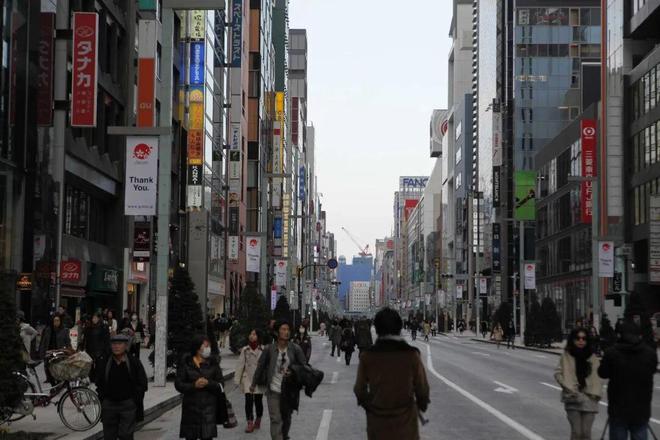
去年日本企业破产数超1.2万
第一财经· 2026-01-15 07:58
Core Insights - The number of corporate bankruptcies in Japan reached a new high, with 12,610 cases reported in the previous year, marking a 27.36% increase from 9,901 cases in 2024 [3] - This marks the fourth consecutive year of rising bankruptcies, surpassing the 10,000 mark for the first time since 2013 [3] - The majority of bankruptcies involve small and medium-sized enterprises (SMEs), with a significant impact on the service sector [3][5] Bankruptcy Trends - The number of bankruptcies among companies with liabilities under 50 million yen increased to 6,383, accounting for 62.2% of total bankruptcies, the second-highest proportion since 2000 [5] - The service industry saw the highest number of bankruptcies, with 2,648 cases, a 4.0% increase from 2,547 in 2024 [5] - Retail and construction industries also faced significant bankruptcies, with retail bankruptcies rising to approximately 2,193, a 5.1% increase [5] Regional Analysis - Eight out of nine regions in Japan reported an increase in bankruptcies, with the Shikoku region experiencing the fastest growth at 9.2% [6] - "Economic downturn bankruptcies" accounted for 8,502 cases, representing 82.8% of total bankruptcies, with sales downturn being the most common reason [6] Factors Contributing to Bankruptcies - Labor shortages and high prices are identified as primary factors driving the increase in bankruptcies, with 427 cases attributed to labor shortages and 949 to high prices, both reaching historical highs [6][9] - The average minimum wage in Japan rose from 902 yen to 1,121 yen between 2020 and 2025, an increase of 24.3%, further straining SMEs [8] Industry-Specific Challenges - In the restaurant sector, large chains benefit from economies of scale, while small businesses struggle with rising operational costs [8] - The price transfer rate in the restaurant industry is 32.3%, below the industry average of 39.4%, indicating challenges in passing on costs to consumers [9] - Rising real estate prices have also increased rental burdens for SMEs, with average land prices rising by 1.5% for four consecutive years [9] Future Outlook - The trend of SME bankruptcies is expected to continue into 2026, with concerns shifting from high prices to labor shortages and other human factors [9] - Close monitoring of the impact of tariffs on exports, particularly in the automotive and semiconductor sectors, is advised [9]
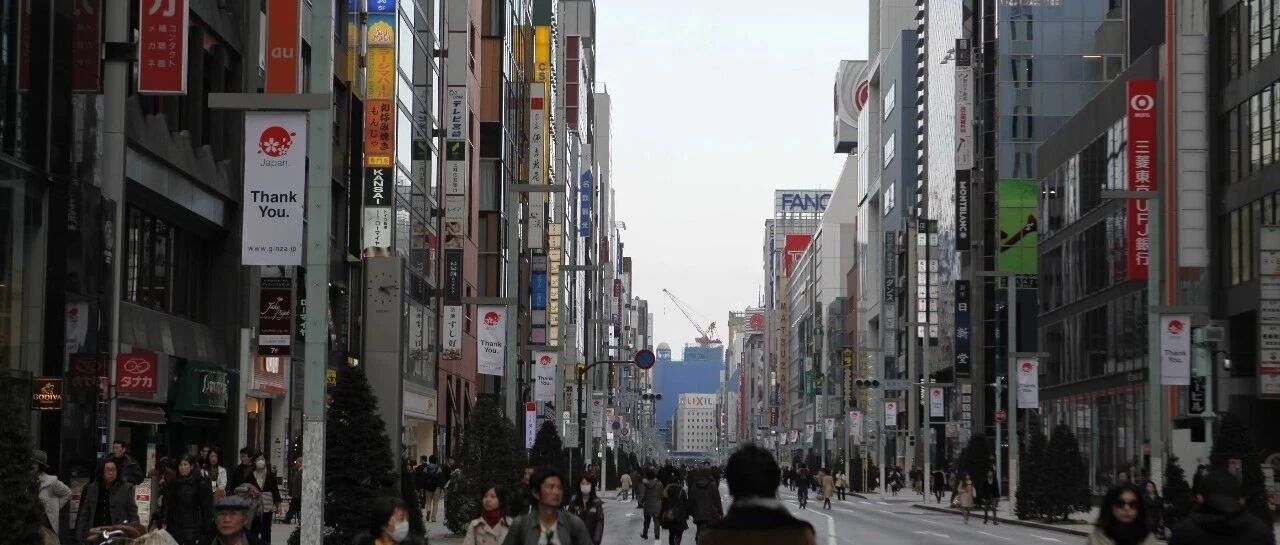
新高!去年日本企业破产数超1.2万,中小企业最受伤
Di Yi Cai Jing· 2026-01-15 07:05
Core Insights - The number of bankruptcies in Japan's service industry reached the highest level since 2000, with a total of 12,610 cases last year, marking a 27.36% increase from 9,901 cases in 2024 [1] - The bankruptcies have been primarily among small and medium-sized enterprises, with the trend of increasing bankruptcies continuing for the fourth consecutive year [1] - High operational costs, labor shortages, and central bank interest rate hikes are major factors contributing to the rising bankruptcy rates [1] Group 1: Bankruptcy Statistics - The number of bankruptcies for companies with liabilities under 500 million yen increased to 6,383, a 7.8% rise from 5,919 in 2024, accounting for 62.2% of total bankruptcies, the second-highest proportion since 2000 [2] - Six out of seven industries reported an increase in bankruptcies compared to 2024, with the service industry seeing a 4.0% increase from 2,547 to 2,648 bankruptcies [2] - The retail industry also faced challenges, with approximately 2,193 bankruptcies last year, reflecting a 5.1% increase [2] Group 2: Sector-Specific Insights - Within the service industry, the "advertising, research, and information services" sector, particularly security services, contributed significantly to the overall increase in bankruptcies [2] - The restaurant sector experienced a record high of 900 bankruptcies, driven by rising food and labor costs [2] - The construction industry also saw a surge in bankruptcies, with over 2,000 cases, influenced by increased material costs and labor shortages [2] Group 3: Regional and Economic Factors - Eight out of nine regions in Japan reported an increase in bankruptcies, with the Shikoku region experiencing the fastest growth at a 9.2% increase [3] - "Economic downturn bankruptcies" accounted for 8,502 cases, representing 82.8% of total bankruptcies, with sales downturn being the most common reason [3] - Labor shortages and high prices are identified as the primary causes of the surge in bankruptcies, with record highs of 427 bankruptcies attributed to labor shortages and 949 to high prices [3] Group 4: Challenges for SMEs - Small and medium-sized enterprises in the restaurant industry are struggling with rising operational costs, while larger chains benefit from economies of scale [4] - The average minimum wage in Japan increased by 24.3% from 902 yen to 1,121 yen between 2020 and 2025, posing challenges for SMEs in managing labor costs [4] - The rental burden from rising real estate prices adds to the financial strain on SMEs, with average land prices increasing by 1.5% for four consecutive years [5] Group 5: Future Outlook - The trend of bankruptcies among SMEs is expected to continue into 2026 due to persistent high prices and labor shortages [5] - There is a need to monitor the potential shift in bankruptcy causes from high prices to human factors such as labor shortages and operator health issues [5] - The impact of tariffs on exports, particularly in the automotive and semiconductor sectors, as well as currency fluctuations, will also be crucial for economic activity [5]