
高物价

Search documents
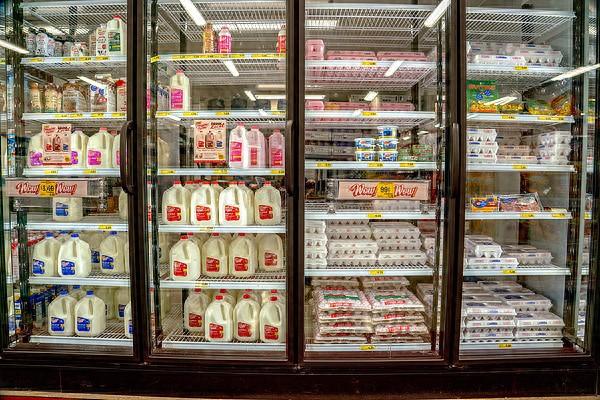
美国消费者信心指数上涨,高物价成为沉重负担
Xin Lang Cai Jing· 2026-01-23 22:58
Core Insights - The University of Michigan's consumer confidence index for January 2026 stands at 56.4, which is higher than December 2025's final value of 52.9 but lower than January 2025's final value of 71.7 [2] - The current economic conditions index for January 2026 is 55.4, up from 50.4 in December 2025 but down from 75.1 in January 2025 [2] - The consumer expectations index for January 2026 is 57.0, an increase from December 2025's 54.6 but a decrease from January 2025's 69.5 [2] Economic Conditions - Consumers perceive a slight improvement in economic conditions over the past few months, yet high prices and declining income prospects are putting pressure on budgets, resulting in consumer confidence being over 20% lower than a year ago [2] - The survey was conducted just two days after President Trump's announcement on January 17, 2026, regarding new tariffs on eight European countries [2]

美国消费者信心指数上涨 高物价成为沉重负担
Yang Shi Xin Wen Ke Hu Duan· 2026-01-23 22:35
Core Viewpoint - The University of Michigan's consumer confidence index for January 2026 stands at 56.4, showing a month-over-month increase from December 2025's 52.9, but a year-over-year decrease from January 2025's 71.7 [1] Group 1: Consumer Confidence Index - The final value of the consumer confidence index for January 2026 is 56.4, which is higher than December 2025's final value of 52.9 but lower than January 2025's final value of 71.7 [1] - The current economic conditions index for January 2026 is 55.4, up from December 2025's 50.4, but down from January 2025's 75.1 [1] - The consumer expectations index for January 2026 is 57.0, which is higher than December 2025's 54.6 but lower than January 2025's 69.5 [1] Group 2: Economic Conditions - Consumers perceive a slight improvement in economic conditions over the past few months; however, high prices and declining income prospects are putting pressure on budgets, resulting in consumer confidence being over 20% lower than a year ago [1] - The survey was conducted just two days after President Trump's announcement on January 17, 2026, regarding tariffs on eight European countries [1]
美国消费者信心指数上涨 高物价成为沉重负担
Xin Hua Wang· 2026-01-23 20:08
Core Insights - The University of Michigan's consumer confidence index for January 2026 is reported at 56.4, which is an increase from December 2025's final value of 52.9, but a decrease from January 2025's final value of 71.7 [1] Group 1: Consumer Confidence - The current economic conditions index stands at 55.4, up from 50.4 in December 2025, but down from 75.1 in January 2025 [1] - The consumer expectations index is at 57.0, which is higher than December 2025's 54.6, but lower than January 2025's 69.5 [1] Group 2: Economic Perception - Consumers perceive a slight improvement in economic conditions over the past few months; however, high prices and declining income prospects are putting pressure on budgets, resulting in consumer confidence being over 20% lower than a year ago [1] - The survey was conducted shortly after President Trump's announcement on January 17, 2026, regarding tariffs on eight European countries, indicating potential influences on consumer sentiment [1]
去年日本企业破产数超1.2万
第一财经· 2026-01-15 07:58
Core Insights - The number of corporate bankruptcies in Japan reached a new high, with 12,610 cases reported in the previous year, marking a 27.36% increase from 9,901 cases in 2024 [3] - This marks the fourth consecutive year of rising bankruptcies, surpassing the 10,000 mark for the first time since 2013 [3] - The majority of bankruptcies involve small and medium-sized enterprises (SMEs), with a significant impact on the service sector [3][5] Bankruptcy Trends - The number of bankruptcies among companies with liabilities under 50 million yen increased to 6,383, accounting for 62.2% of total bankruptcies, the second-highest proportion since 2000 [5] - The service industry saw the highest number of bankruptcies, with 2,648 cases, a 4.0% increase from 2,547 in 2024 [5] - Retail and construction industries also faced significant bankruptcies, with retail bankruptcies rising to approximately 2,193, a 5.1% increase [5] Regional Analysis - Eight out of nine regions in Japan reported an increase in bankruptcies, with the Shikoku region experiencing the fastest growth at 9.2% [6] - "Economic downturn bankruptcies" accounted for 8,502 cases, representing 82.8% of total bankruptcies, with sales downturn being the most common reason [6] Factors Contributing to Bankruptcies - Labor shortages and high prices are identified as primary factors driving the increase in bankruptcies, with 427 cases attributed to labor shortages and 949 to high prices, both reaching historical highs [6][9] - The average minimum wage in Japan rose from 902 yen to 1,121 yen between 2020 and 2025, an increase of 24.3%, further straining SMEs [8] Industry-Specific Challenges - In the restaurant sector, large chains benefit from economies of scale, while small businesses struggle with rising operational costs [8] - The price transfer rate in the restaurant industry is 32.3%, below the industry average of 39.4%, indicating challenges in passing on costs to consumers [9] - Rising real estate prices have also increased rental burdens for SMEs, with average land prices rising by 1.5% for four consecutive years [9] Future Outlook - The trend of SME bankruptcies is expected to continue into 2026, with concerns shifting from high prices to labor shortages and other human factors [9] - Close monitoring of the impact of tariffs on exports, particularly in the automotive and semiconductor sectors, is advised [9]
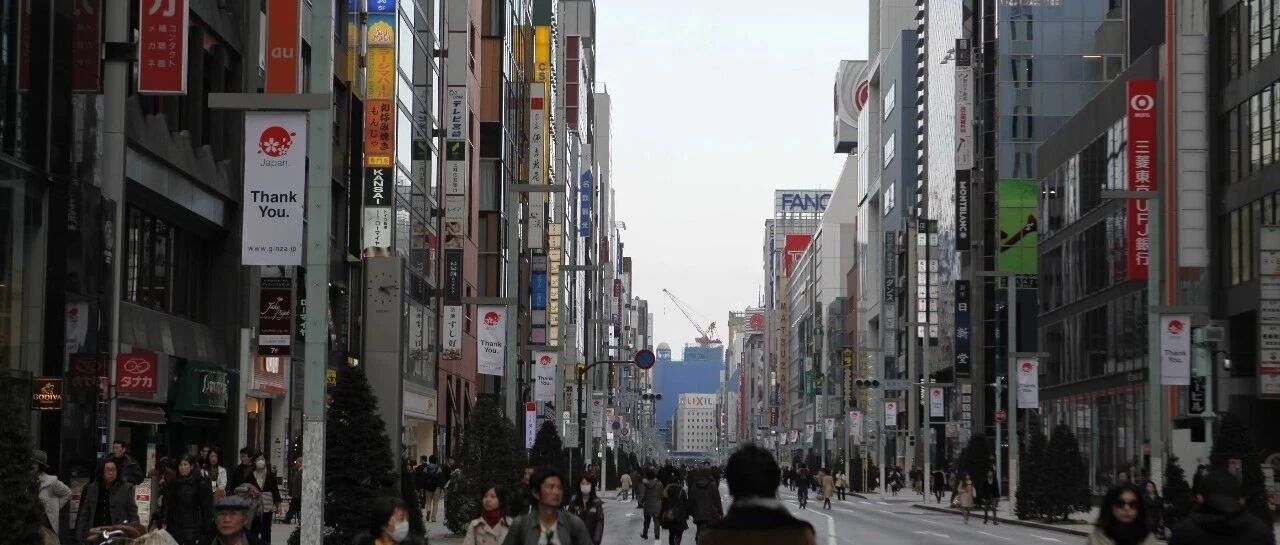
新高!去年日本企业破产数超1.2万,中小企业最受伤
Di Yi Cai Jing· 2026-01-15 07:05
Core Insights - The number of bankruptcies in Japan's service industry reached the highest level since 2000, with a total of 12,610 cases last year, marking a 27.36% increase from 9,901 cases in 2024 [1] - The bankruptcies have been primarily among small and medium-sized enterprises, with the trend of increasing bankruptcies continuing for the fourth consecutive year [1] - High operational costs, labor shortages, and central bank interest rate hikes are major factors contributing to the rising bankruptcy rates [1] Group 1: Bankruptcy Statistics - The number of bankruptcies for companies with liabilities under 500 million yen increased to 6,383, a 7.8% rise from 5,919 in 2024, accounting for 62.2% of total bankruptcies, the second-highest proportion since 2000 [2] - Six out of seven industries reported an increase in bankruptcies compared to 2024, with the service industry seeing a 4.0% increase from 2,547 to 2,648 bankruptcies [2] - The retail industry also faced challenges, with approximately 2,193 bankruptcies last year, reflecting a 5.1% increase [2] Group 2: Sector-Specific Insights - Within the service industry, the "advertising, research, and information services" sector, particularly security services, contributed significantly to the overall increase in bankruptcies [2] - The restaurant sector experienced a record high of 900 bankruptcies, driven by rising food and labor costs [2] - The construction industry also saw a surge in bankruptcies, with over 2,000 cases, influenced by increased material costs and labor shortages [2] Group 3: Regional and Economic Factors - Eight out of nine regions in Japan reported an increase in bankruptcies, with the Shikoku region experiencing the fastest growth at a 9.2% increase [3] - "Economic downturn bankruptcies" accounted for 8,502 cases, representing 82.8% of total bankruptcies, with sales downturn being the most common reason [3] - Labor shortages and high prices are identified as the primary causes of the surge in bankruptcies, with record highs of 427 bankruptcies attributed to labor shortages and 949 to high prices [3] Group 4: Challenges for SMEs - Small and medium-sized enterprises in the restaurant industry are struggling with rising operational costs, while larger chains benefit from economies of scale [4] - The average minimum wage in Japan increased by 24.3% from 902 yen to 1,121 yen between 2020 and 2025, posing challenges for SMEs in managing labor costs [4] - The rental burden from rising real estate prices adds to the financial strain on SMEs, with average land prices increasing by 1.5% for four consecutive years [5] Group 5: Future Outlook - The trend of bankruptcies among SMEs is expected to continue into 2026 due to persistent high prices and labor shortages [5] - There is a need to monitor the potential shift in bankruptcy causes from high prices to human factors such as labor shortages and operator health issues [5] - The impact of tariffs on exports, particularly in the automotive and semiconductor sectors, as well as currency fluctuations, will also be crucial for economic activity [5]
美国消费者信心指数微涨
Xin Hua She· 2025-12-19 22:42
Group 1 - The core consumer confidence index in the U.S. rose to 52.9 in December, up from 51.0 in November, but significantly lower than 74.0 in December of the previous year [1] - The current economic conditions index fell to 50.4 in December, down from 51.1 in November and also lower than 75.1 in December last year [1] - The consumer expectations index increased to 54.6 in December, higher than 51.0 in November, but still below 73.3 from the previous year [1] Group 2 - Approximately 47% of surveyed consumers reported that high prices are putting pressure on their personal finances, unchanged from November and up from 35% a year ago [1] - Consumers expect inflation to remain high in the foreseeable future, which may weaken their potential purchasing power [2] - About 63% of consumers anticipate an increase in the unemployment rate over the next year, significantly higher than the 40% reported in the same period last year [2]
记者手记|就业降温物价高企 美国经济“寒意”难消
Xin Hua She· 2025-11-25 03:05
Economic Overview - The U.S. economy is facing challenges due to the uncertainty brought by the Trump administration's tariff policies and the recent government shutdown, which lasted for 43 days [1] - The GDP data for the third quarter remains unclear due to the government shutdown, and the labor market is cooling while inflation pressures persist [1] Employment Data - The unemployment rate in September rose to 4.4%, the highest level since November 2021, despite the addition of 119,000 non-farm jobs, which exceeded market expectations [1] - A total of 470,000 individuals entered the labor market, contributing to the rise in the unemployment rate, indicating that high inflation is forcing people to seek employment [1] - The non-farm employment data for July and August was revised downwards, with July's figures adjusted from 79,000 to 72,000 and August's from 22,000 to a negative 4,000 [1] Consumer Sentiment - Consumer sentiment showed a slight improvement after the government shutdown, but individuals remain frustrated by high prices and declining incomes [2] - The University of Michigan's consumer confidence index fell to 51.0 in November, down from 53.6 in October, indicating a decline in consumer confidence [3] Economic Growth Predictions - The Philadelphia Federal Reserve's survey of 33 professional researchers predicts a median GDP growth rate of 1.1% for the fourth quarter, down from a previous estimate of 1.3% [3] - The forecast for the first quarter of the following year was also revised down from 1.9% to 1.6% [3] Consumer Behavior - The CEO of Kraft Heinz stated that consumer sentiment entering the holiday season is among the worst in decades, reflecting the economic challenges faced by consumers [3]
韩媒:生意惨淡,韩国去年停业商户突破100万家
Huan Qiu Shi Bao· 2025-07-08 22:46
Group 1 - The economic downturn in South Korea has led to a significant increase in business closures, with the number of reported closures surpassing 1 million for the first time since 1995, reaching 1,008,200 [1] - The business closure rate has risen for two consecutive years, reaching 9.04% in 2024, indicating that nearly 1 in 10 businesses ceased operations that year [1] - Poor business conditions are the primary reason for closures, with 506,200 businesses citing this as their reason, accounting for 50.2% of all closures, marking the highest proportion since 2010 [1] Group 2 - The retail and restaurant sectors are particularly affected, together accounting for approximately 45% of total business closures, with 299,600 retail businesses and 15.2% from the restaurant industry [1] - The overdue loan rate for vulnerable individual business owners reached 12.24% by the first quarter of 2025, the highest level since Q2 2013 [1] - The South Korean government has introduced a supplementary budget of 31.8 trillion KRW (approximately 100 billion CNY) to support livelihoods, including consumer vouchers aimed at boosting household spending [2] Group 3 - Despite government support measures, there is a consensus that these are temporary fixes and not structural solutions to the ongoing issues faced by individual business owners [2] - Calls for a systematic "exit strategy" to address the oversupply of individual businesses have emerged, highlighting the need for long-term institutional design to tackle structural challenges [2] - The competitive landscape for individual businesses is characterized by a cycle of high entrepreneurship and high failure rates, exacerbated by an aging population and insufficient job creation [2]
日本5月实际工资同比减少2.9% 为连续第5个月减少
news flash· 2025-07-07 05:08
Group 1 - The Japanese government reported a significant decline in real wages for May, marking the largest drop in nearly two years [1] - Real wages decreased for the fifth consecutive month, down 2.9% compared to the same period last year, the largest decline since September 2023 [1] - Although nominal wages increased by 1.0% in May, high prices have led to a reduction in real wages [1] Group 2 - The consumer price index in Japan rose by 4.0% in May, remaining at or above 4% for six consecutive months, driven by high prices of food items such as rice [1]