农机和工程设备

Search documents
关税重击被最高法院按下暂停键,特朗普又找出了一条新路
Sou Hu Cai Jing· 2026-02-23 16:49
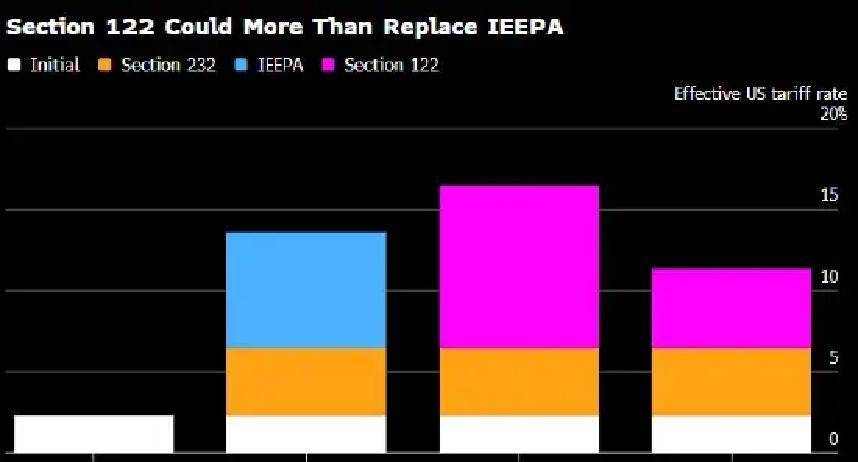
Group 1 - The U.S. Supreme Court's recent ruling has invalidated a series of tariff arrangements introduced by Trump, impacting his ability to use tariffs as a tool for foreign trade and domestic economic policy [3][6] - Trump responded to the ruling by announcing a new 10% tariff on global goods, which was later increased to 15%, indicating a shift in his approach to tariffs [3][6] - The ruling imposes strict procedural and legal constraints on Trump's ability to implement tariffs, requiring a comprehensive process of investigation, assessment, and hearings [6][19] Group 2 - The White House believes that most agreements Trump has made with other countries, including a recent one with Indonesia, will remain effective due to the court's relatively moderate handling of existing arrangements [11] - The ruling has diminished Trump's leverage in negotiations with world leaders and multinational executives, as he can no longer freely use tariff threats as pressure tools [14][19] - Legal scholars view this ruling as part of a broader trend to limit presidential unilateral power in economic matters, emphasizing checks and balances from Congress [16][18] Group 3 - The overall economic situation in the U.S. is concerning, with a slowdown in growth expected in the fourth quarter, and tariffs have not significantly reduced the trade deficit, which remains a core issue for Trump [19][20] - Many voters perceive import tariffs as contributing to their financial pressures, leading Trump to adjust his strategy to mitigate the direct impact of tariffs on daily life [19][20] - The Republican Party is showing signs of division over tariff policies, with some members expressing concerns about the negative effects of tariffs on voters [20] Group 4 - The Supreme Court's ruling has created uncertainty for businesses and financial markets, as the future direction of tariff policies remains unpredictable [21][23] - Companies are cautious about making significant investments due to the volatile trade environment, preferring a stable and predictable tariff system [21][22] - Global business sentiment is generally welcoming of the ruling, but there is a strong demand for predictable trade conditions rather than sudden tariff changes [23] Group 5 - Despite the limitations imposed by the ruling, Trump still has legal avenues to continue using tariffs, including provisions from the Trade Act of 1974 and the national security clause from the Trade Expansion Act of 1962 [24][25] - The adjustment of tariff policies may lead to significant refunds amounting to billions, complicating the Federal Reserve's ability to manage inflation and economic growth [25][26] - The Trump administration has been expanding tariff exemptions, covering over a third of U.S. imports, indicating a shift towards a more nuanced approach to tariffs [27][28] Group 6 - The future of tariff policies will largely depend on the performance of the U.S. economy, with current voter skepticism about Trump's economic promises [29][30] - While there are signs of economic resilience, concerns remain about underlying vulnerabilities and the delayed impact of tariffs on the economy [31] - The Supreme Court's ruling has not eliminated tariffs from the policy toolbox but has changed how Trump can utilize them, introducing more checks and balances [31]