司法审查

Search documents
关税重击被最高法院按下暂停键,特朗普又找出了一条新路
Sou Hu Cai Jing· 2026-02-23 16:49
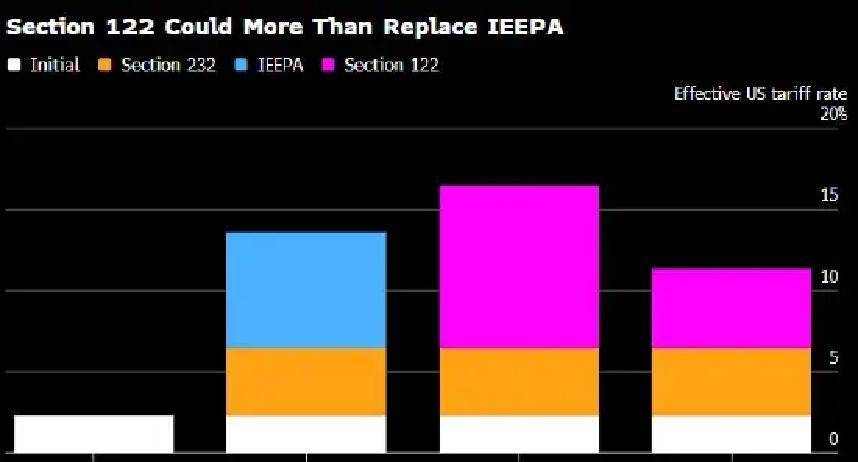
Group 1 - The U.S. Supreme Court's recent ruling has invalidated a series of tariff arrangements introduced by Trump, impacting his ability to use tariffs as a tool for foreign trade and domestic economic policy [3][6] - Trump responded to the ruling by announcing a new 10% tariff on global goods, which was later increased to 15%, indicating a shift in his approach to tariffs [3][6] - The ruling imposes strict procedural and legal constraints on Trump's ability to implement tariffs, requiring a comprehensive process of investigation, assessment, and hearings [6][19] Group 2 - The White House believes that most agreements Trump has made with other countries, including a recent one with Indonesia, will remain effective due to the court's relatively moderate handling of existing arrangements [11] - The ruling has diminished Trump's leverage in negotiations with world leaders and multinational executives, as he can no longer freely use tariff threats as pressure tools [14][19] - Legal scholars view this ruling as part of a broader trend to limit presidential unilateral power in economic matters, emphasizing checks and balances from Congress [16][18] Group 3 - The overall economic situation in the U.S. is concerning, with a slowdown in growth expected in the fourth quarter, and tariffs have not significantly reduced the trade deficit, which remains a core issue for Trump [19][20] - Many voters perceive import tariffs as contributing to their financial pressures, leading Trump to adjust his strategy to mitigate the direct impact of tariffs on daily life [19][20] - The Republican Party is showing signs of division over tariff policies, with some members expressing concerns about the negative effects of tariffs on voters [20] Group 4 - The Supreme Court's ruling has created uncertainty for businesses and financial markets, as the future direction of tariff policies remains unpredictable [21][23] - Companies are cautious about making significant investments due to the volatile trade environment, preferring a stable and predictable tariff system [21][22] - Global business sentiment is generally welcoming of the ruling, but there is a strong demand for predictable trade conditions rather than sudden tariff changes [23] Group 5 - Despite the limitations imposed by the ruling, Trump still has legal avenues to continue using tariffs, including provisions from the Trade Act of 1974 and the national security clause from the Trade Expansion Act of 1962 [24][25] - The adjustment of tariff policies may lead to significant refunds amounting to billions, complicating the Federal Reserve's ability to manage inflation and economic growth [25][26] - The Trump administration has been expanding tariff exemptions, covering over a third of U.S. imports, indicating a shift towards a more nuanced approach to tariffs [27][28] Group 6 - The future of tariff policies will largely depend on the performance of the U.S. economy, with current voter skepticism about Trump's economic promises [29][30] - While there are signs of economic resilience, concerns remain about underlying vulnerabilities and the delayed impact of tariffs on the economy [31] - The Supreme Court's ruling has not eliminated tariffs from the policy toolbox but has changed how Trump can utilize them, introducing more checks and balances [31]

特朗普全球关税被推翻!美最高法院裁定违法,超1750亿税收或将退还
Sou Hu Cai Jing· 2026-02-22 00:32
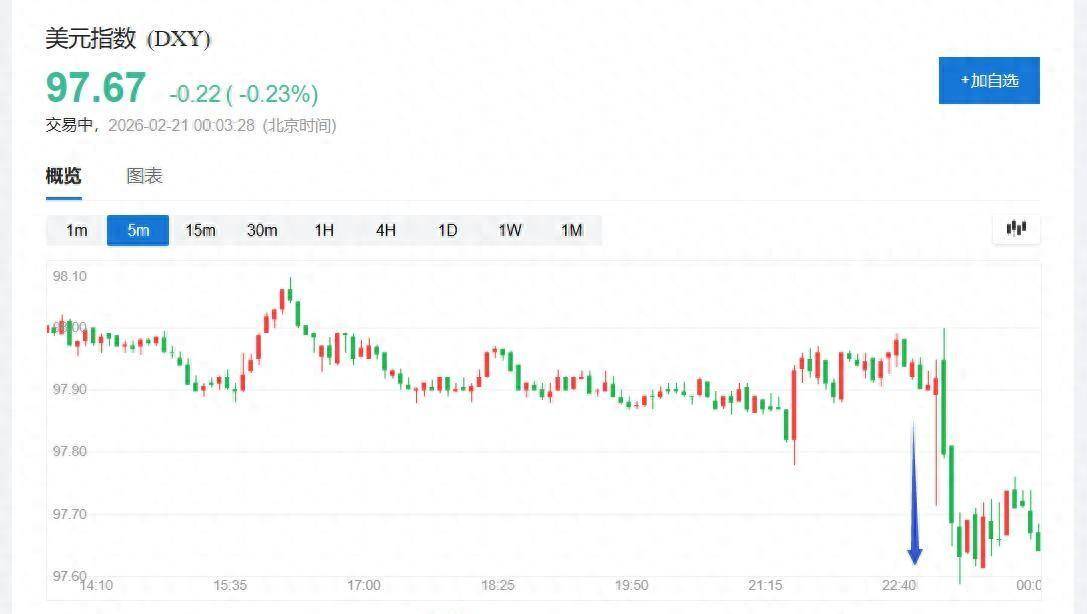
Core Viewpoint - The U.S. Supreme Court ruled that the International Emergency Economic Powers Act (IEEPA) does not grant the President the authority to impose tariffs unilaterally, undermining the Trump administration's fiscal and trade strategies [1][9]. Group 1: Legal Implications - The Supreme Court's decision invalidates the entire tariff system based on IEEPA, including the "fentanyl tariffs" and global "reciprocal tariffs" [1]. - The ruling emphasizes that Congress, not the President, is the rightful authority to impose tariffs, marking a significant shift in the balance of power [8][12]. - The court's decision reflects a judicial restraint, focusing on the legal text rather than political arguments, indicating a low tolerance for executive overreach [12]. Group 2: Financial Consequences - The potential refund of over $175 billion in tariff revenue could exacerbate the federal budget deficit, which was previously offset by these tariffs [2][9]. - The average effective tariff rate in the U.S. may drop from 13.6% to below 6.5%, significantly impacting revenue streams [1][9]. - The ruling has led to immediate reactions in financial markets, with a rise in stock indices as investors anticipate reduced policy uncertainty, while bond yields increased due to concerns over fiscal stability [4][5][12]. Group 3: Market Reactions - The stock market responded positively to the ruling, with major indices like the S&P 500 and Dow Jones rising, as the removal of tariffs is seen as a relief for corporate profits and economic growth [5][12]. - The dollar index fell below 97.60, reflecting diminished confidence in U.S. fiscal discipline, while gold and silver prices experienced volatility amid market speculation [5][12]. - The ruling has created a mixed sentiment in the market, with short-term optimism about reduced tariffs but long-term concerns regarding fiscal pressures and potential government spending cuts [12][13]. Group 4: Political Reactions - Democratic leaders have seized the opportunity to pressure the government for tax refunds, framing the ruling as a victory for American families [6][9]. - The ruling has prompted discussions in Congress about potentially restricting presidential powers regarding tariff imposition, indicating a shift towards greater legislative control [12]. - The Trump administration's response has been vague, with indications of considering alternative legal frameworks for imposing tariffs, but the specifics remain uncertain [1][12].
中国法院加大对限制公民人身自由权利行政案件司法审查力度
Zhong Guo Xin Wen Wang· 2026-02-11 07:57
Group 1 - The Supreme People's Court of China reported a 14.54% year-on-year increase in the number of new administrative cases related to the restriction of personal freedom, totaling 5,497 cases in 2025 [1] - The court aims to strictly protect citizens' personal rights and health rights, enhancing judicial review of administrative cases that limit personal freedom [1] - There was a 23% year-on-year increase in new first-instance labor and social security cases, amounting to 42,000 cases in 2025 [1] Group 2 - The court emphasizes the protection of new employment forms, such as delivery riders and ride-hailing drivers, ensuring proper recognition of work-related injuries [1] - In 2025, 25,099 administrative cases were concluded with judgments against administrative agencies [1] - The Supreme People's Court has released two batches of typical cases regarding administrative enforcement against enterprises to clarify the boundaries of law enforcement [2]
特朗普就关税违法提出上诉,能否获胜?美国司法又如何制衡总统?
Sou Hu Cai Jing· 2025-09-08 01:45
Group 1 - The recent ruling by the U.S. Court of Appeals indicates that President Trump's authority to impose tariffs on multiple countries may be legally challenged, potentially ending his trade war [2][3] - Trump has formally appealed to the U.S. Supreme Court, which may hear the case and could issue a ruling by the summer of 2026 [3] - The U.S. judicial system operates independently of the executive branch, meaning the President cannot directly influence court decisions or overturn them [5][7] Group 2 - The judicial system in the U.S. can limit presidential power through judicial review and legal interpretation, declaring presidential actions unconstitutional or unauthorized [7] - If Trump disregards court rulings, Congress could intervene through hearings, funding restrictions, or impeachment proceedings, highlighting the checks and balances in the U.S. government [9] - The outcome of Trump's Supreme Court case may not significantly impact ongoing international negotiations, particularly with countries like India and China, as perceptions of U.S. power may shift following recent military displays [9]
突发!海康威视,起诉
中国基金报· 2025-07-08 03:08
Core Viewpoint - Hikvision Canada has resumed operations and filed a lawsuit against the Canadian government to challenge the order to cease operations, asserting its legal rights and seeking fair treatment [2][4]. Group 1 - On June 27, the Canadian government ordered Hikvision Canada to stop operations, citing national security concerns [5]. - Hikvision Canada has applied for a judicial review of the Canadian government's decision and has requested a temporary injunction to suspend the shutdown order [4][5]. - As of July 8, Hikvision's stock price was 27.48 CNY per share, with a total market capitalization of 253.7 billion CNY [5]. Group 2 - The company claims to have complied with all applicable laws and regulations since entering the Canadian market and maintains that its products and technologies do not threaten the security of Canada or any other regions where it operates [5]. - The Chinese Ministry of Commerce expressed strong dissatisfaction and opposition to the Canadian government's actions against Hikvision [5].