古建筑旅游

Search documents
走山西,看古建“天际线”
Ren Min Ri Bao· 2025-12-24 01:35
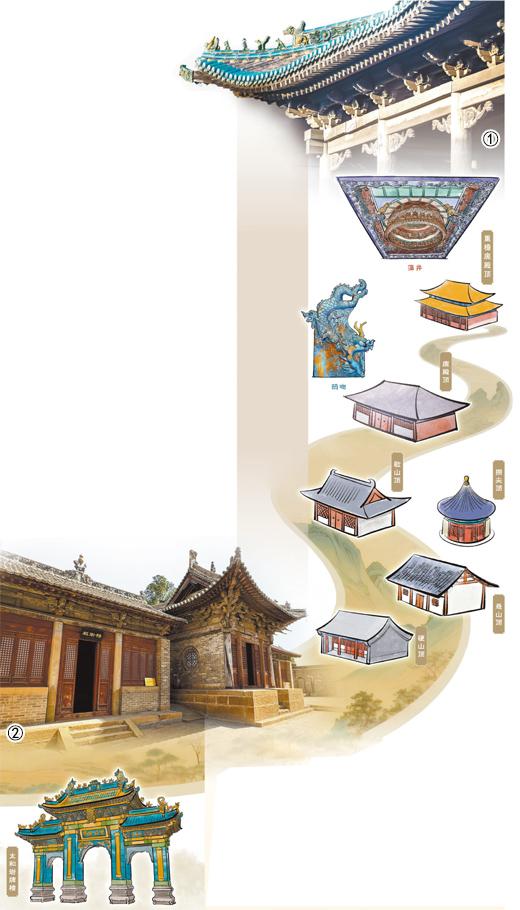
Core Viewpoint - The article highlights the significance of traditional Chinese architecture, particularly the roofs, as both artistic expressions and cultural symbols that reflect the nation's aesthetic values and historical legacy [2][3]. Group 1: Architectural Significance - China has over 260,000 immovable cultural relics of ancient architecture, with roofs being referred to as the "fifth facade" of buildings, showcasing unique aesthetic curves that embody the nation's cultural heritage [2][4]. - The roofs of ancient buildings are designed based on functional needs, utilizing materials that effectively manage rainwater and snow, reduce wind impact, and enhance lighting, demonstrating ancient wisdom in harmonizing with nature [4][6]. Group 2: Types and Features of Roofs - The main types of ancient Chinese roofs include the hipped roof, gable roof, pointed roof, and hard mountain roof, each characterized by distinct features such as deep eaves and upward-curving ridges [4][5]. - The architectural styles evolved over different dynasties, with notable examples including the single-eaved hipped roof of the Tang Dynasty and the double-eaved hipped roof of the Song Dynasty, reflecting advancements in building techniques and aesthetic preferences [5][6]. Group 3: Cultural and Philosophical Aspects - The roofs of ancient buildings encapsulate the philosophical thoughts of the Chinese regarding the relationship between heaven, earth, and humanity, with upward-curving eaves symbolizing a desire for harmony with nature [6][7]. - The aesthetic and philosophical elements of ancient roofs continue to influence modern architecture, as seen in contemporary designs that incorporate traditional features while utilizing modern materials and techniques [6][7]. Group 4: Modern Cultural Integration - The cultural significance of ancient architecture is being revitalized through modern creative products, such as miniature replicas and themed merchandise, appealing to younger generations and integrating traditional aesthetics into contemporary life [7]. - The popularity of cultural IPs and social media trends related to ancient architecture has led to a surge in tourism and interest in historical sites, particularly in Shanxi province, where ancient roofs are a major attraction [4][7].

了不起的古建筑丨中岳庙:河南现存规格最高的古建筑群
He Nan Ri Bao· 2025-04-29 23:52
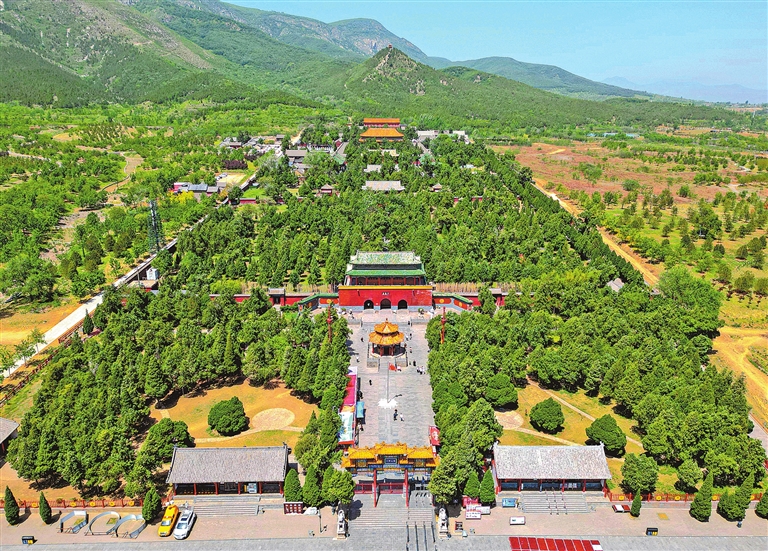
Core Viewpoint - The article highlights the significance of the Zhongyue Temple as a major historical and cultural site in China, showcasing its architectural beauty and rich heritage, while also promoting tourism through a month-long free admission event [1][5]. Group 1: Architectural Significance - Zhongyue Temple features the longest axial design among the Five Sacred Mountains' temples, with a core architectural area spanning 1.5 kilometers and a total landscape axis of approximately 20 kilometers [2][3]. - The temple's existing structures primarily date back to the Qing Dynasty, with a layout consisting of 7 courtyards and 11 levels, showcasing a variety of architectural styles and historical significance [3][5]. - The temple is recognized as the largest and most complete ancient architectural complex in Henan, preserving a wide range of cultural relics and ancient trees, making it a valuable repository of Chinese architectural art [5][6]. Group 2: Cultural Heritage - Zhongyue Temple was designated as a national key cultural relic protection unit in 2001 and was included in the World Heritage list in 2010, emphasizing its global cultural importance [5]. - The temple houses over 100 stone and iron artifacts, including the Han Dynasty stone threshold and Song Dynasty iron figures, which are crucial for studying ancient Chinese craftsmanship [10][12]. - The temple's historical inscriptions and monuments, such as the Northern Wei period stele, provide insights into its historical evolution and significance in Taoist culture [11]. Group 3: Restoration and Preservation - The temple has undergone numerous restorations throughout history, with significant efforts during the Song, Jin, Ming, and Qing dynasties to maintain its structural integrity and aesthetic appeal [15][16]. - Recent restoration projects have focused on preserving the main hall and other key structures, ensuring the safety and longevity of this cultural heritage site [16]. - The ongoing preservation efforts reflect a commitment to safeguarding the temple's historical and architectural value for future generations [16].