地方菜餐饮

Search documents
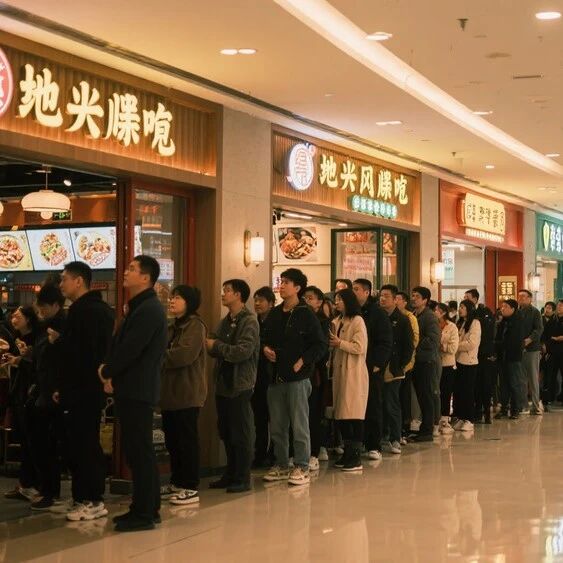
一个商场40家地方菜馆,中餐黄金时代已到来?
虎嗅APP· 2026-02-03 00:41
Core Viewpoint - The article discusses the emergence of local cuisine as a significant trend in the Chinese dining industry, indicating a shift from traditional popular dishes like hot pot and barbecue to a diverse array of regional flavors, suggesting that the golden age of complex Chinese cuisine is approaching [4][5]. Market Trends - In recent years, local dishes have gained popularity, with traditional cuisines such as Sichuan, Cantonese, and Hunan exceeding a market size of 100 billion yuan, while previously niche cuisines like Yunnan and Jiangxi are rapidly expanding nationwide [7]. - For instance, at Nanjing Deji Plaza, local cuisine accounts for nearly 25% of the 60+ dining establishments, showcasing a significant presence of various regional flavors [7]. - In Shanghai's Longemont City Life Center, local cuisine brands make up over 40 of the nearly 200 dining options, indicating a strong market trend [8]. Growth of Local Cuisine - The rise of local cuisine is characterized by a surge in brand expansion, with Jiangxi small stir-fry restaurants projected to exceed 20,000 locations by December 2025, and a 287.5% year-on-year increase in related business registrations [11]. - The popularity of Guizhou sour soup has recently driven the growth of Yunnan and Guizhou cuisines, leading to the emergence of numerous chain brands [12]. Competitive Landscape - The local cuisine sector is experiencing a "battle" for market share, with various regional cuisines like Fujian, Hunan, and Guangxi also beginning to show explosive growth [12]. - The competitive environment is shifting, with local cuisines offering unique flavors and dining experiences that differentiate them from more easily replicable dining options like hot pot and fast food [19]. Consumer Demand - The demand for local cuisine is driven by consumers seeking fresh, differentiated dining experiences, as traditional chain restaurants face saturation and declining growth rates [17][19]. - Local dishes cater to specific dining occasions such as business gatherings and family celebrations, which require a higher quality of environment and food variety [23]. Operational Challenges - The complexity of local cuisine operations presents higher entry barriers, requiring significant investment in quality control and skilled labor, making it difficult for new entrants to replicate successful models [21]. - Successful local cuisine brands often adopt a direct management model, ensuring quality and consistency across locations, which necessitates a higher initial investment and longer return periods [21]. Strategic Recommendations - Companies should focus on strengthening individual store performance rather than rapid expansion, emphasizing the importance of maintaining flavor and customer loyalty [25][28]. - Establishing a robust supply chain is crucial for ensuring the quality of ingredients, which is vital for the success of local cuisine [26][27]. - Brands should leverage membership programs and localized marketing strategies to enhance customer retention and engagement [28].

中国商界地方美食研究院战略升级 张亮出任执行院长
Sou Hu Cai Jing· 2025-11-29 07:56
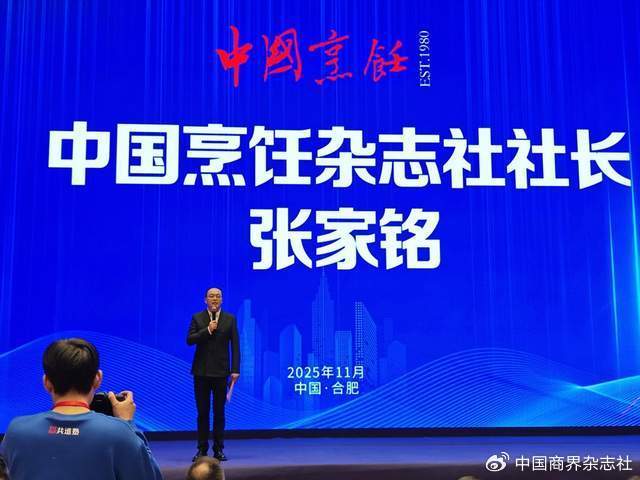
Core Insights - The Chinese Culinary Magazine's president Zhang Jiaming announced a strategic upgrade for the Local Cuisine Research Institute, marking a new phase in the development of local Chinese cuisine focused on resource aggregation and precise empowerment [1][3] - The new "One Body, Two Wings" strategy aims to create a comprehensive platform for local cuisine, integrating cultural heritage and commercial value [3][12] Group 1: Strategic Upgrade - The Local Cuisine Research Institute, initiated by the Chinese Business Magazine, has successfully established several industry benchmark activities, gaining wide recognition for its professionalism and influence [3] - The strategic upgrade involves deep integration of quality resources and key layouts in the catering industry, with the addition of the Chinese Culinary Magazine solidifying the new strategic framework [3][12] Group 2: Organizational Structure - The research institute has optimized its organizational structure to align with the strategic upgrade, appointing Hu Bin as the president and Zhang Jiaming as the executive vice president, along with a dedicated management team [5] Group 3: Leadership and Experience - Zhang Liang, with over 20 years of experience in the catering industry, has been appointed as the executive director, reflecting the institute's commitment to empowering the industry through practical experience [6][8] Group 4: Core Actions - The institute has outlined three core actions to drive the development of local cuisine: hosting the Fifth China Local Cuisine Development Conference, establishing three authoritative case evaluation systems, and creating a comprehensive brand communication matrix [9][10][12] - The conference will serve as a high-end platform for dialogue and collaboration among local cuisine practitioners, while the evaluation systems will standardize and guide the industry's development [9][10] Group 5: Industry Goals - The ultimate goal of the research institute's upgrade is to create a growth empowerment community for all local cuisine practitioners, transforming local cuisine into a culturally rich and commercially valuable industry [12]